<Papillettreon>, 2026
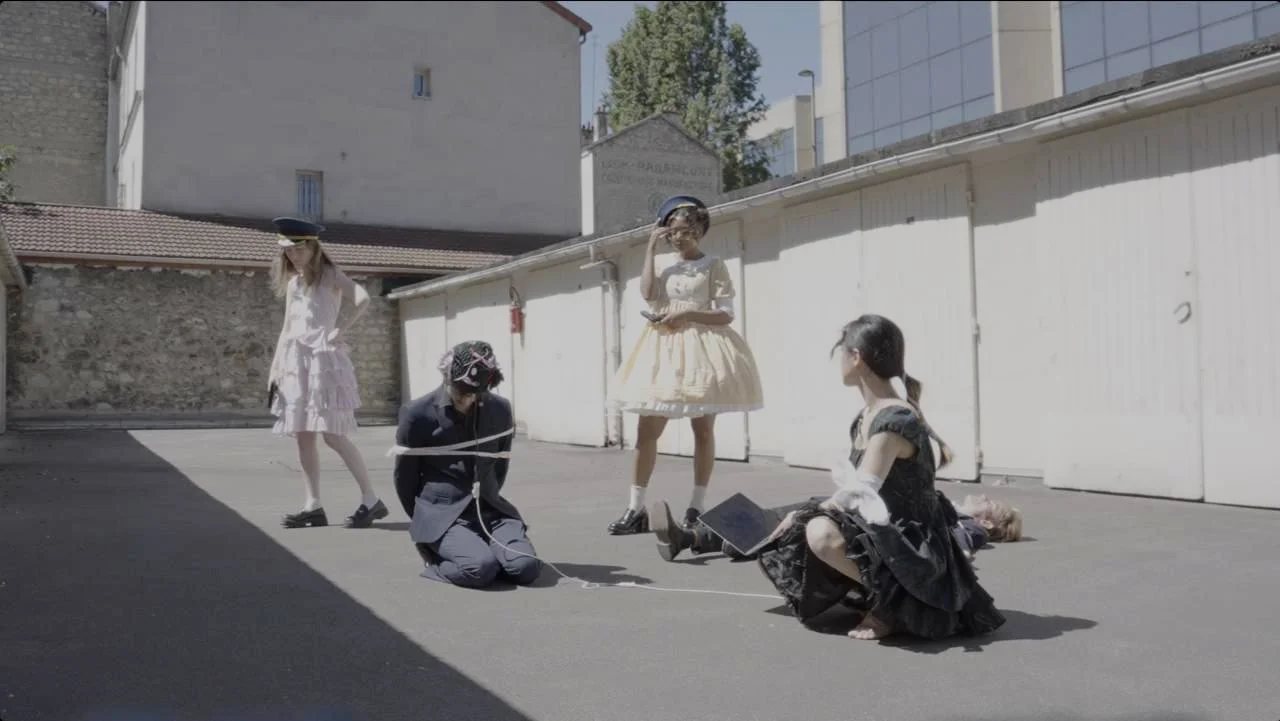
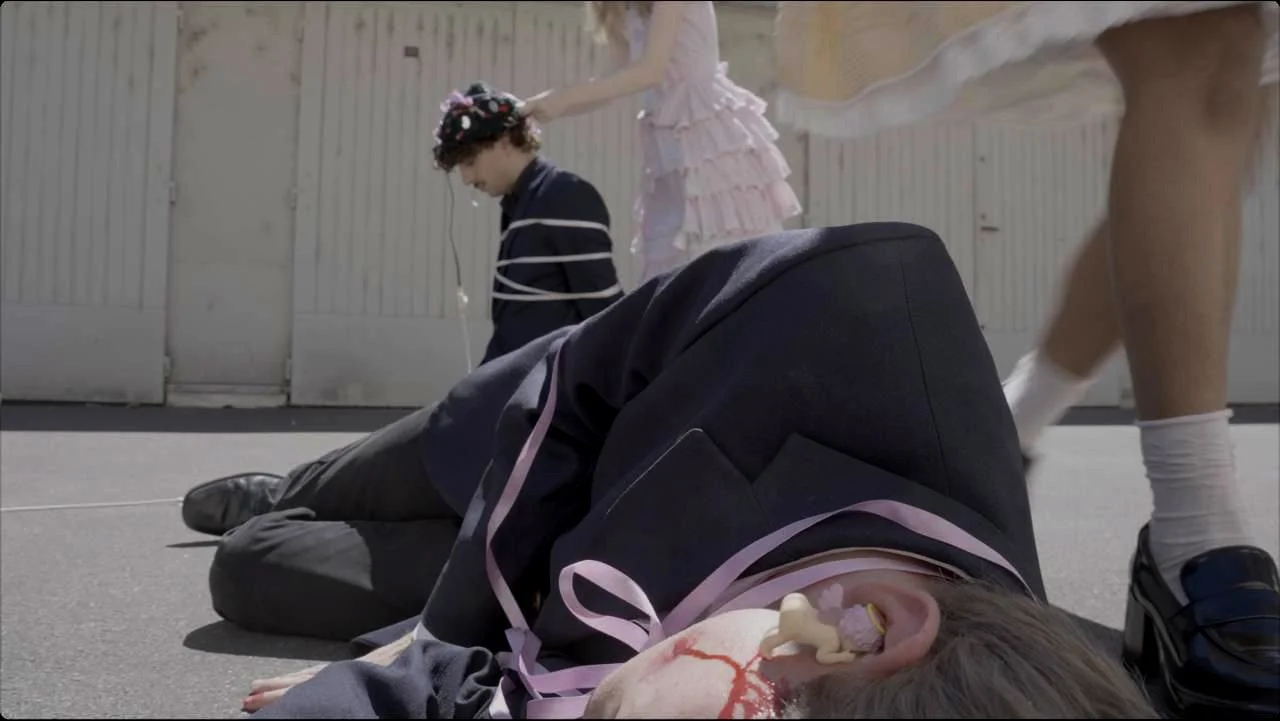
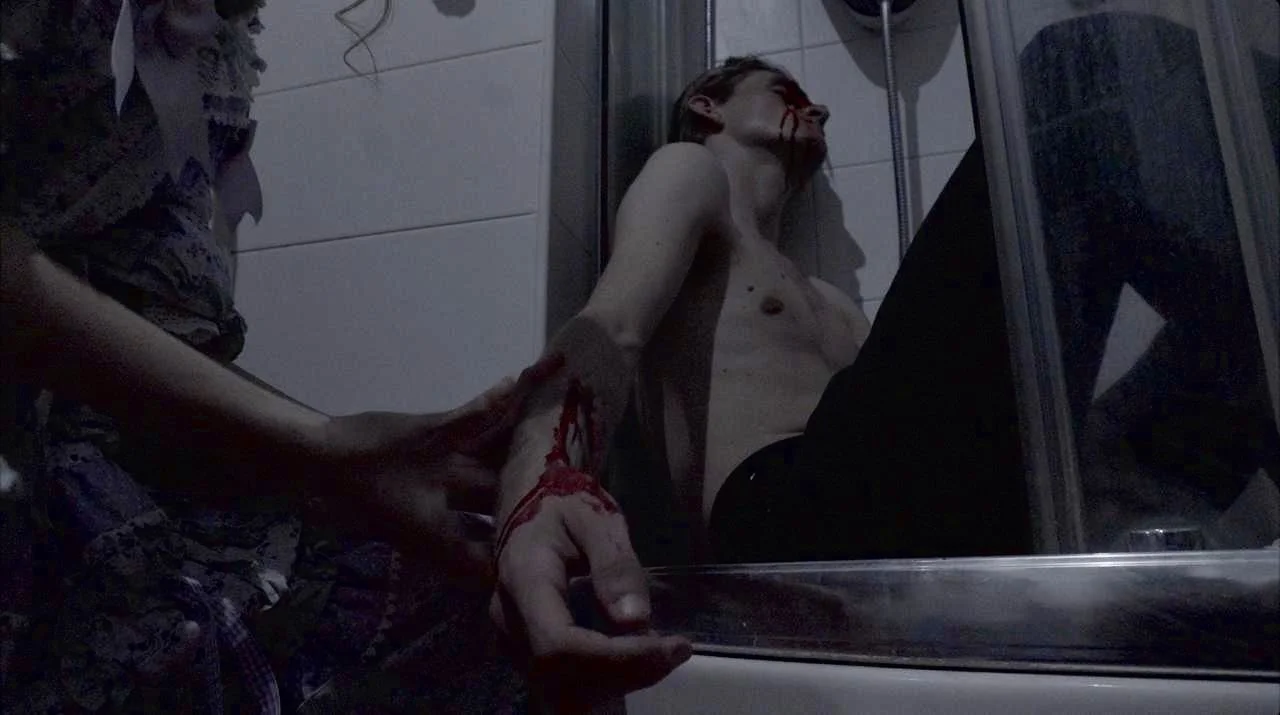
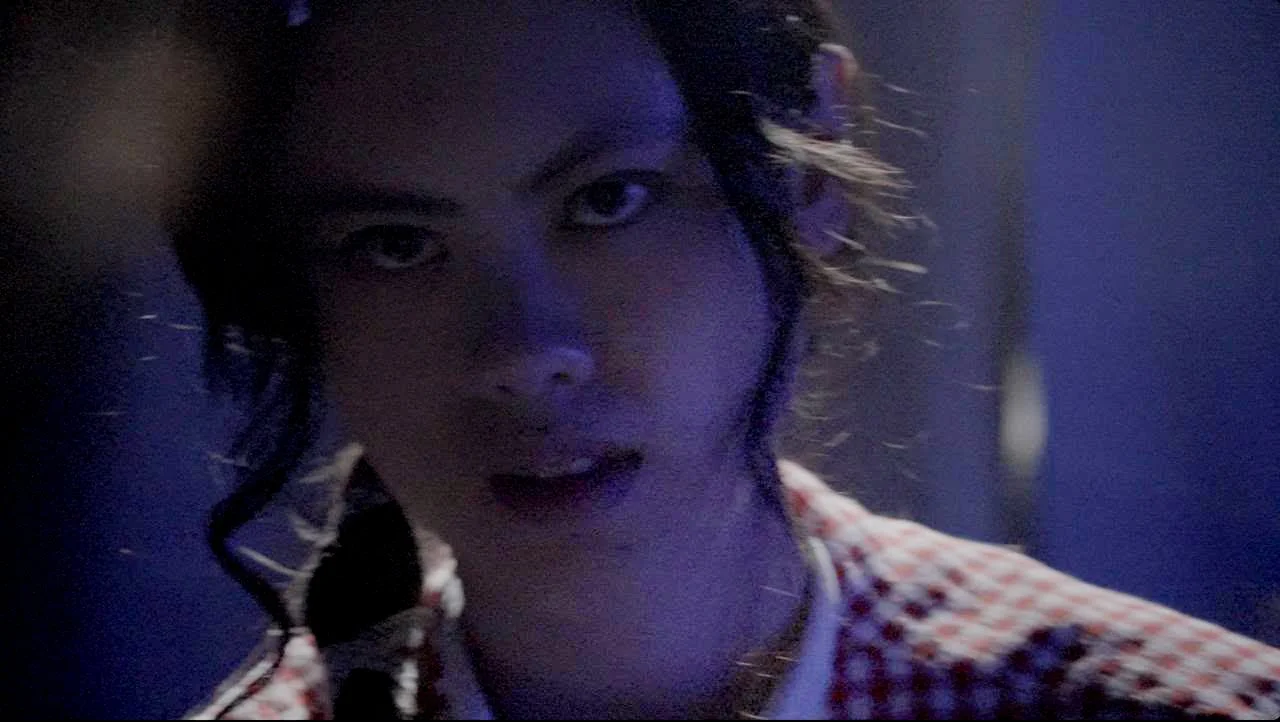
The film tells a story that oscillates between cuteness and violence; a post-capitalistic fable woven with emotional labour, war of ideologies and bows. It starts with the end of the old world due to ‘cute aggression’: the former government wanted to sugarcoat corruption and collusion with cuteness, but accidentally igniting its revolutionary power.
After the collapse of capitalism, the world entered an ideological vacuum. Girls evolved from tools to builders of a utopia, but they are also a fuel that all parties want to possess.
This is what the video explores: When the marginalised become the mainstream, how would their perspectives reshape the world? When cuteness is publicly acknowledged and used as a pillar of society, how would it become a power of emancipation?
Story/ Screenwriter Lean Lui
Director/ screenwriter/ DP Yvonne Lui
Gaffer/ sound man
Production design/ HMC Elisa Favre
Sound design and Composer Ana t’Aime
Actors:
Lou XU, Erika Montcho, Jenna Fauchere, Joseph Cauchi, Erwan Baudrand, Artus Gauthier de Graaf
<Float Glass Factory>, 2025
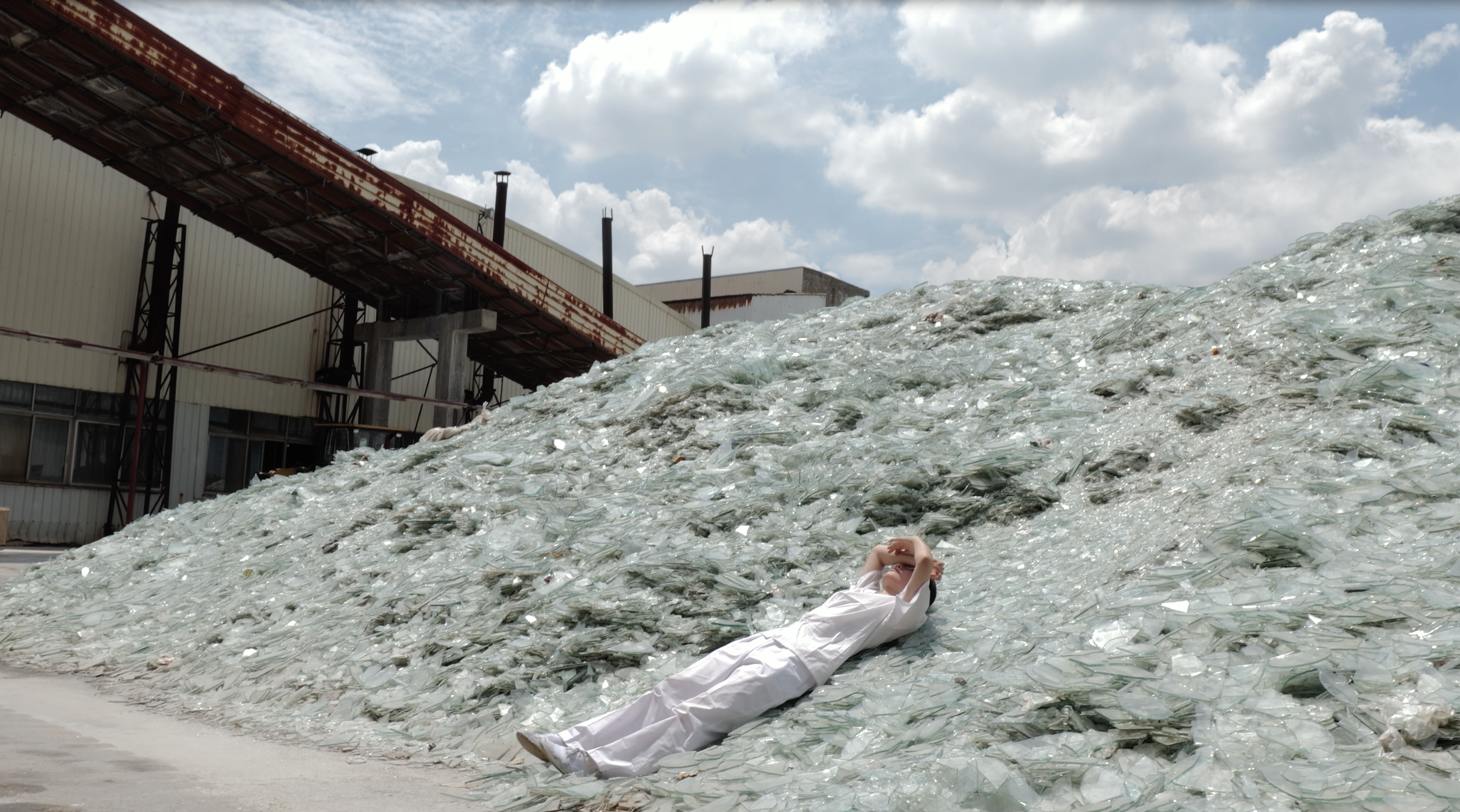
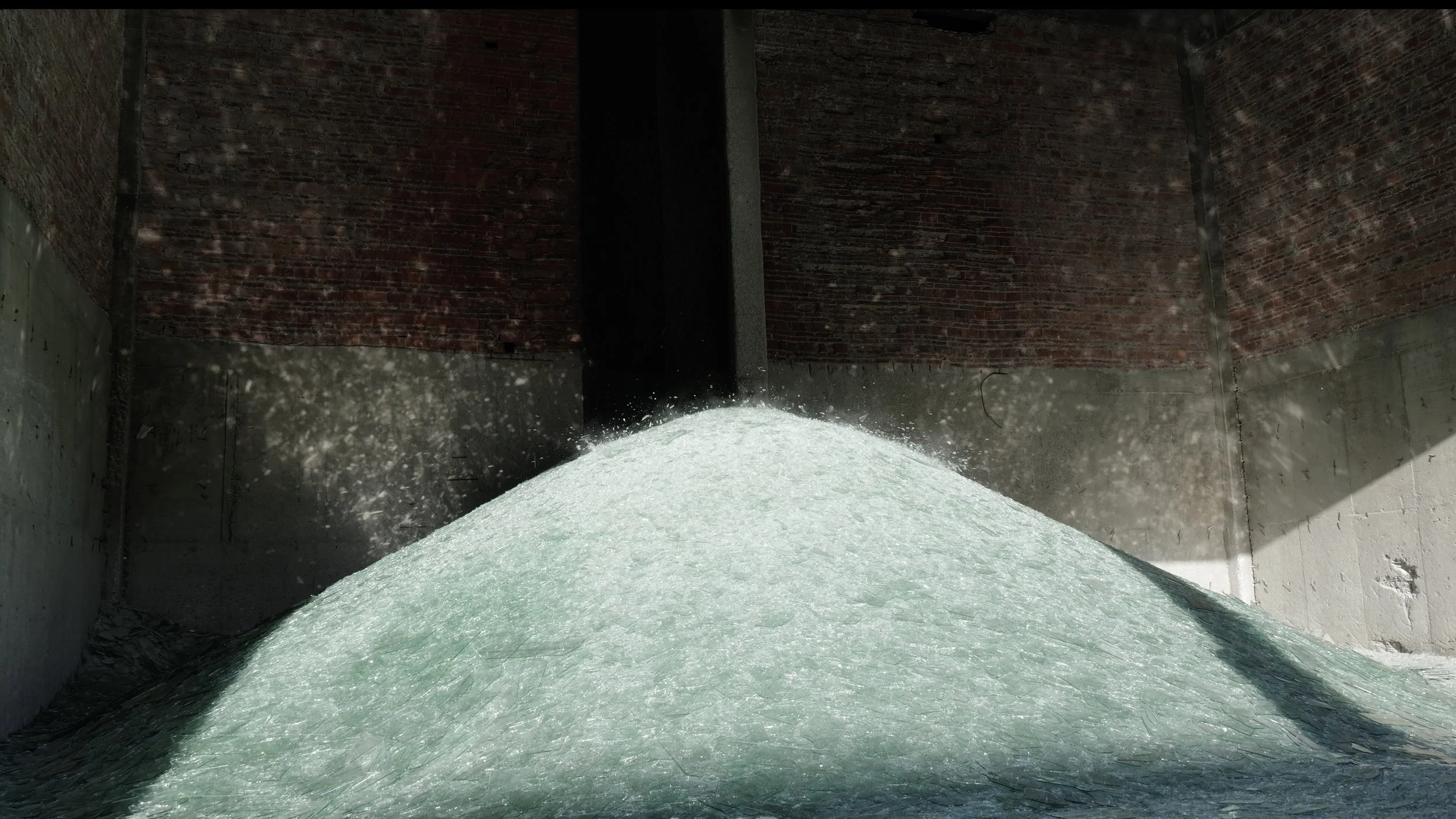
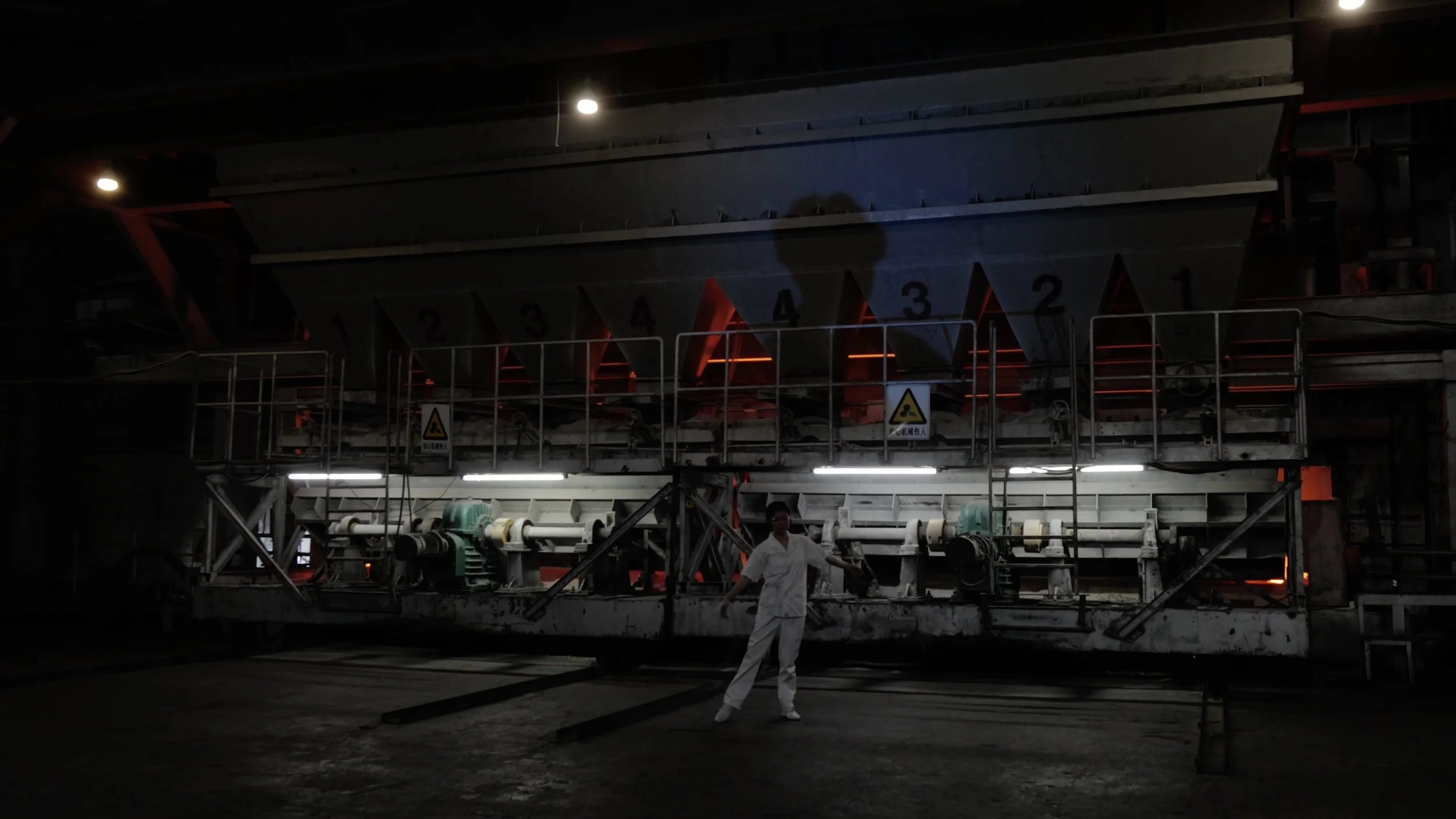
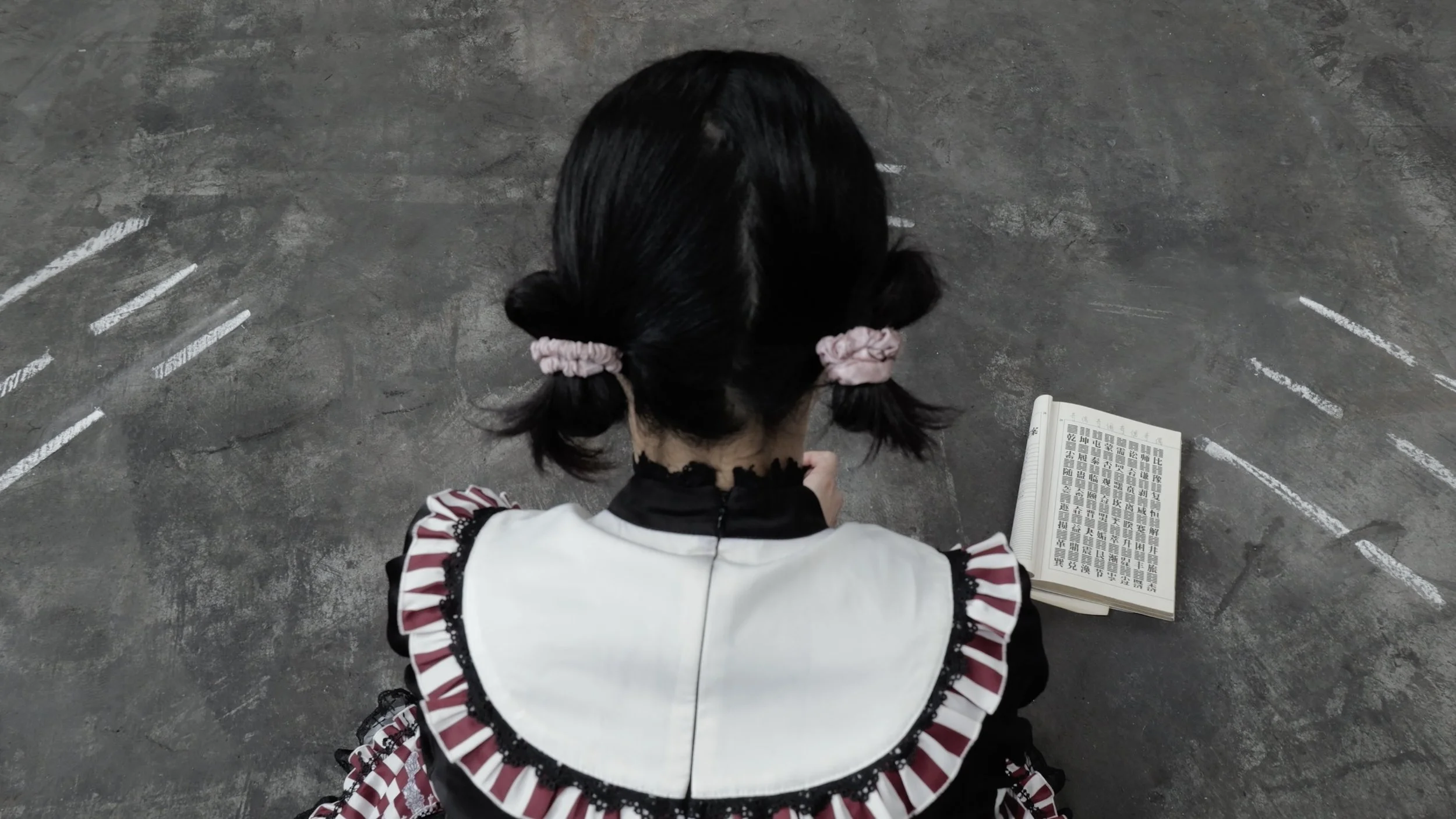
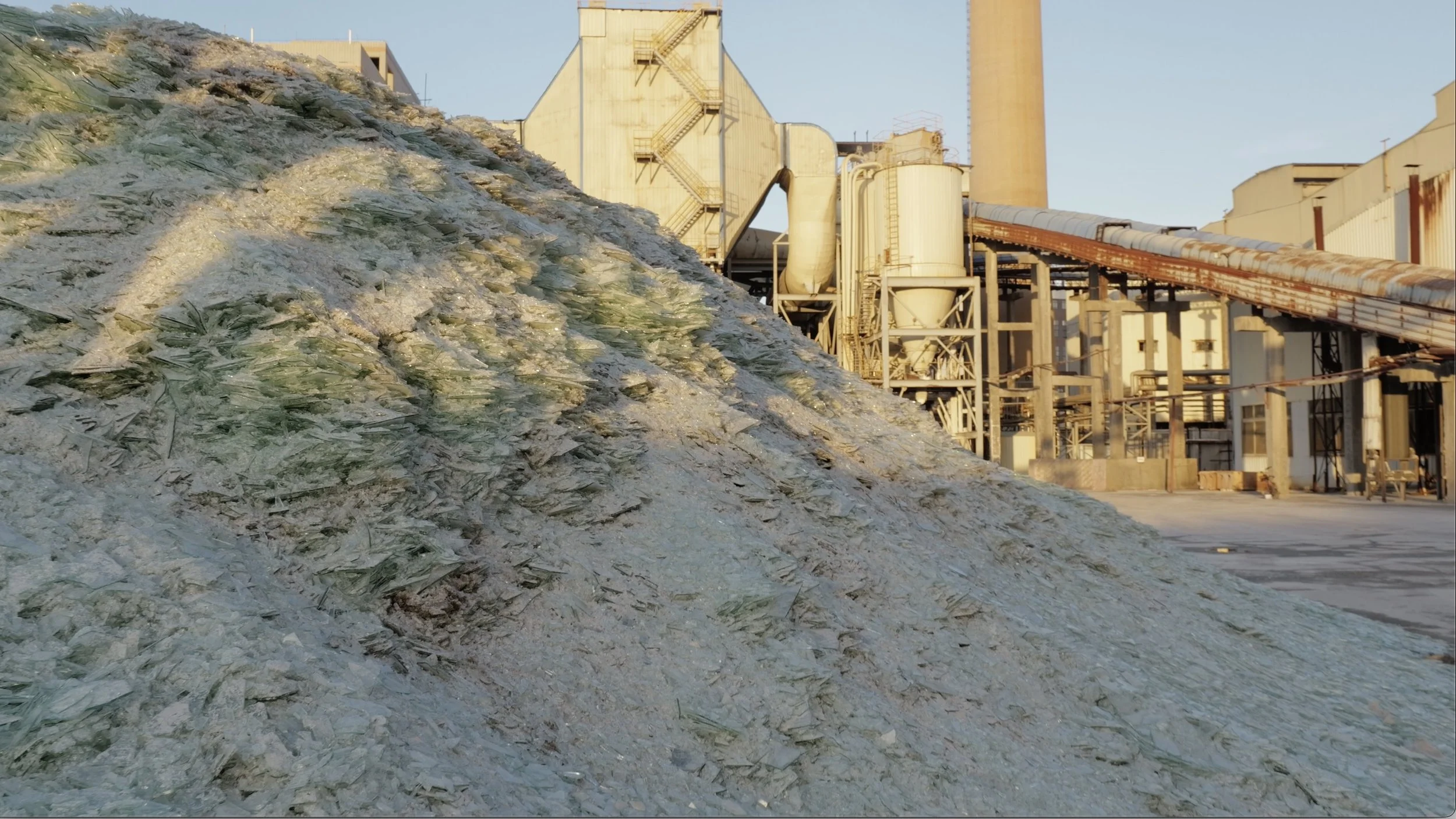
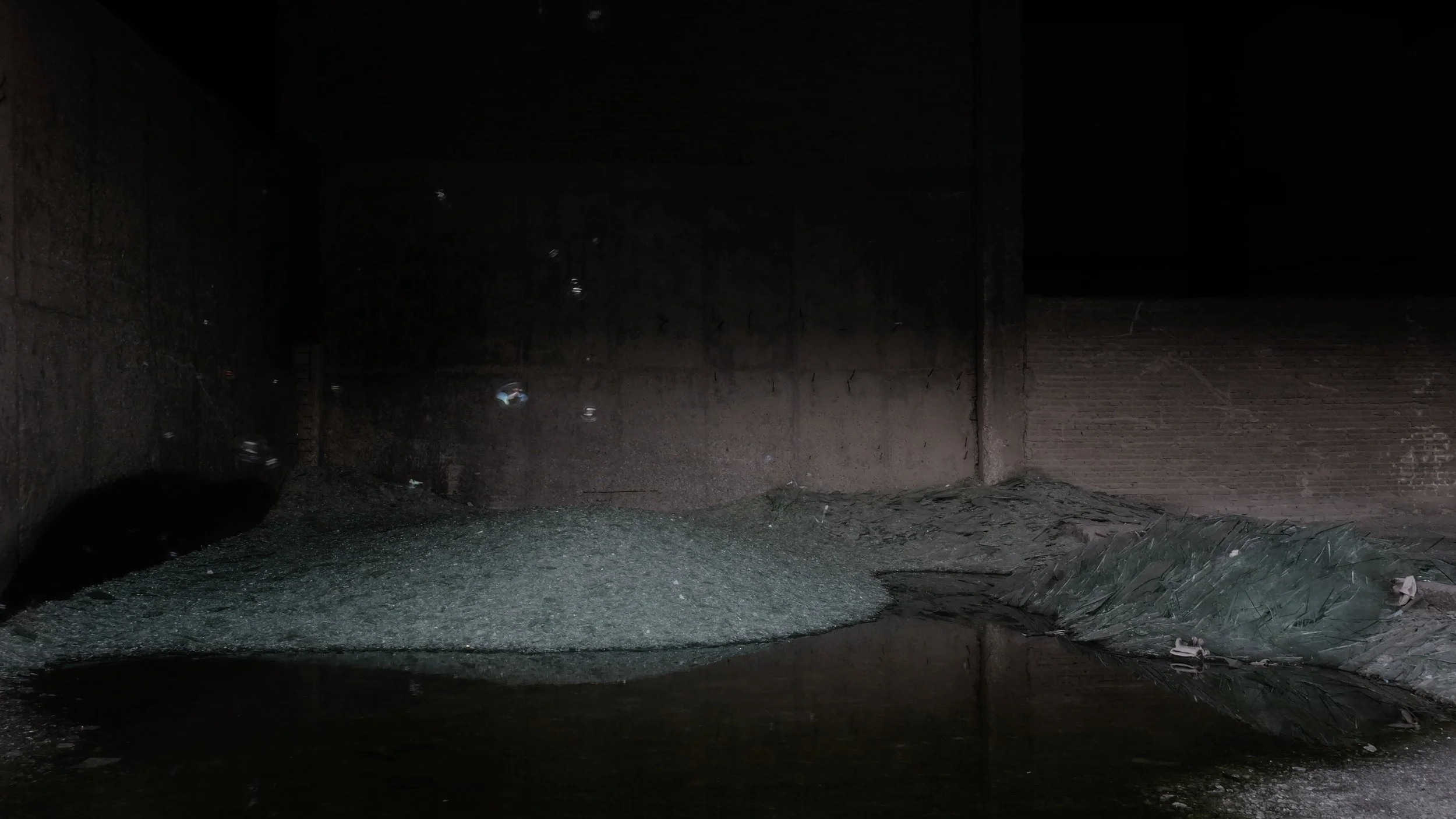
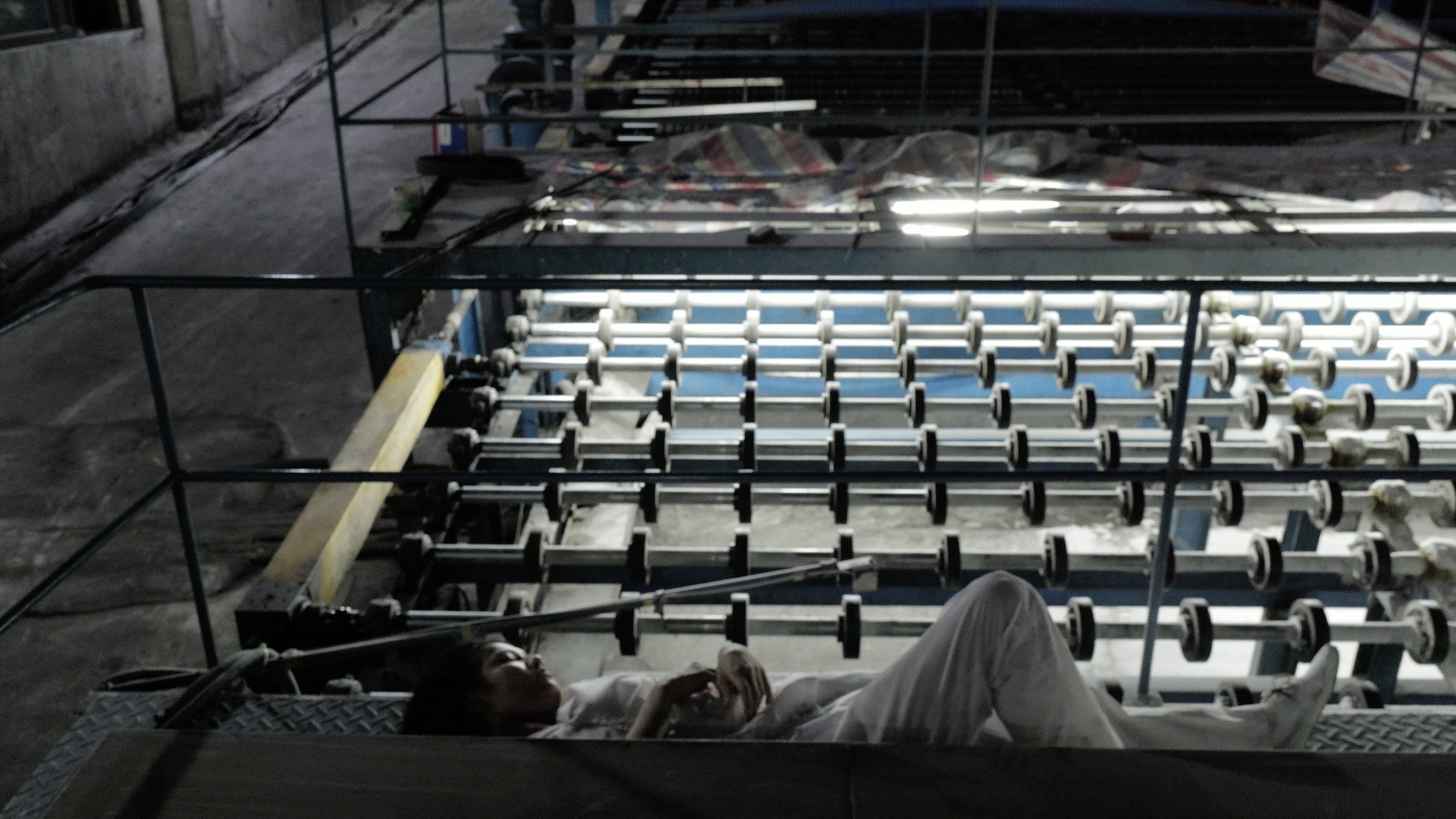
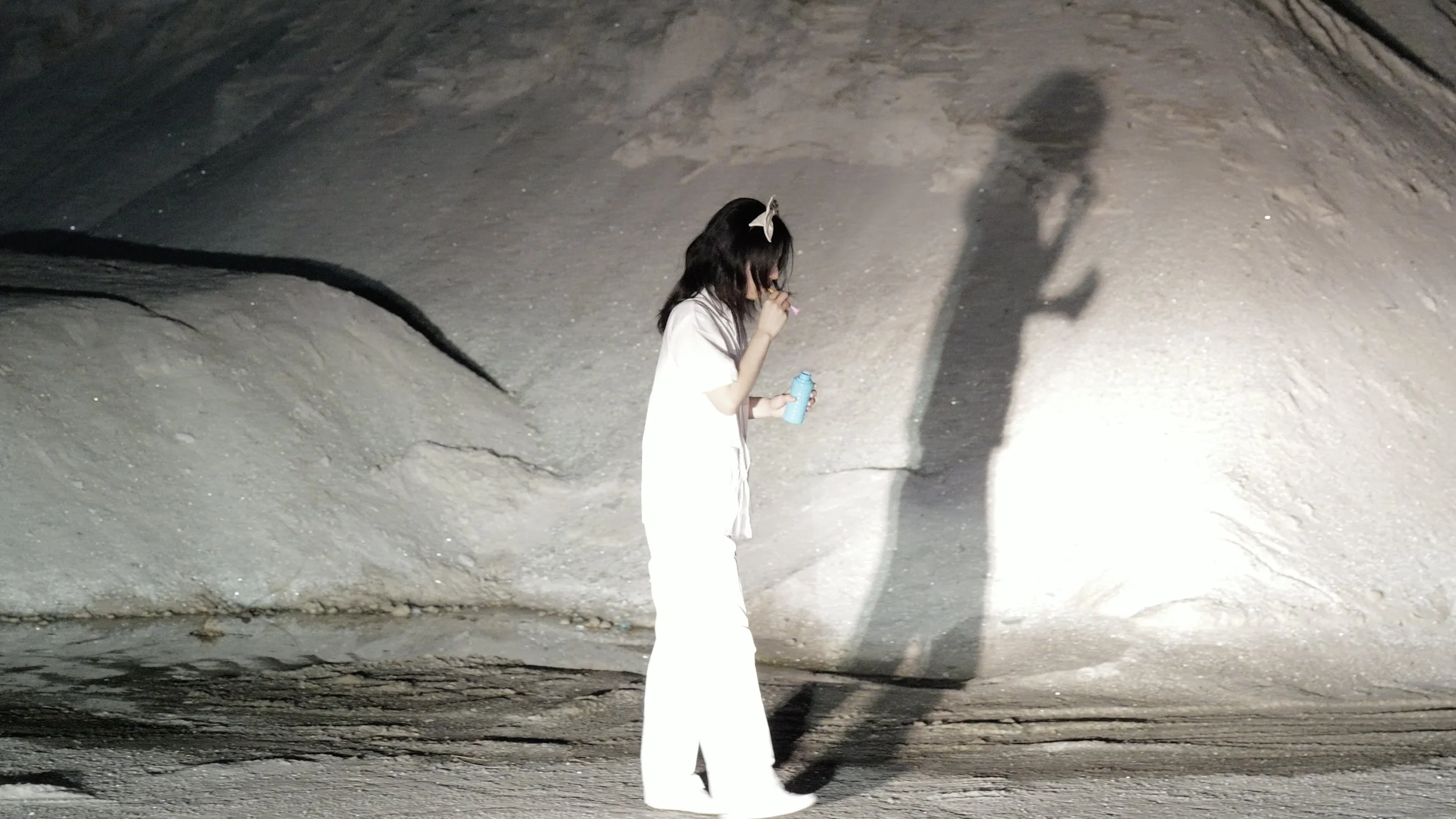
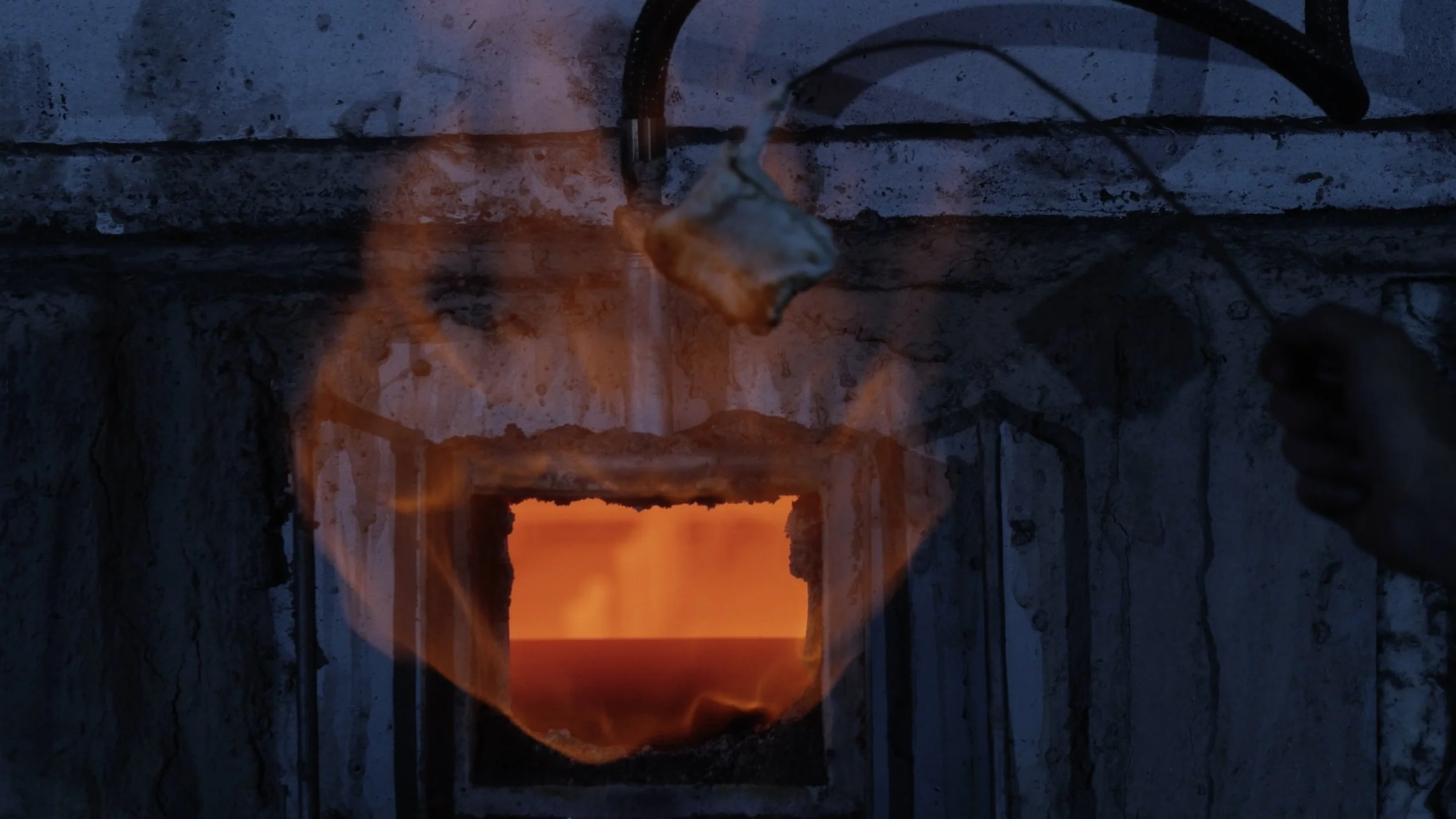
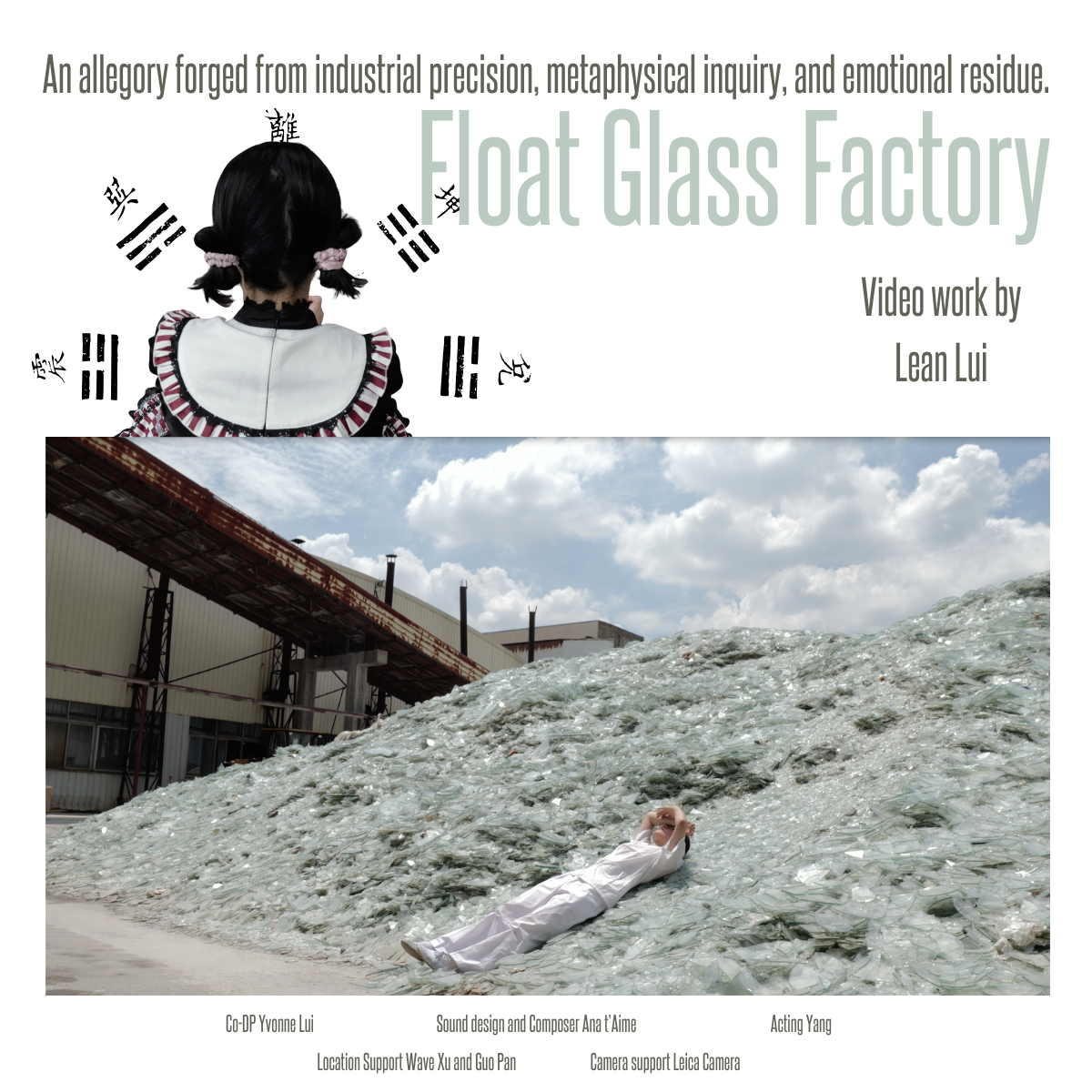
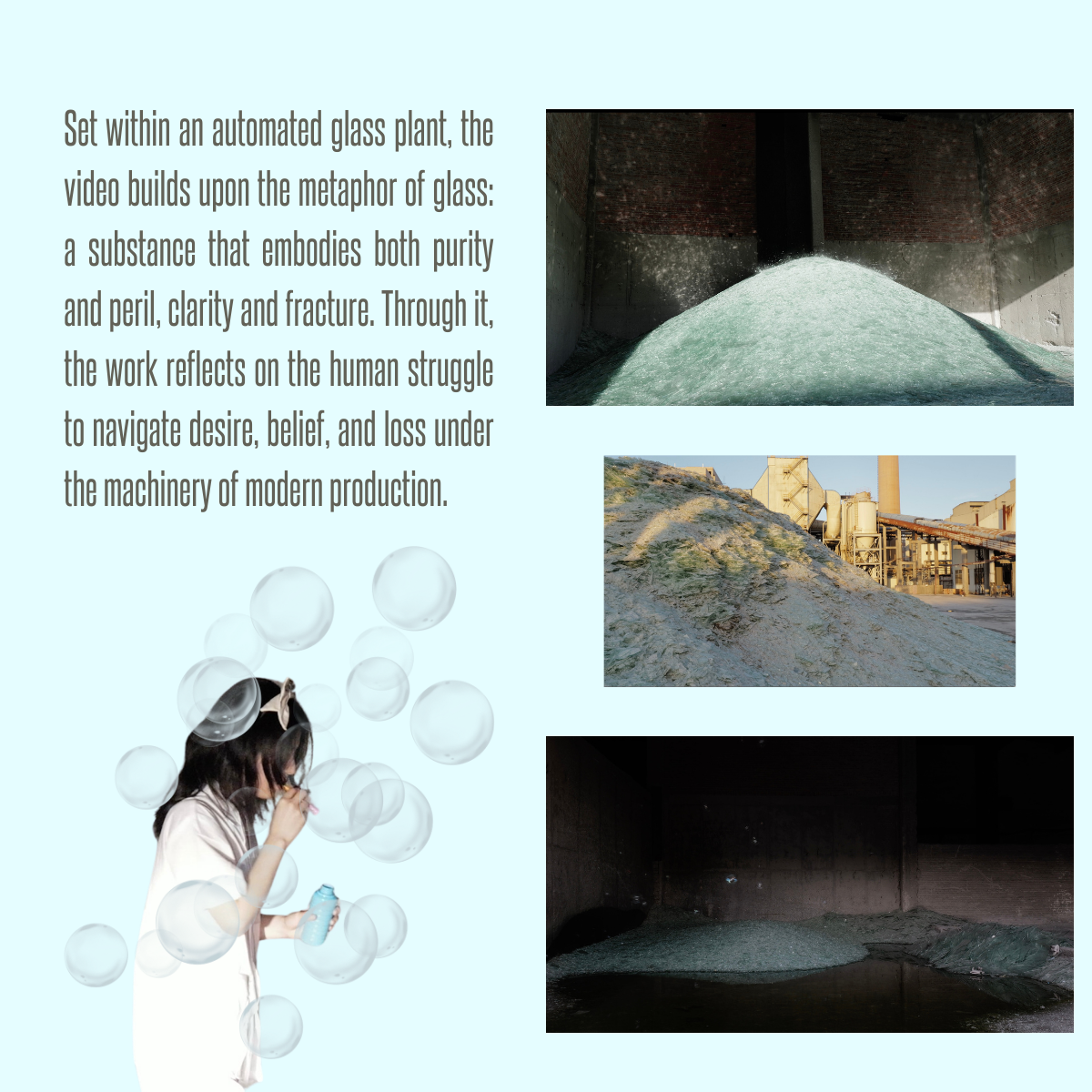
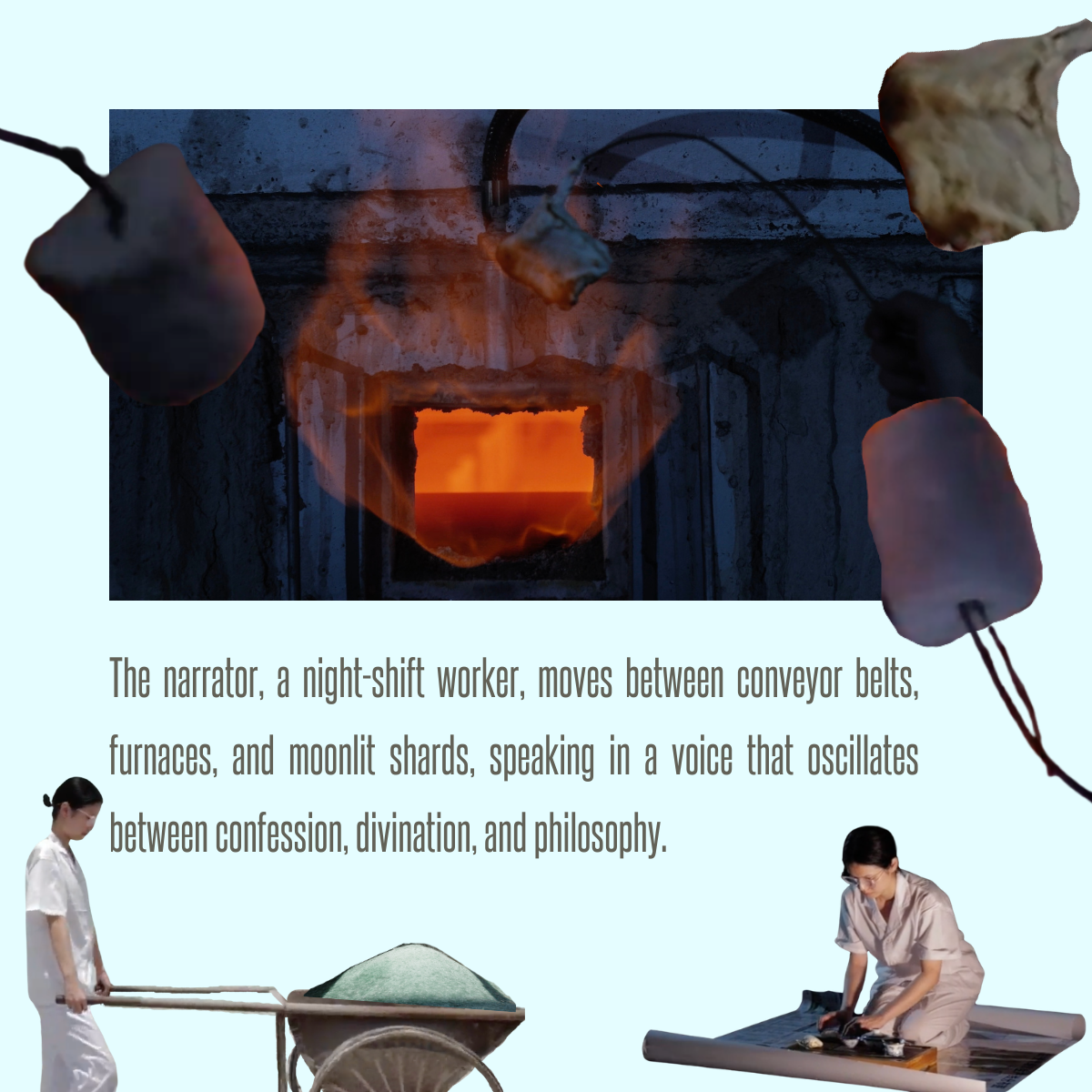
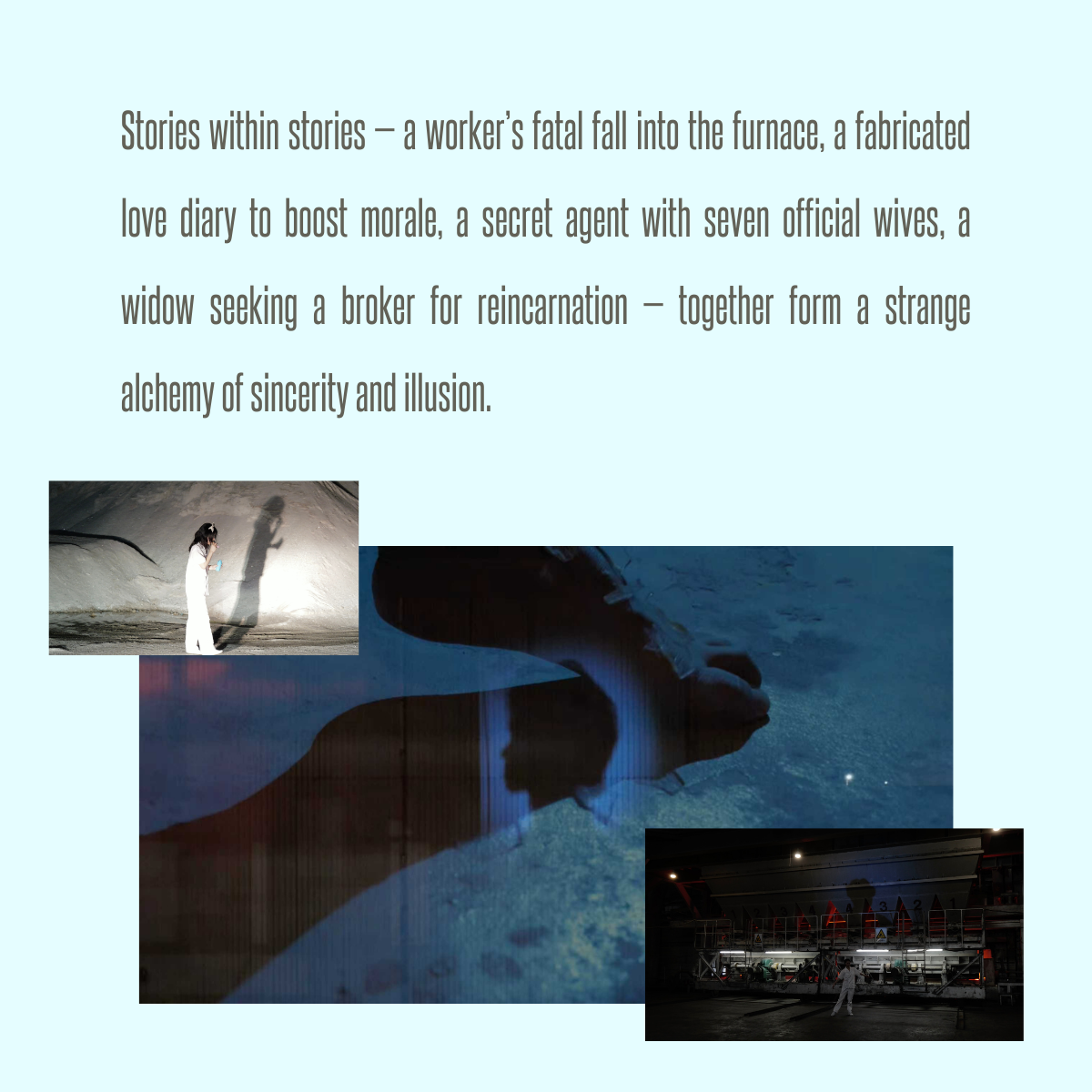
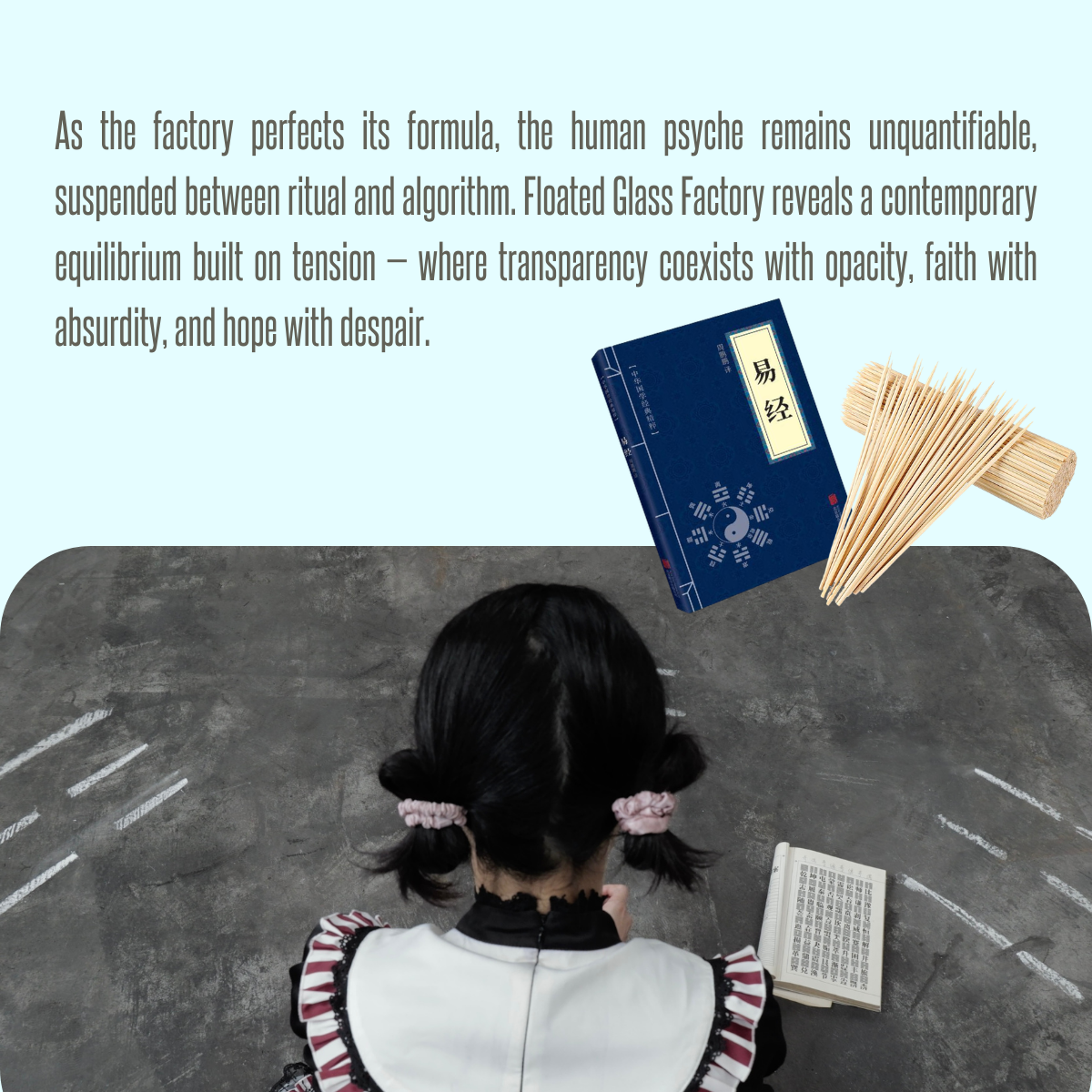
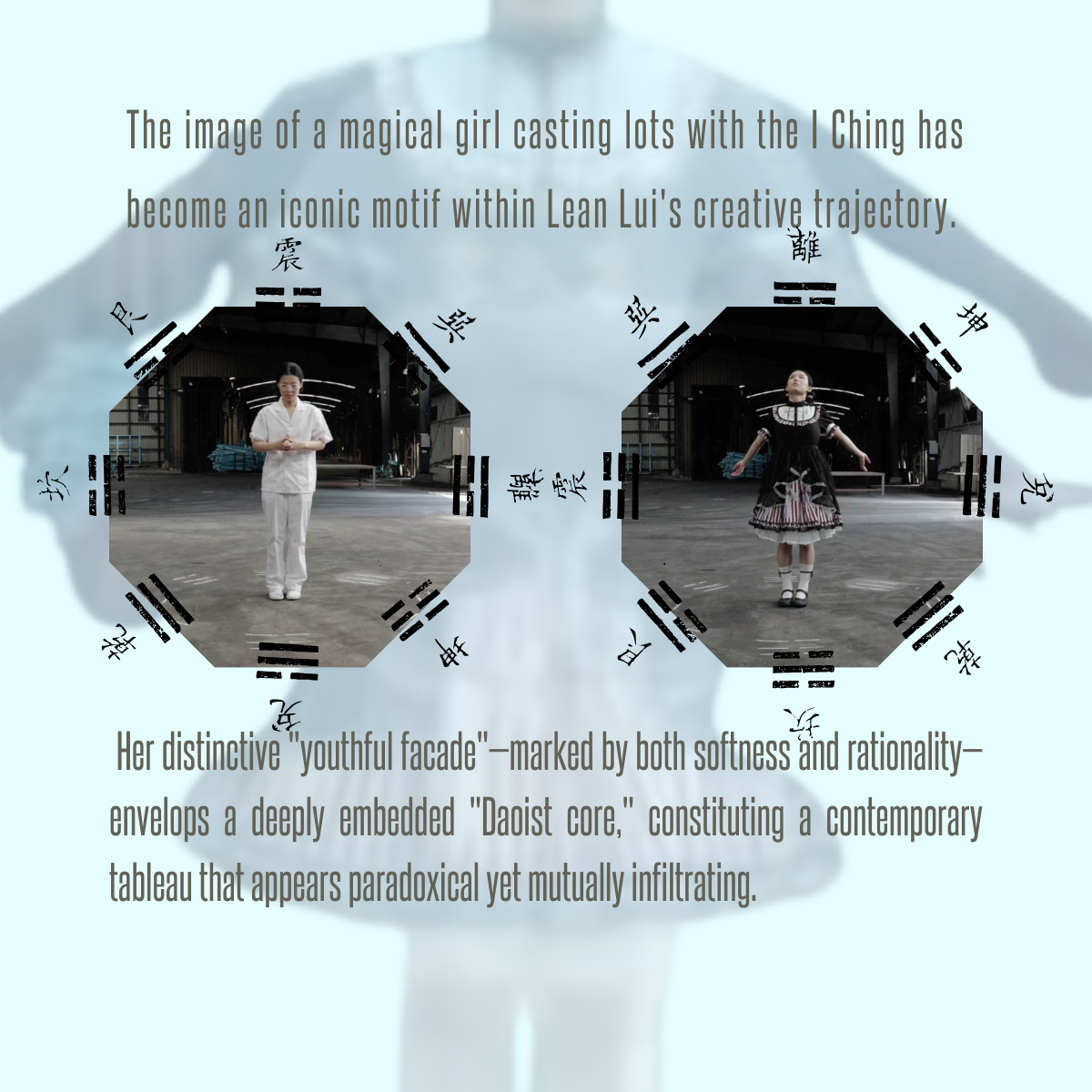
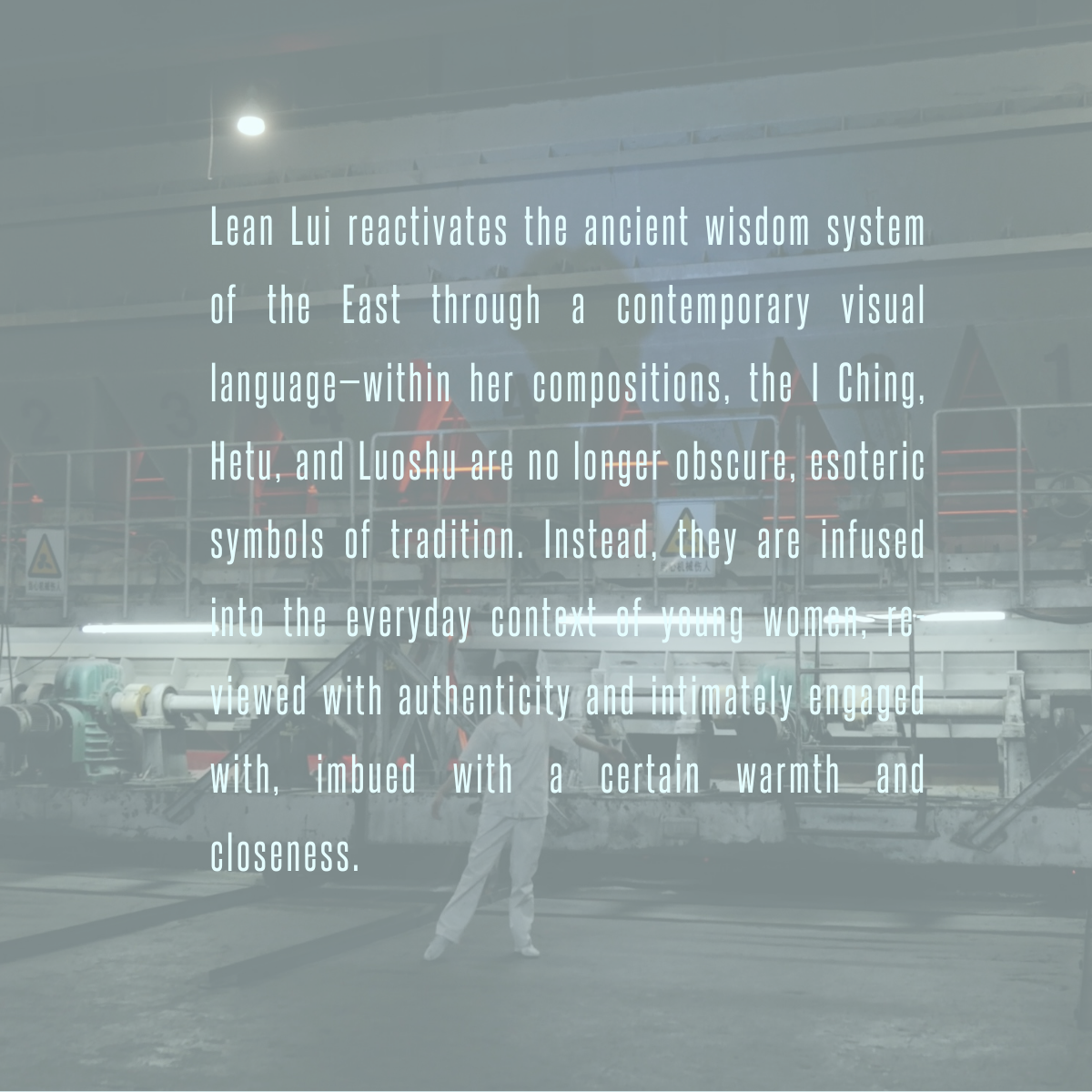
《浮法玻璃廠》是一段在透明與炙熱之間展開的敘事,一個由工業生產、靈魂煉化與情感殘渣共同構成的現代寓言。影片以工廠為空間背景,以玻璃為隱喻核心——一種既透明又危險的物質,象徵人類在極度理性化的生產體系下,仍無法控制的慾望、信仰與疼痛。敘事者在廠內從事夜班工作,穿梭於自動化的流水線與月光反射的玻璃堆之間,她的語言游移於懺悔、占卜與哲學之間。影片中交錯的事件——工人墜入熔爐、被捏造的愛情日記、特工的多重家庭、朋友的轉世願望——構成一場有關「誠實」與「幻覺」的煉金實驗。當工業以精密的比例控制物質,人類卻以模糊的信念調配命運。《浮法玻璃廠》揭示了當代精神的失衡:透明與混濁、理性與信仰、希望與絕望的共存。
Float Glass Factory unfolds between transparency and combustion — an allegory forged from industrial precision, metaphysical inquiry, and emotional residue. Set within an automated glass plant, the video builds upon the metaphor of glass: a substance that embodies both purity and peril, clarity and fracture. Through it, the work reflects on the human struggle to navigate desire, belief, and loss under the machinery of modern production.
The narrator, a night-shift worker, moves between conveyor belts, furnaces, and moonlit shards, speaking in a voice that oscillates between confession, divination, and philosophy. Stories within stories — a worker’s fatal fall into the furnace, a fabricated love diary to boost morale, a secret agent with seven official wives, a widow seeking a broker for reincarnation — together form a strange alchemy of sincerity and illusion. As the factory perfects its formula, the human psyche remains unquantifiable, suspended between ritual and algorithm. Float Glass Factory reveals a contemporary equilibrium built on tension — where transparency coexists with opacity, faith with absurdity, and hope with despair.
Single Channel Video, 14’03”
Full video by request
Co-DP Yvonne Lui
Sound design and Composer Ana t’Aime
Acting Yang
Location Support Wave Xu and Guo Pan
Camera support Leica Camera
<Contemporary Halo: I Stopped Entertaining Mediocrity>, 2026
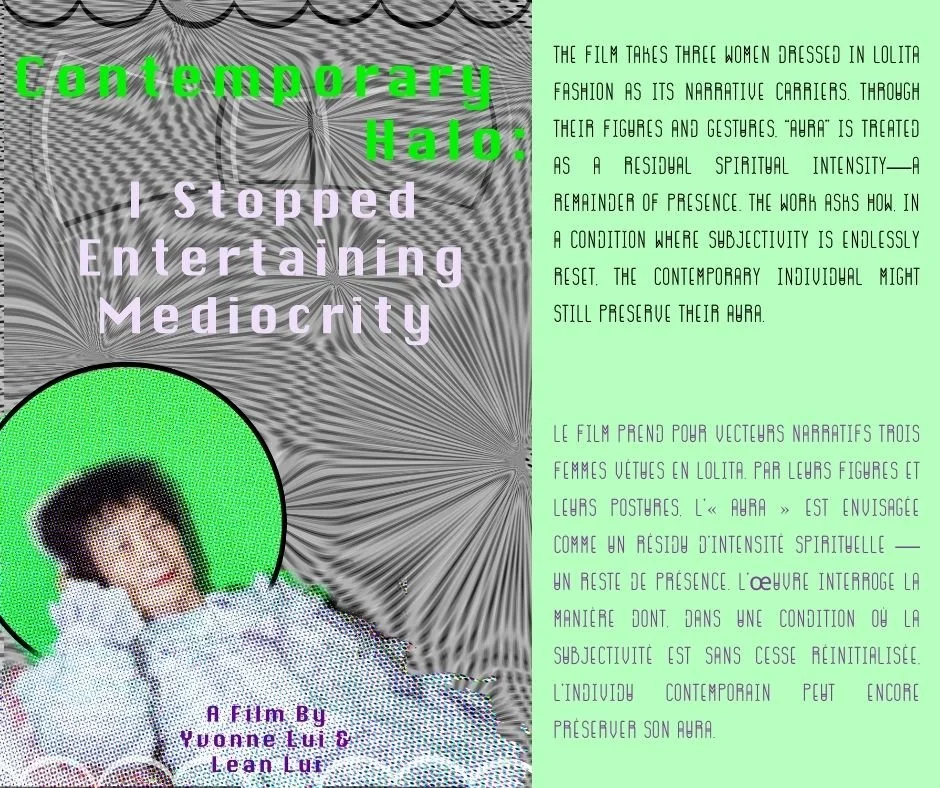
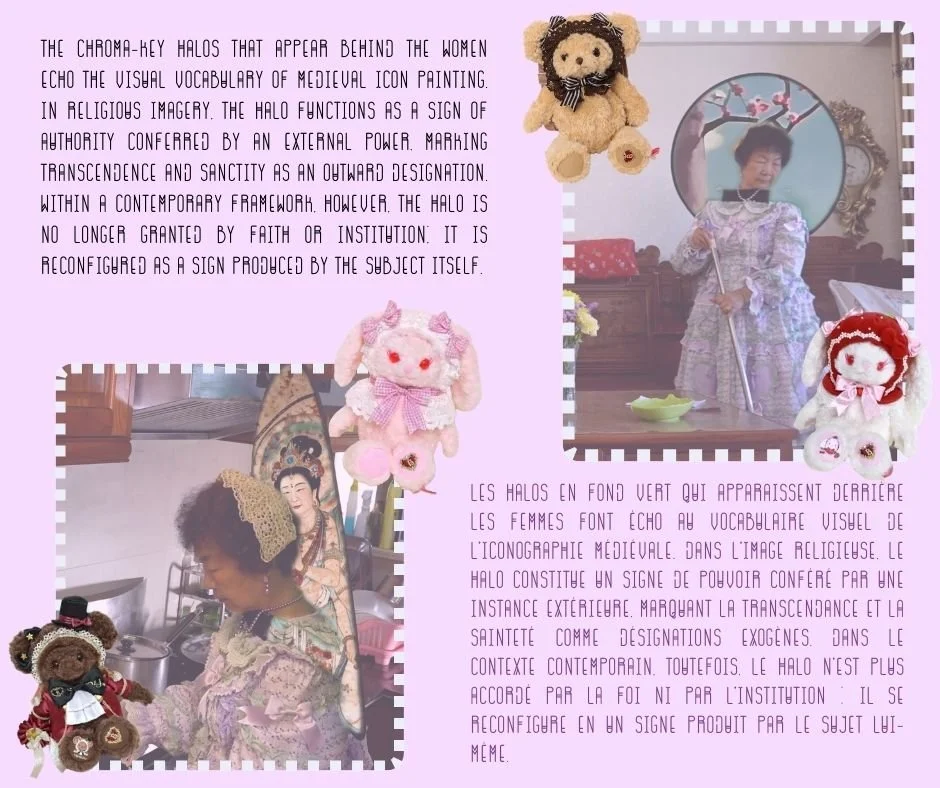
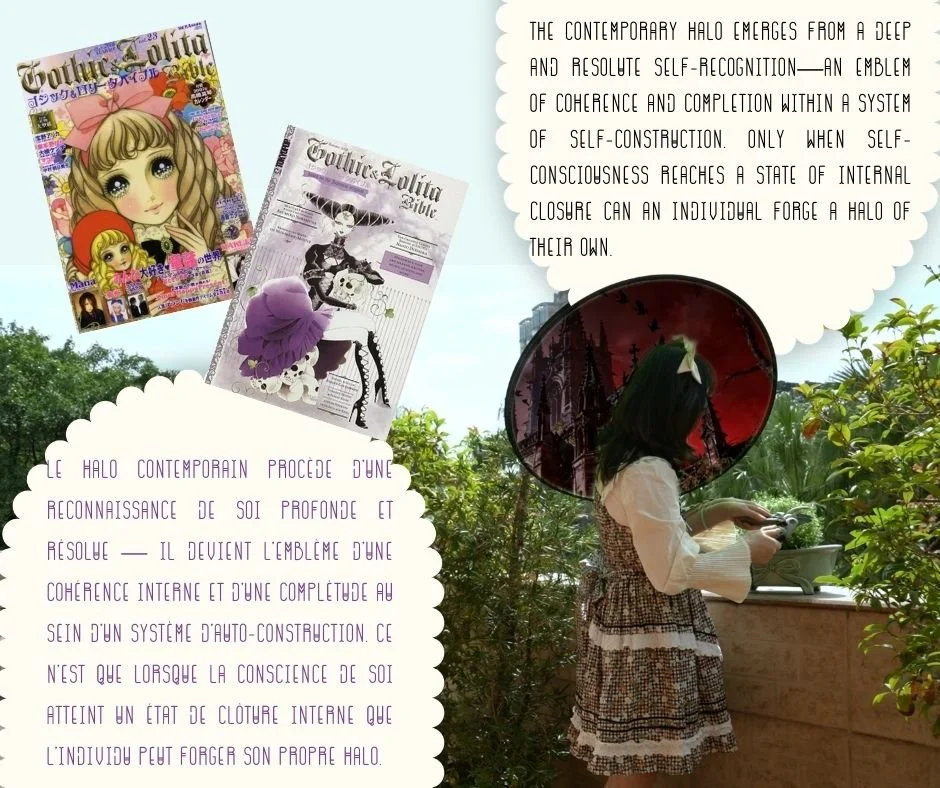
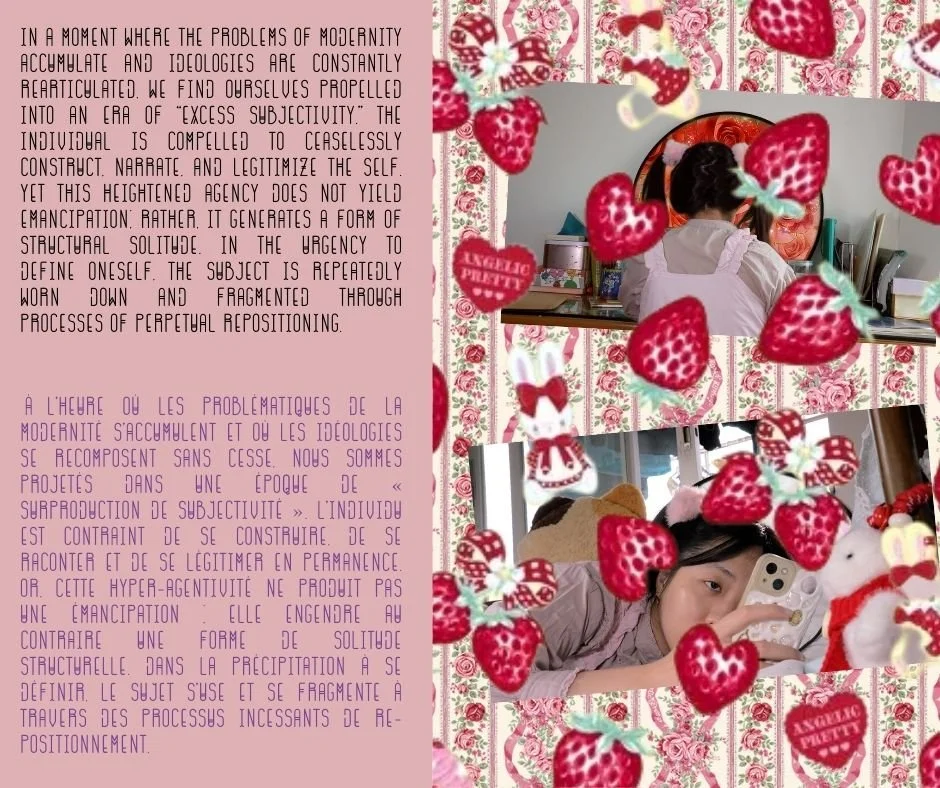
主角們身後的綠幕光環呼應了中世紀繪畫中神聖人物的光環。中世紀神聖人物上的光環是被他人賦予的,而後現代的光環似乎要靠自身的主觀能動性獲得。在種種的現代性問題的包圍下,我們處於一個主體性過剩的年代,一種新的孤獨感由此誕生,但同時內心的動搖到達了前所未有的速度。這條影片通過三位身穿lolita的女性叩問,個體如何保留心靈的靈光?
The chroma-key halos that appear behind the protagonists echo the visual vocabulary of medieval icon painting. In religious imagery, the halo functions as a sign of authority conferred by an external power, marking transcendence and sanctity as an outward designation. Within a contemporary framework, however, the halo is no longer granted by faith or institution; it is reconfigured as a sign produced by the subject itself. The contemporary halo emerges from a deep and resolute self-recognition—an emblem of coherence and completion within a system of self-construction. Only when self-consciousness reaches a state of internal closure can an individual forge a halo of their own.
In a moment where the problems of modernity accumulate and ideologies are constantly rearticulated, we find ourselves propelled into an era of “excess subjectivity.” The individual is compelled to ceaselessly construct, narrate, and legitimize the self. Yet this heightened agency does not yield emancipation; rather, it generates a form of structural solitude. In the urgency to define oneself, the subject is repeatedly worn down and fragmented through processes of perpetual repositioning.
The film takes three women dressed in Lolita fashion as its narrative carriers. Through their figures and gestures, “aura” is treated as a residual spiritual intensity—a remainder of presence. The work asks how, in a condition where subjectivity is endlessly reset, the contemporary individual might still preserve their aura.
Single Channel Video, 10’50”
Full video by request
<Night Pool>, 2024


From HKADC-ARTS INFORMATION CENTRE
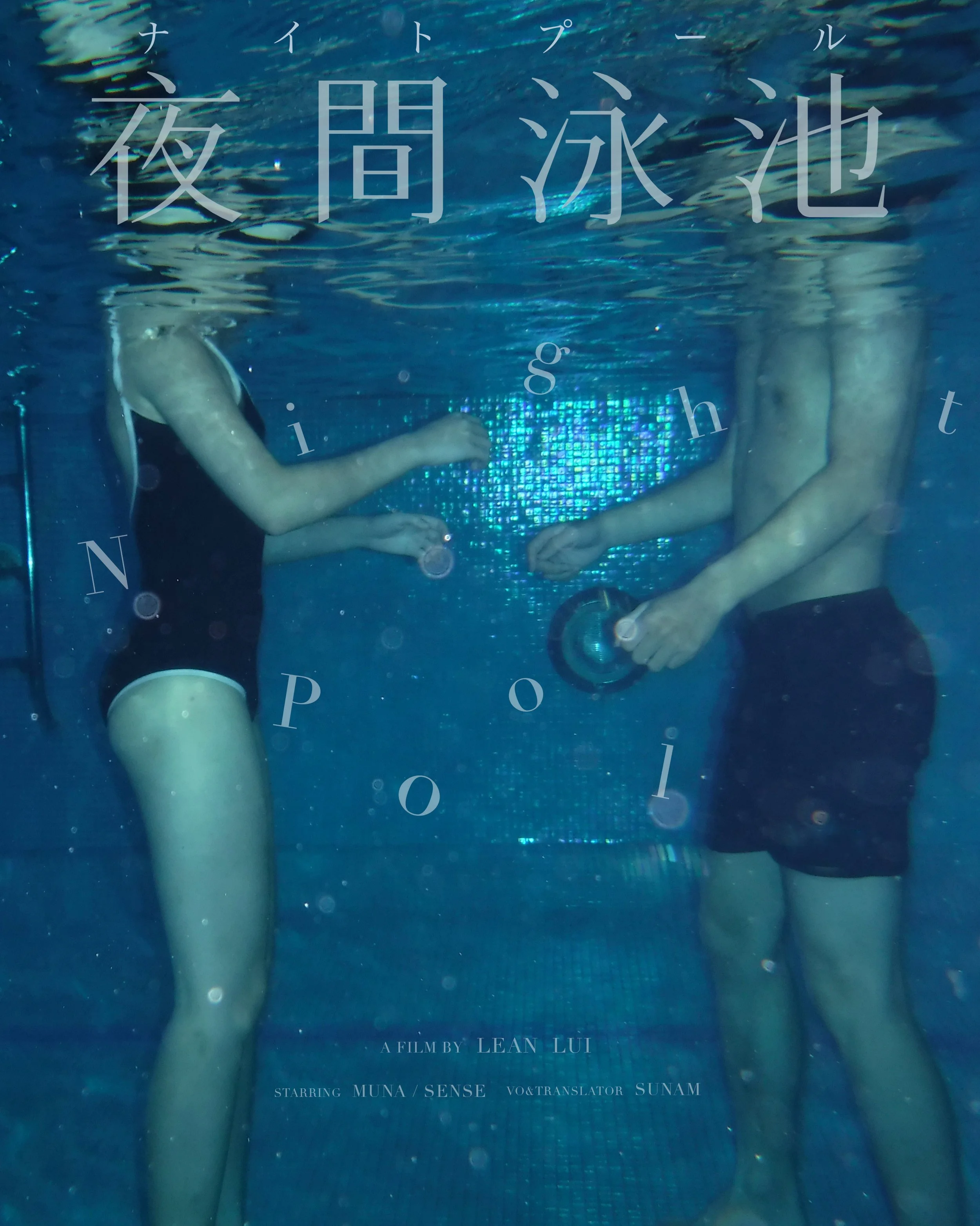
雷安喬《夜間泳池》(四頻彩色有聲影像,2024)
《夜間泳池》分為四個章節,每段時長平均在兩到三分鐘,第三章最長,將近五分鐘,四條加起來在十二分鐘左右,算是短篇的影像作品。如果用一句話總結整個故事情節的話,就是一個少女因為溺水對象不是初吻而拒絕人工呼吸導致其死亡的故事。雷氏的上一份文本性較重的作品是短篇小說《珍珠母》(2022) ,其後與畫家合作製成繪本也與導演合作實體化成短片,《夜間泳池》沿襲《珍珠母》中的荒誕與超現實,《珍珠母》中的荒誕比較卡夫卡,從角色的各種變形推動劇情發展與角色心理變化,而《夜》中的荒誕的對白與故事背景的設定。
整條影片充滿詩意與壓抑,在影片中一共出現的三個泳池,月光閃閃的室外休閒泳,暖黃復古的室內休閒池與綠調灰暗的訓練池,在每個泳池中所呈現的光線和水流動的質感也十分不同,帶出隨著劇情發展而變的感受,水的質感尤其明顯,在第一章節到第四終結中的泳池水是隨著劇情變得明朗而不斷變得清晰的。
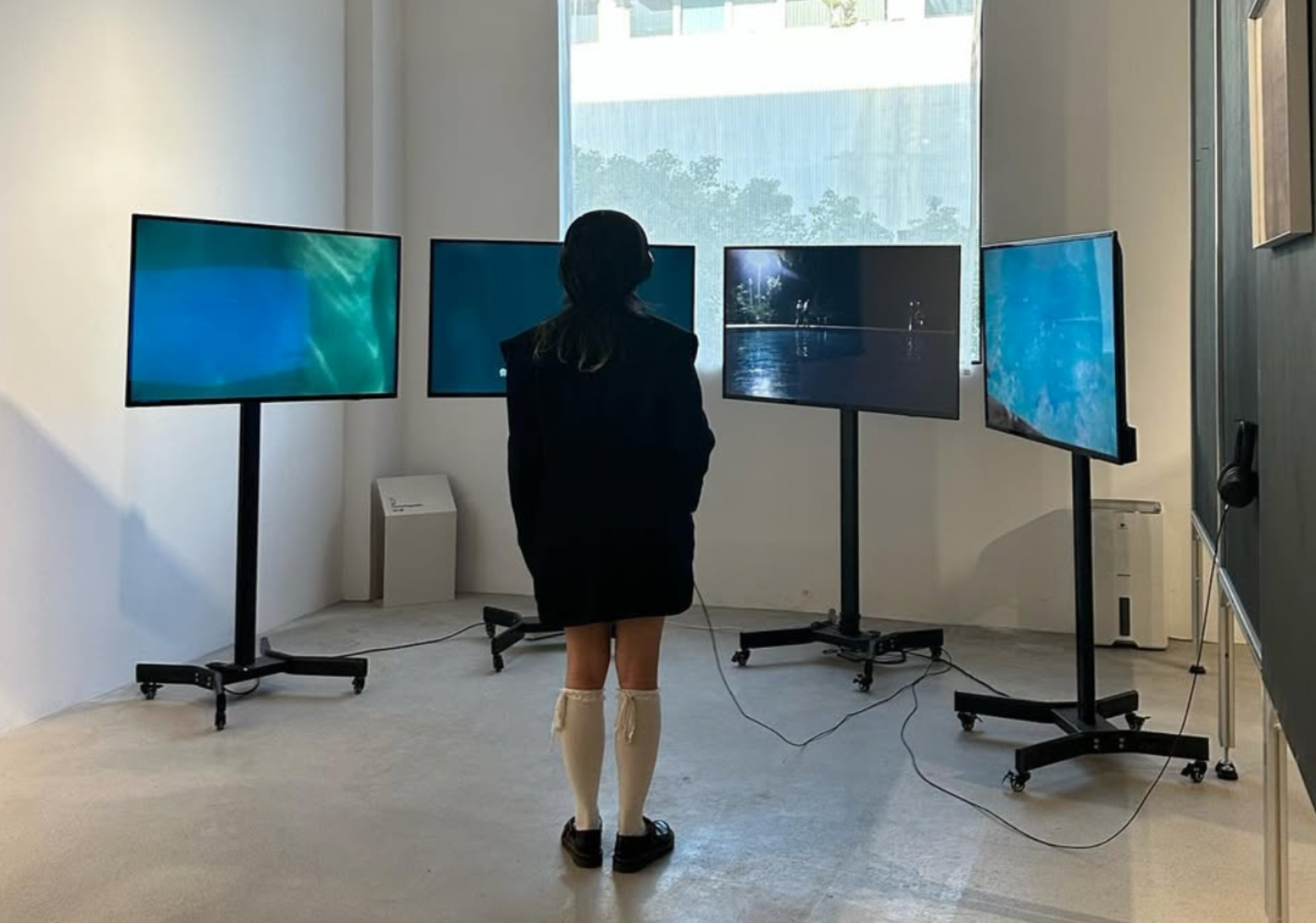
第一個新穎的感受來了場域與文本的碰撞,展覽場地是一個較為典型的白盒子空間,像傳統的畫廊,感覺嚴謹與專業,而在《夜》中出現的詞彙例如「純愛」、「初吻」、「少女」等等,都極少在這樣「端莊」又「專業」的場合出現,緊扣了作品中少女的其中一句對白「少女心第一次在成人世界登上了嚴肅的殿堂」,站在這個白盒子空間去觀賞這條影片的時候,確實有這樣的感受。以往這些只會在少女私人日記或是大眾流行作品中出現的詞彙,被雷氏重新建構後放在嚴肅的作品中。四個電子屏幕圍繞成半圓,背後有一個白色針織歐式風格的窗簾,一個如同教堂般的空間,似乎預示了在當代社會的發展下,未來每個人本身就是一個微型宗教。再微小的故事和情緒只要說得夠好夠力,就是一個新宗教的誕生,確實,人類的宗教史不正是這樣來的嗎?
另一個刺點來自少女身分與權力的探討,在少女與警察對話中的一句:「只有當他們權力受到挑戰的時候才會停止對少女的意淫。 」,似乎提出了嚴肅與被輕視的界線並不在於風格而是在乎其對象的權力大小。在故事中少女因為溺水者不是初吻而放棄拯救對方,其後又因其雙胞胎弟弟是初吻而拯救對方,因為符合自己心中的公平原則,這樣看似荒誕又荒謬的設定,一場看似以卵擊石的戰爭,卻在這個微觀敘事與個人主義的當下變得合理。新少女身分的構造,帶有自己一套清晰嚴格的標準與權力,主動的權力、被動的權力,掌握他人生死的權力與挑釁權威的權力。
<Night Pool> is divided into four chapters, each lasting about two to three minutes, with the third being the longest at nearly five minutes. In total, the piece runs roughly twelve minutes — a short-form video work. If one were to summarize the story in a single sentence, it tells of a young girl who lets a drowning person die because he was not her first kiss, refusing to perform mouth-to-mouth resuscitation.
Lei’s previous text-based work was the short story Mother of Pearl (2022), which was later developed into both an illustrated book in collaboration with a painter and a short film in collaboration with a director. Night Swimming Poolinherits the absurdity and surrealism of Mother of Pearl. In Mother of Pearl, the Kafkaesque absurdity stems from the transformation of characters that propel both narrative and psychology. In Night, the absurdity manifests through dialogues and the setting of the story itself.
The entire film is filled with poetic restraint and tension. Three swimming pools appear throughout: an outdoor leisure pool glistening under the moonlight, a warmly lit retro indoor pool, and a dim, greenish training pool. Each pool presents a distinct texture of light and water movement that shifts in tone as the narrative unfolds. The evolving clarity of the water — becoming progressively more lucid from the first to the final chapter — mirrors the story’s emotional resolution.
One of the first novel impressions arises from the collision between site and text. The exhibition takes place in a typical white-cube space — orderly, elegant, and professional, like a conventional gallery. In contrast, the vocabulary used in Night — words like pure love, first kiss, and girlhood — rarely appear in such a “proper” or “serious” setting. This echoes one of the girl protagonist’s lines: “For the first time, a girl’s heart enters the solemn hall of the adult world.” Watching the video inside this white-cube environment indeed evokes such a feeling.
Words that would typically be found in a teenage diary or pop culture work are reconstructed by Lei and inserted into a serious conceptual framework. Four electronic screens form a semicircle, behind which hangs a white, knitted curtain in a European style. The arrangement resembles a small chapel — suggesting that in contemporary society, each individual may become a micro-religion unto themselves. Even the smallest story or emotion, if told with enough clarity and force, can give birth to a new faith. After all, isn’t that precisely how the history of religion began?
Another critical tension comes from the exploration of the girl’s identity and power. In the dialogue between the girl and a policeman, she says: “They will only stop fetishizing girls when their power is threatened.” This implies that seriousness or neglect is not determined by artistic style but rather by the power relationship between subjects.
In the story, the girl refuses to save a drowning person because he wasn’t her first kiss, but later rescues her own twin brother because he was — aligning with her internal sense of fairness. This bizarre, almost absurd logic — a kind of futile rebellion — becomes strangely coherent within today’s framework of micro-narratives and individualism. The construction of the new girlhood identity thus carries its own rigorous standard of justice and authority: the power to act, the power to withhold, the power over life and death, and the power to confront and subvert established dominance.
Four-channels Video, 11’04”
Full video by request
<Love Letter>, 2025
少女的身體成為情感過度的載體,最終無法承受自身「純情」的力量而爆發過敏反應。她在寫情書時流露出的極端情感,化為皮膚上的蕁麻疹——這是一種由內而外的愛的反噬。作品以歌頌純愛的表象包裹著深層的質疑:那些被理想化的情感與慾望,往往連宿主自身都無法承受,卻仍渴望找到一個外在的投射物,讓內心的幻象得以寄生。這種「純情」並非天真無垢,而是一場對情感真實性的執拗追問。少女的身體如同一座舞台,同時承載了崇高與毀滅,她的過敏不僅是一種生理反應,更是一種象徵——象徵著在極端的情感真誠中,身體開始揭露精神的脆弱。作品最終探討的是:當「純愛」被推向極致,它會否反過頭來,摧毀那個深信純愛的信徒?這不是一份情書,這是一份審判書。
The girl’s body becomes the vessel of emotional excess, ultimately collapsing under the weight of her own “purity.” The act of writing a love letter releases emotions so intense that they manifest as hives across her skin — a visceral backlash of love itself. Beneath the façade of celebrating pure love, the work questions the human need to externalize inner desires too overwhelming to contain, to find an object or surface upon which one’s inner illusion might rest. Here, “innocence” is not naivety but an obsessive pursuit of emotional authenticity. The girl’s body becomes a stage where sanctity and ruin coexist; her allergic reaction is both a physiological and symbolic eruption — a moment where the body betrays the mind’s ideal. The film ultimately asks: when purity is pursued to its most absolute form, does it inevitably turn against the believer who worships it? This is not a love letter; it is a judgment.
Single Channel Video, 1’27”
Full video by request