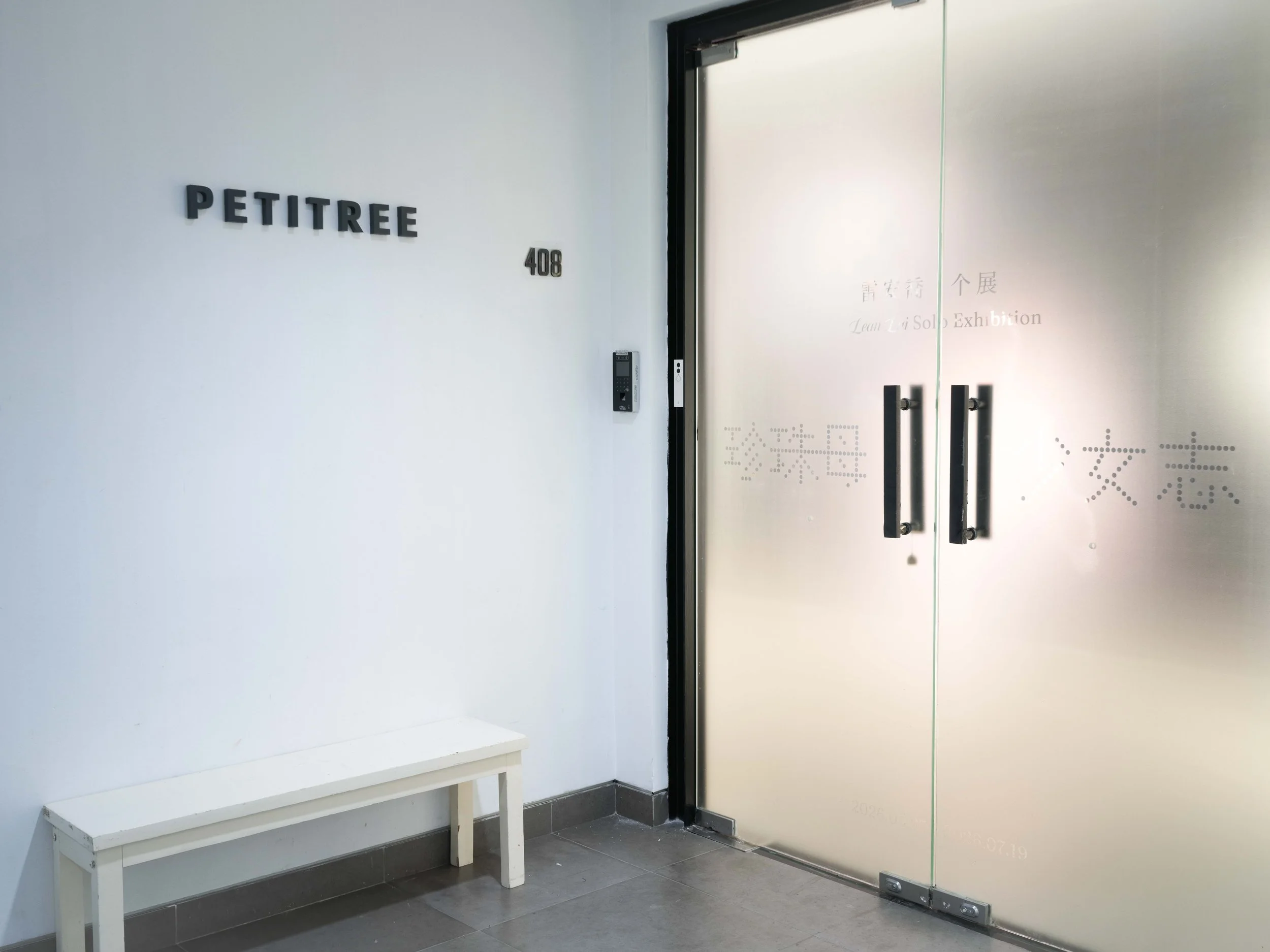
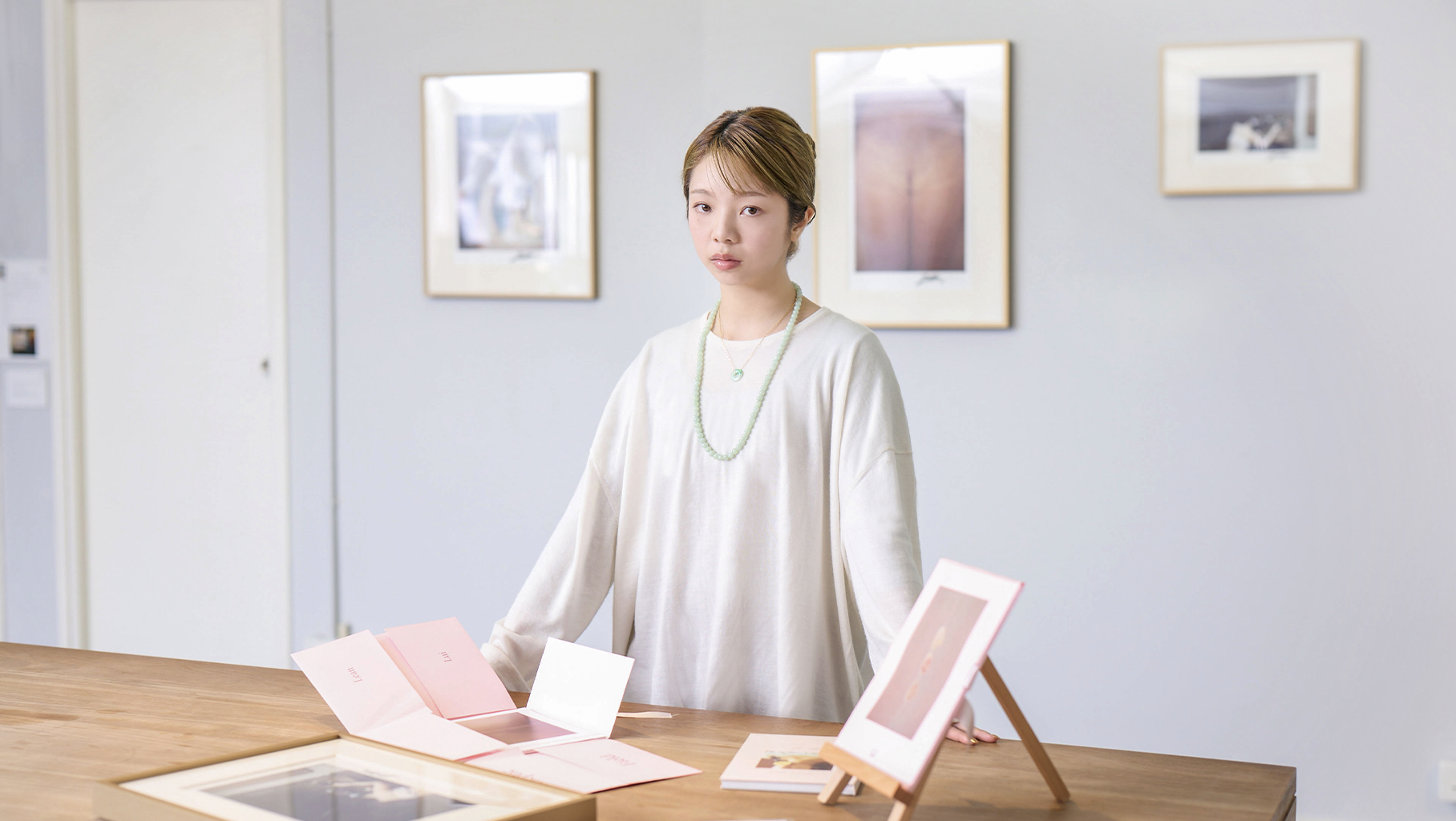
<She Remained>(珍珠母 少女志), Solo Exhibition, PETITREE, Shen Zhen, China 2026
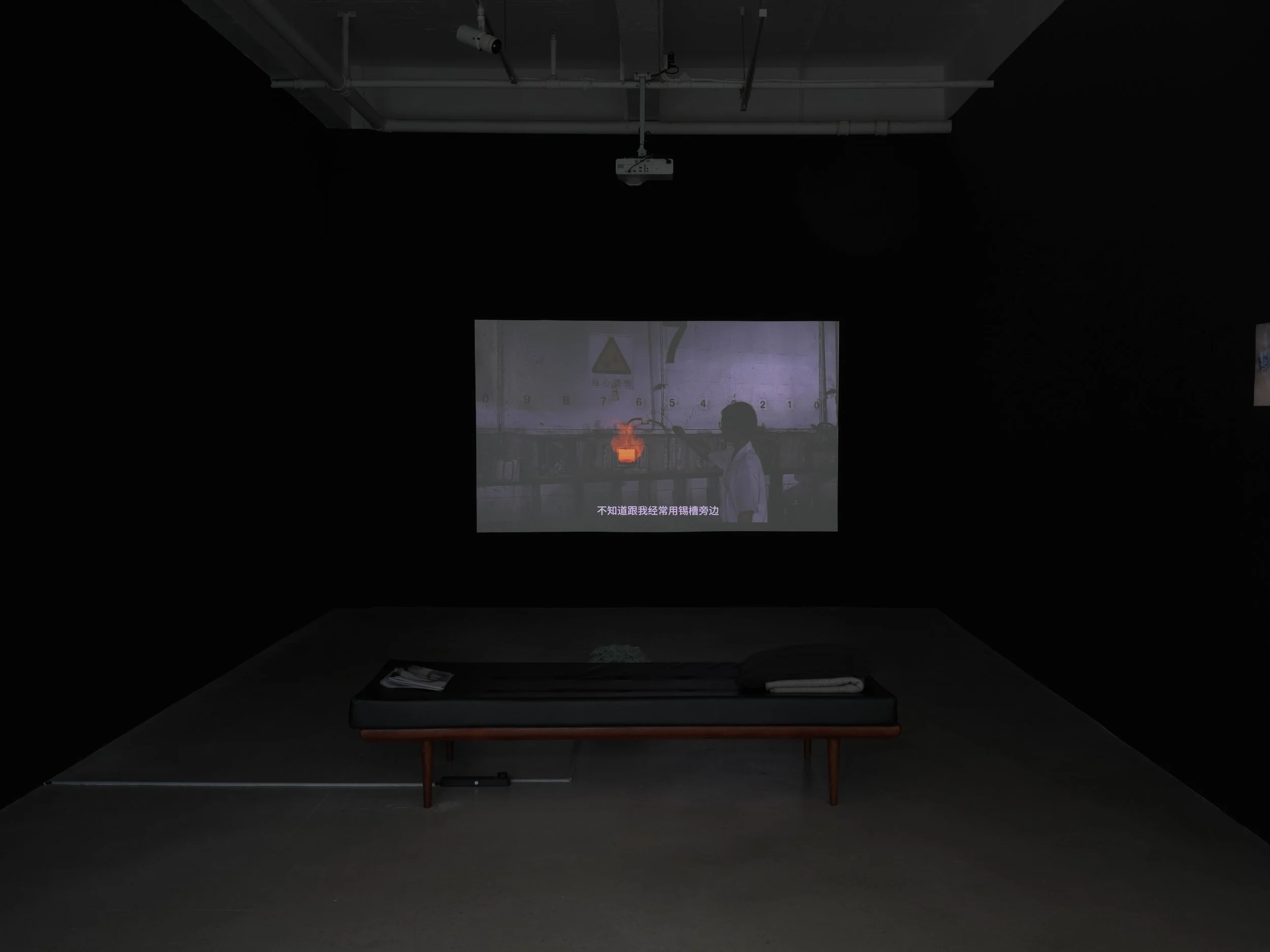
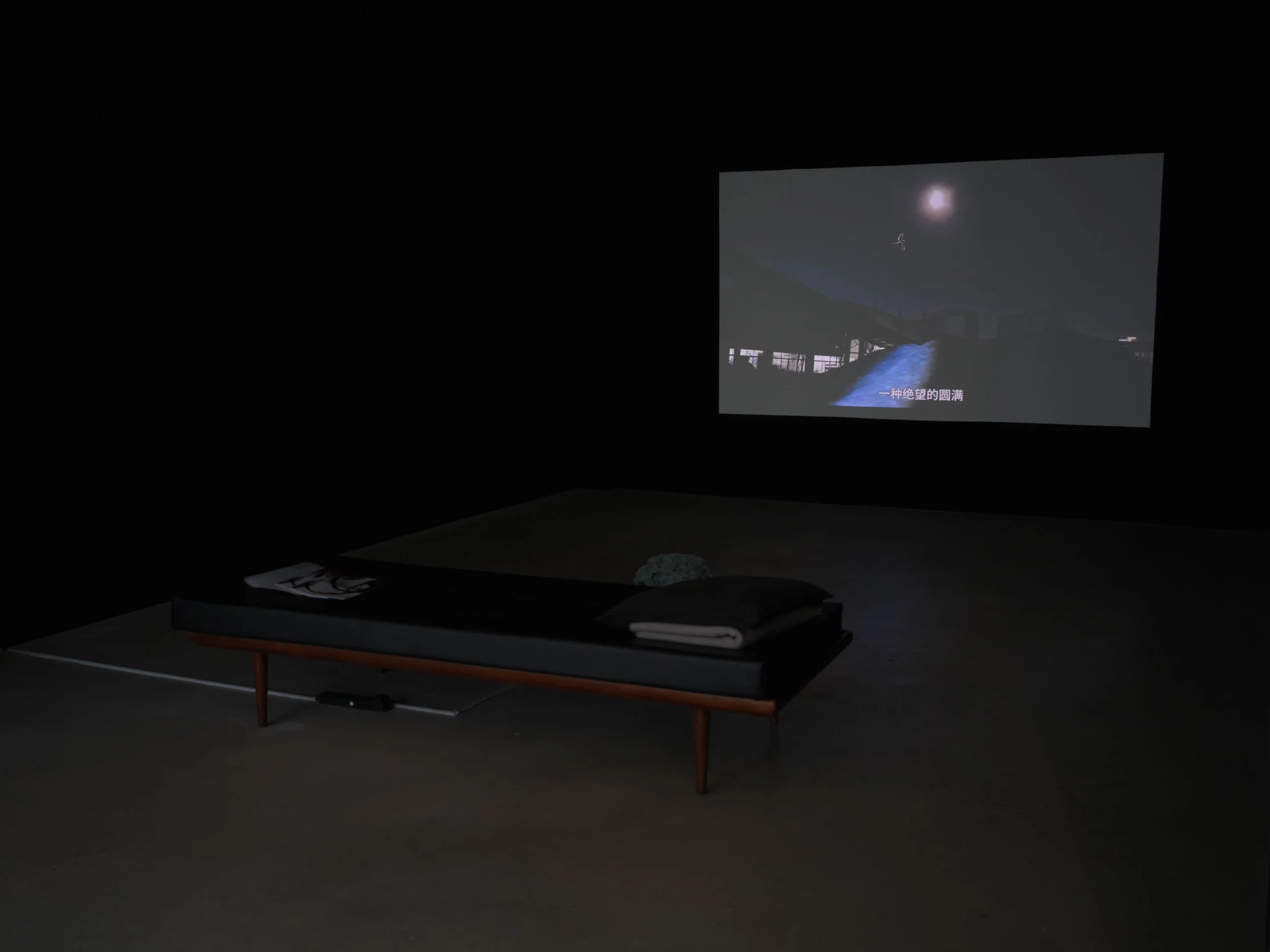
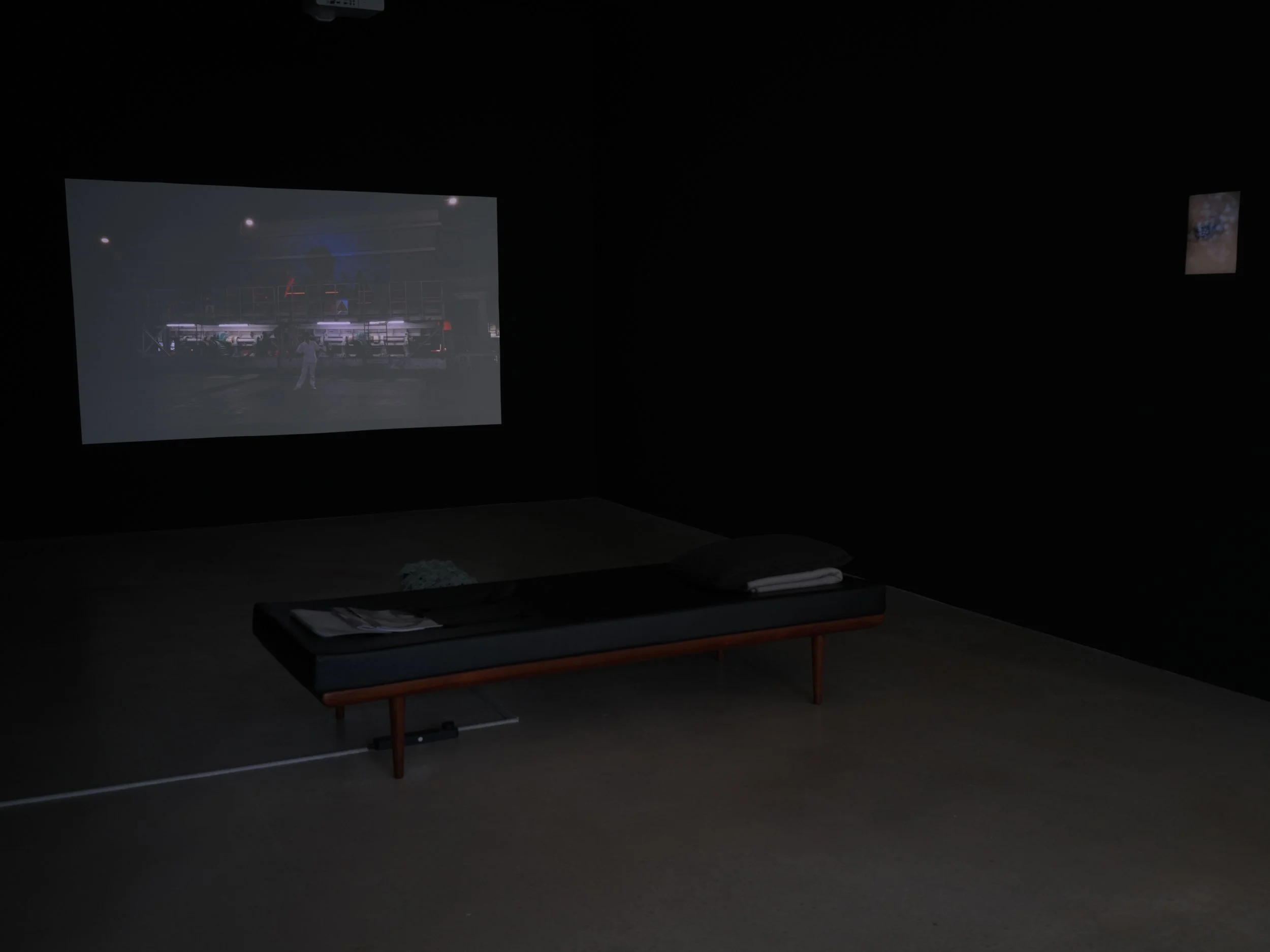
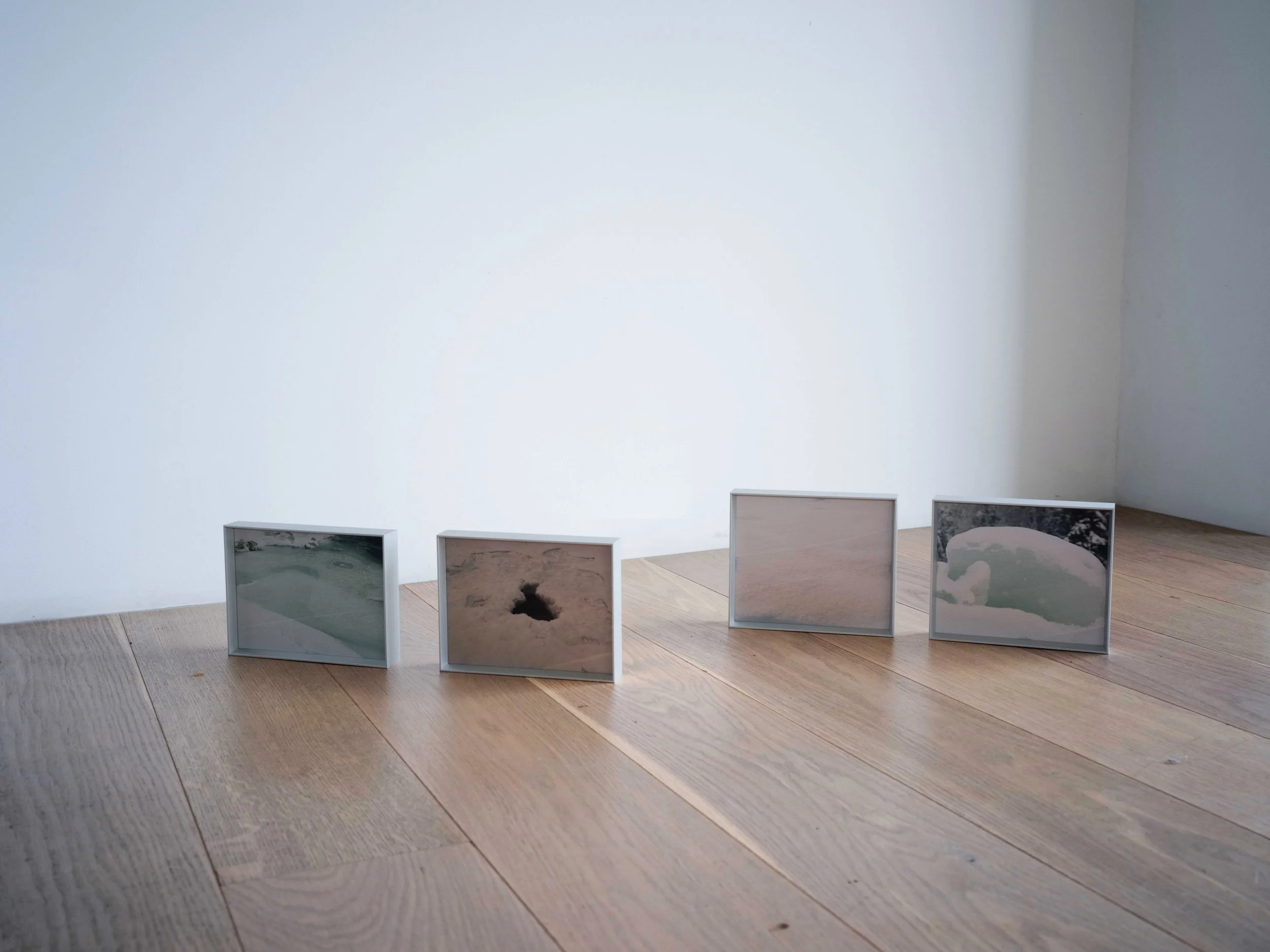
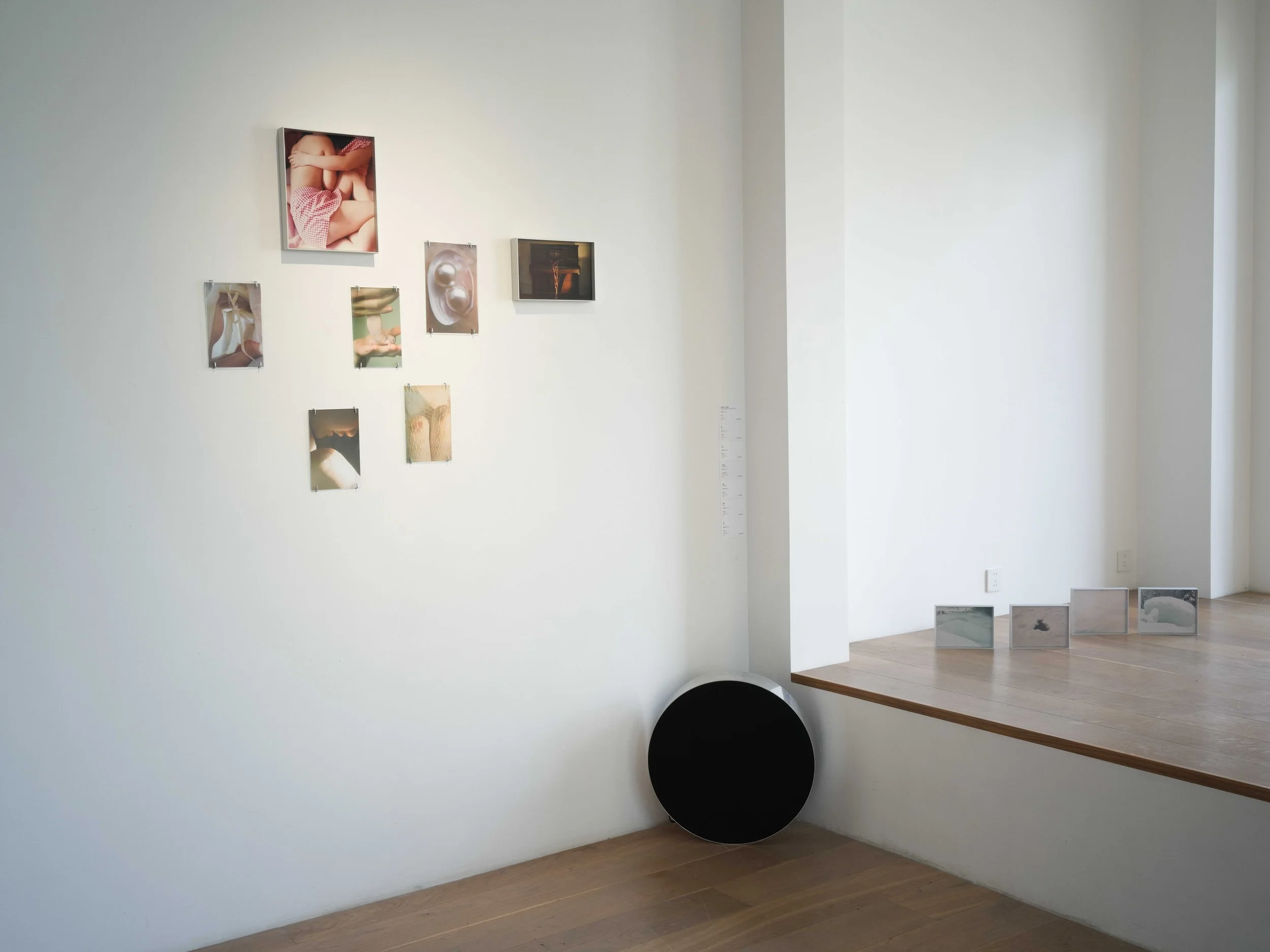

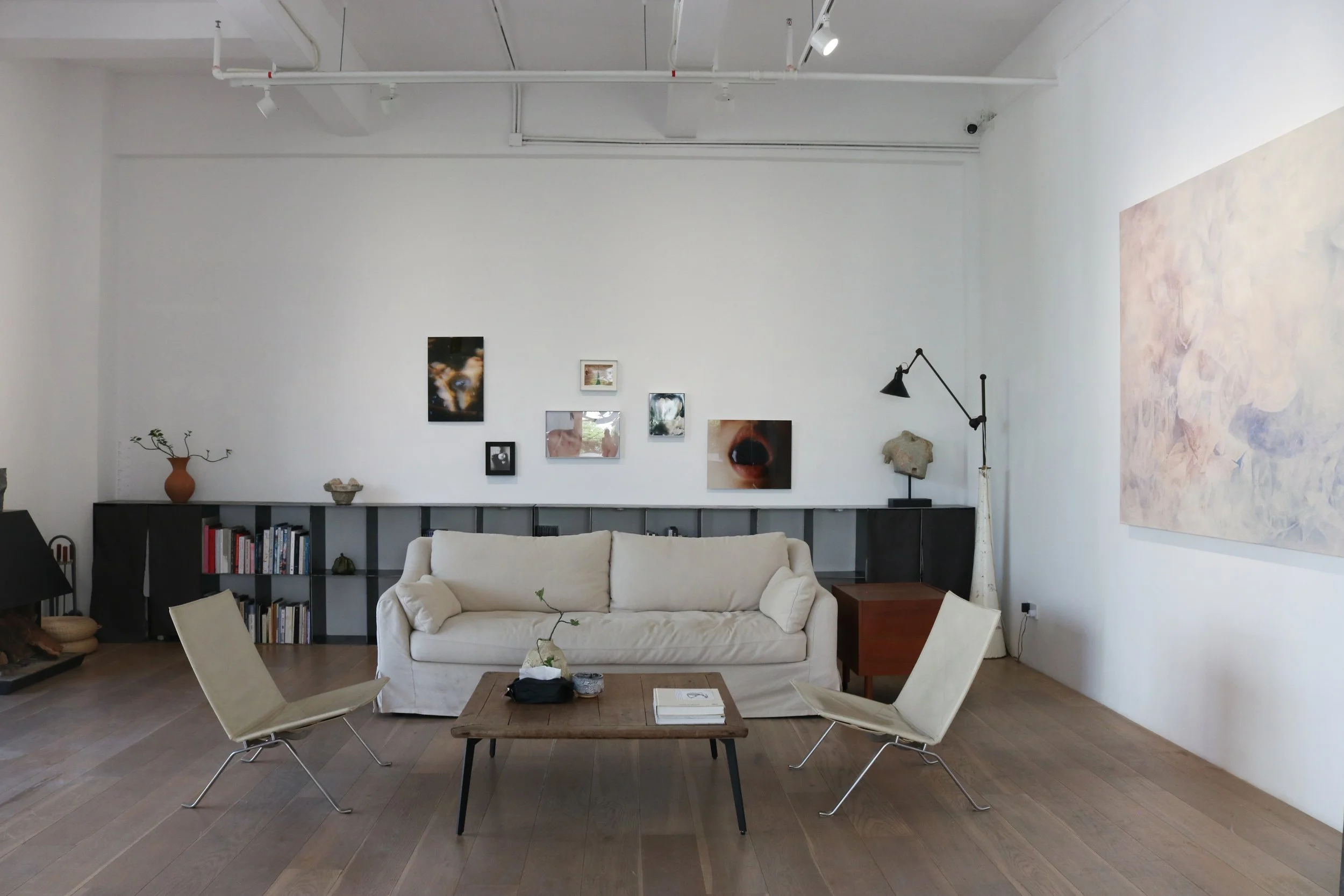
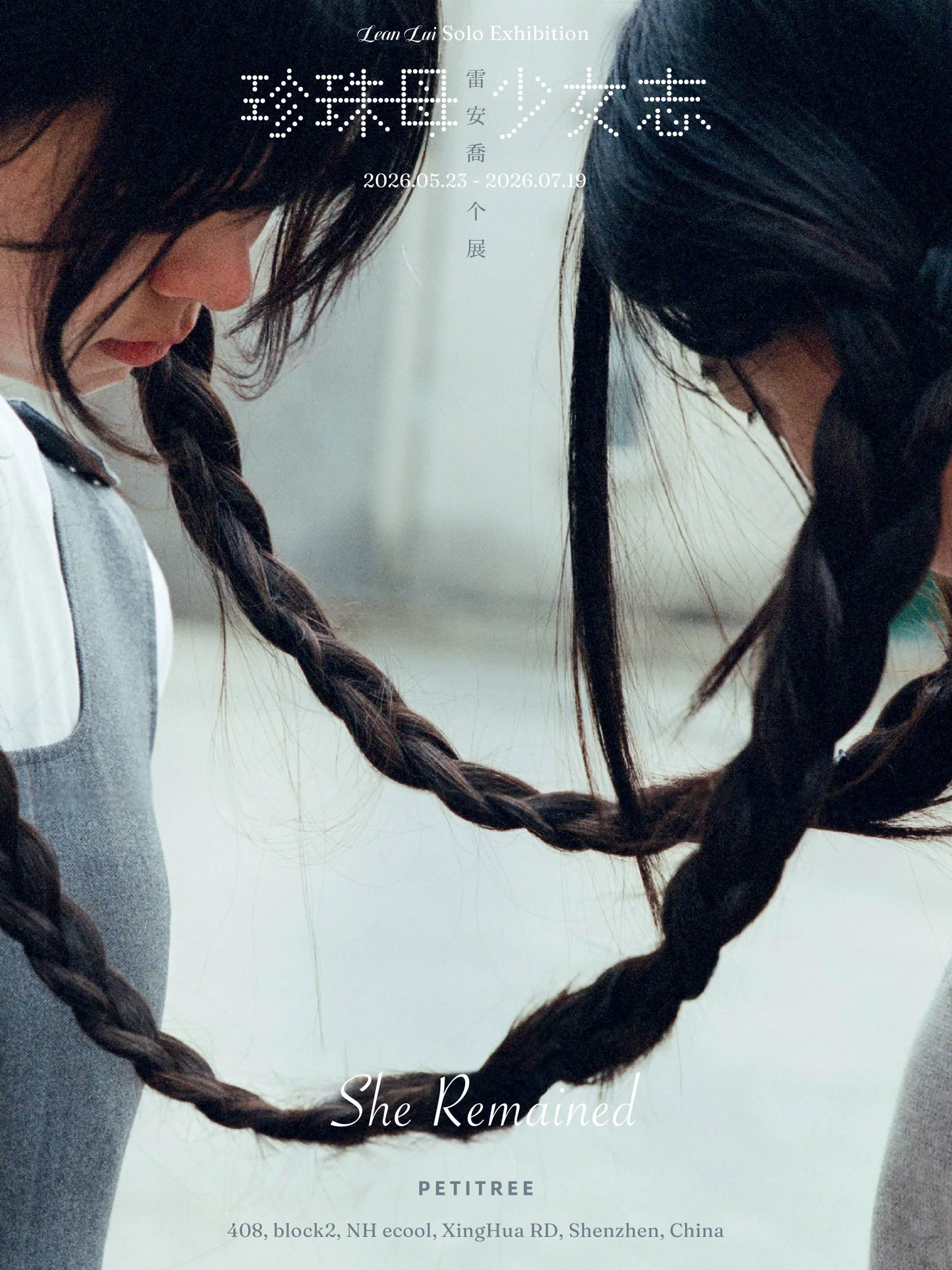
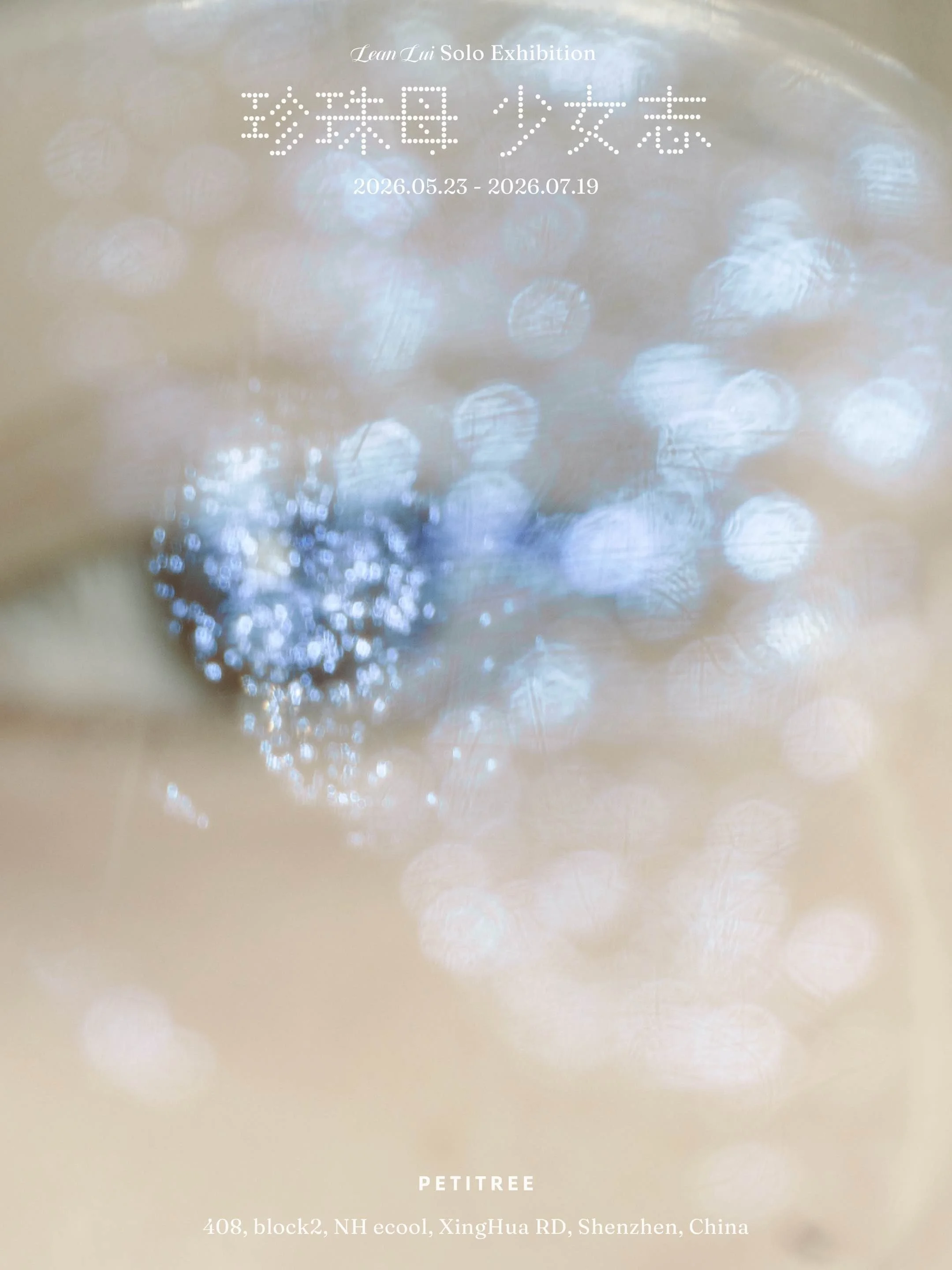
珍珠母,少女志
Lean Lui 個展
有一种过敏,找不到过敏源。它在胸腔里闷着,在每个毛孔里发酵。雷安乔在她的写作里描述过这种感觉——当谎言在场,她的身体先于意识知道。这或许是理解她的图像的一个入口。
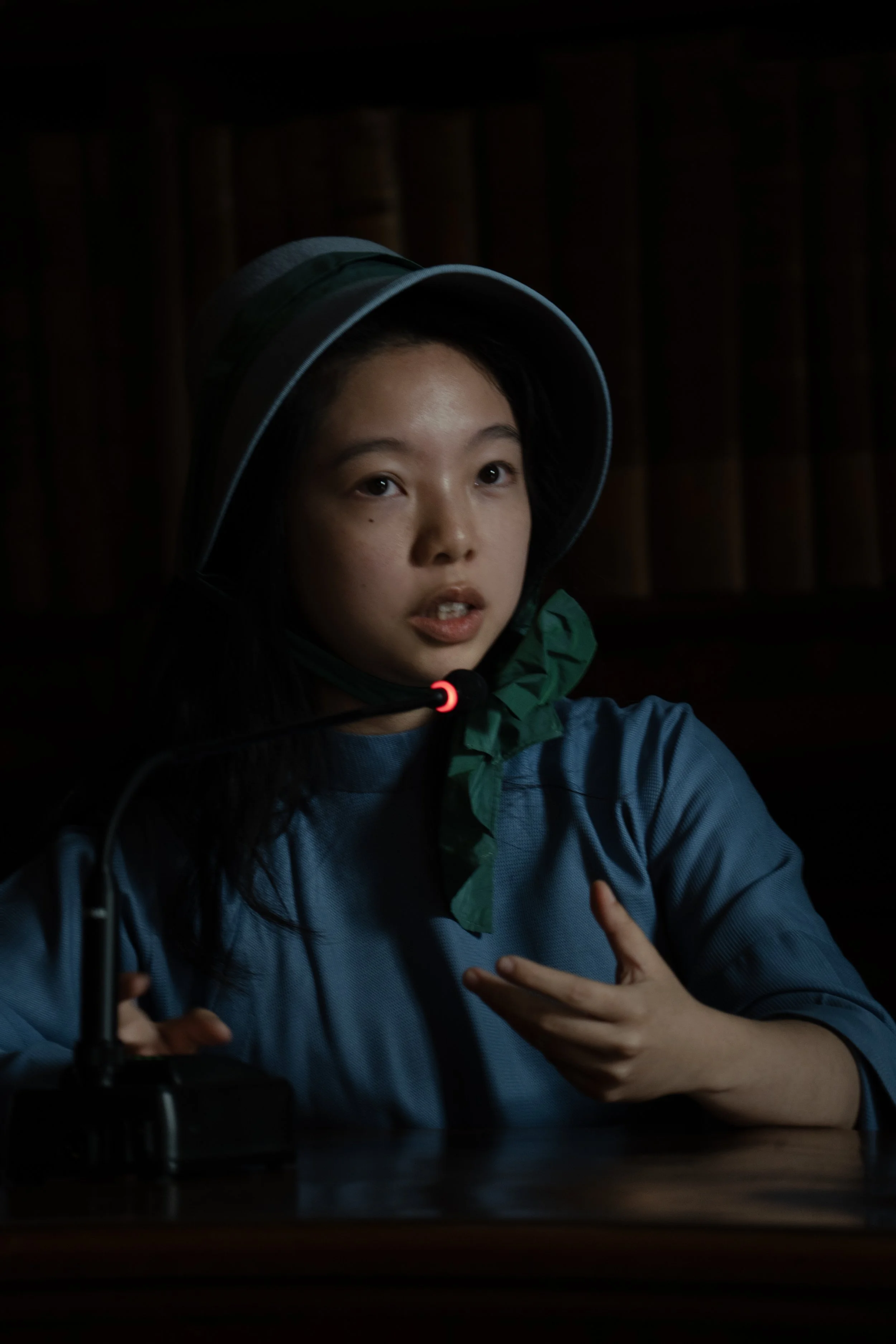
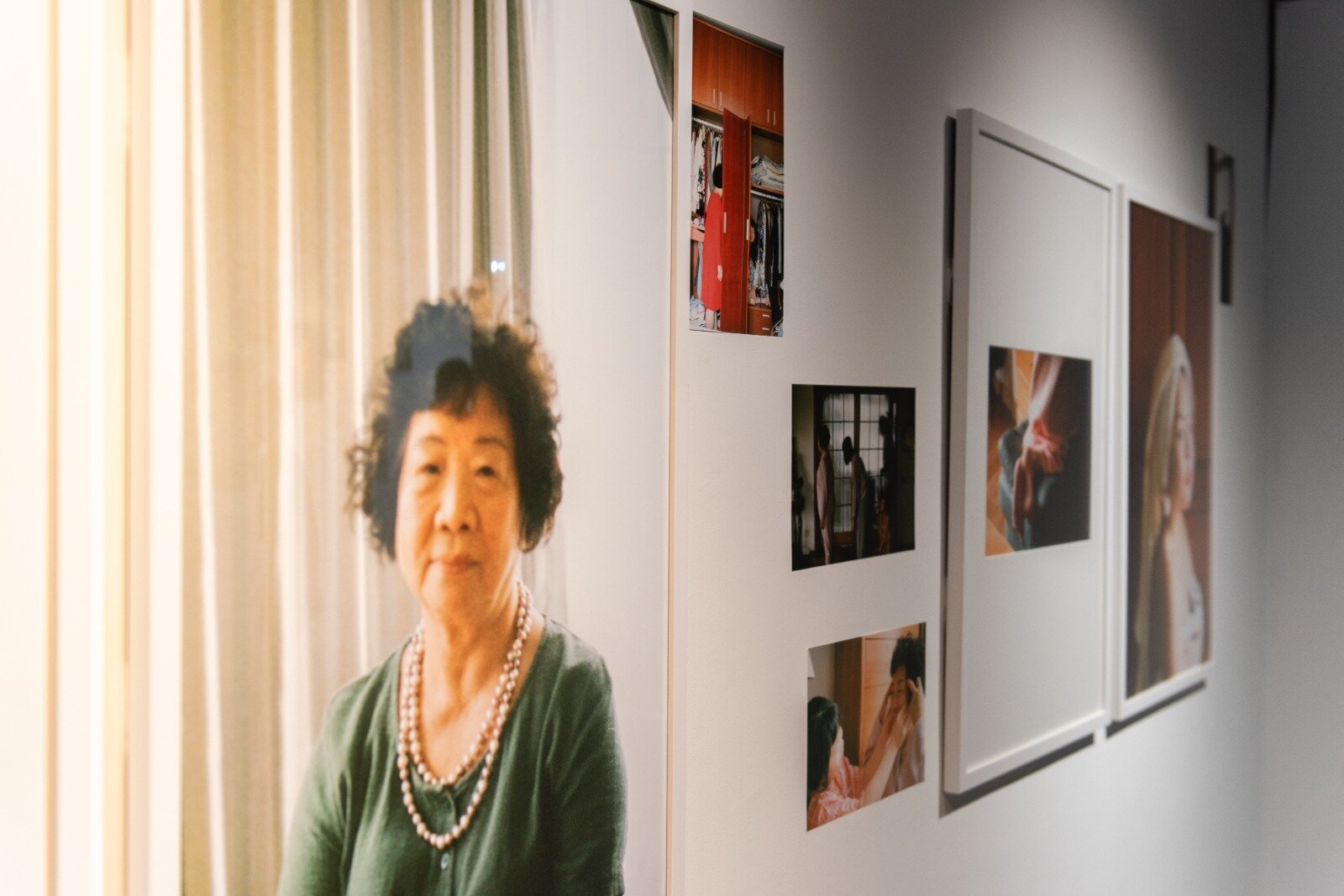
「人不可能同时拥有青春和对青春的感受」——这句话在她身上不成立。她说,她同时拥有青春和对青春的感受。童年一直都在,只是以前的衣服穿不下了。这个错位,不是怀旧,是一种持续的清醒,是她所有作品的内部张力。她拍摄女孩,但那更像是自我凝视——那些身体是她的投射,那些处境是她认识的处境。她让女孩们从自己的衣柜里找衣服,像童年玩过家家那样。衣服在她的作品里从来不是装饰,是身份,是意识形态,是一个人主动选择站在哪里的证明。
在作品《蝴蝶结》里,女孩把头埋进缝纫机,看不见准确的面孔,头发上缝着一个蝴蝶结。蝴蝶结在雷安乔的作品里是心结和情结——成长过程中有些无法解开的结,将它变成蝴蝶结后,束缚性依然存在,但不能否定它的美。把蝴蝶结缝到自己头上,看似疼痛,其实是知其不可为而为之,是受到外界污染后更加坚定的反应。
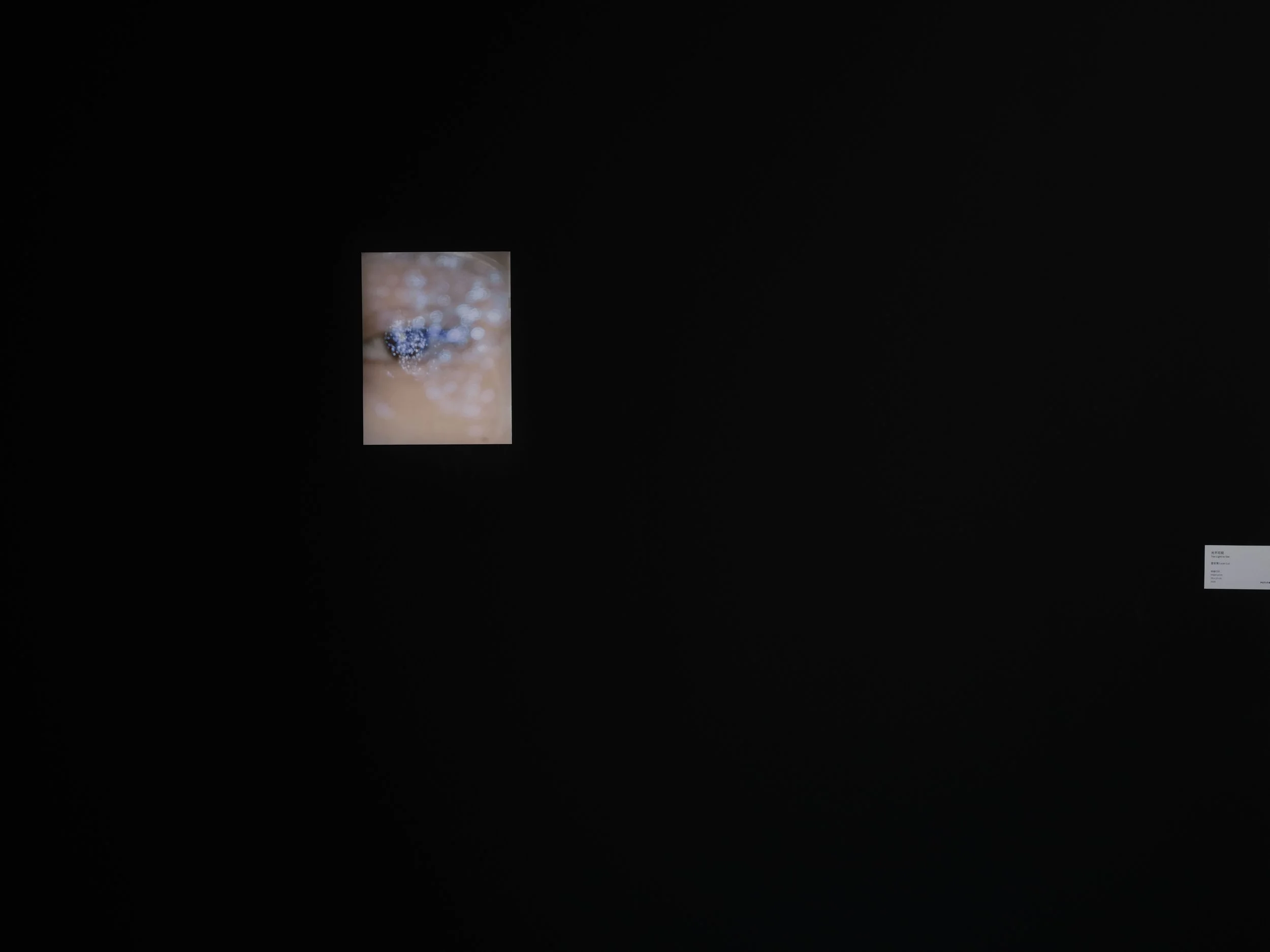
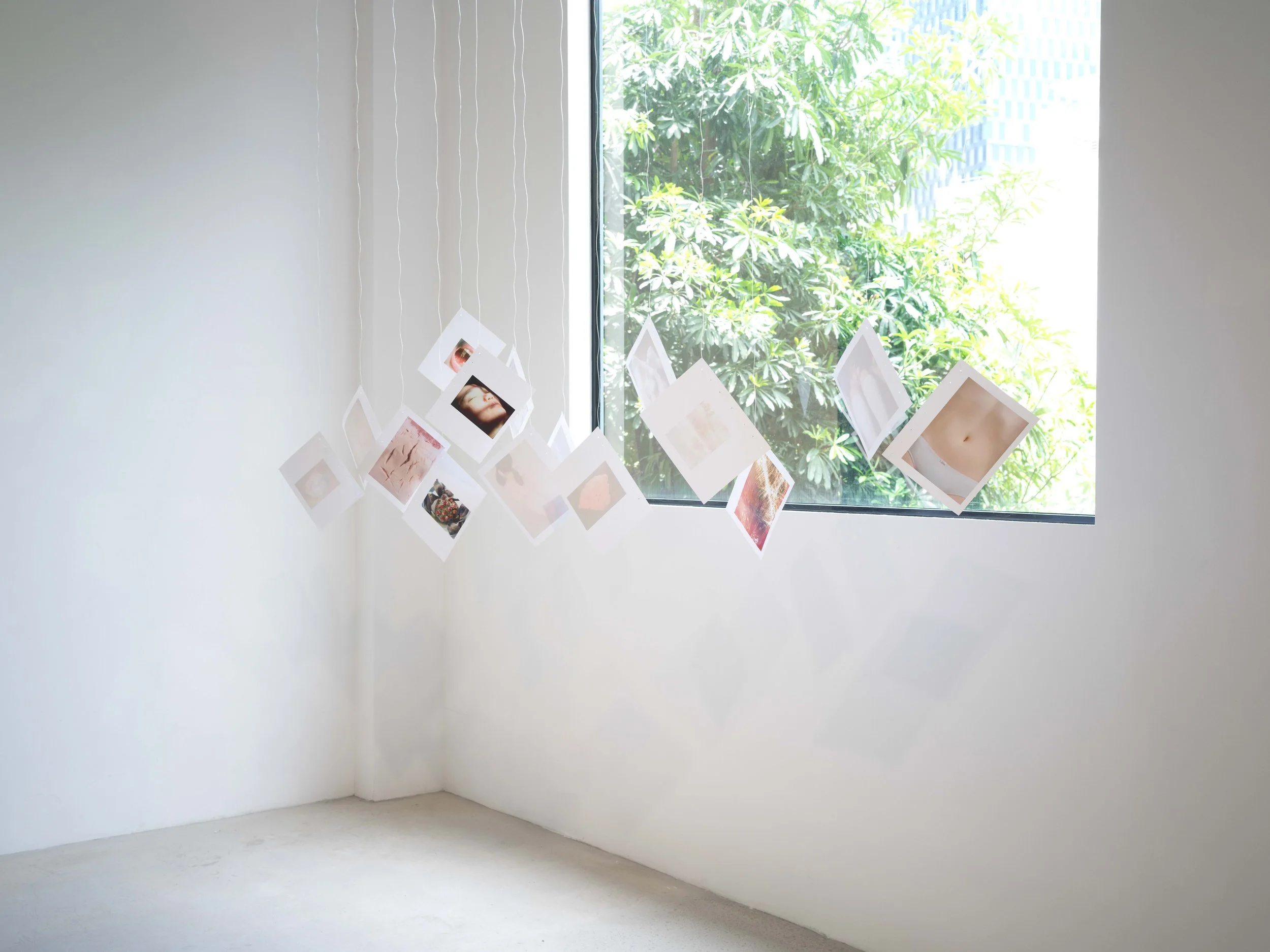
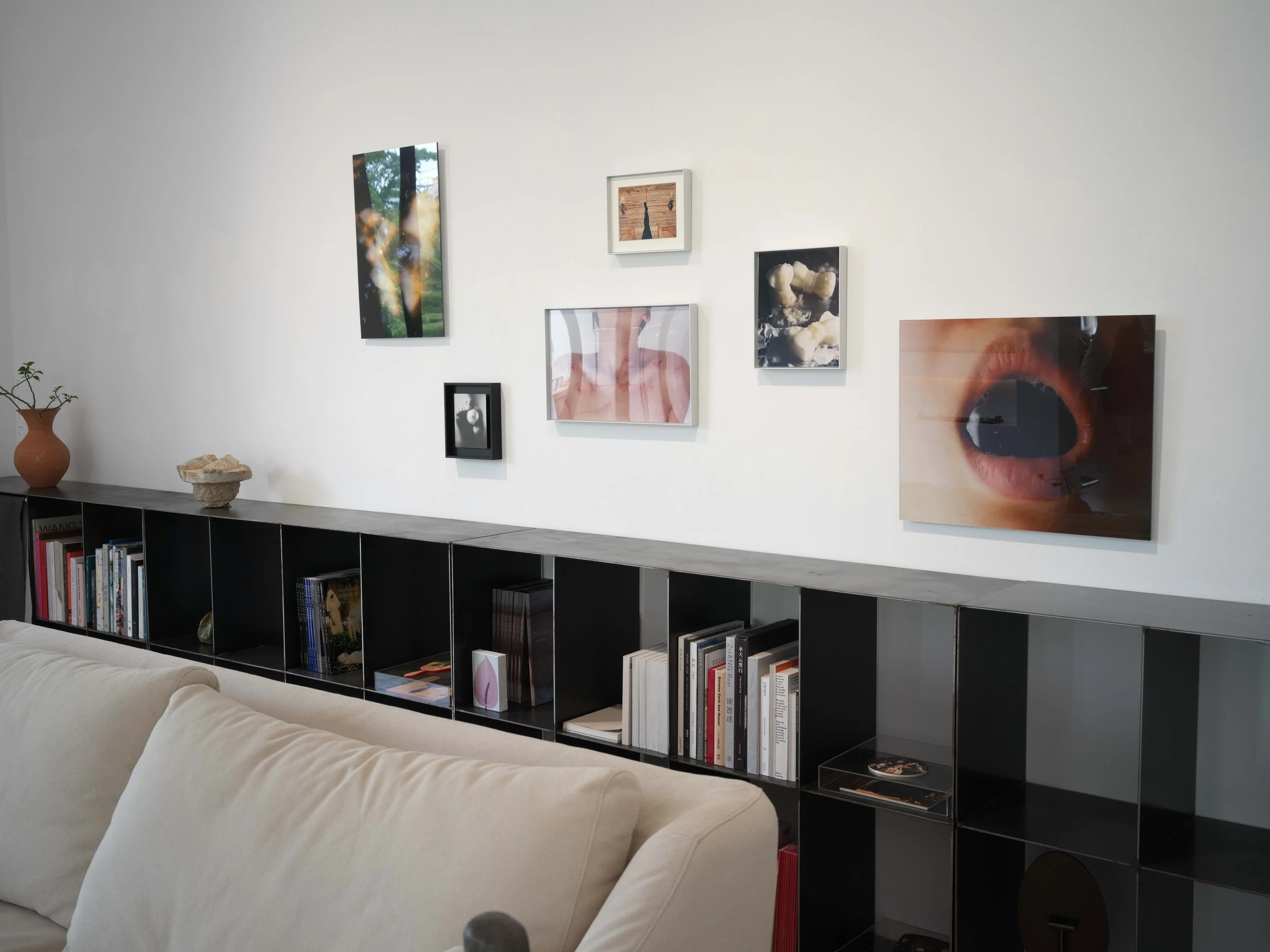
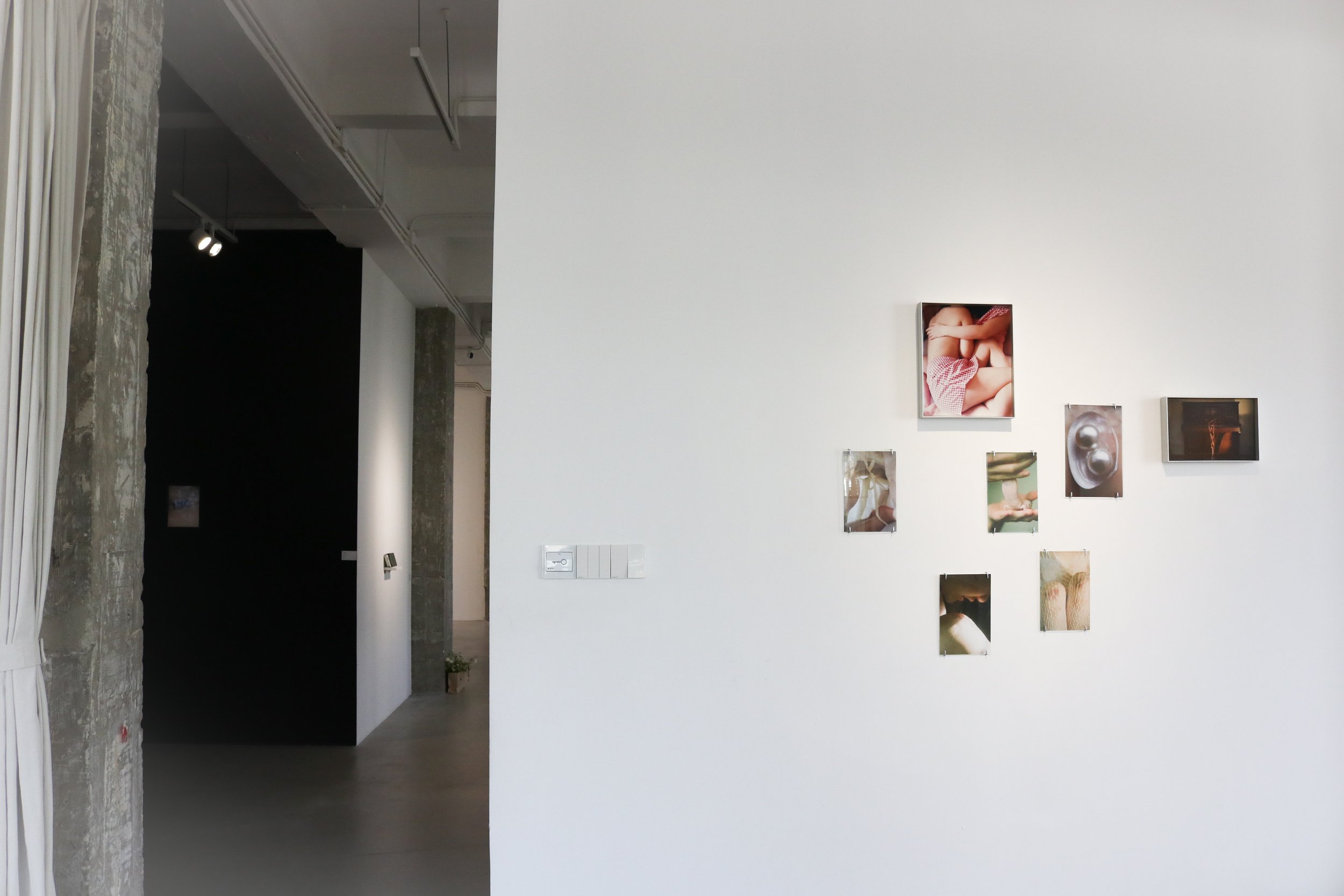
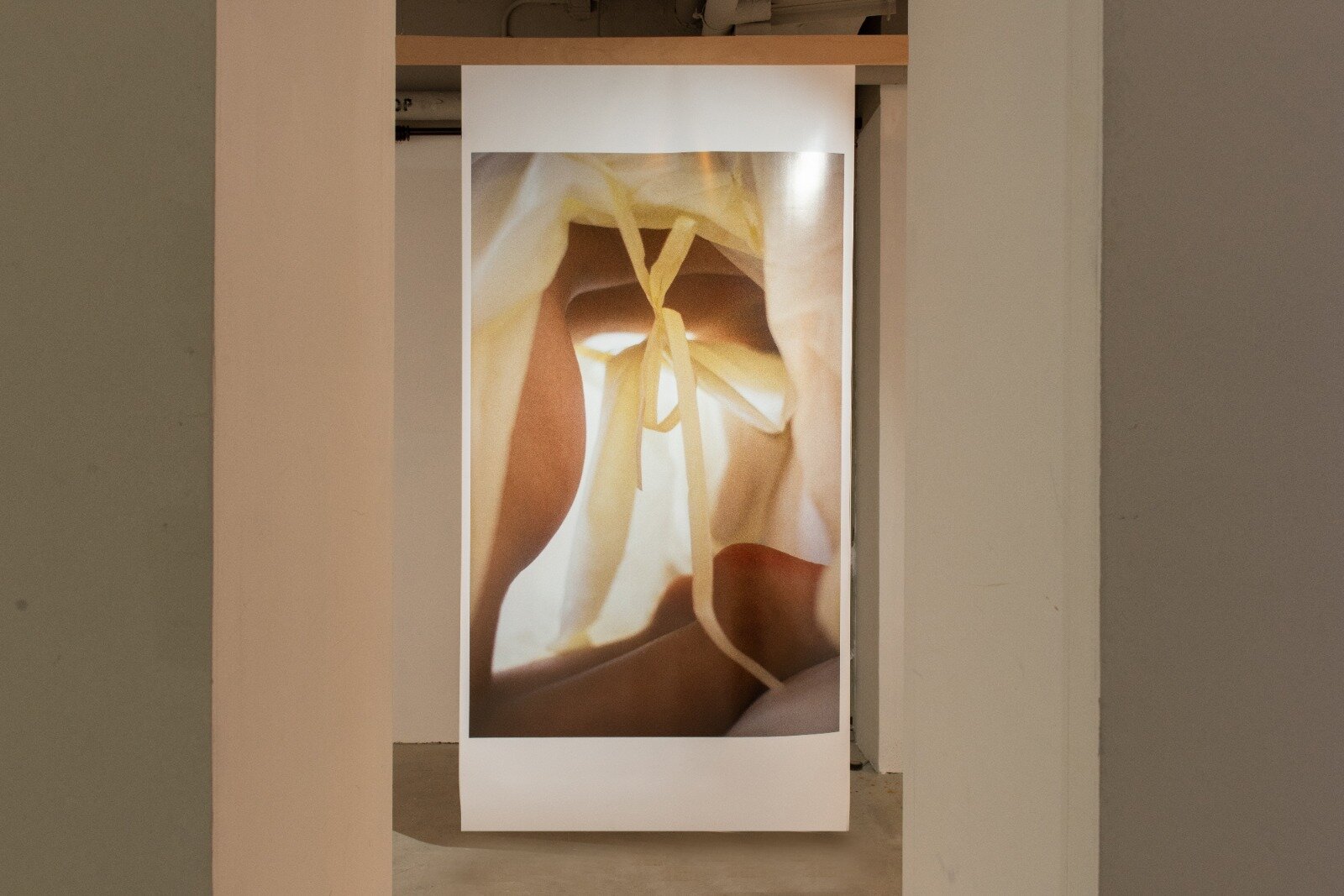
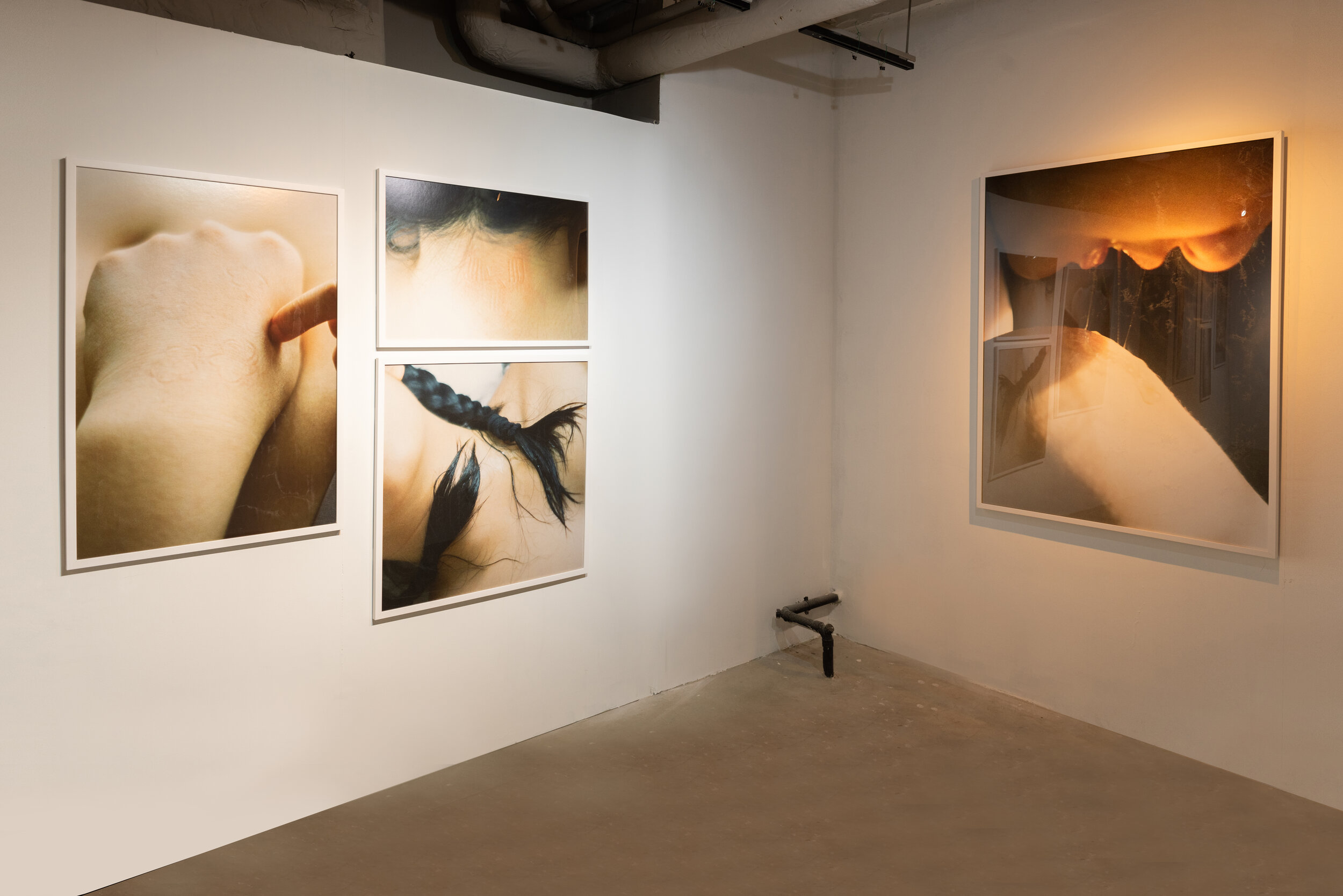
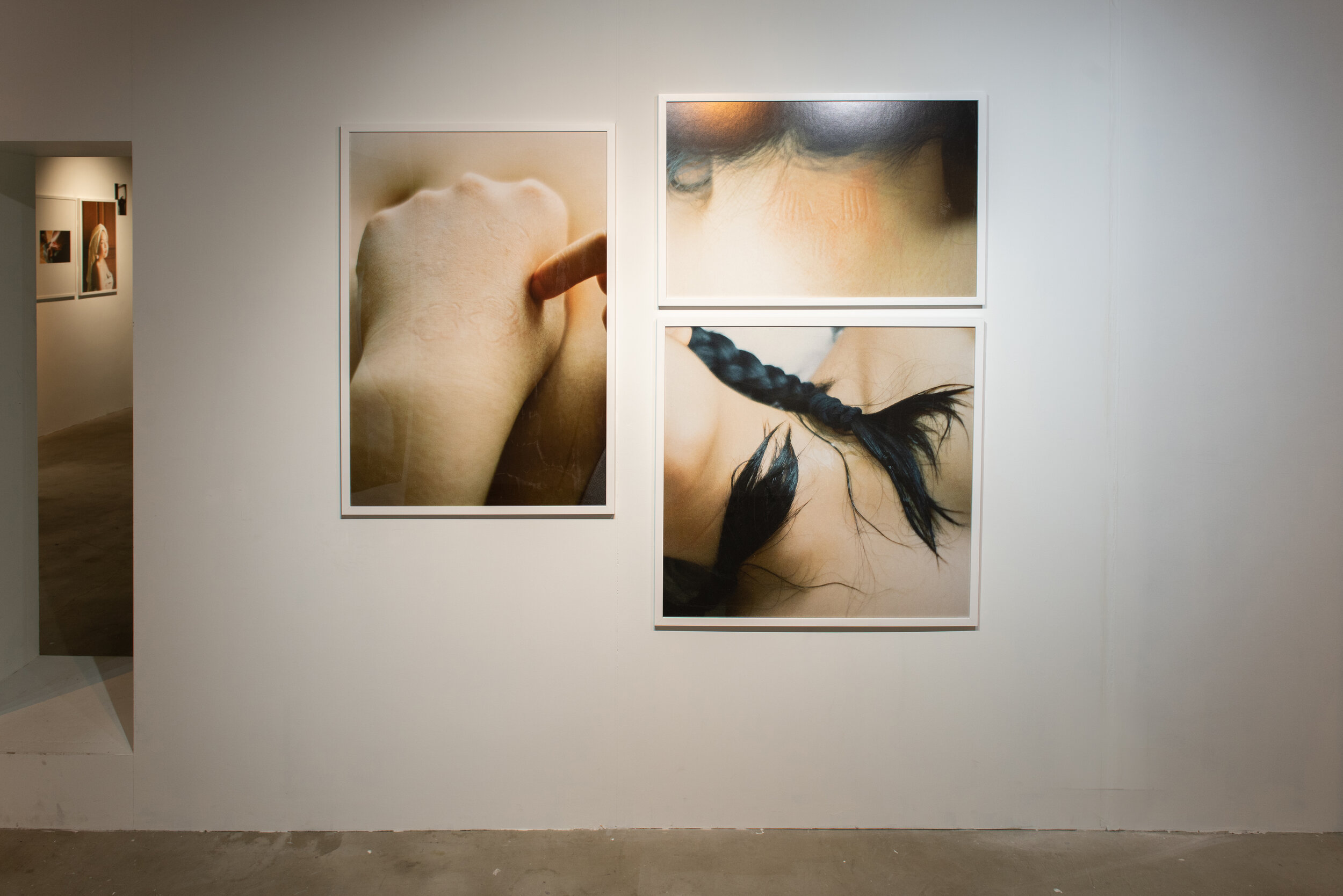
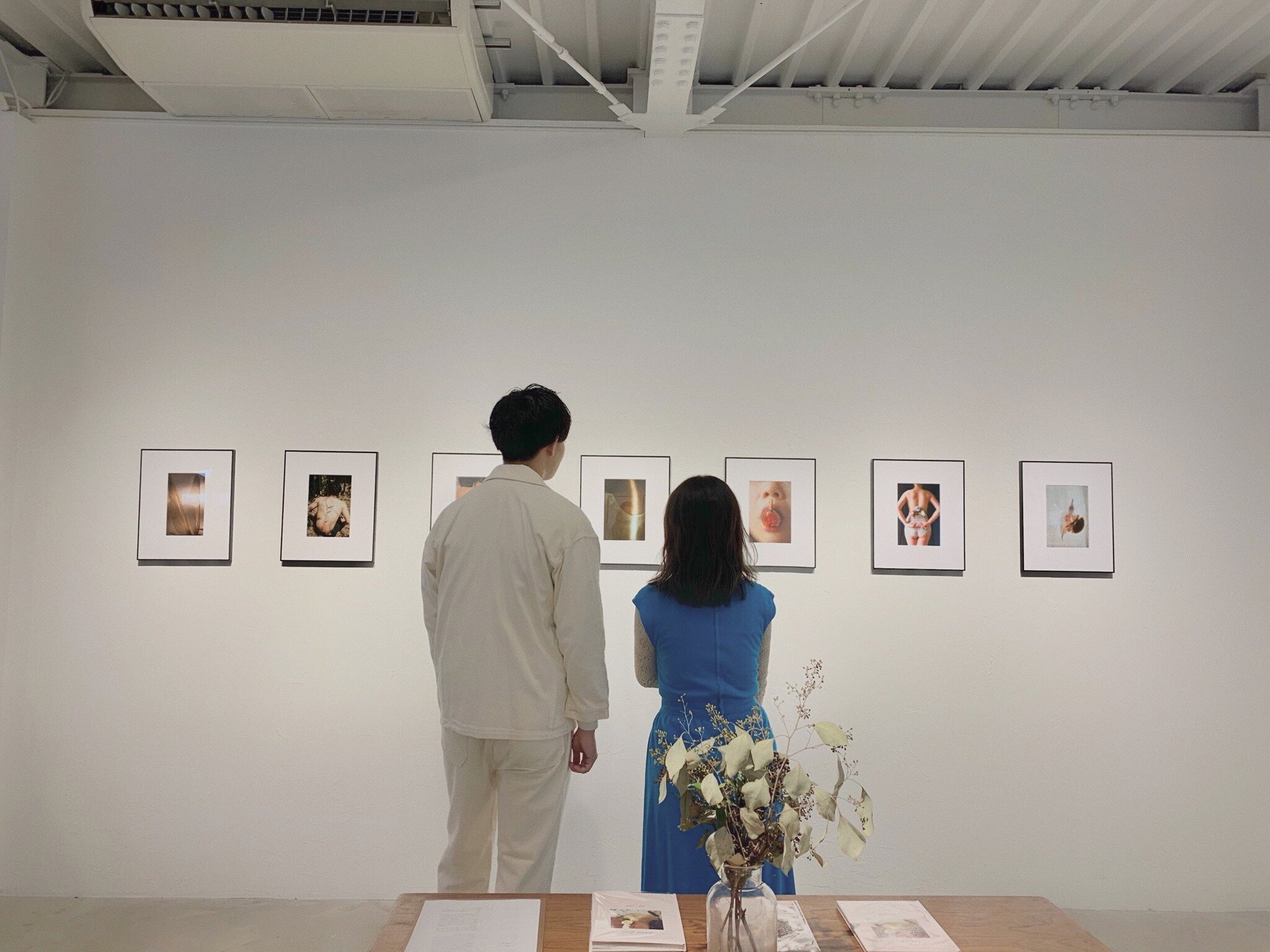
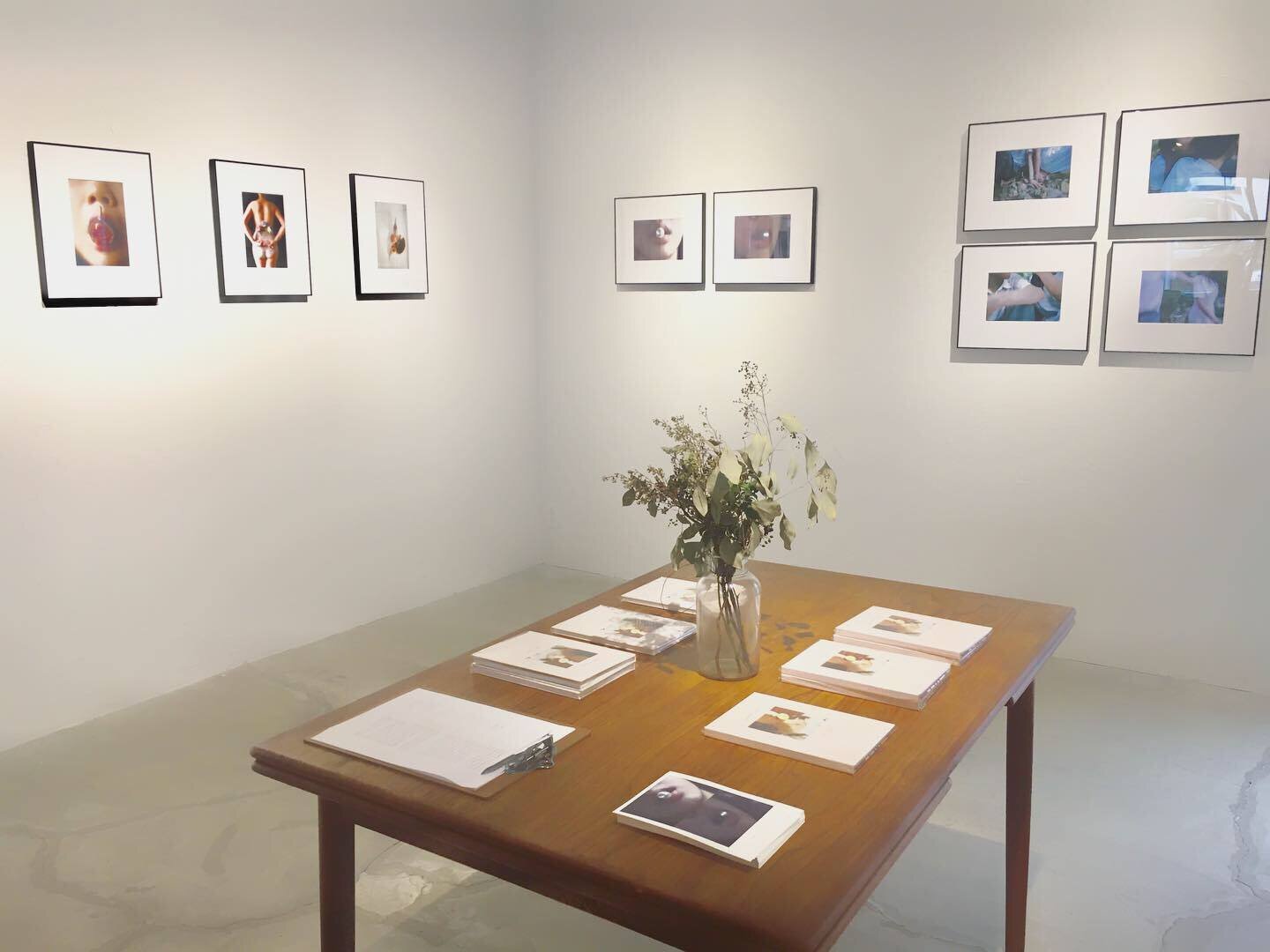
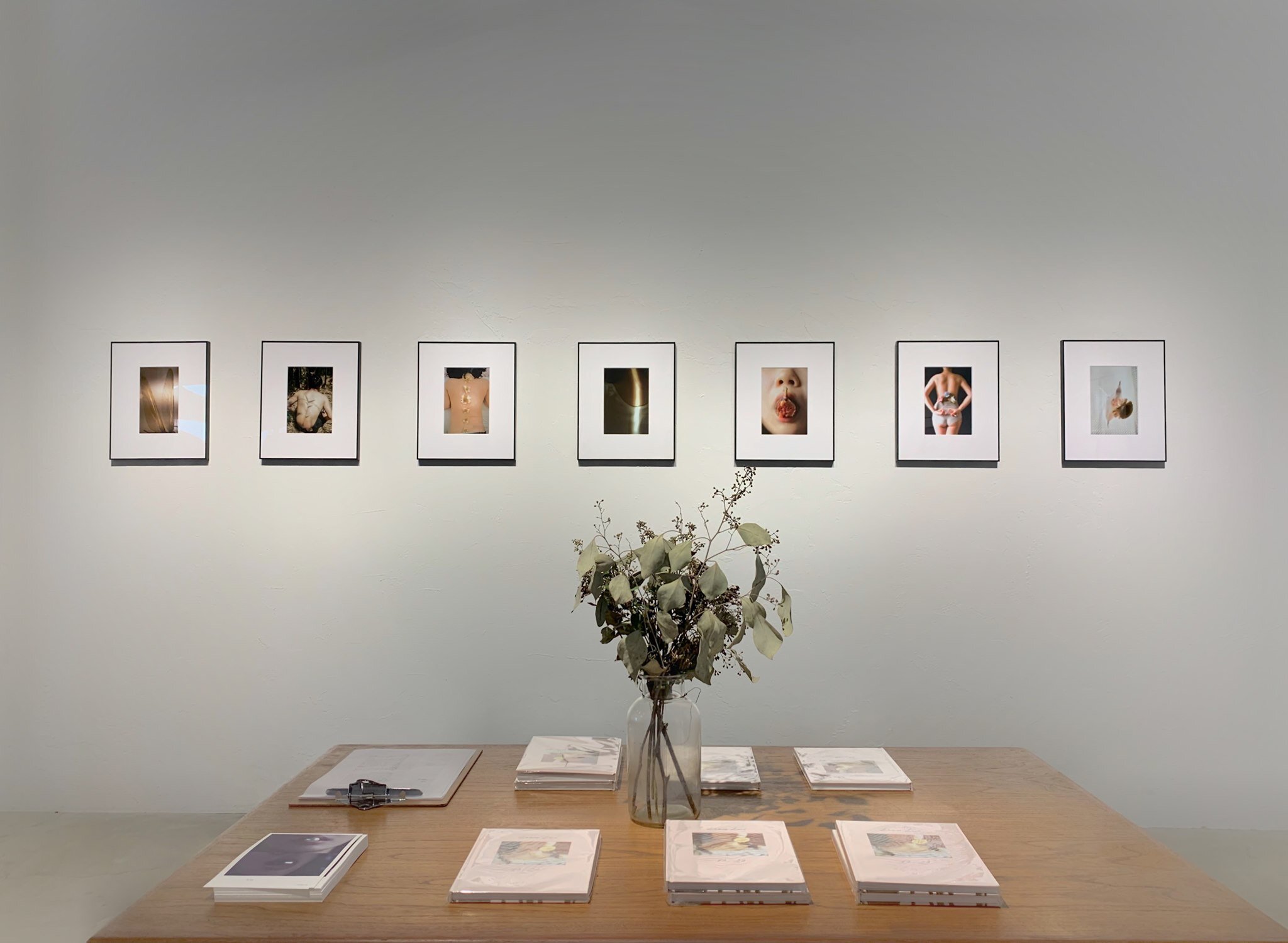
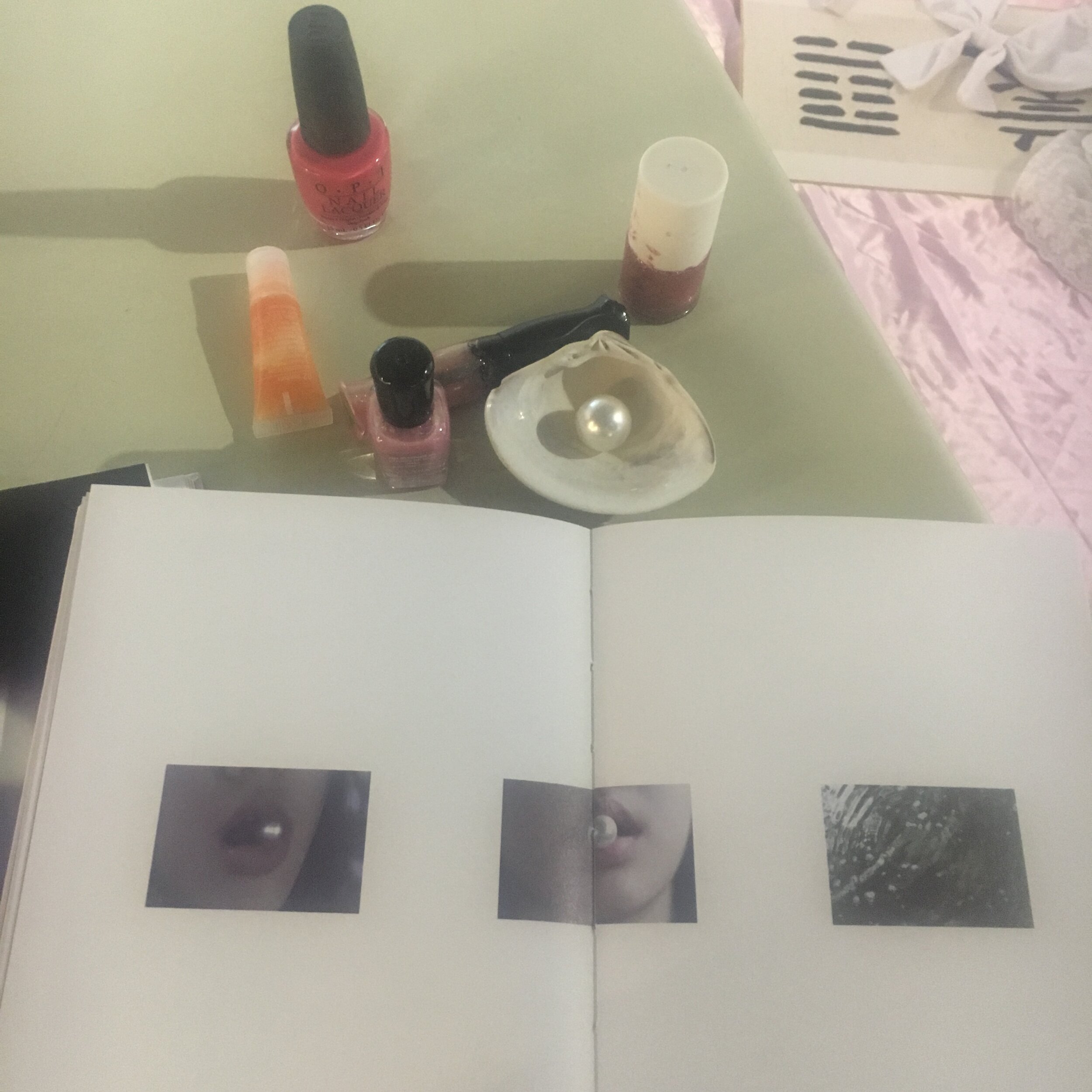
反复生成、积累和叠加是她画面的语言。蕾丝的影子落在手背上,像一张网,网的形状印在皮肤上。白色的一切、珍珠、少女的后背、天使塌在地板上的样子。蝴蝶结压着渔网,玫瑰花苞塞进枯褐的莲蓬,贝壳里躺着珍珠;雷安乔的图像从不做减法。珍珠母,是那层让珍珠发光的物质,也是雷安乔的母题。
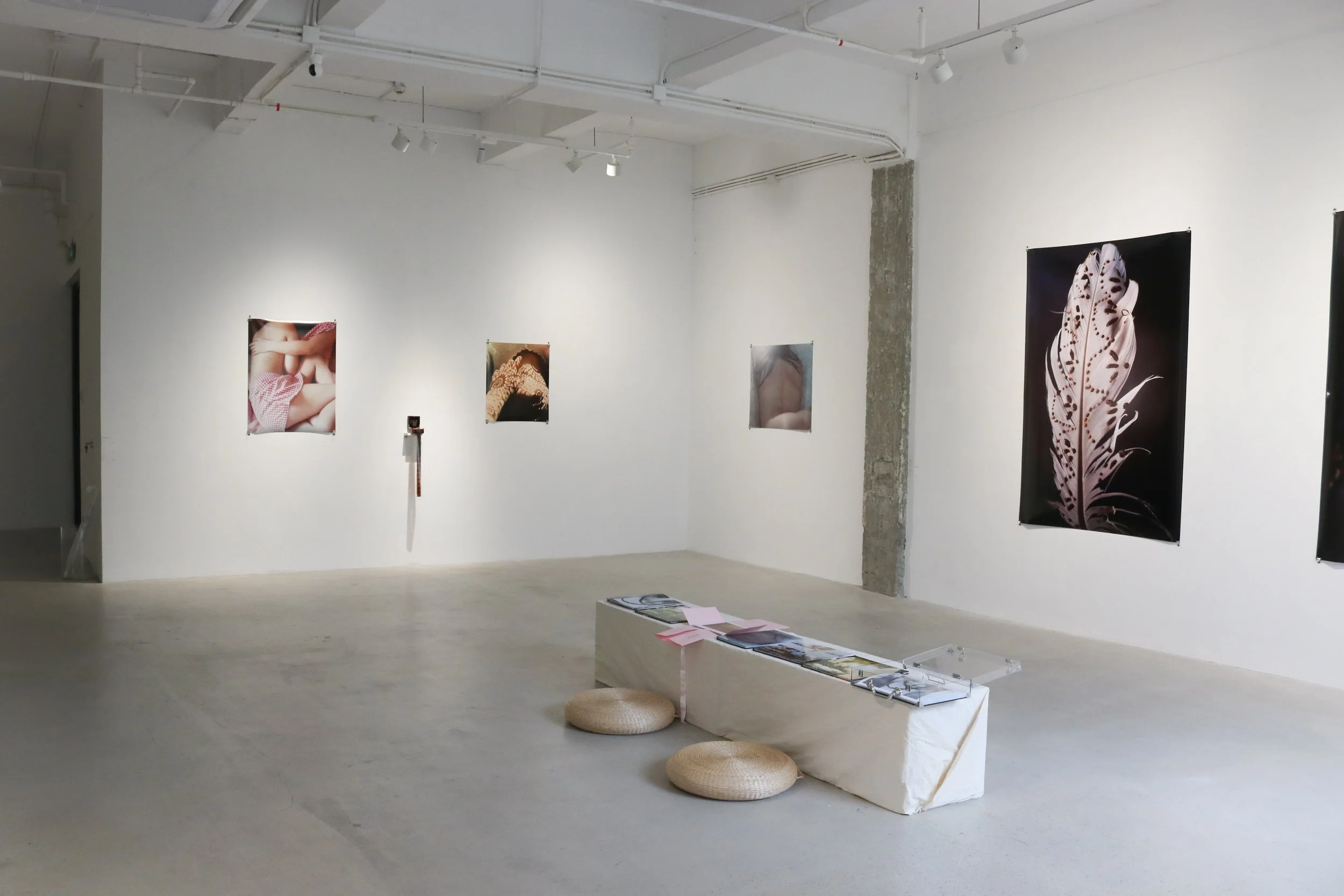
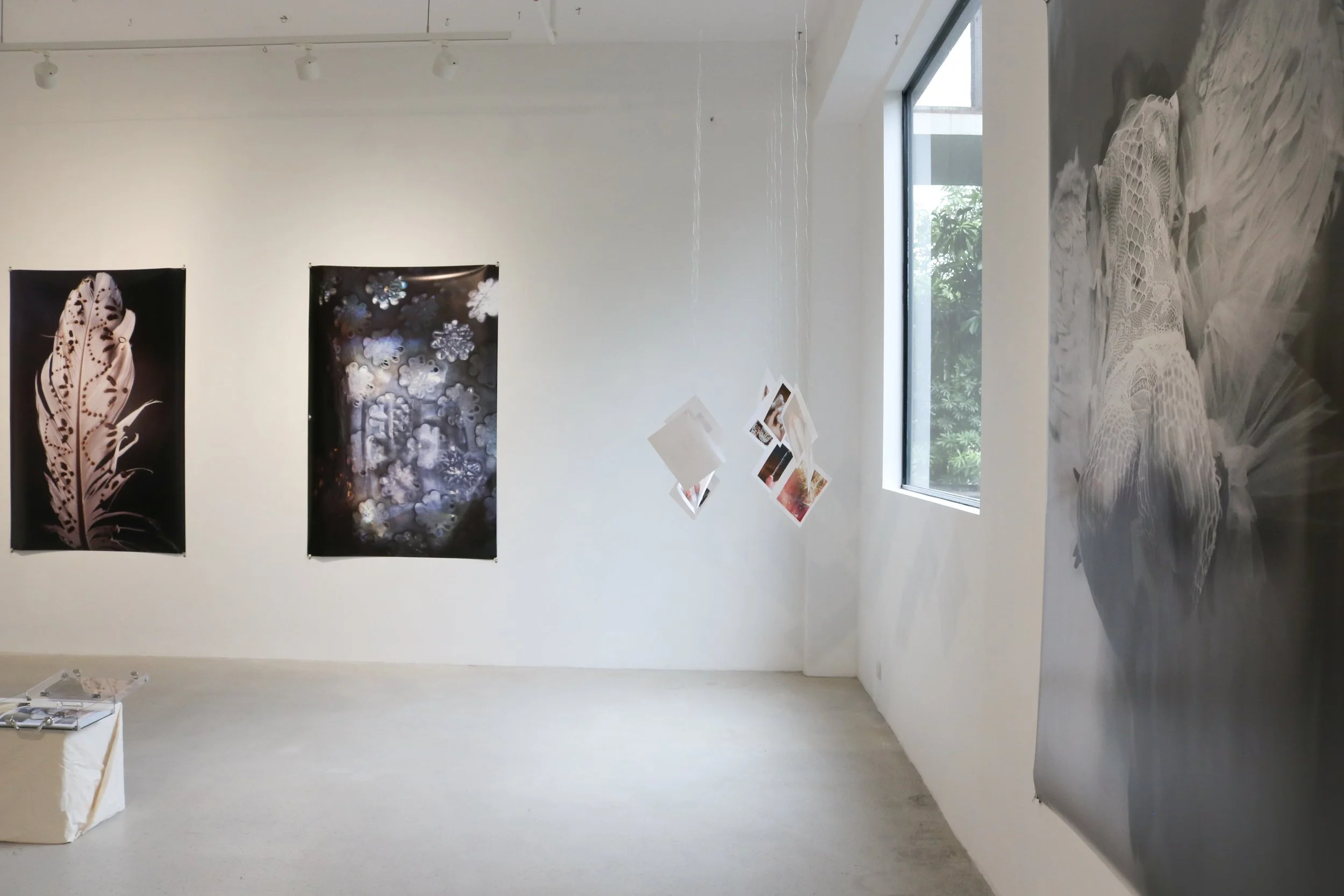
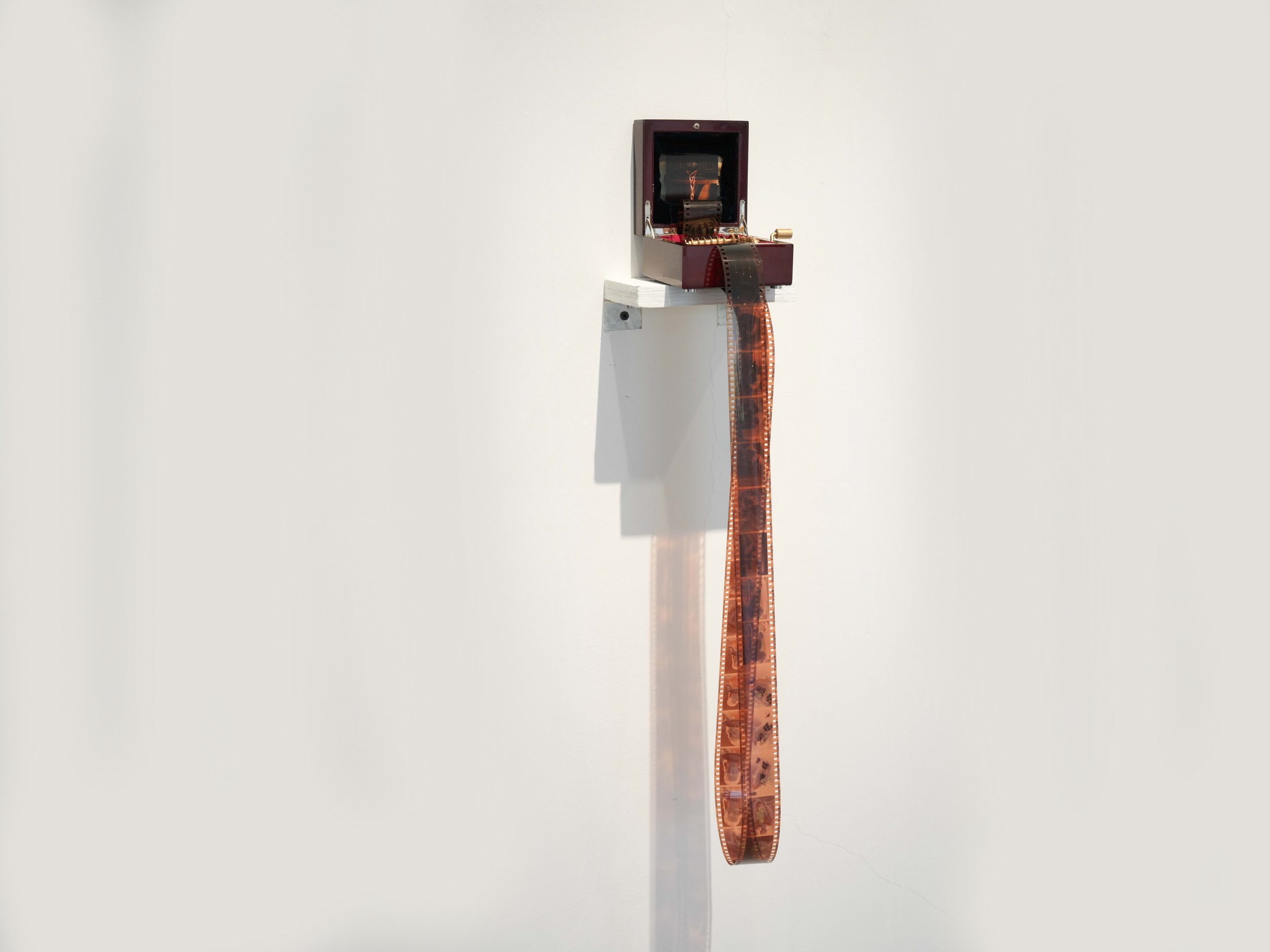
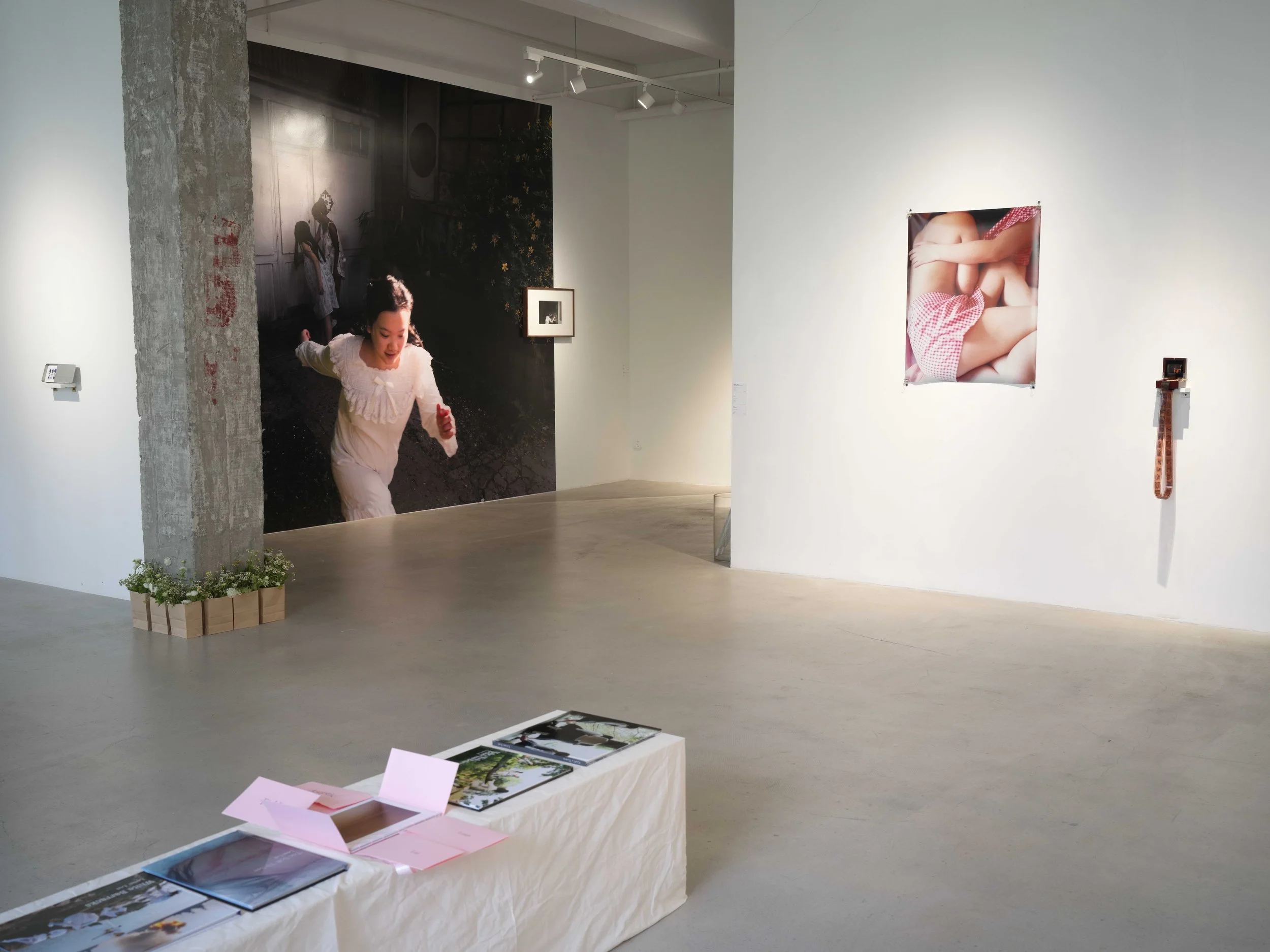
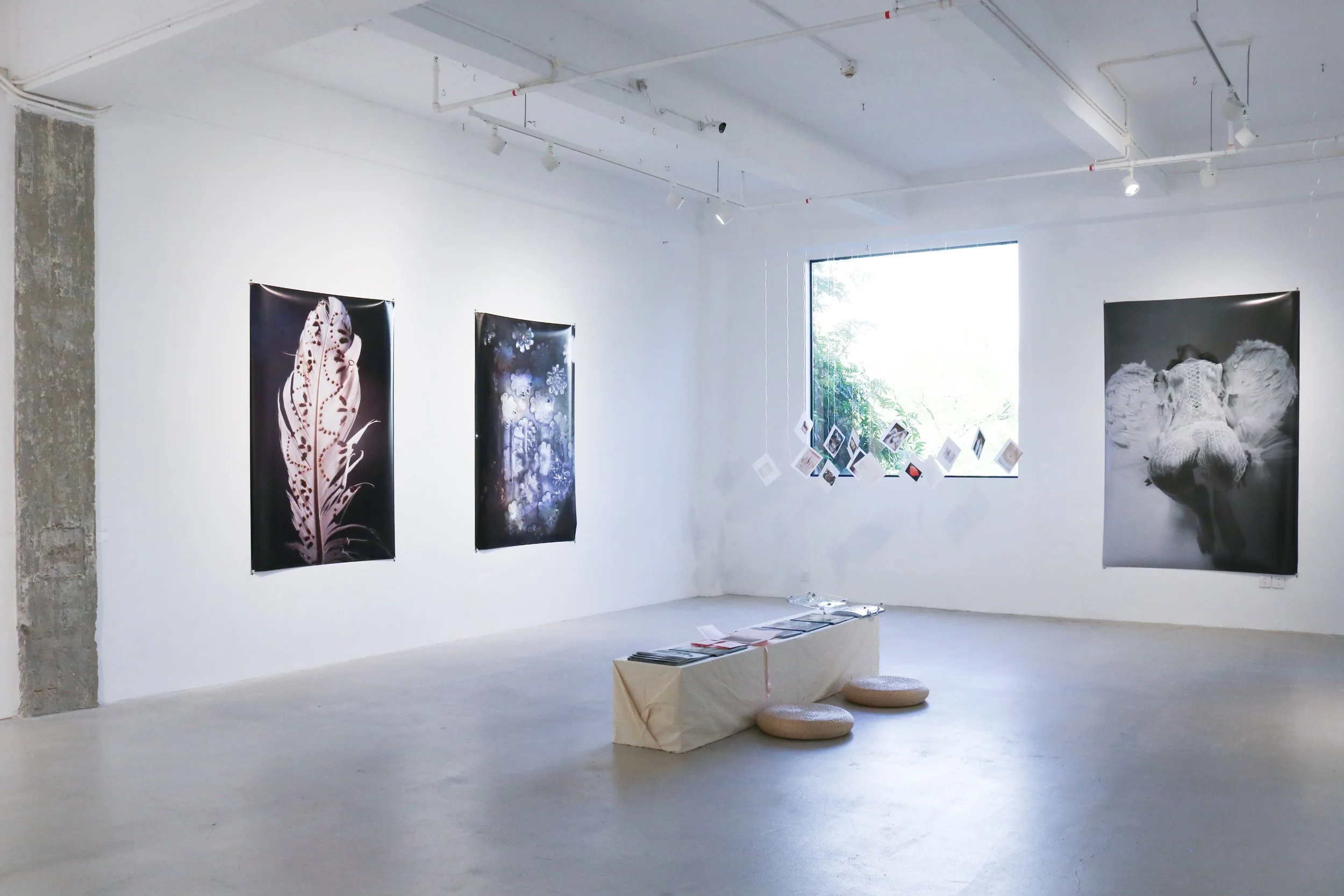
展览中还有两件并置的作品,一副羽毛,一副繁复空灵的虹彩图像,羽毛的空洞是被藏香烫出来的。雷安乔的家几乎每天点香,香座是一块大贝壳,上面积累着香灰和溶蜡——那是每次许愿留下来的,信仰的痕迹。她觉得信念可以撑起一个人,也可以让一个人在一秒内崩塌。这片羽毛上的每个空洞,都是一次祈愿的代价。
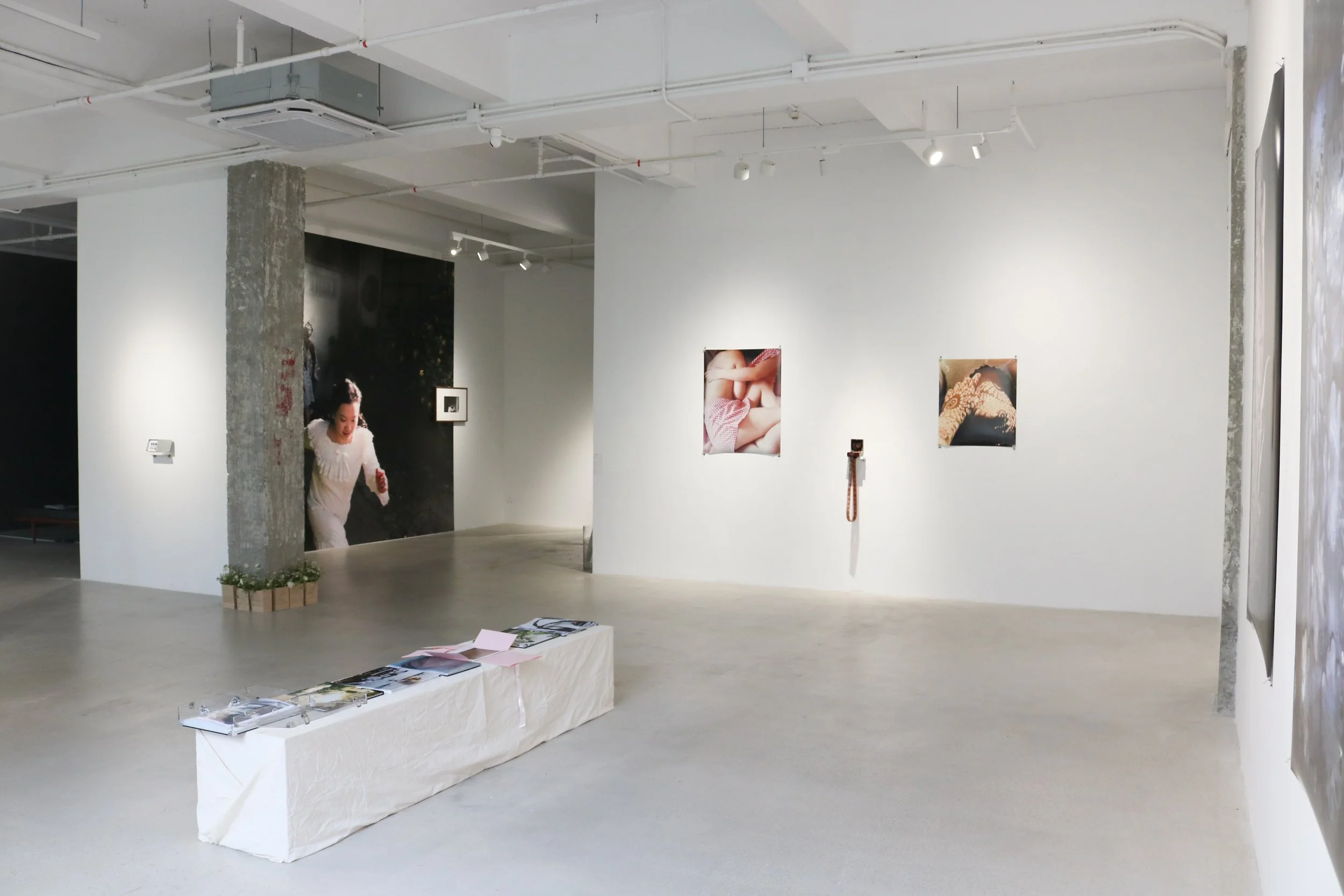
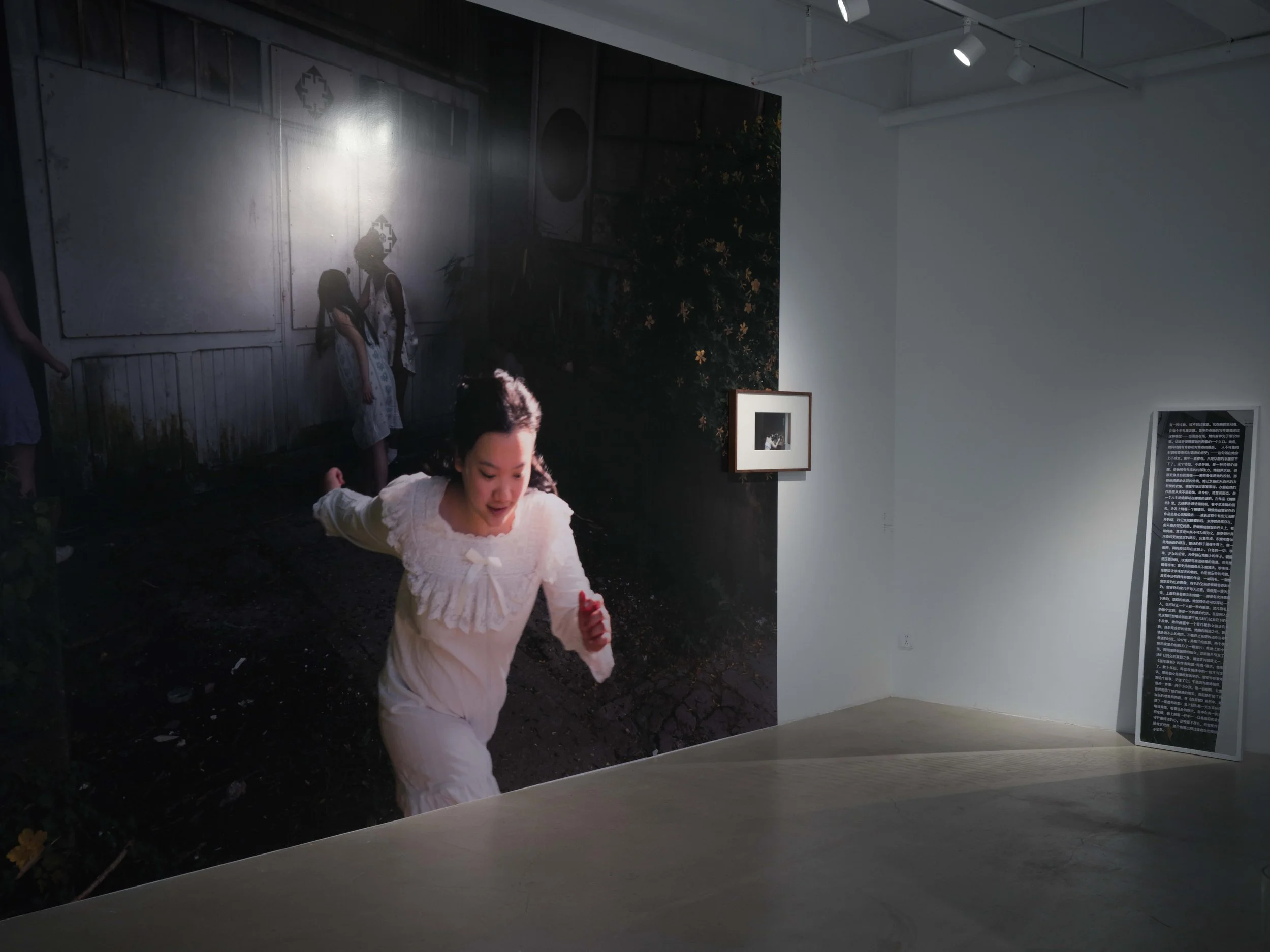
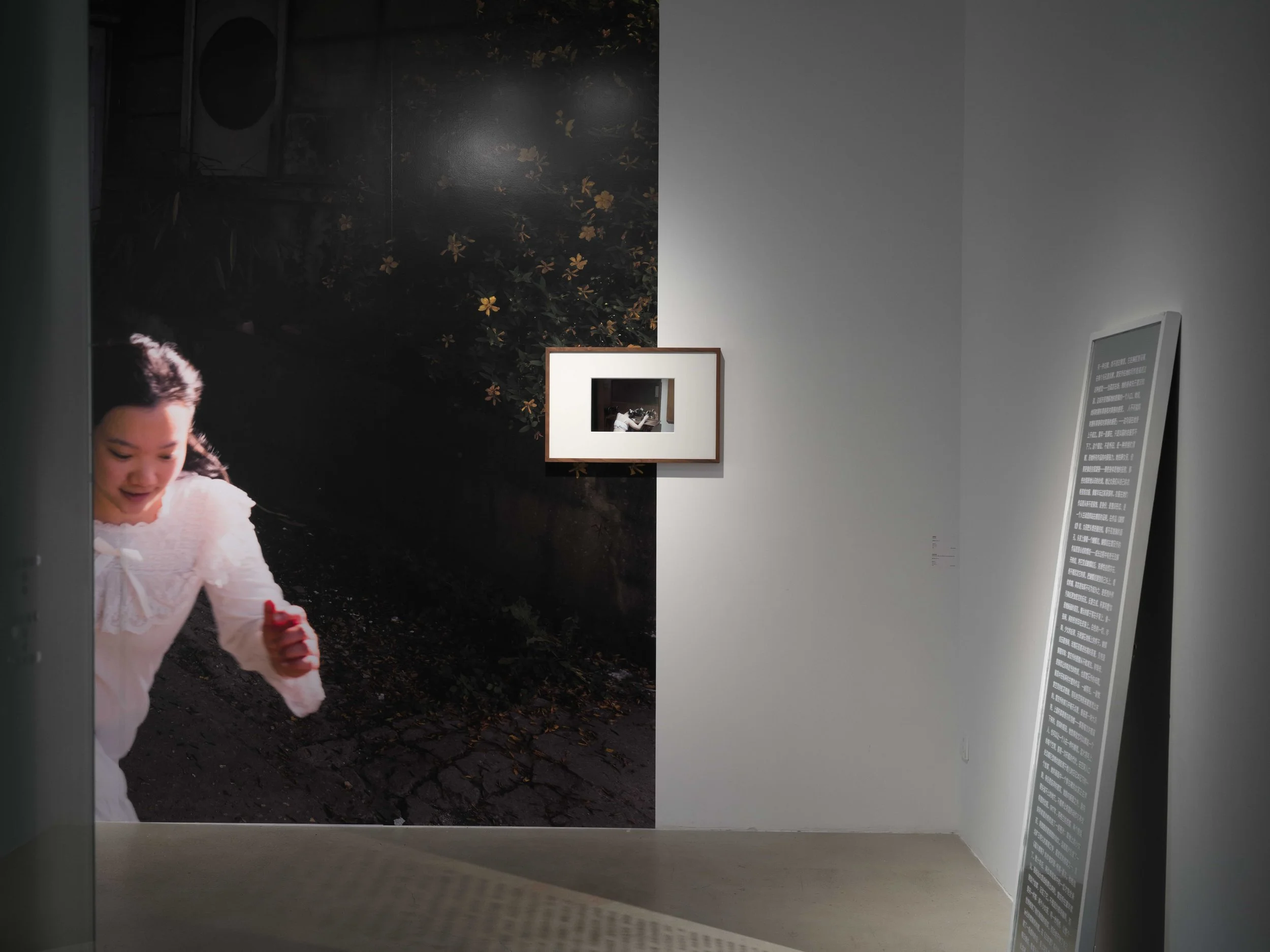
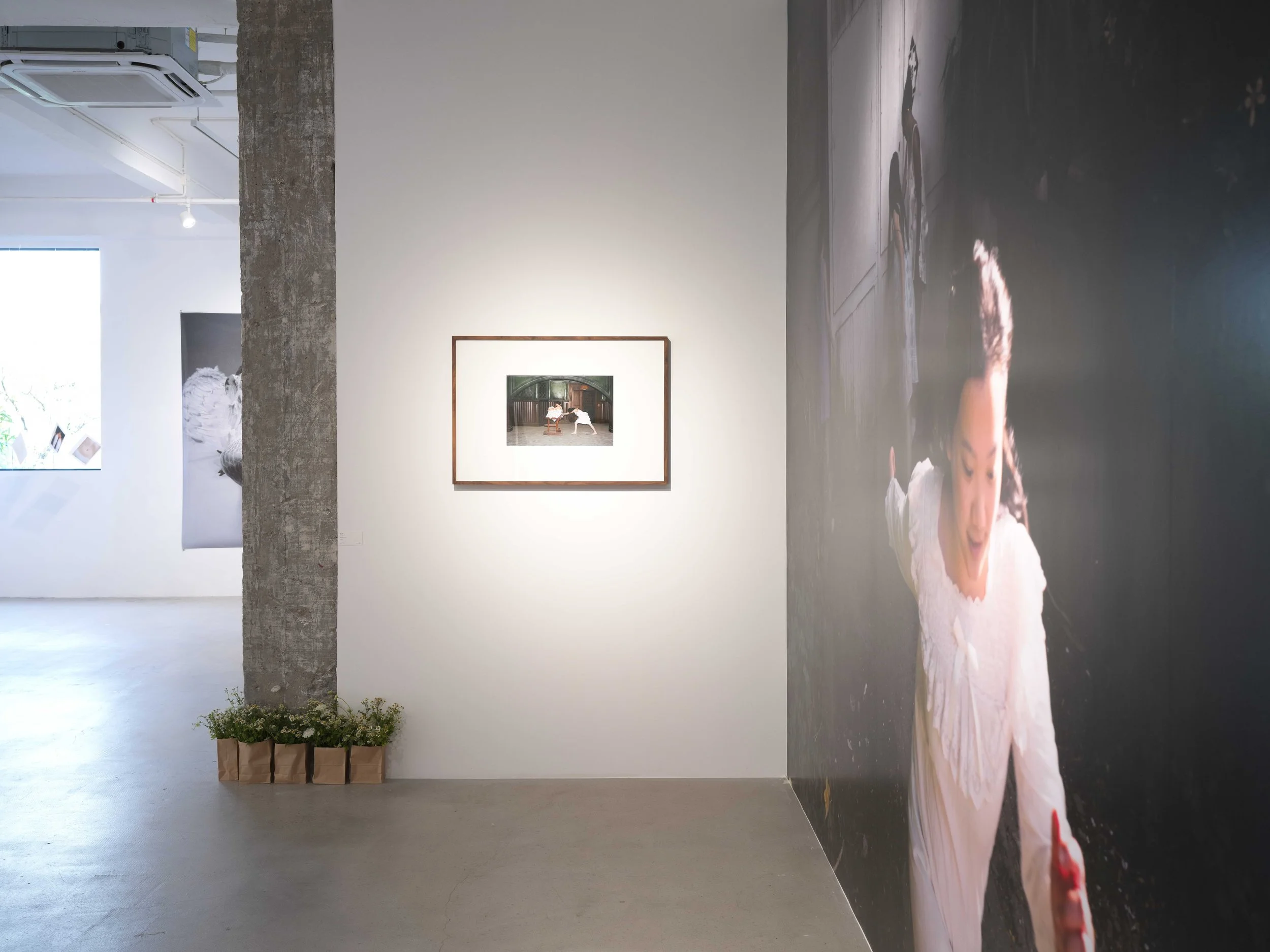
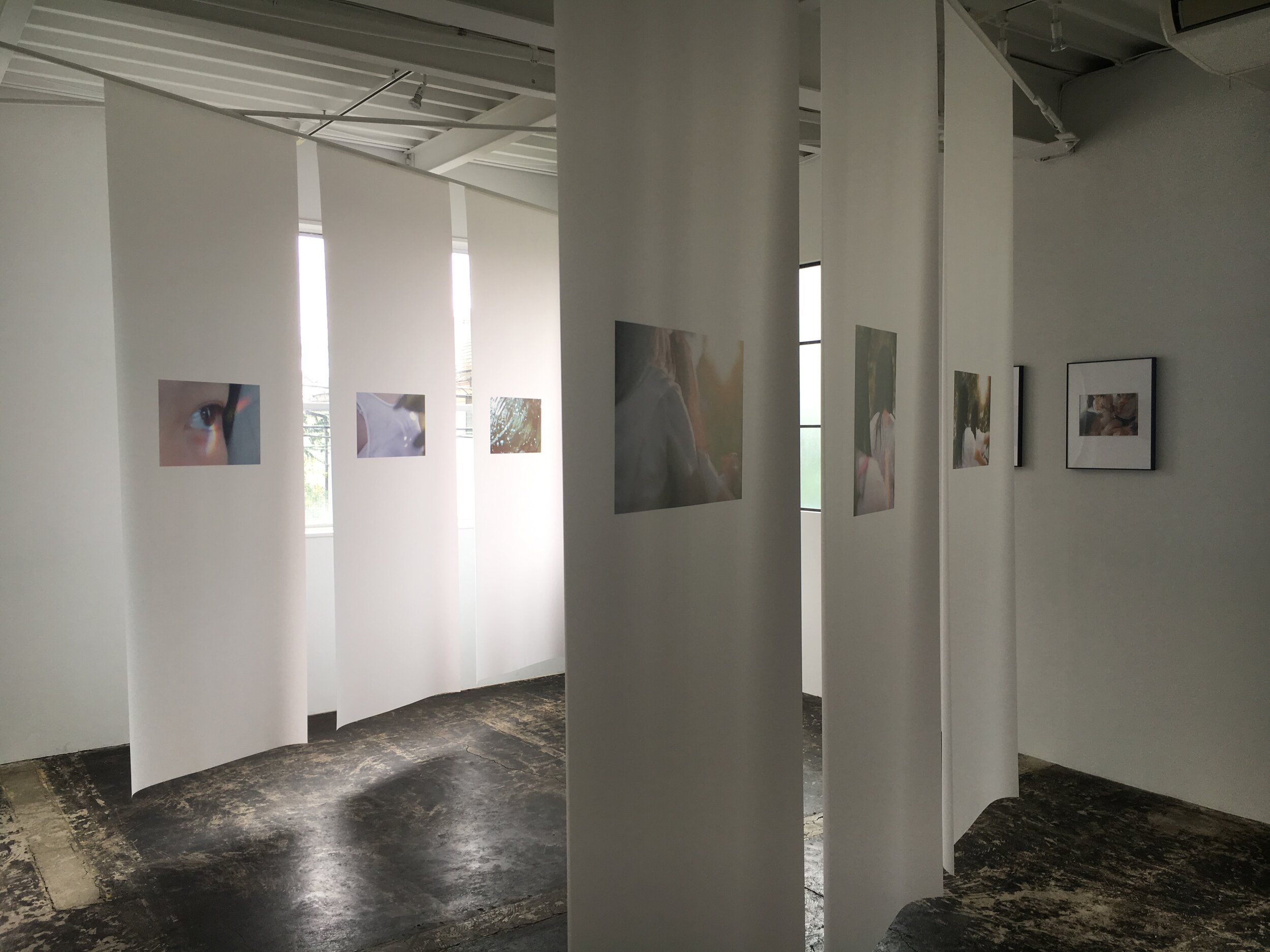
在空间入口处这幅巨型喷绘摄影源于她儿时日记本记下的一个故事,她的画面中一个穿白裙的女孩正在奔跑,身后是废弃的建筑,她跑向画面之外,跑向镜头追不上的地方。不能停止希望的动作与寻找希望的过程。1917年,英格兰约克郡,两个表姐妹用家里的相机拍了一组照片:草地上的小女孩,周围围绕着振翅的仙女。这组照片引发了一场旷日持久的真假之争,最坚定的信徒之一,是《福尔摩斯》的作者阿瑟·柯南·道尔。他相信了。数十年后,两位表姐妹中的一位才完全承认,那些仙女是纸板剪出来的。雷安乔在童年读到这个故事,记住了它。不是因为那场骗局,而是另一件事:两个小女孩,用一台相机,让整个世界相信了她们制造的现实。
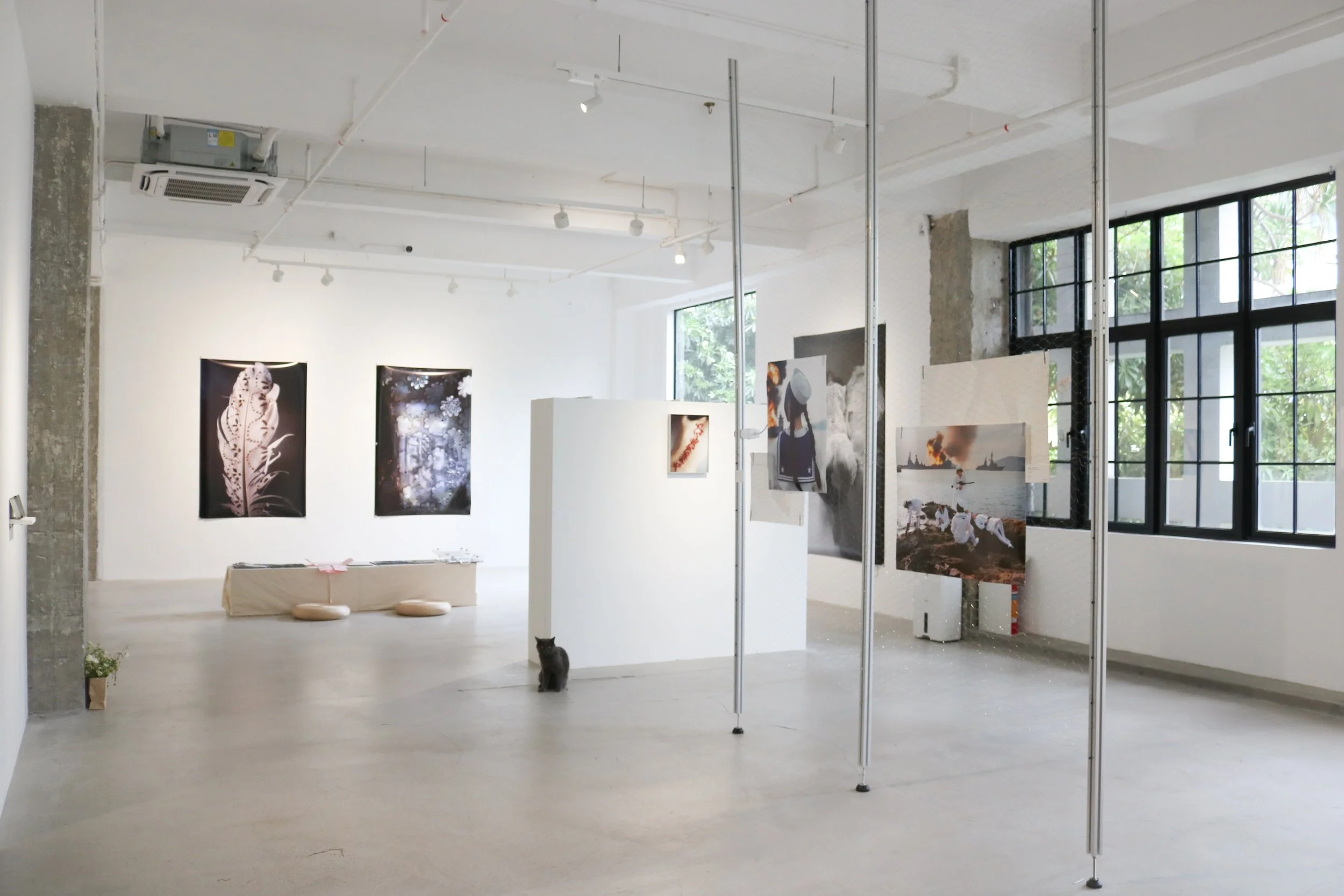
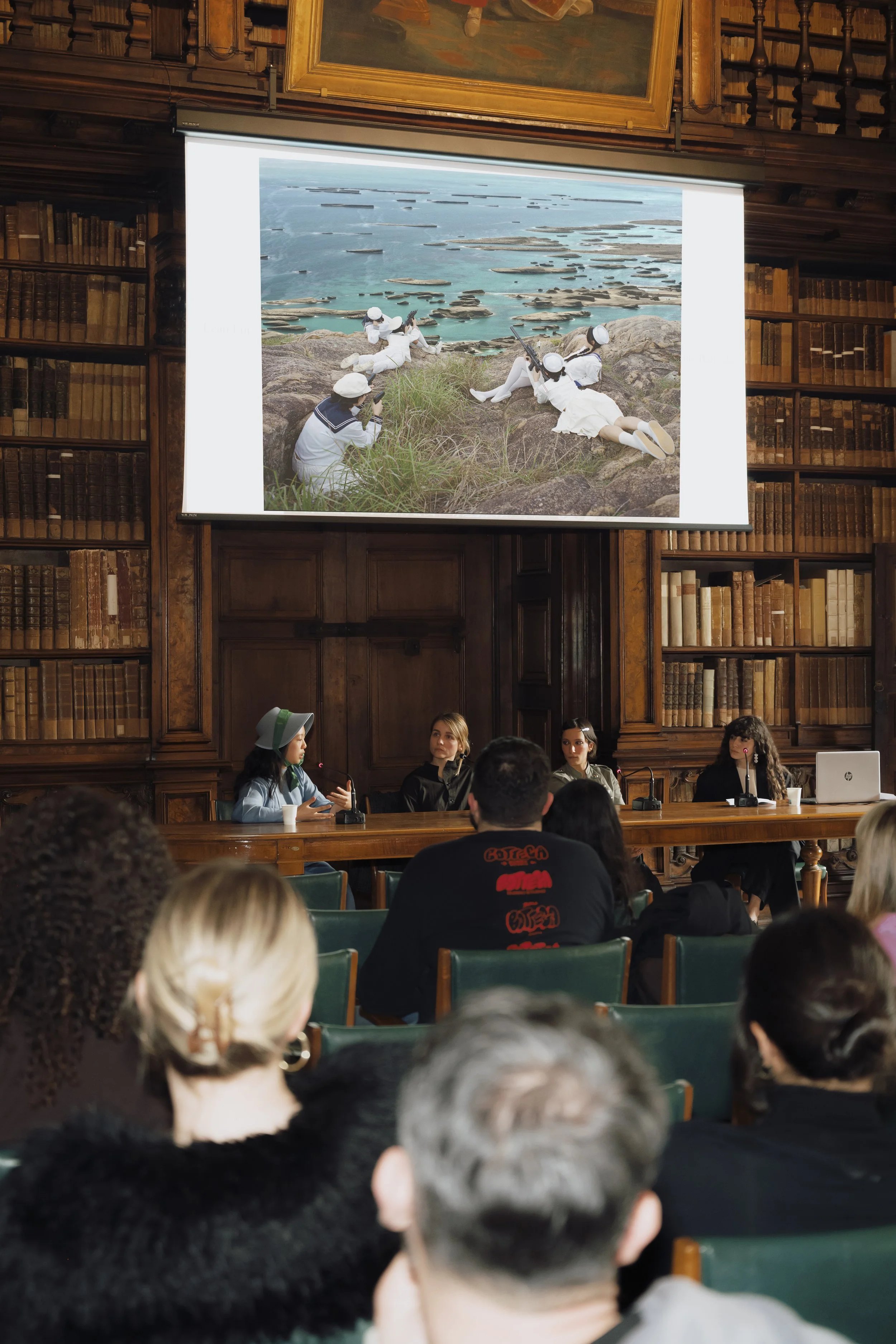
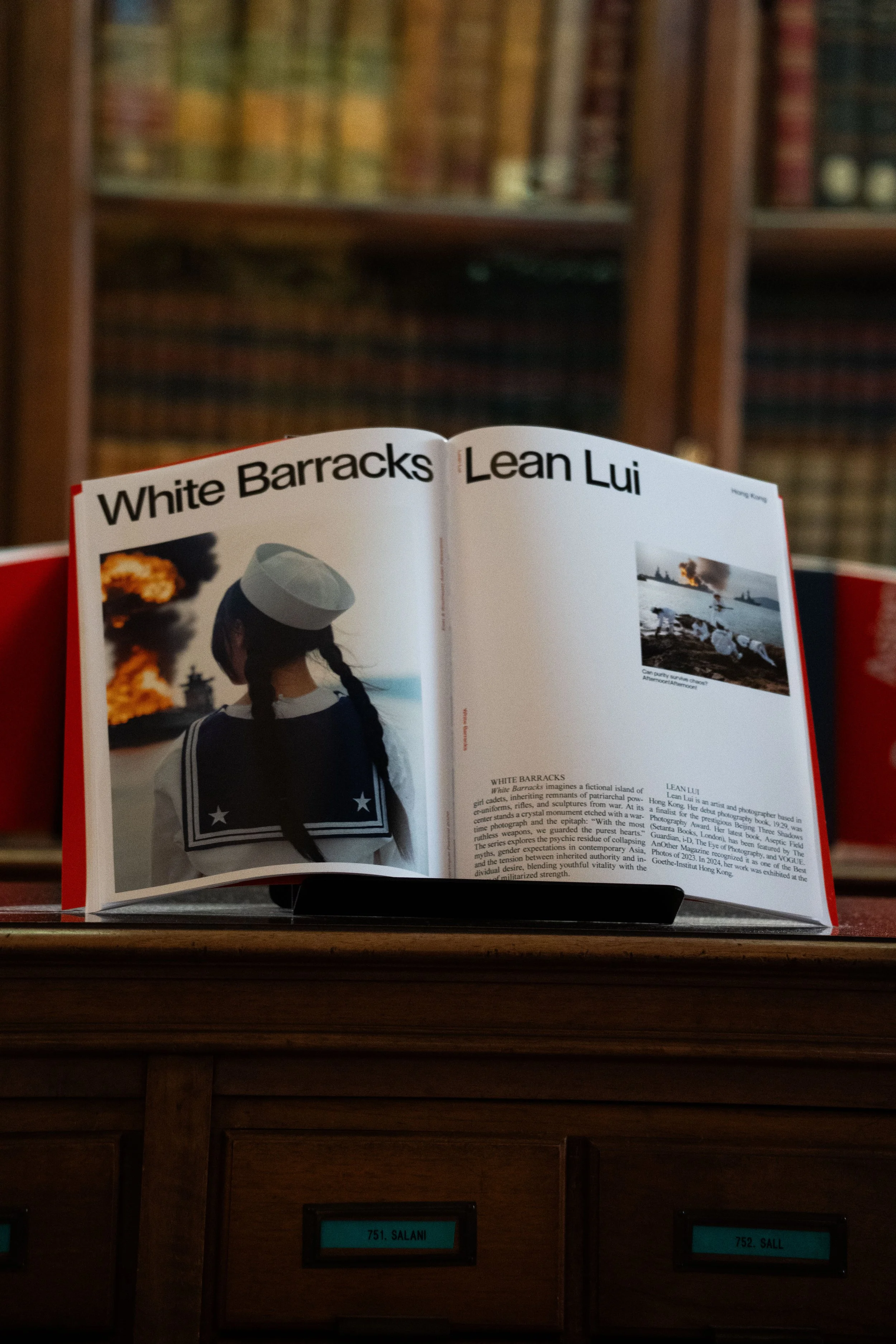
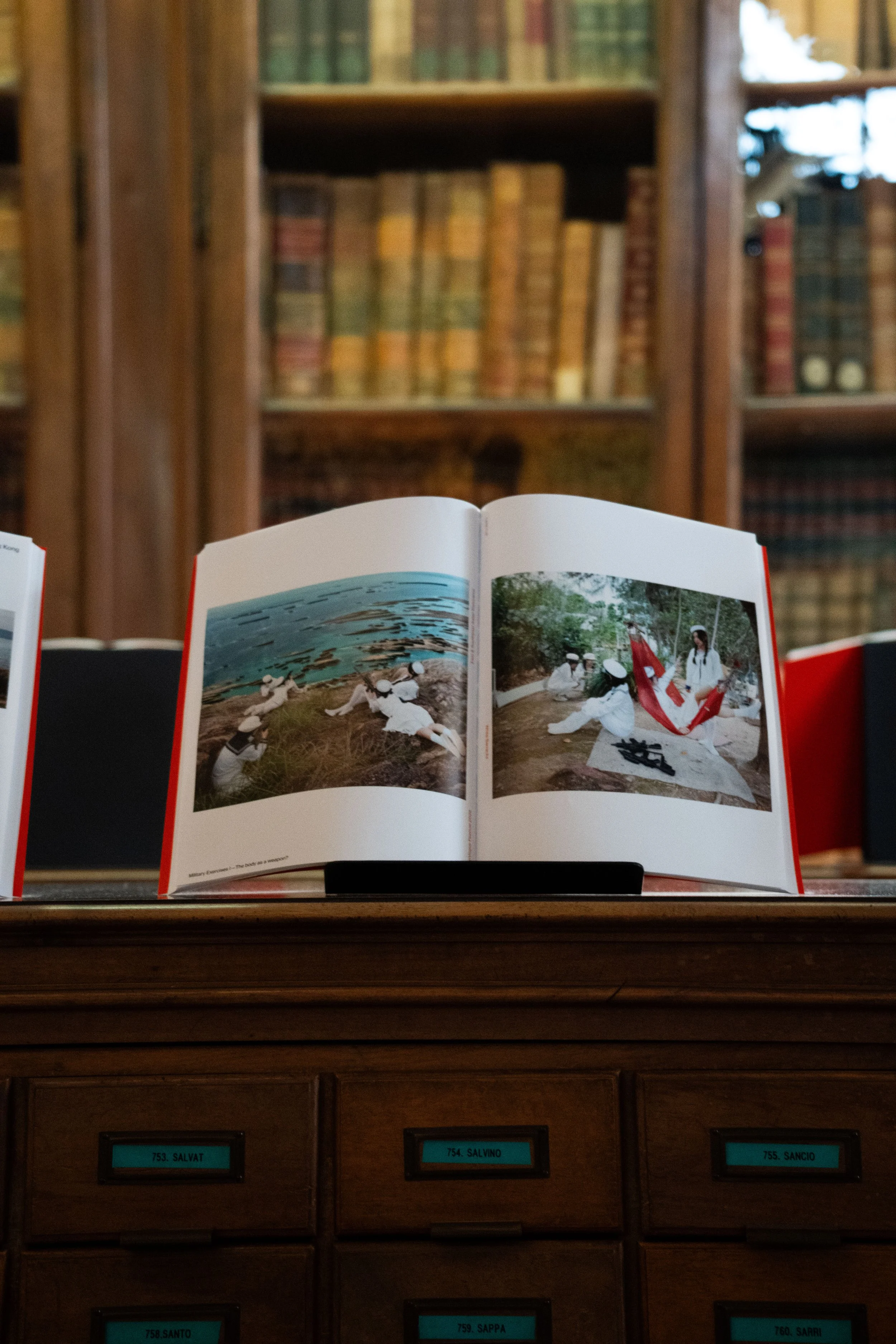
而后她开始了自己漫长的想象和构建。在《白军营》系列中,她构建了一座虚构的岛:岛上驻扎着一支女兵队伍,每日操练,看着远处的炮火。岛中央有一块水晶纪念碑,碑上刻着一行字——以最残忍的武器,守护最纯洁的心。这些都不存在。但雷安乔说,她肯定世界上某个角落出现过或者会出现这样的小军队。雷安乔说,她肯定世界上某个角落出现过或者会出现这样的小军队。
雷安乔在中国香港出生,成长于由消费文化、性别凝视与帝国美学共同铸造的视觉语言里。这套语言有它漫长的制造史,作为一个东亚少女,感到危机重重,东亚文化中暧昧和混沌的状态,也一直对她有深的影响,她也没有离开这套语言,而是松动它。她对自己的身份认同是一个当代少女,但显然不是她儿时爱看的偶像剧里面的那种。这个定义,在她的作品里是可以被看见的。那些女孩不是被凝视的对象,是主动选择站在那里的人。
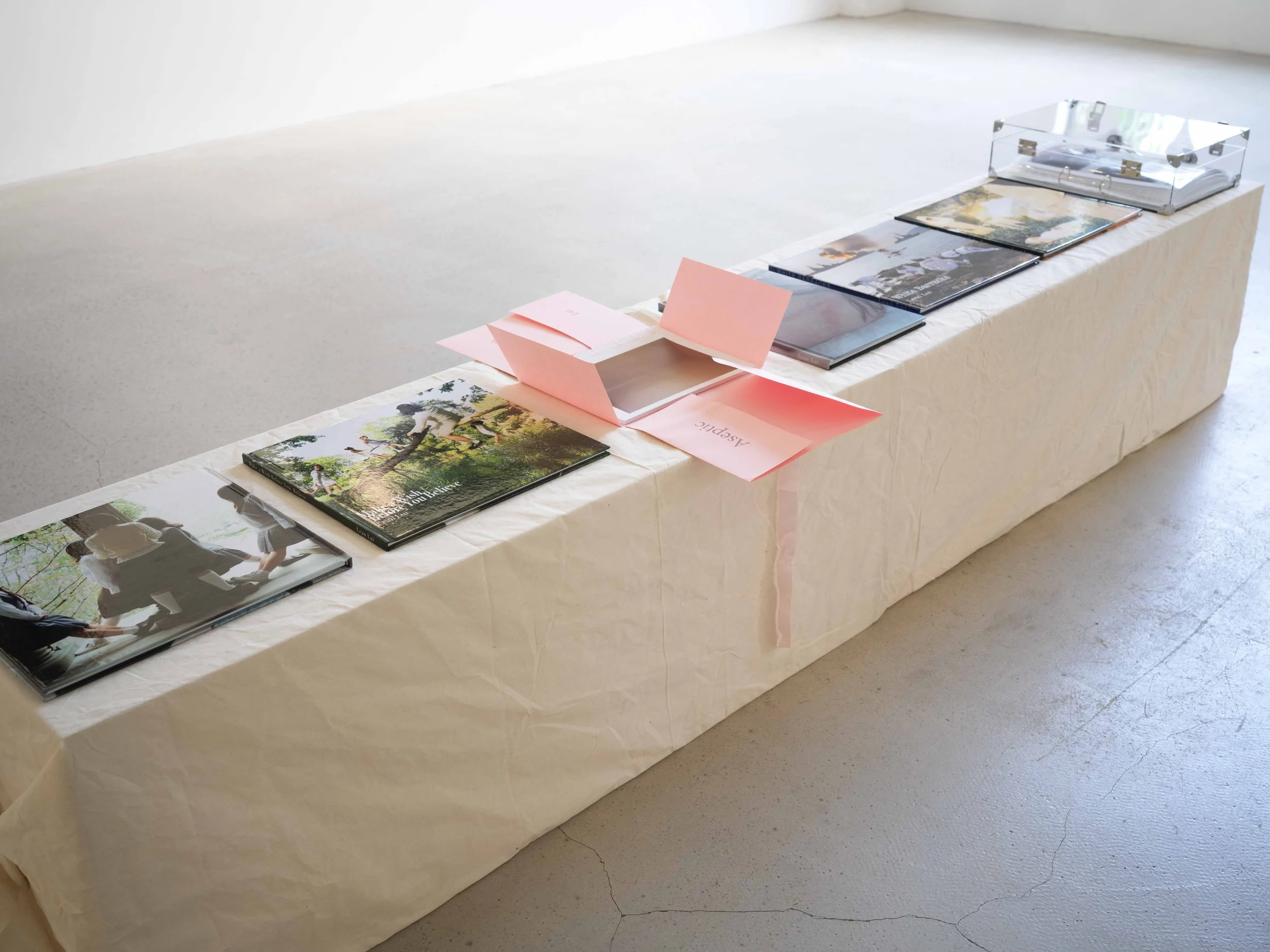
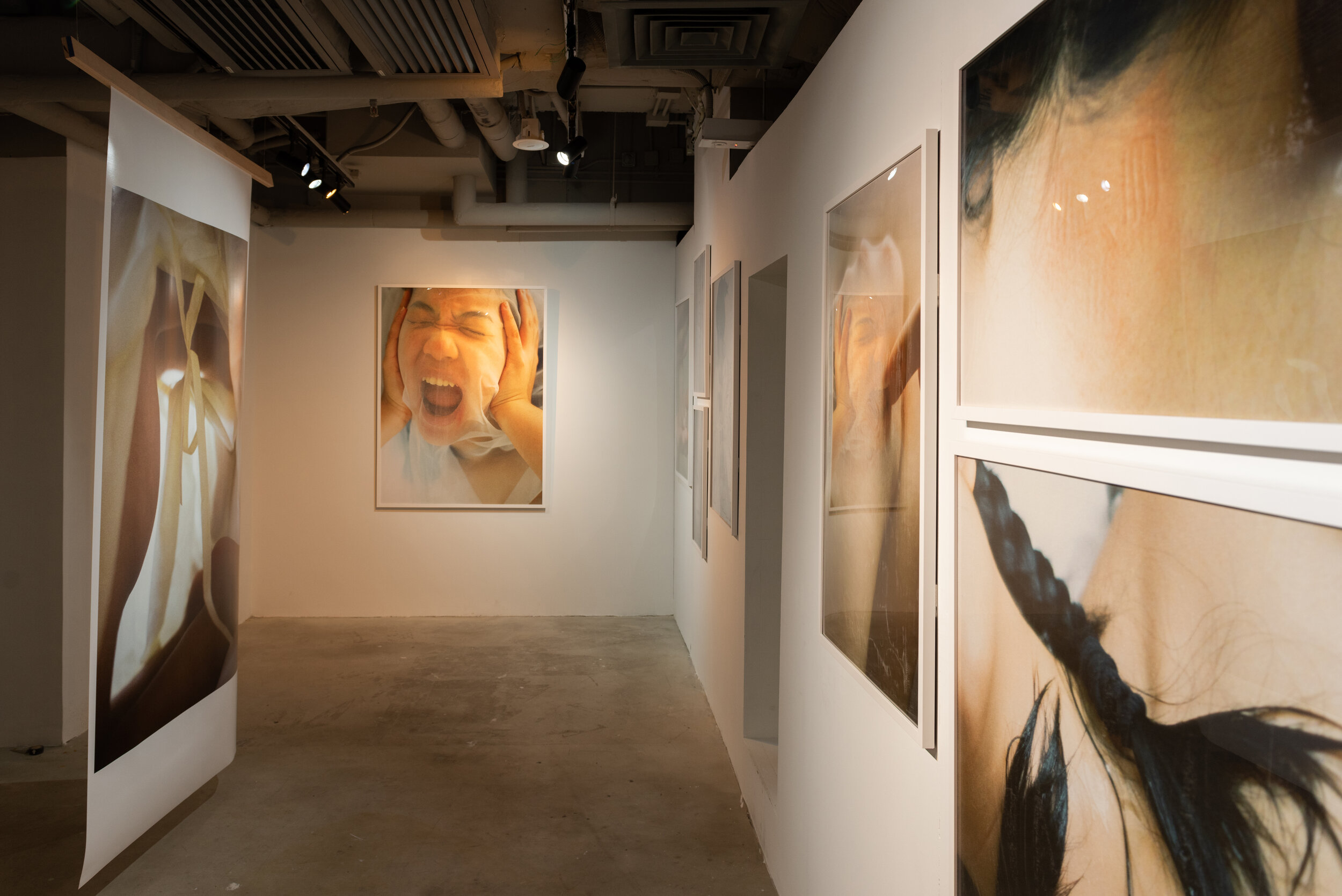
本次展览横跨雷安乔多个系列,是她持续构建的「少女宇宙」的一次集结。她说,少女宇宙里没有英雄,没有胜利,只有在历史碎片和断裂的符号中,仍然在场的人。这个宇宙本身可能跟「道」一样没有终点,只有持续运动的状态。她们在场。这件事本身,就已经是一种回答。
And she remained.
Lean Lui Solo Exhibition
There is an allergy with no identifiable source. It festers in the chest, seeps through every pore. Lean Lui has written about this feeling — her body knows when a lie is present, before her mind does. This may be one way into her images.
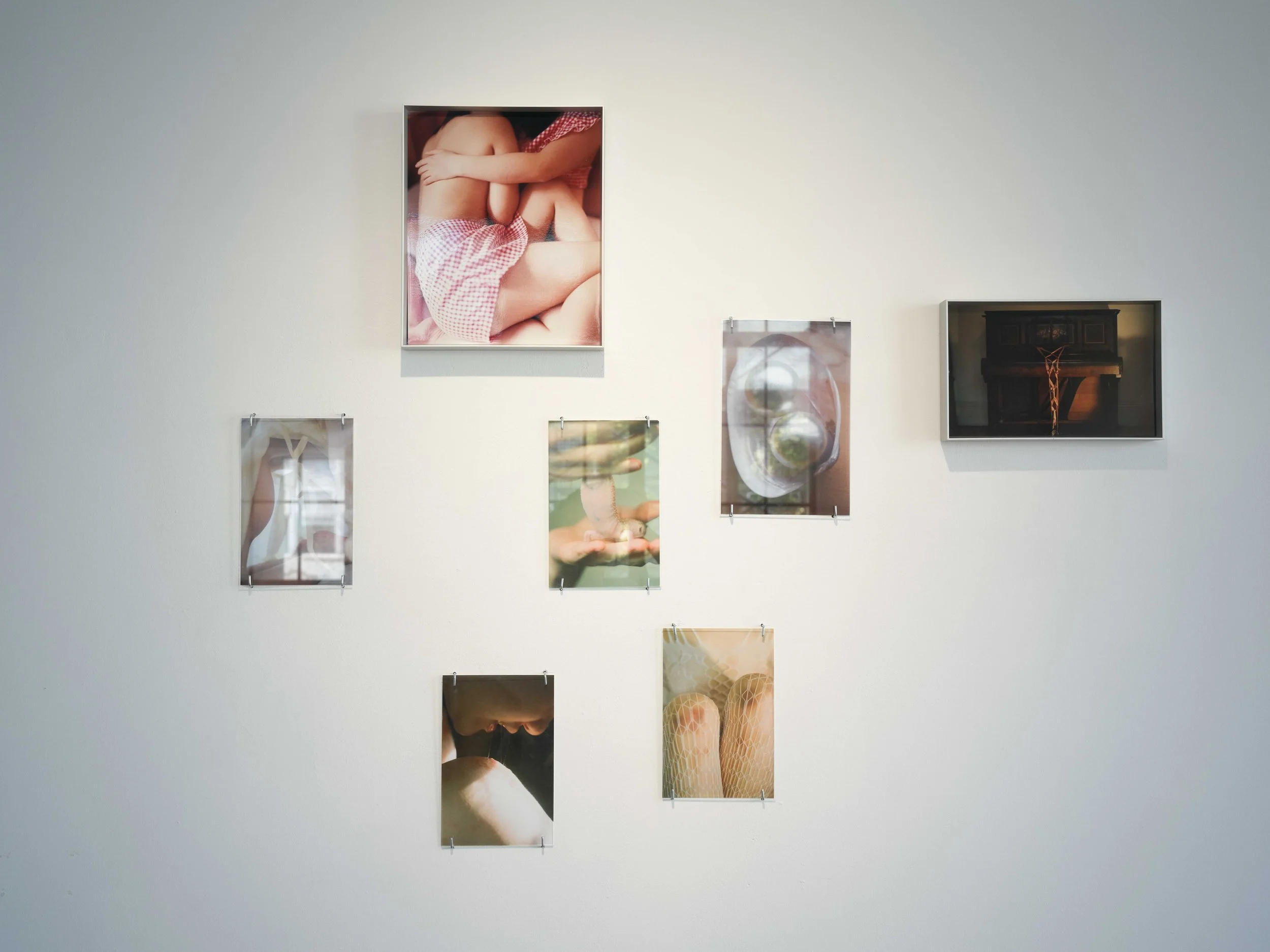
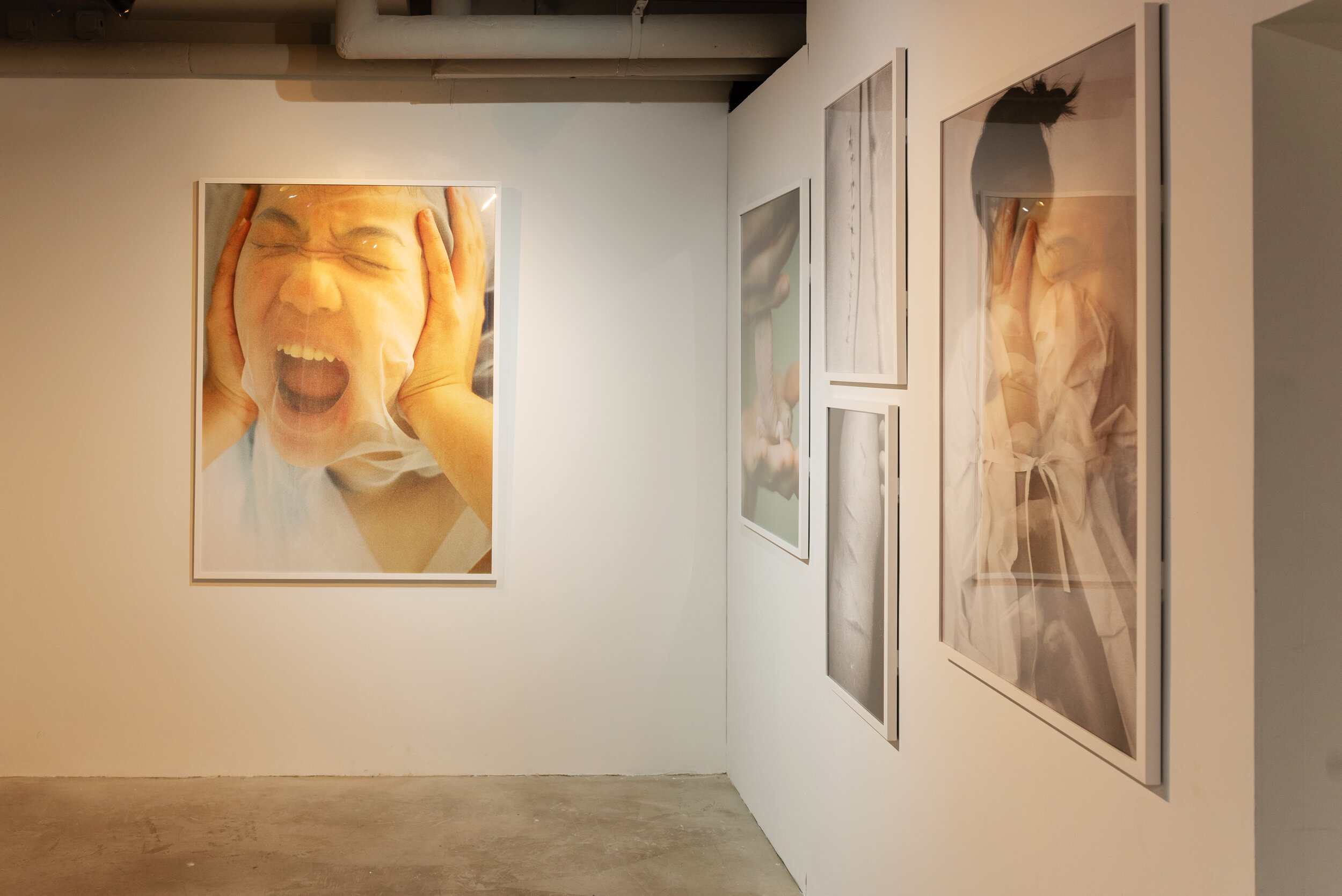
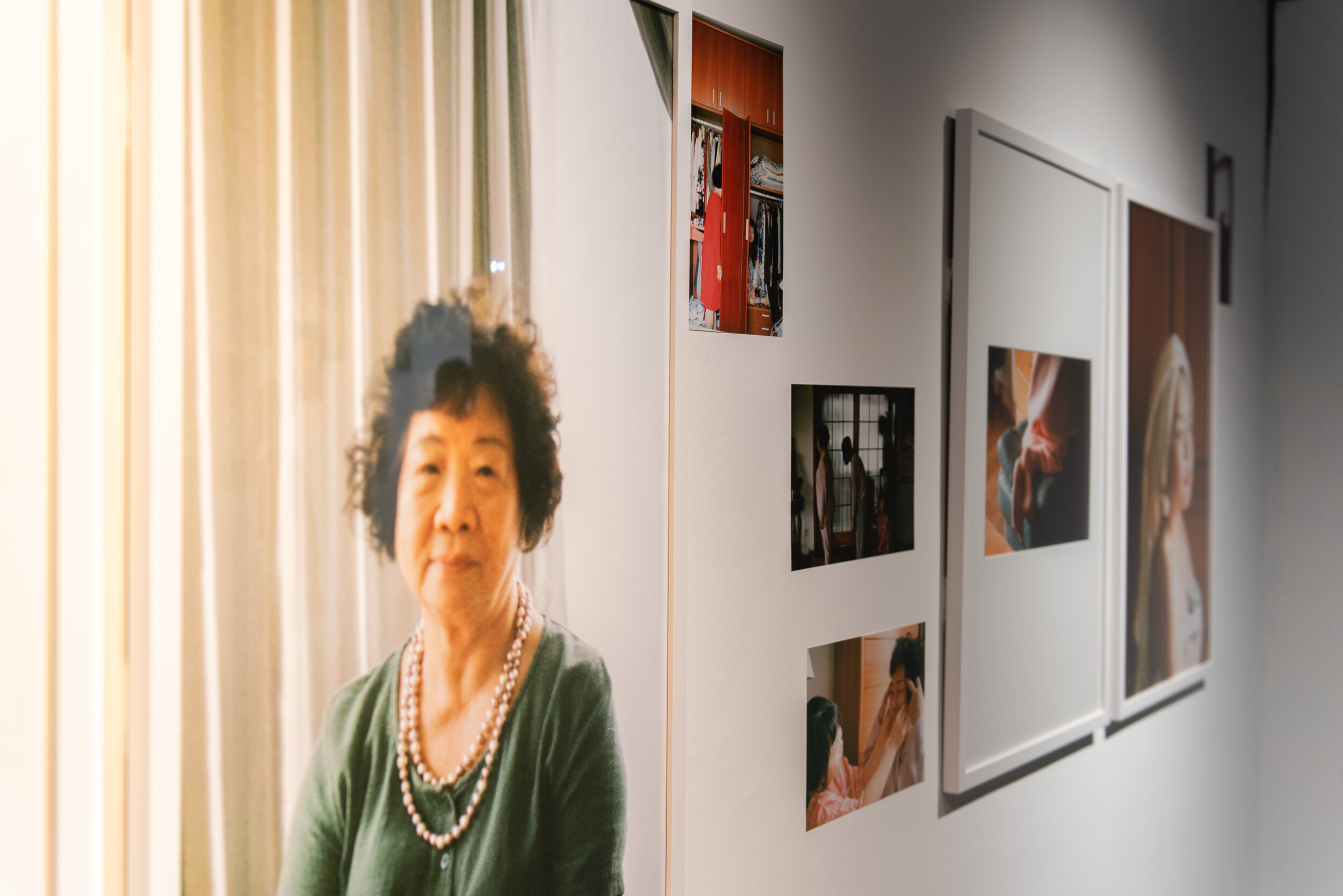
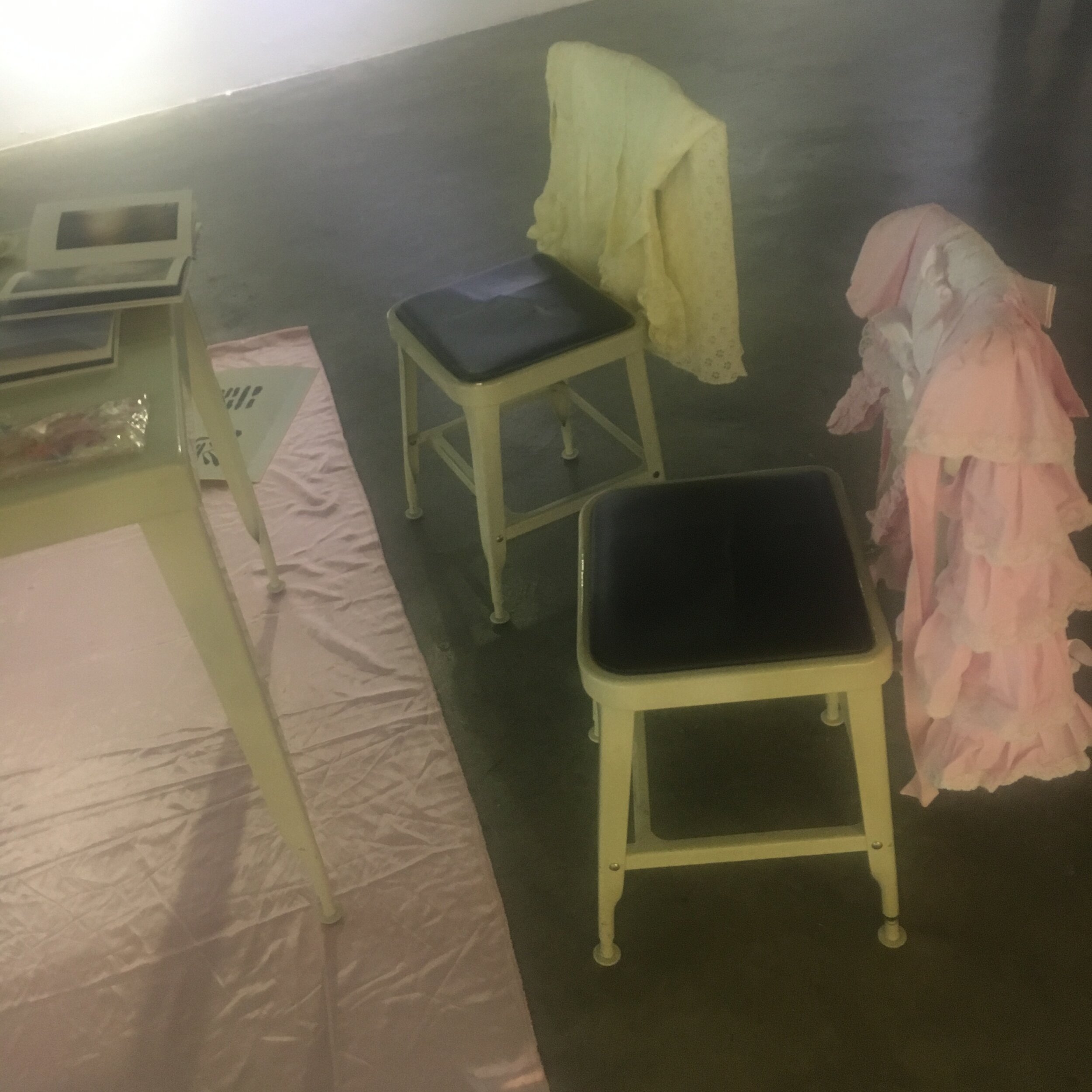
She says she has always possessed youth and the awareness of youth simultaneously. The idea that one cannot hold both at once never applied to her. Childhood is still present; the clothes just no longer fit. This displacement — not nostalgia, but a continuous lucidity — runs underneath all of her work. She photographs girls, but describes it as closer to self-portraiture. The bodies are projections. The situations are ones she recognizes. She asks the girls to dress from their own wardrobes, the way children play house — because clothing in her work is never decoration. It is identity, ideology, the evidence of where a person has chosen to stand.
In The Bow, a girl buries her head in a sewing machine, her face not quite visible, a bow sewn into her hair. The bow, in Lean Lui's work, stands for emotional knots — the kind that accumulate in growing up and cannot be untied. Once transformed into a bow, the bind remains, but its beauty cannot be denied. Sewing the bow into her own head looks like pain. It is also an act of knowing impossibility and proceeding anyway — a response that becomes more resolute the more the outside world tries to contaminate it.
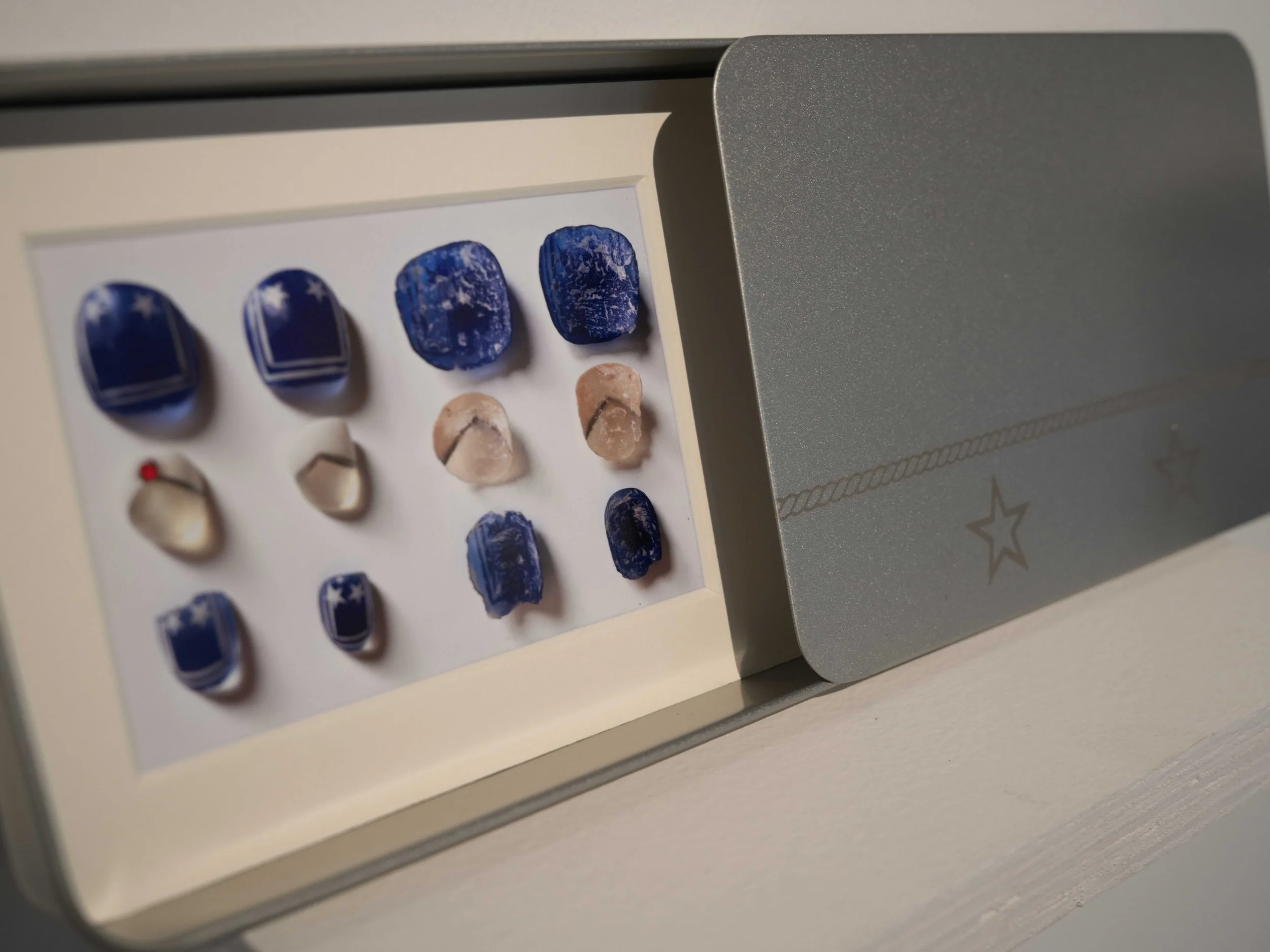
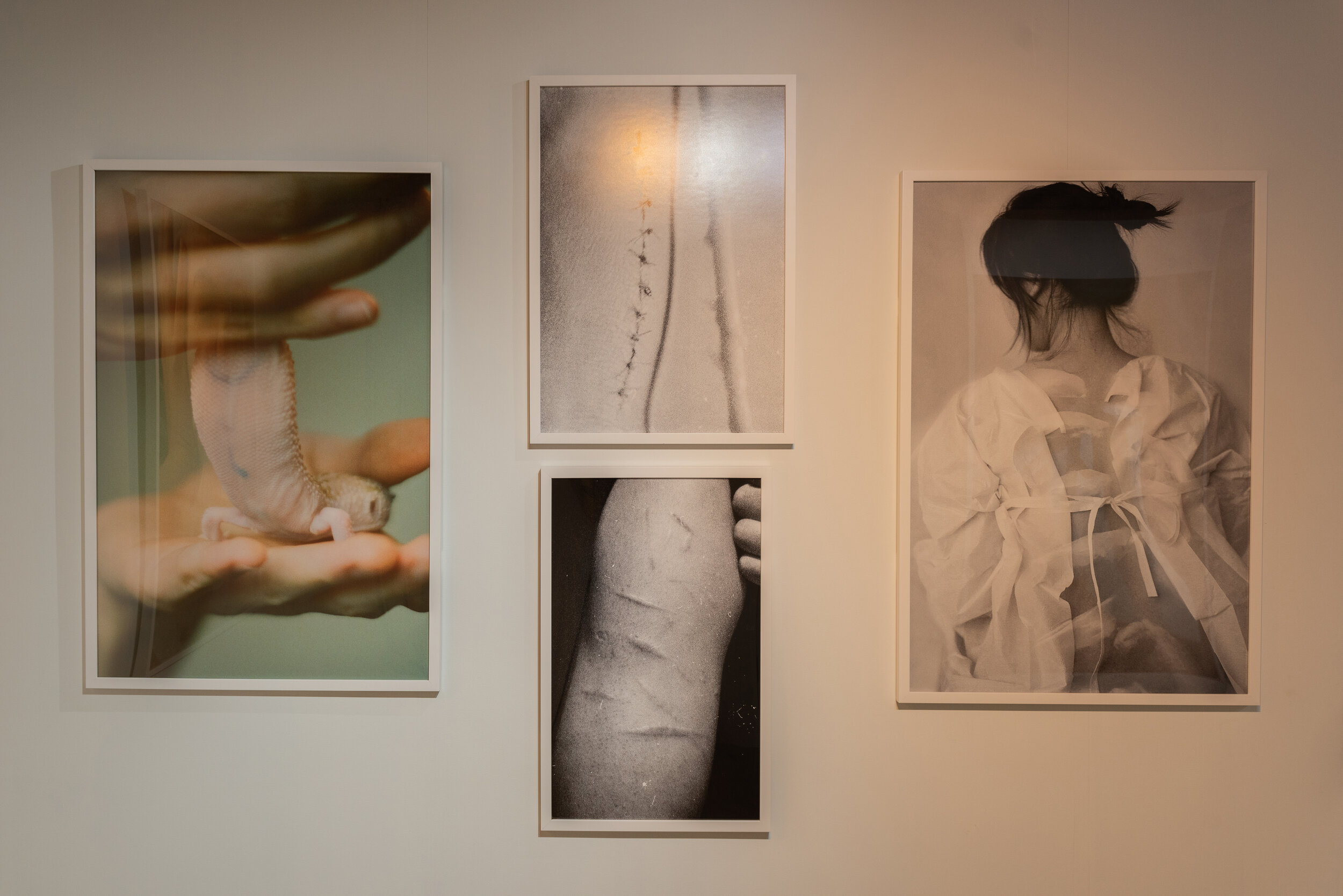
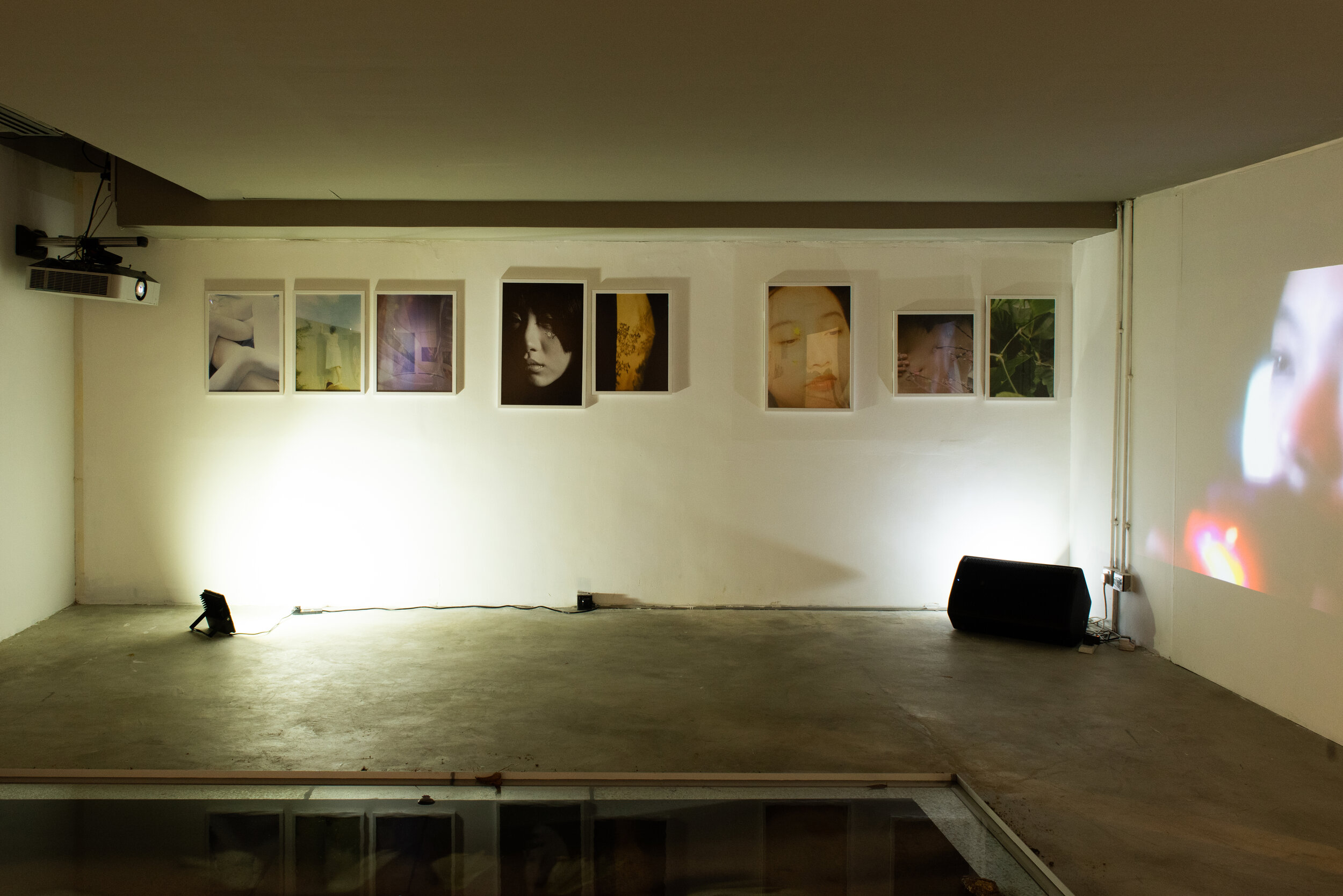
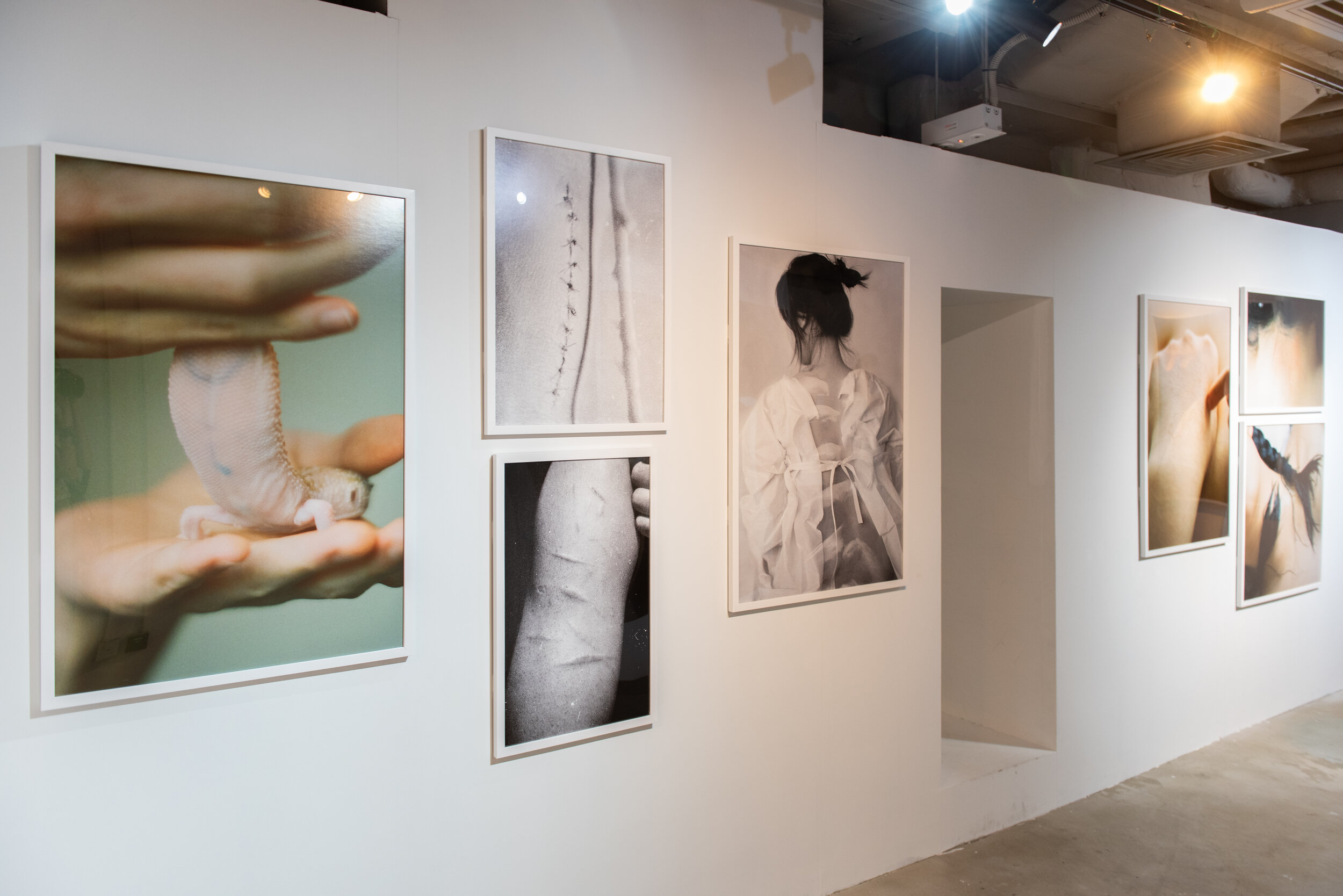
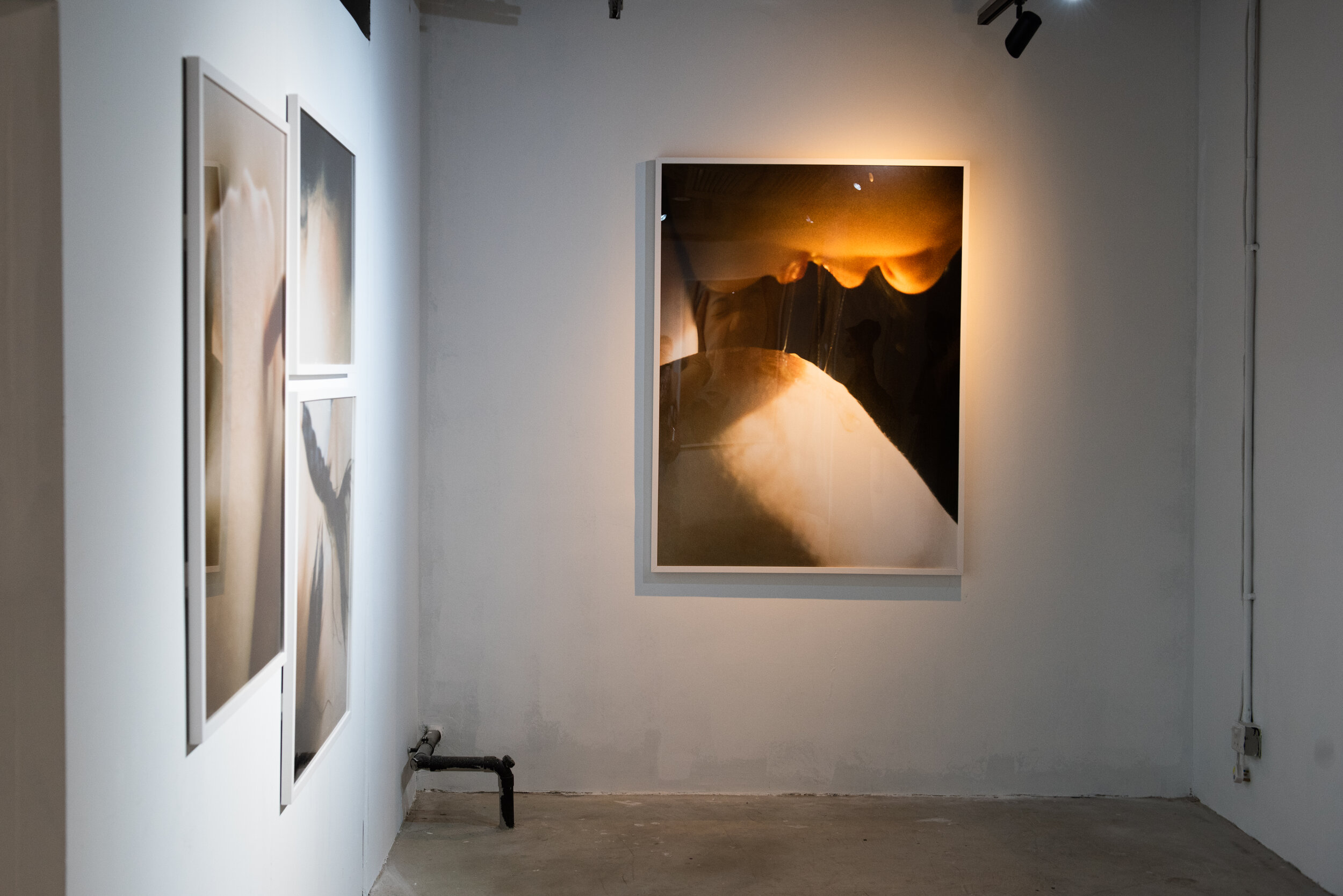
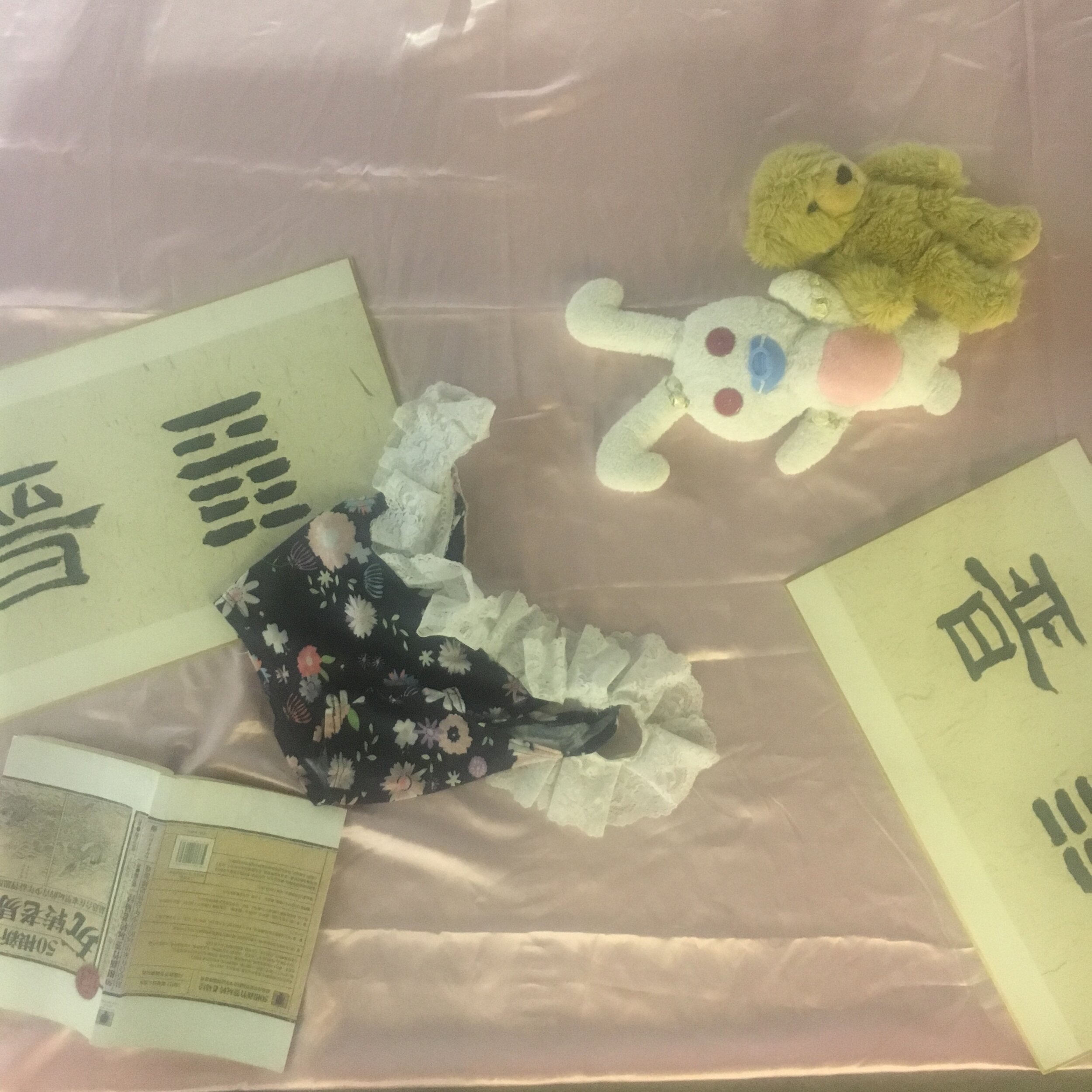
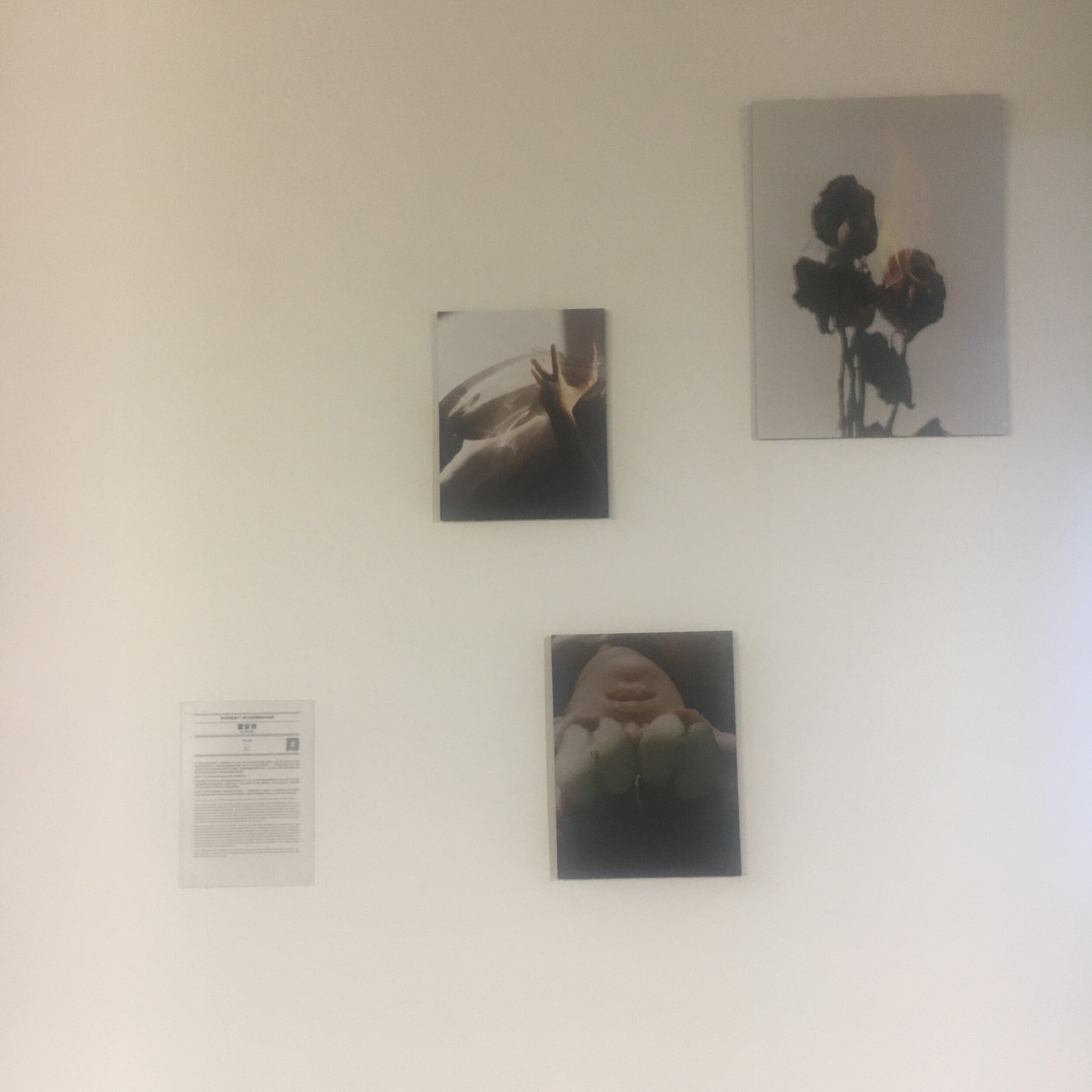
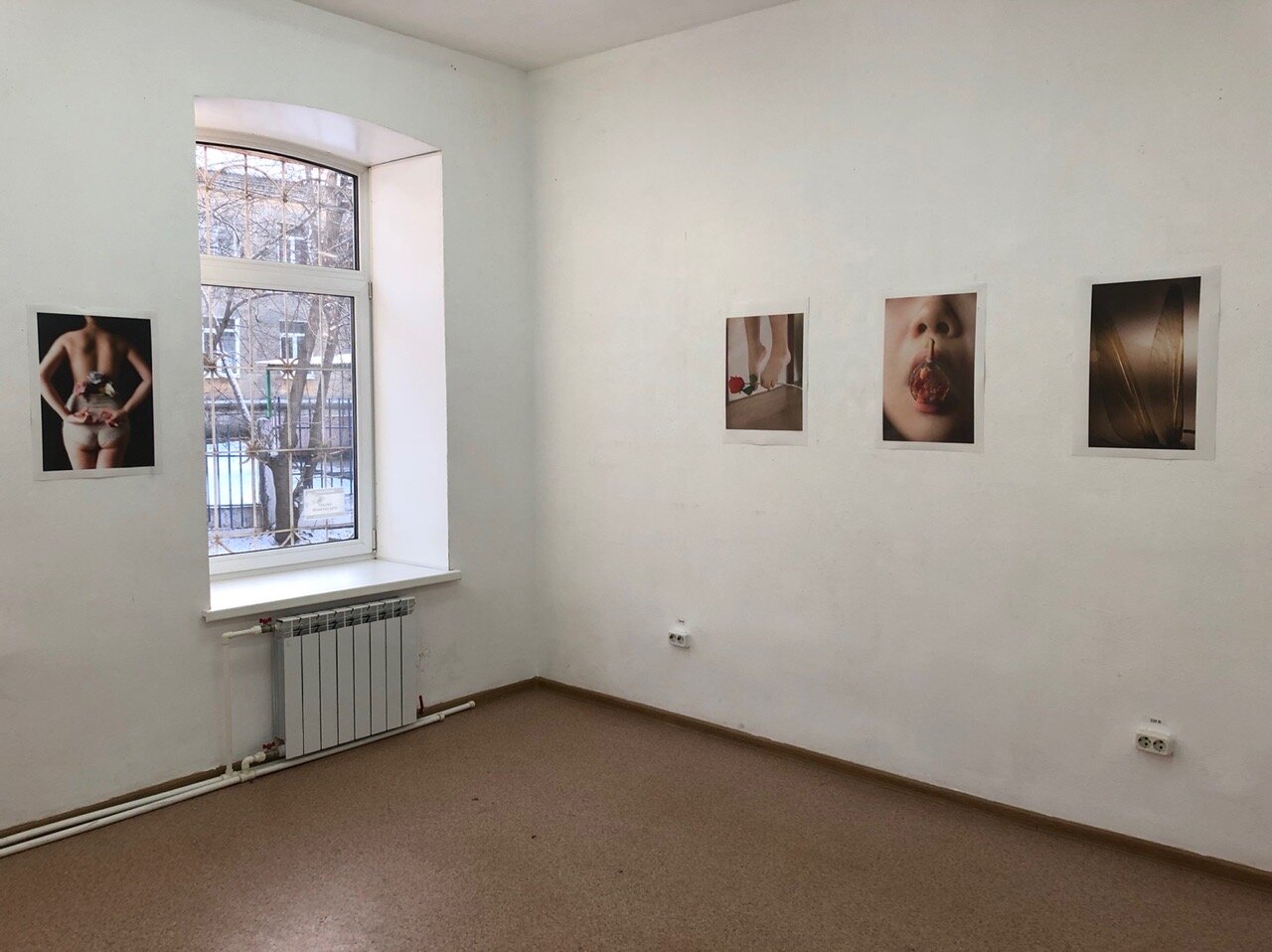
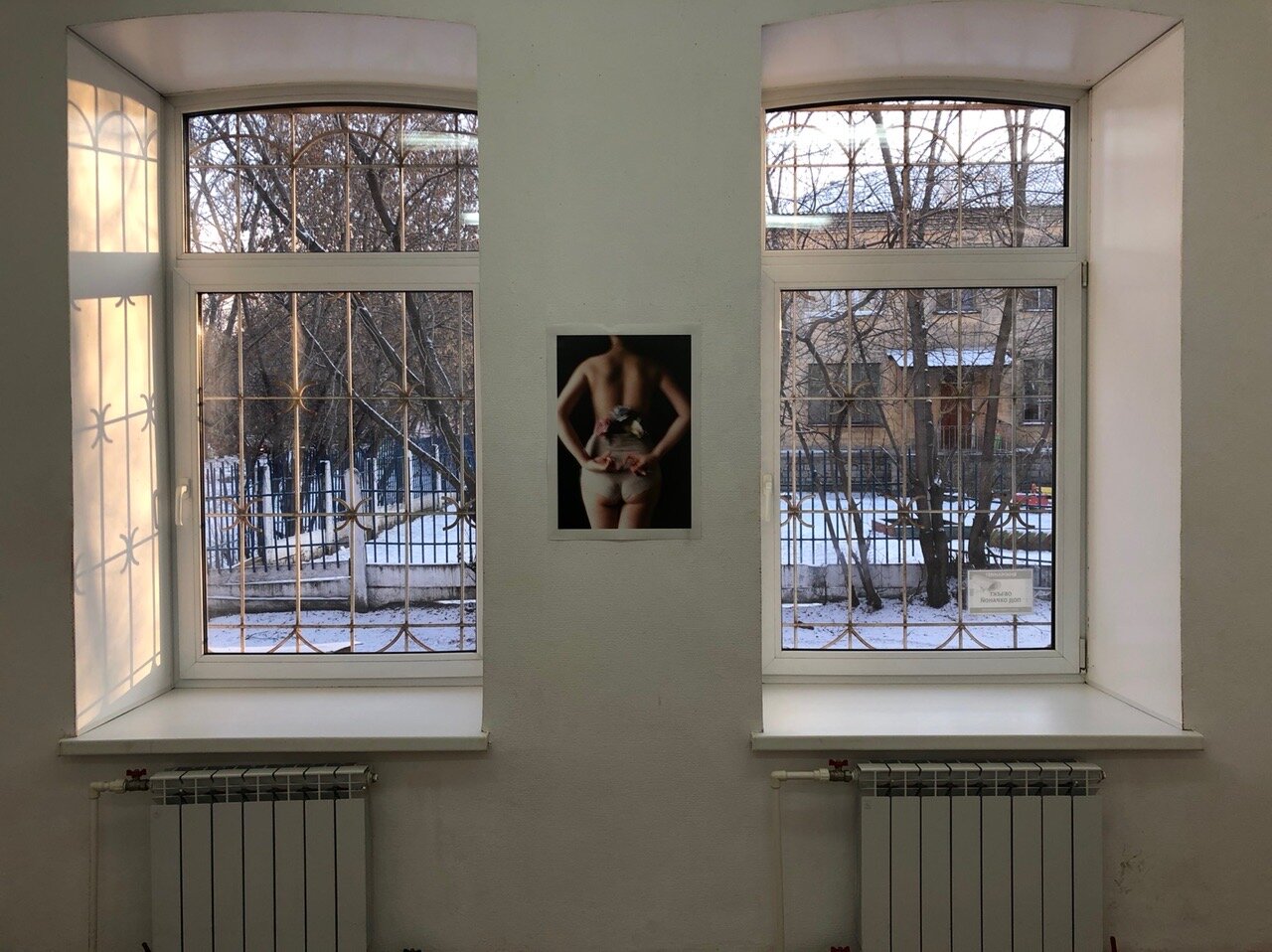
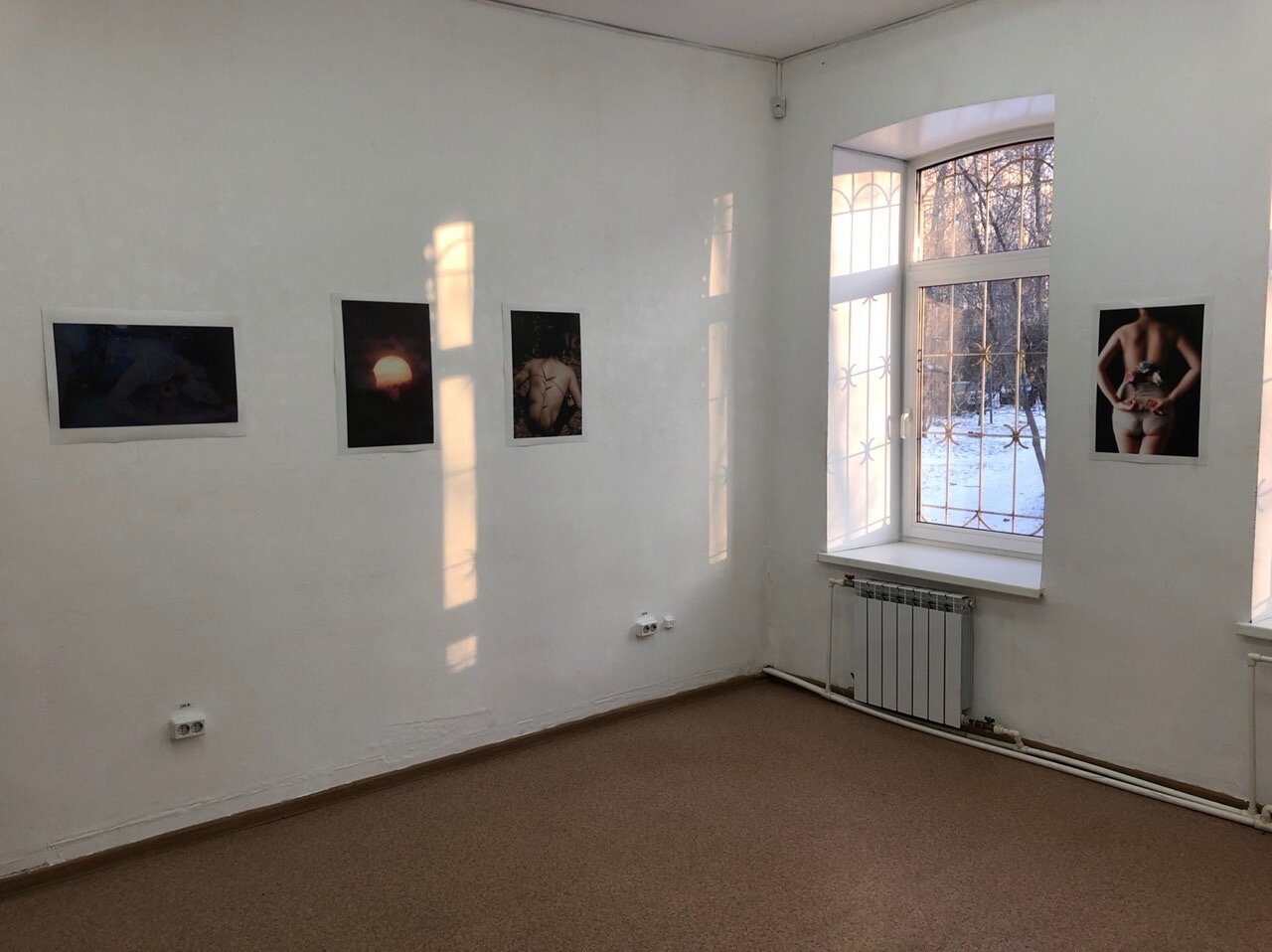
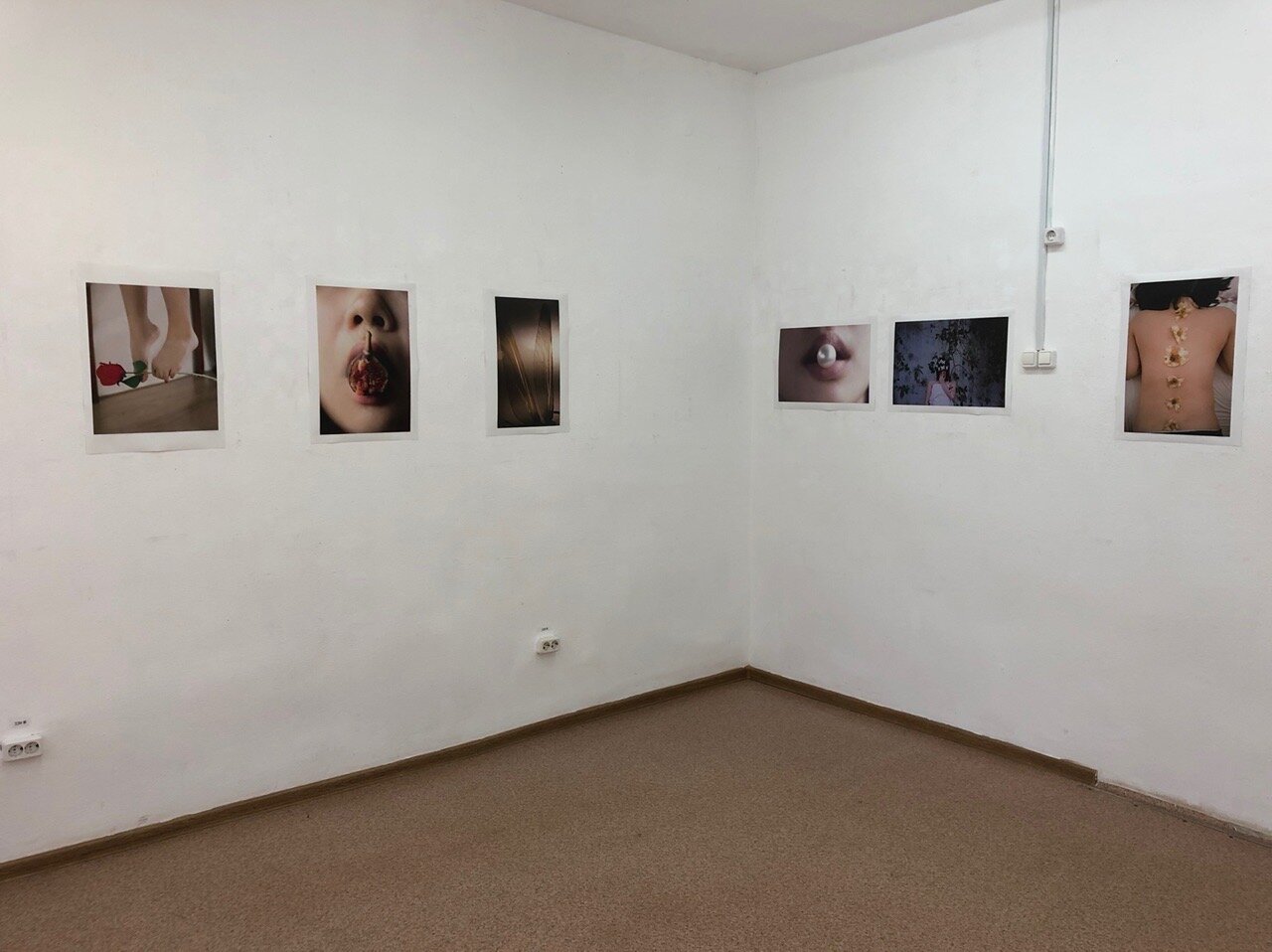
Recurring generation, accumulation, and layering are the language of her images. The shadow of lace falls across a hand like a net — its pattern pressed into skin. White socks, pearls, a girl's bare back, an angel collapsed face-down on the floor. Bows layered over fishnets. Rosebuds packed into dried lotus pods. A pearl resting in its shell. Lean Lui's images never subtract. Nacre — the substance that makes a pearl luminous — is also Lean Lui's recurring motif.
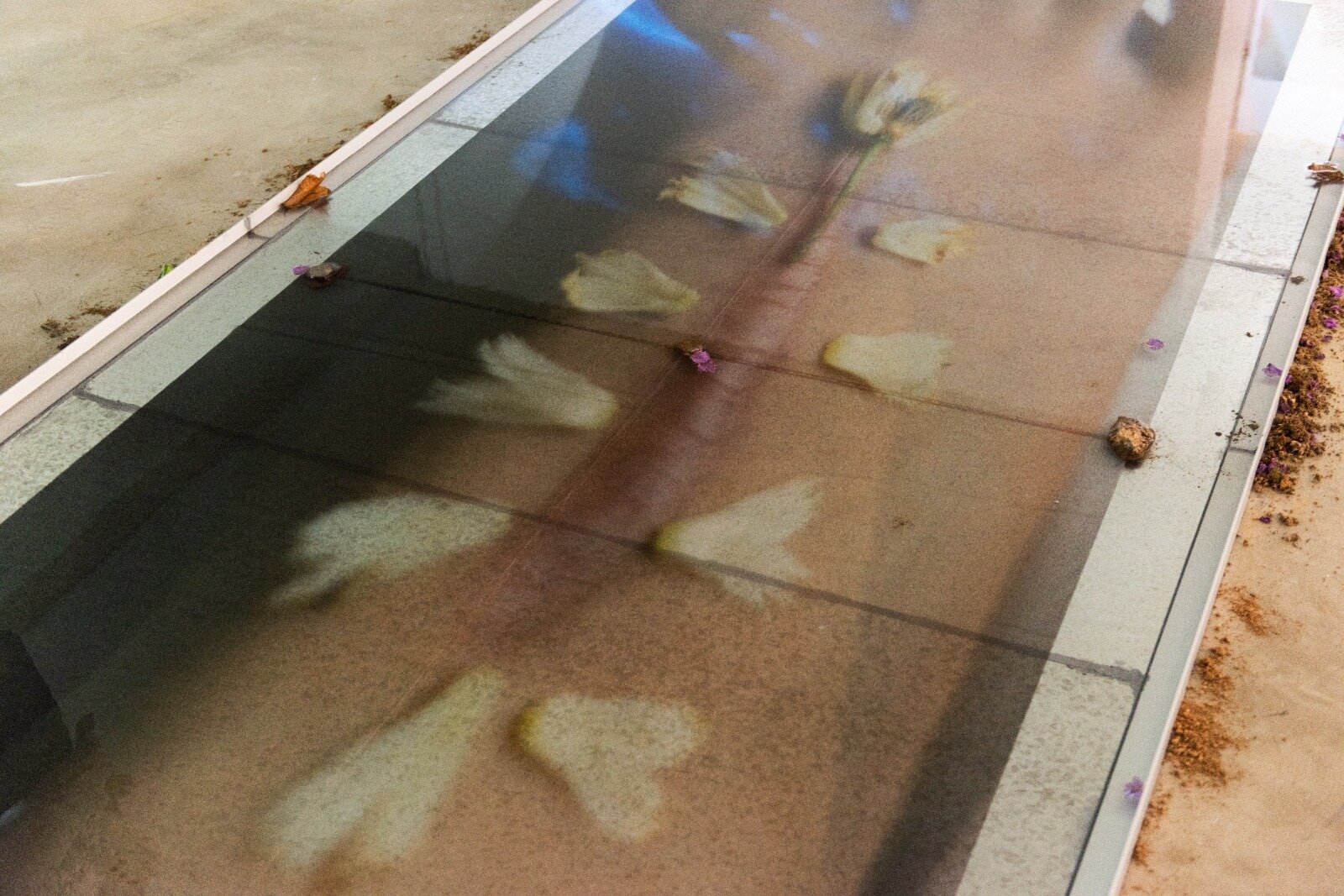
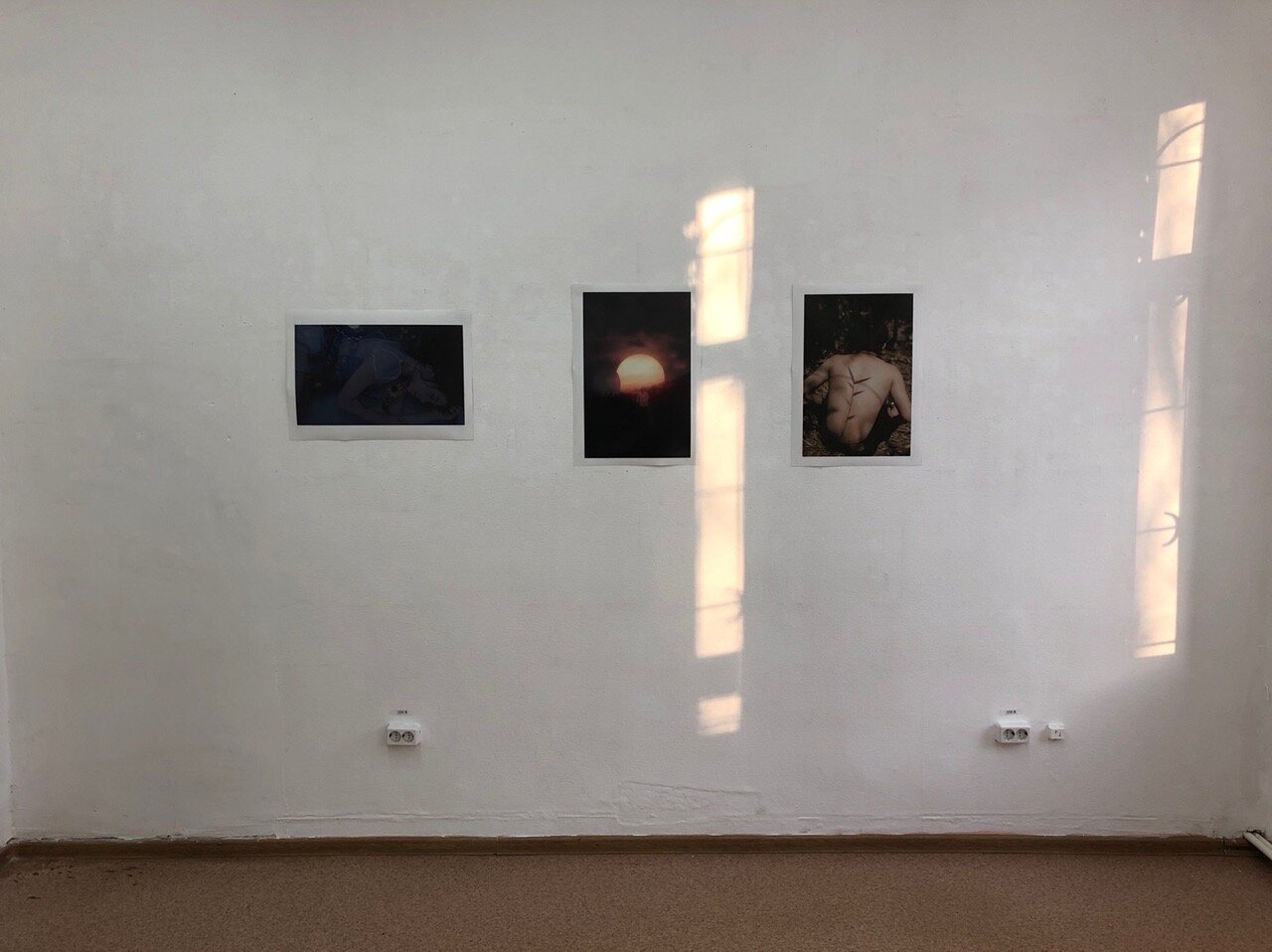
The exhibition includes two works shown in proximity: a feather, and a layered, ethereal iridescent image. The holes in the feather were burned by Tibetan incense. Lean Lui burns incense at home almost every day — her incense holder is a large shell, layered over time with ash and melted wax: the residue of every wish made, the traces of belief. She believes faith can hold a person together, or collapse them in a single second. Each hole in this feather is the cost of a prayer.
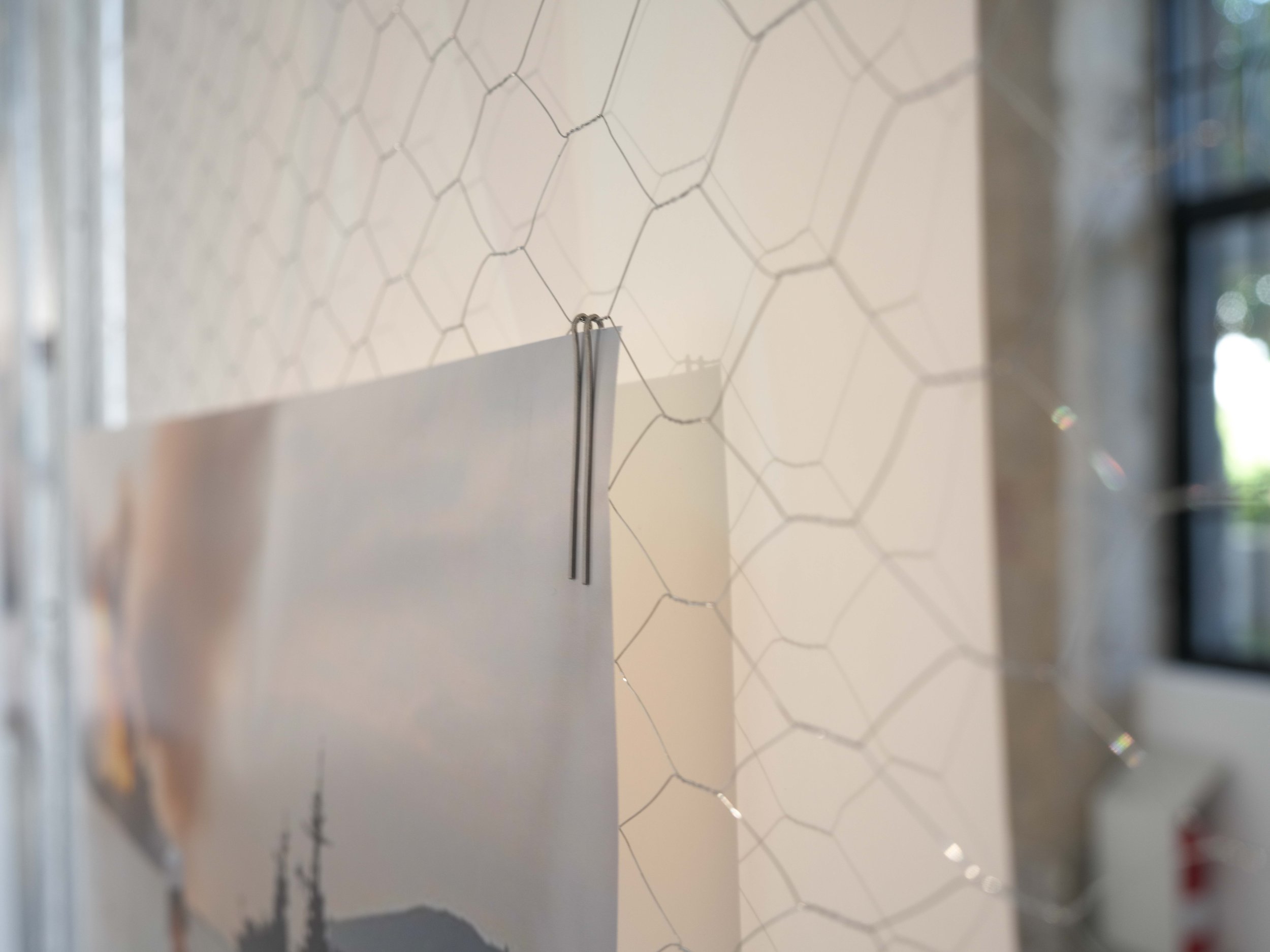
The large-scale photograph at the entrance of the space originates from a story she recorded in her childhood diary. In the image, a girl in a white dress is running — past an abandoned building, toward somewhere the camera cannot follow. The act of hoping, and the process of searching for hope, cannot be stopped. In 1917, two cousins from Yorkshire took a series of photographs with a family camera: a girl sitting in the grass, surrounded by tiny fluttering fairies. The images ignited a prolonged debate about their authenticity. Among their most devoted believers was Arthur Conan Doyle, the creator of Sherlock Holmes. He believed. Decades later, one of the two cousins finally admitted the fairies had been cut from cardboard. Lean Lui encountered this story as a child and held onto it — not because of the hoax, but because of something else: two young girls, with a single camera, made the world believe in a reality they had constructed.
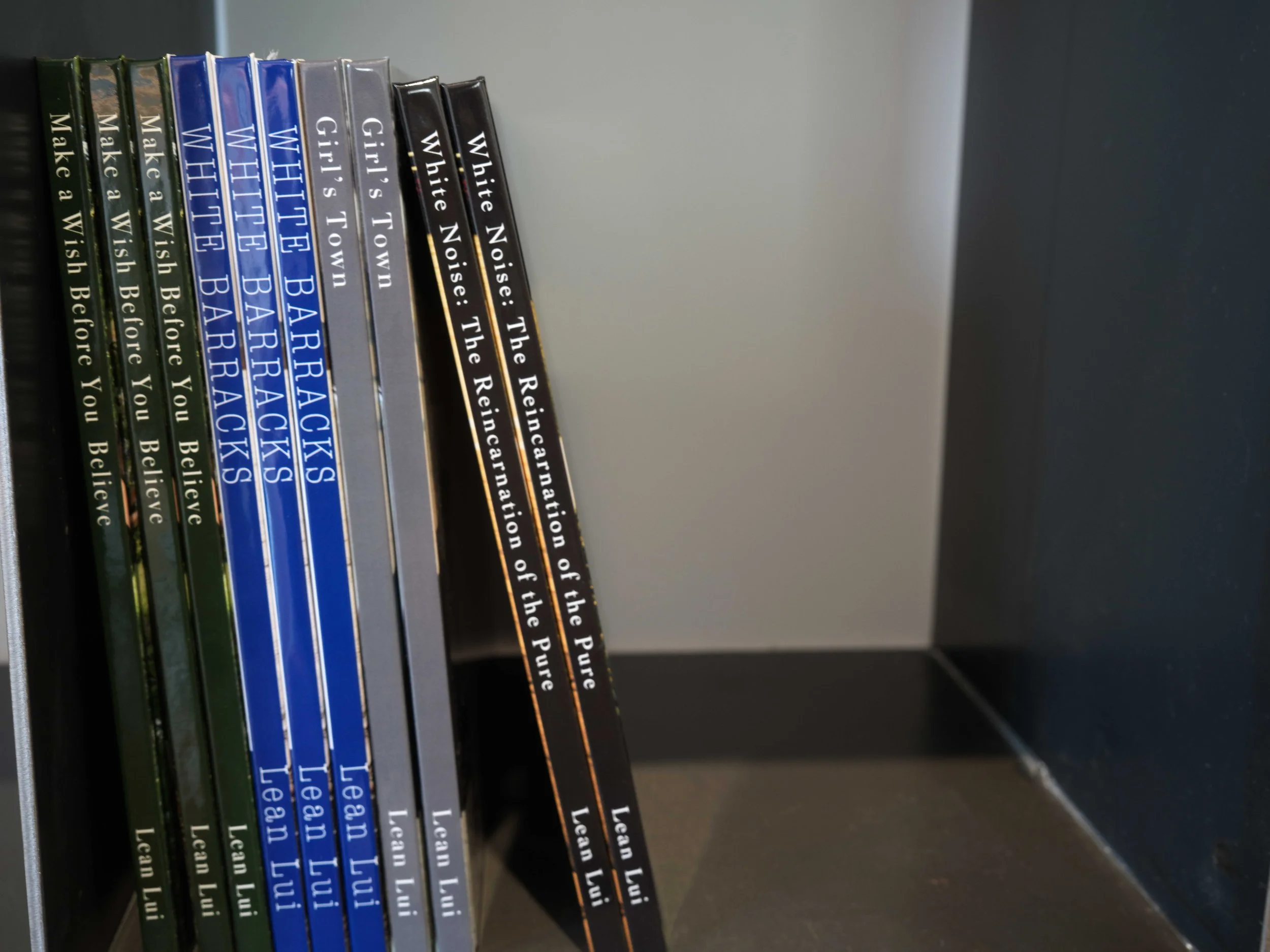
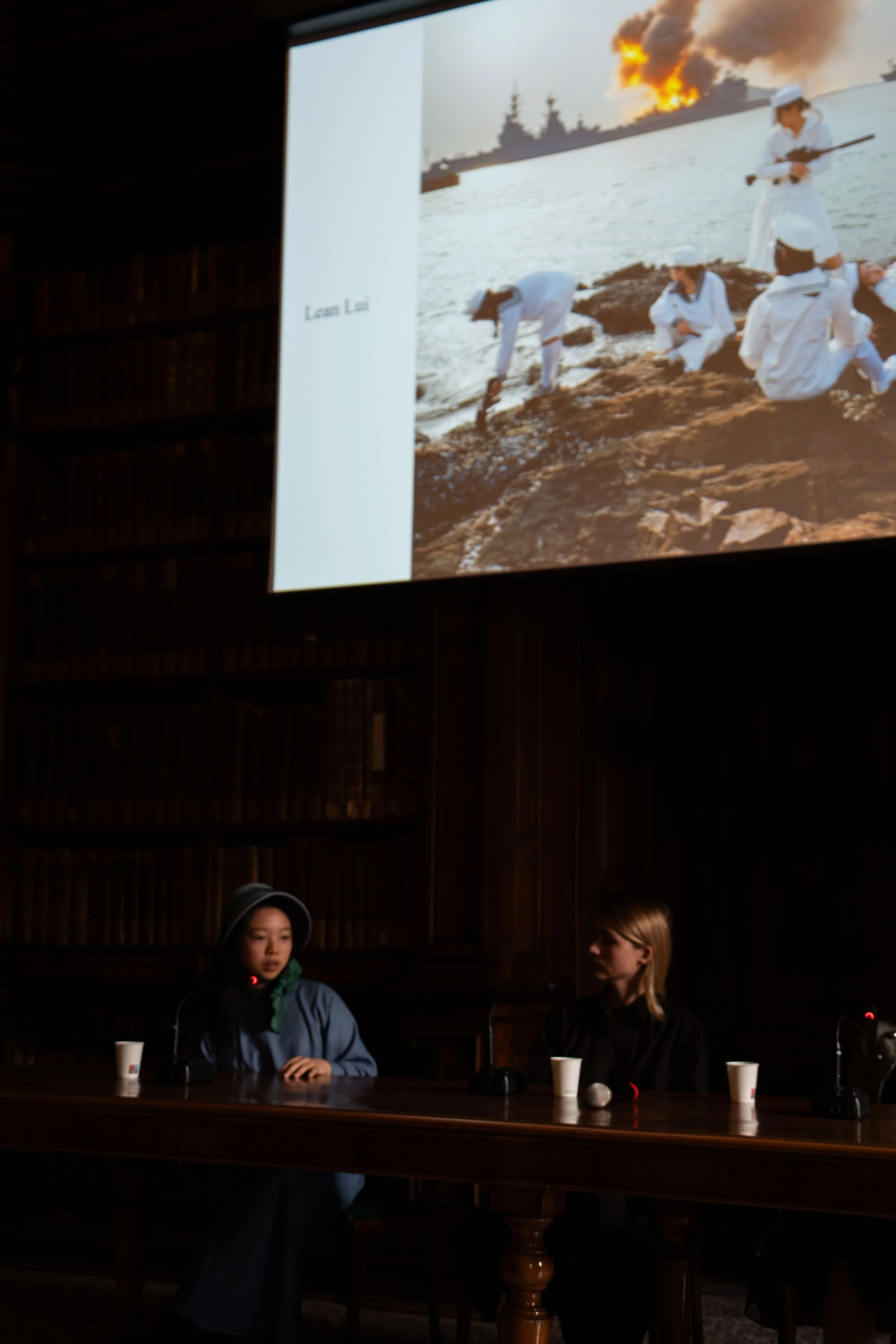
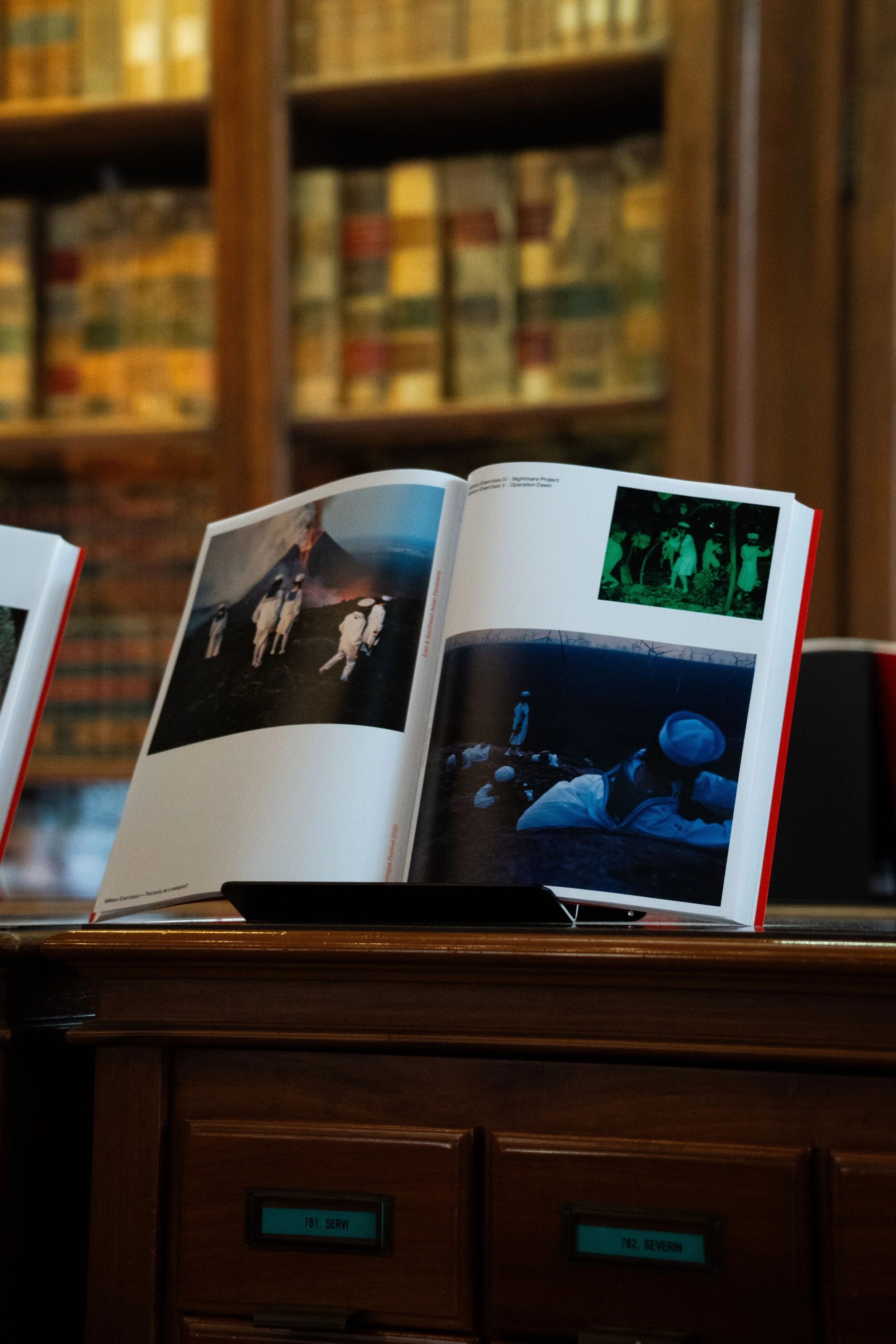
From there, she began her own long process of imagining and building. In the White Barracks series, she constructs a fictional island: a battalion of girl soldiers stationed there, drilling daily, watching distant artillery fire. At the island's center stands a crystal monument, inscribed with a single line — With the most ruthless weapons, we guarded the purest hearts.None of this exists. But what it describes, Lean Lui says, she is certain has existed or will exist somewhere in the world.
Lean Lui was born in Hong Kong and came of age inside a visual language forged by consumer culture, the gendered gaze, and imperial aesthetics. This language has a long manufacturing history. As an East Asian girl, she grew up surrounded by its pressures; and yet the ambiguity and flux of East Asian culture have shaped her just as deeply. She did not leave this language — she loosened it. Her self-identification is as a contemporary girl — though clearly not the kind she grew up watching in the idol dramas of her childhood.Thisdefinition is visible in her work. The girls in her images are not objects of the gaze. They are people who chose to stand where they are standing.
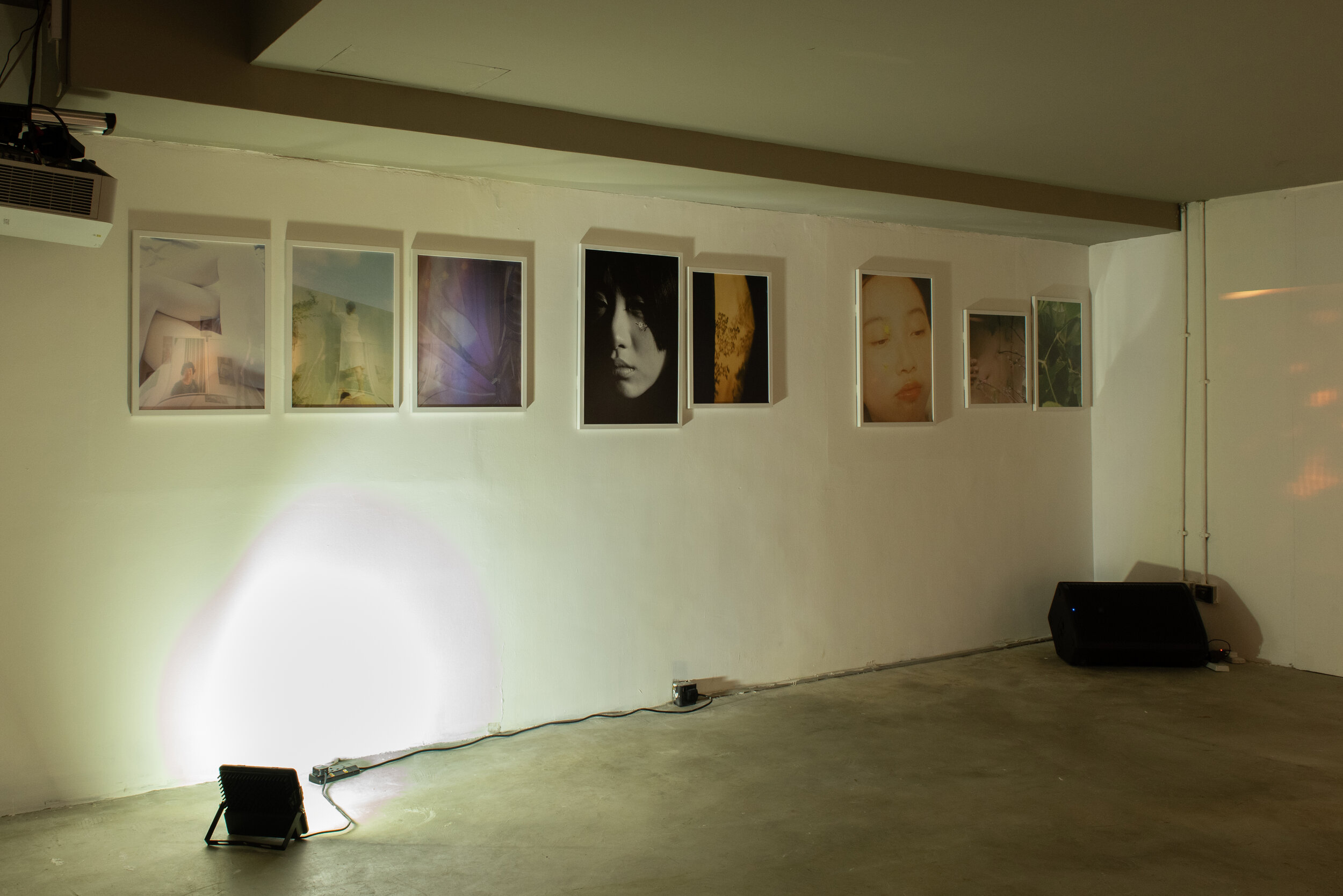
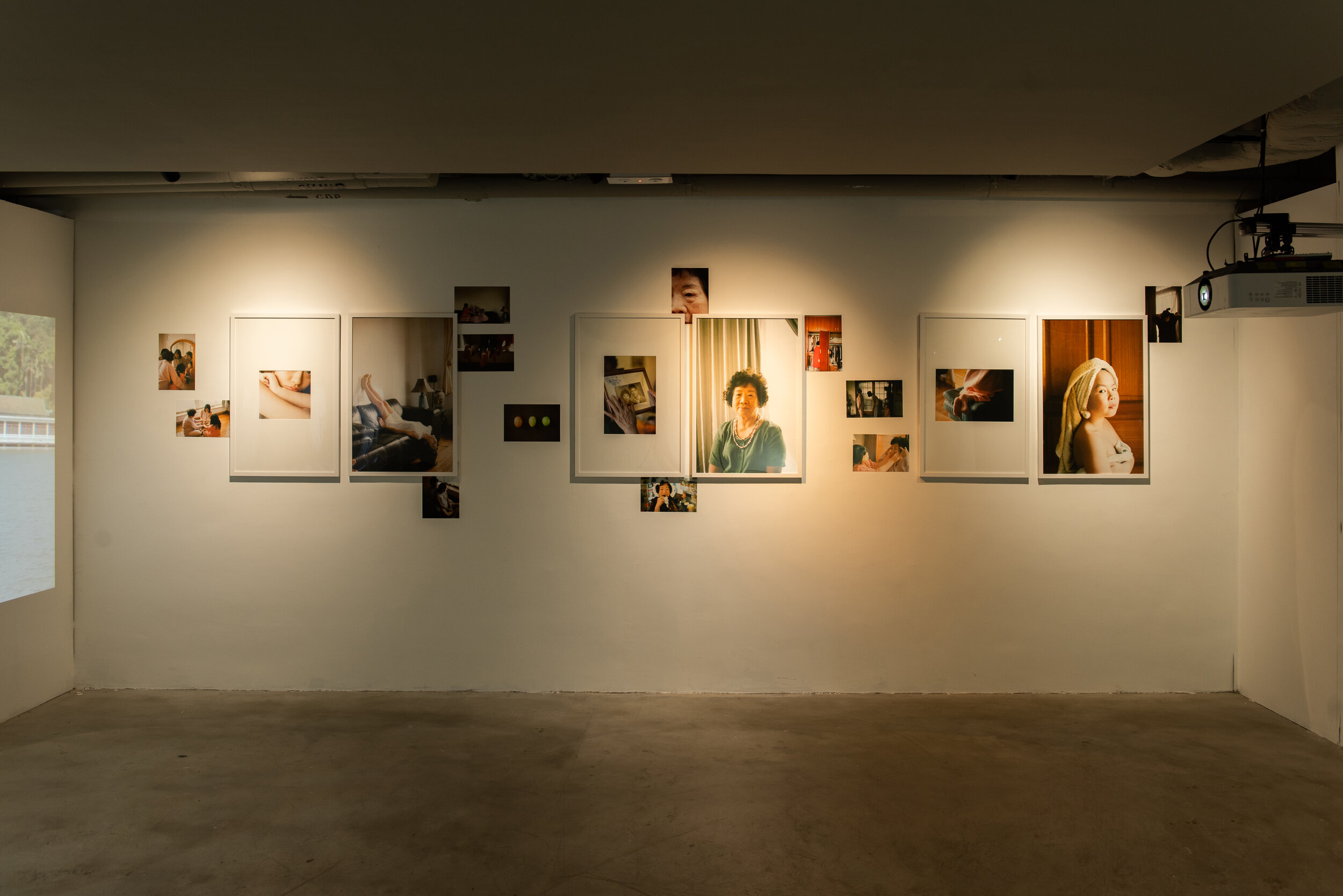
This exhibition gathers work from across several of Lean Lui's series — a summoning of the Girl's Universe she has been building over the years. She says the Girl's Universe has no heroes, no victories — only people who remain present inside the debris of history and its broken symbols. The universe itself may have no endpoint, like the Tao — only a state of continuous motion. They remained. And that, in itself, is already an answer.
And she remained.
<White Barracks>, Biblioteca Nazionale Braidense, Milan, Italy, 2026
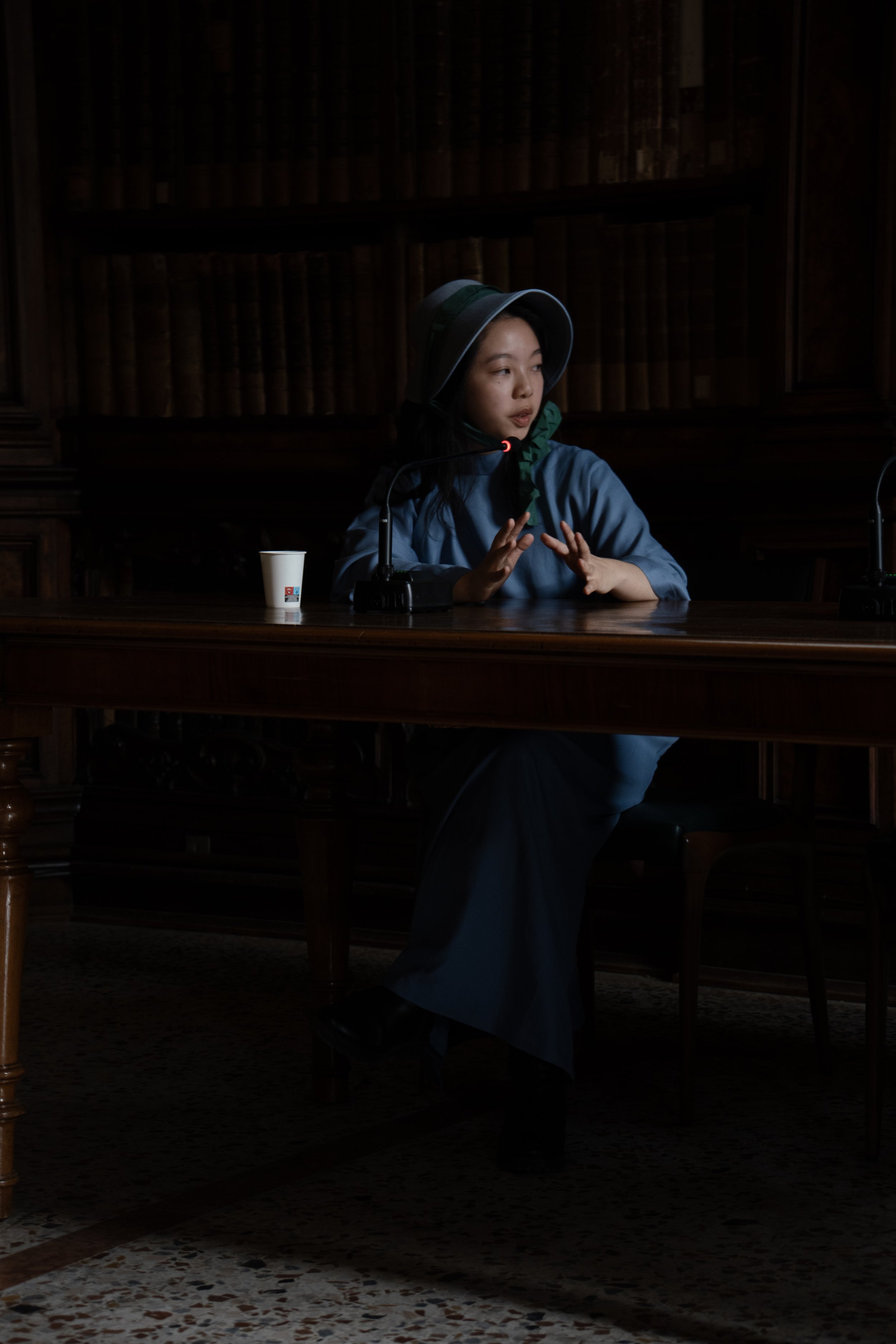
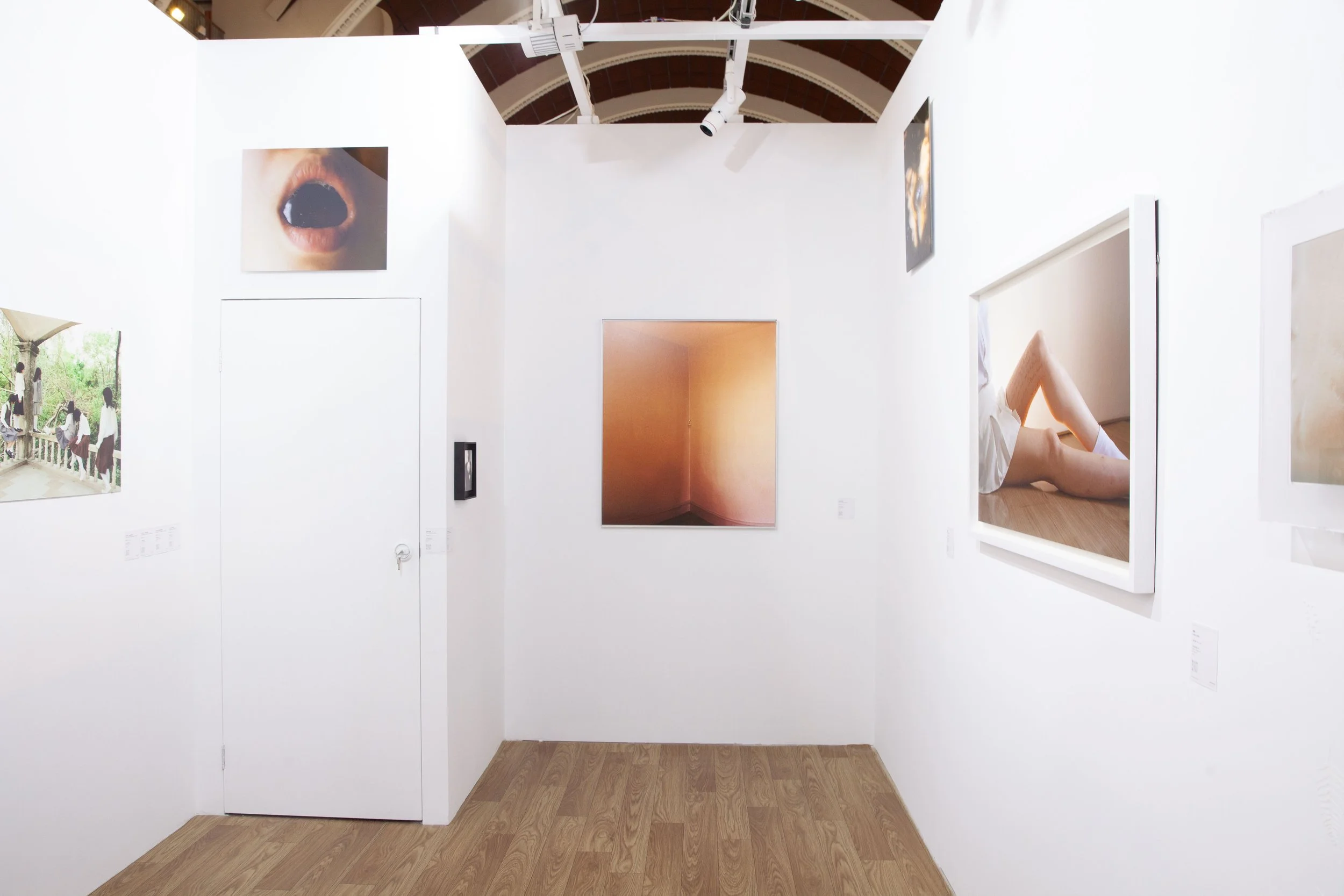
Solo Booth in PHOTOFAIR SHANGHAI, PETITREE, 2025




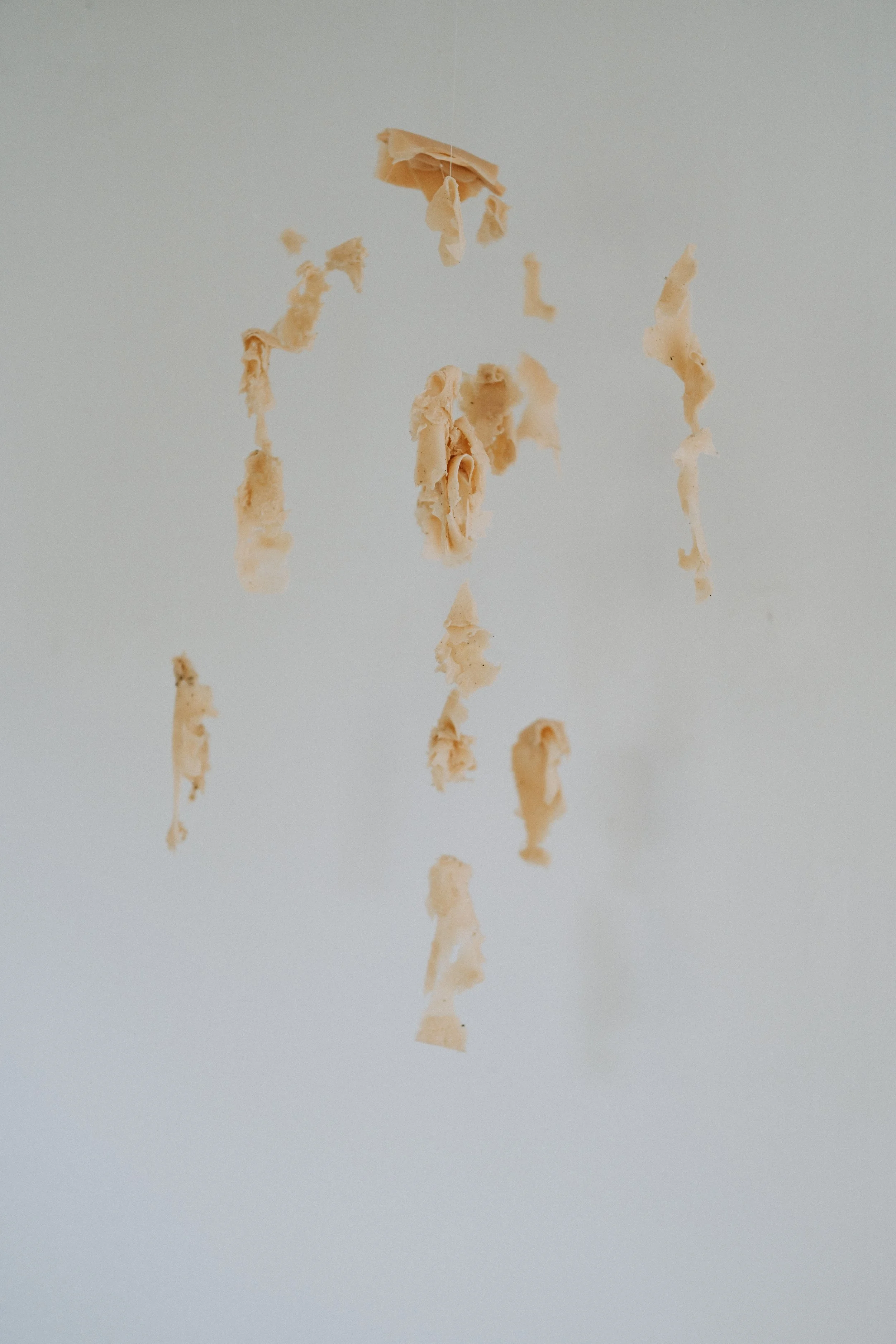
“Lipid: Soft and Halcyon” WALLPAPER FELLOWS Residency, Xiamen, China, 2025
Curator:Roxy Y.Tang




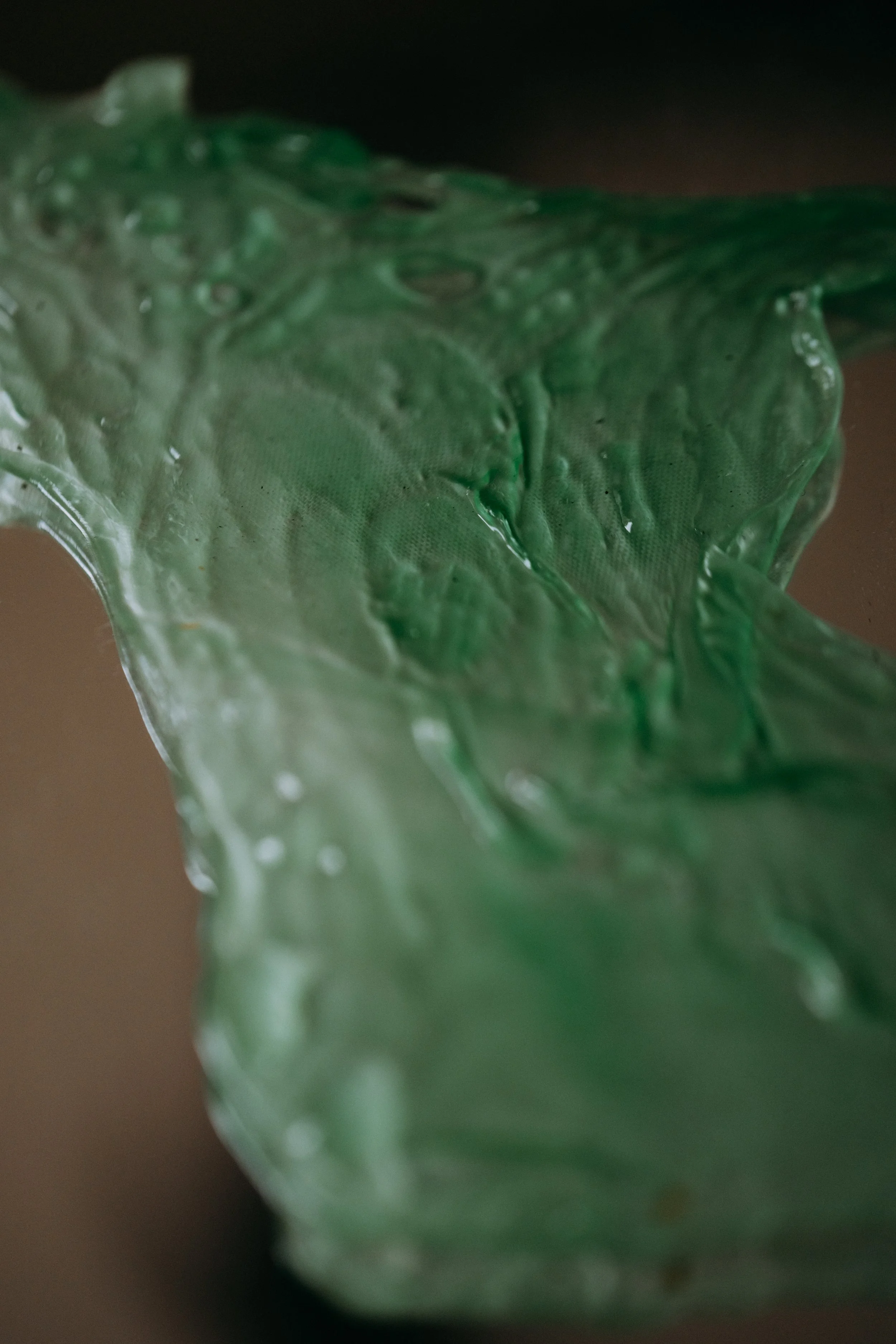


<The Postman Always rings the bell twice>, PETITREE, Shen Zhen, China, 2024


<Strait is the Gate>, Duo Show, Goethe Institute, Hong Kong, 2024


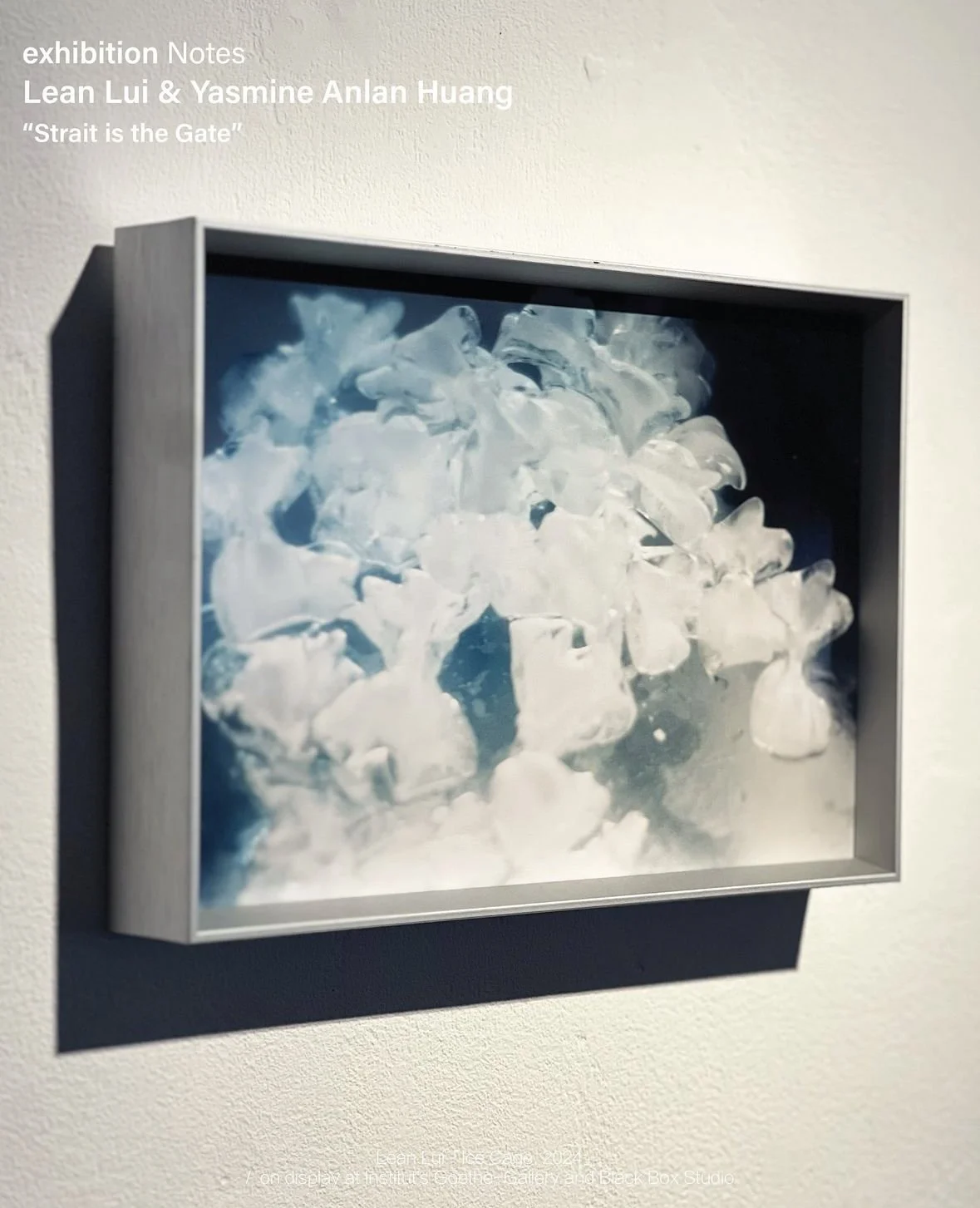


<Aseptic Field>,Boogie Woogie Photography, Hong Kong, 2024
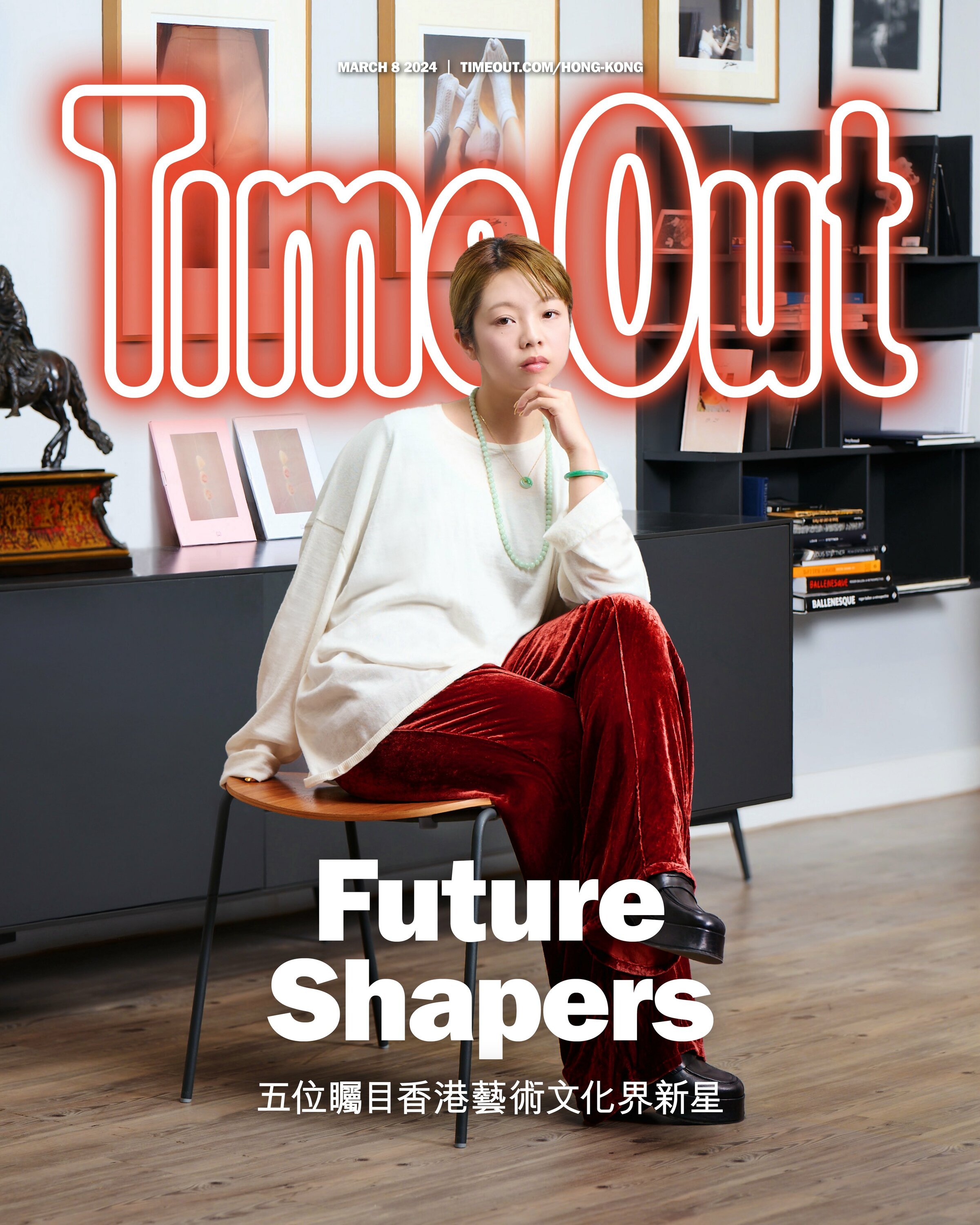
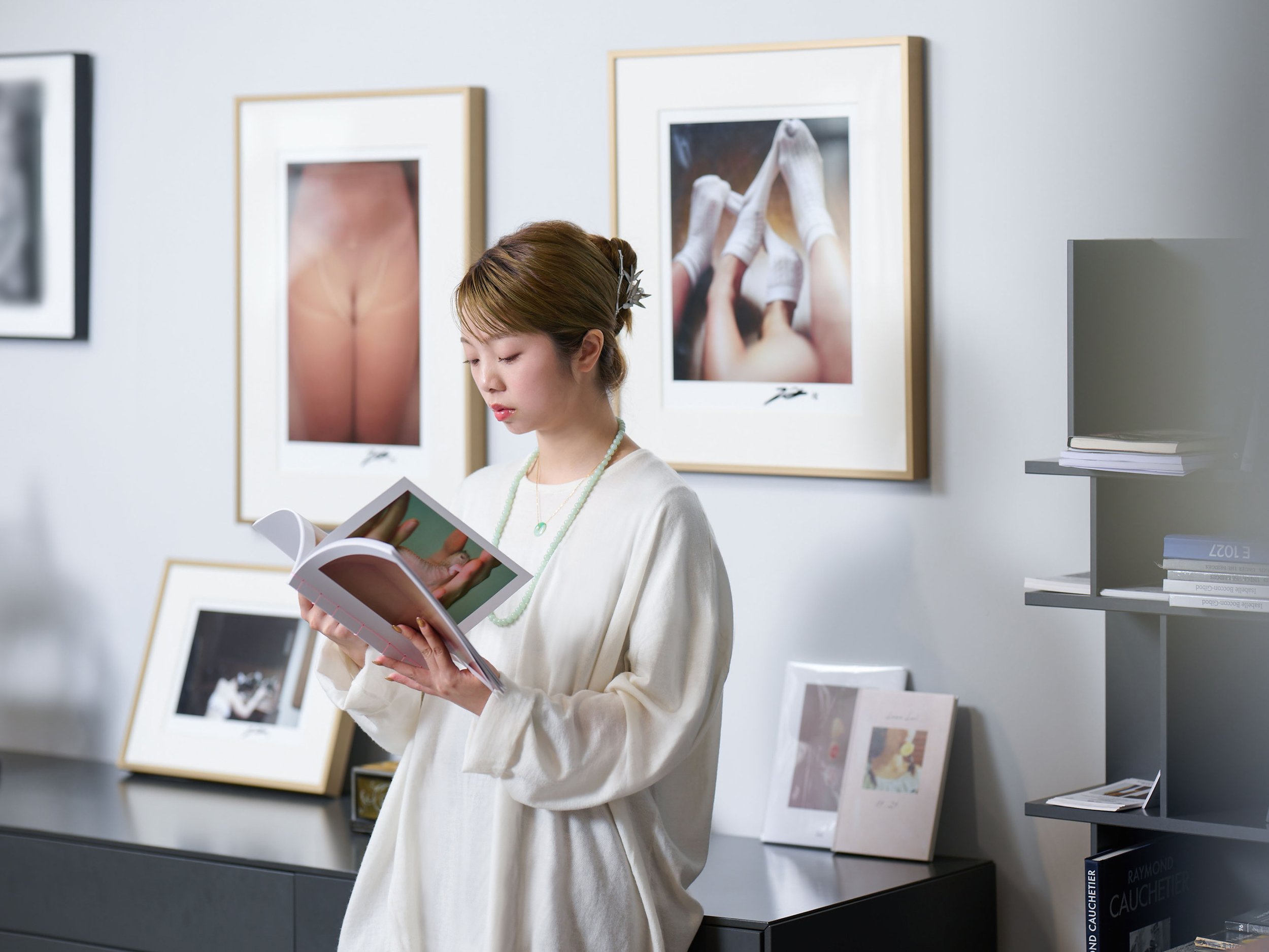
<不太純粹理性批判>, SIMULACRA Gallery, Beijing, China, 2023
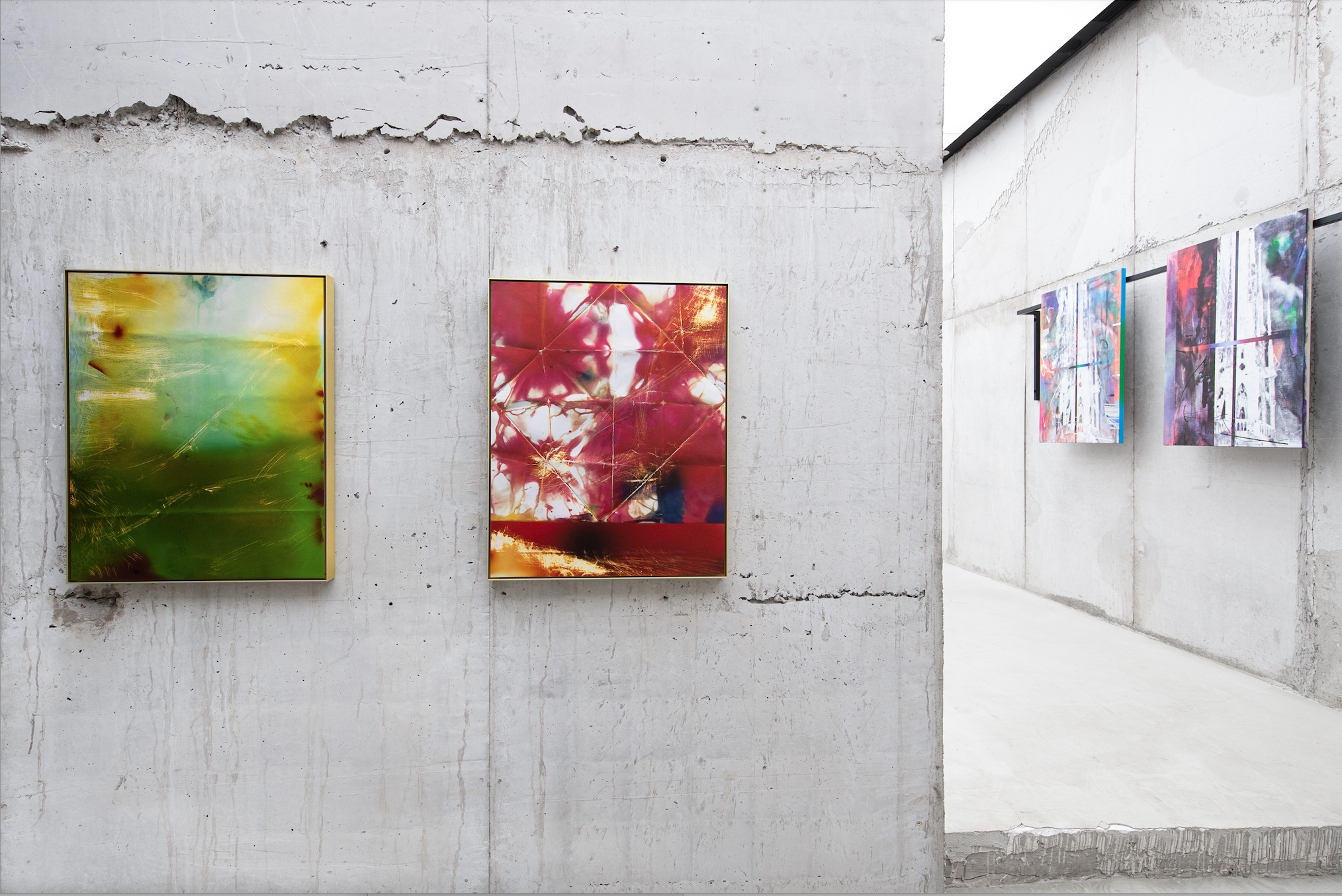
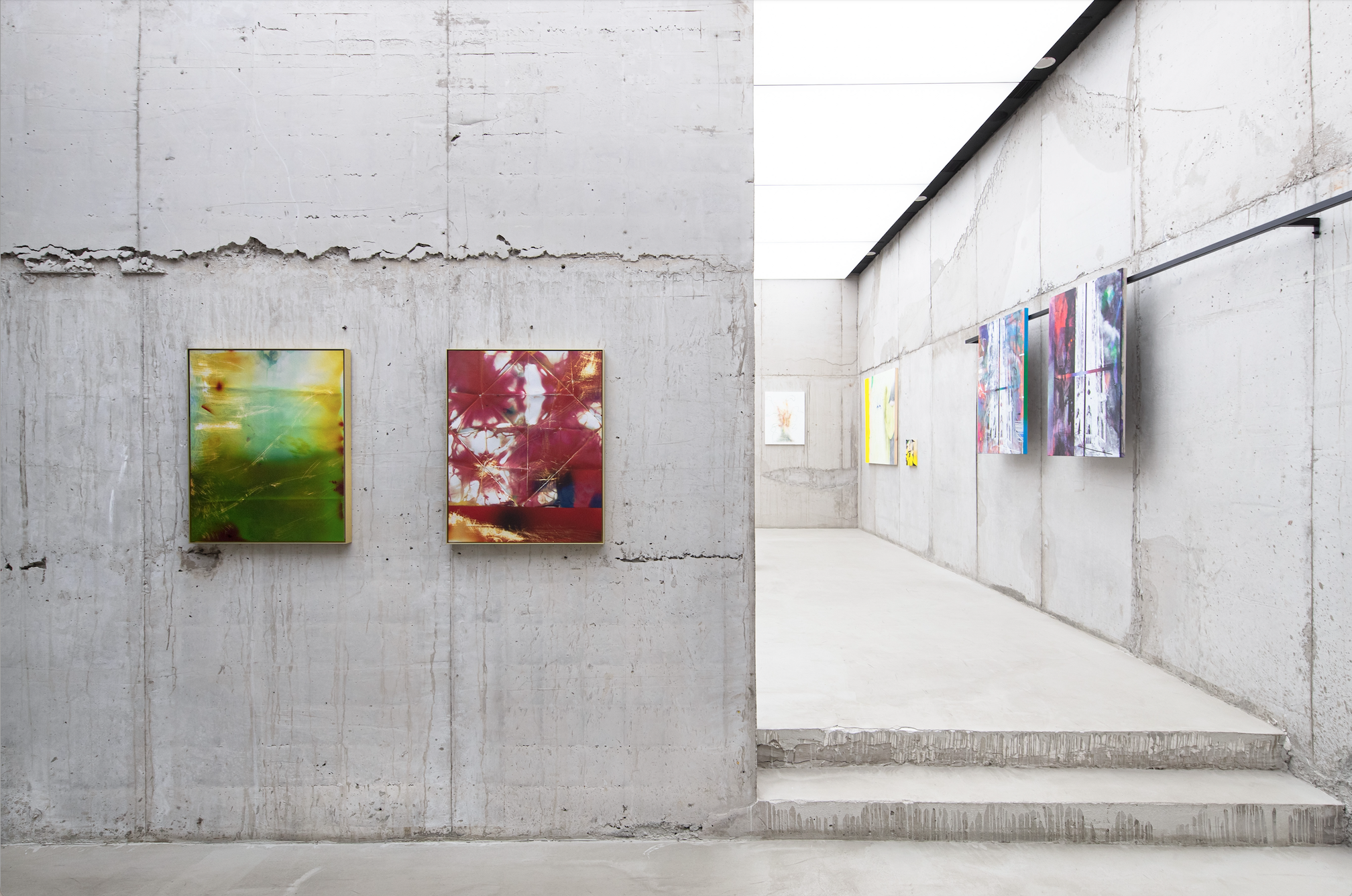
“Epoch” 驀, Tomorrow Maybe, Eaton HK, Hong Kong, 2020
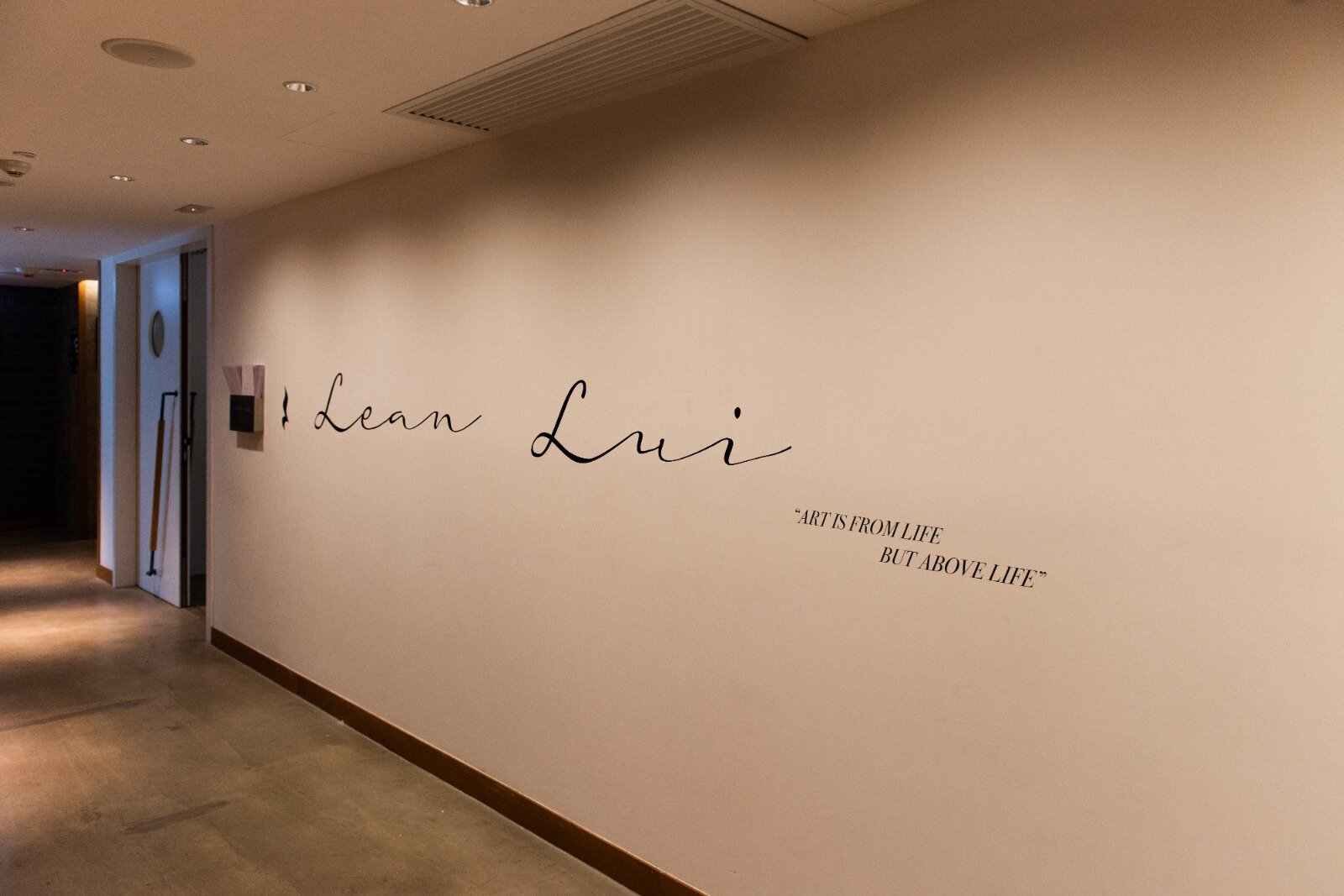
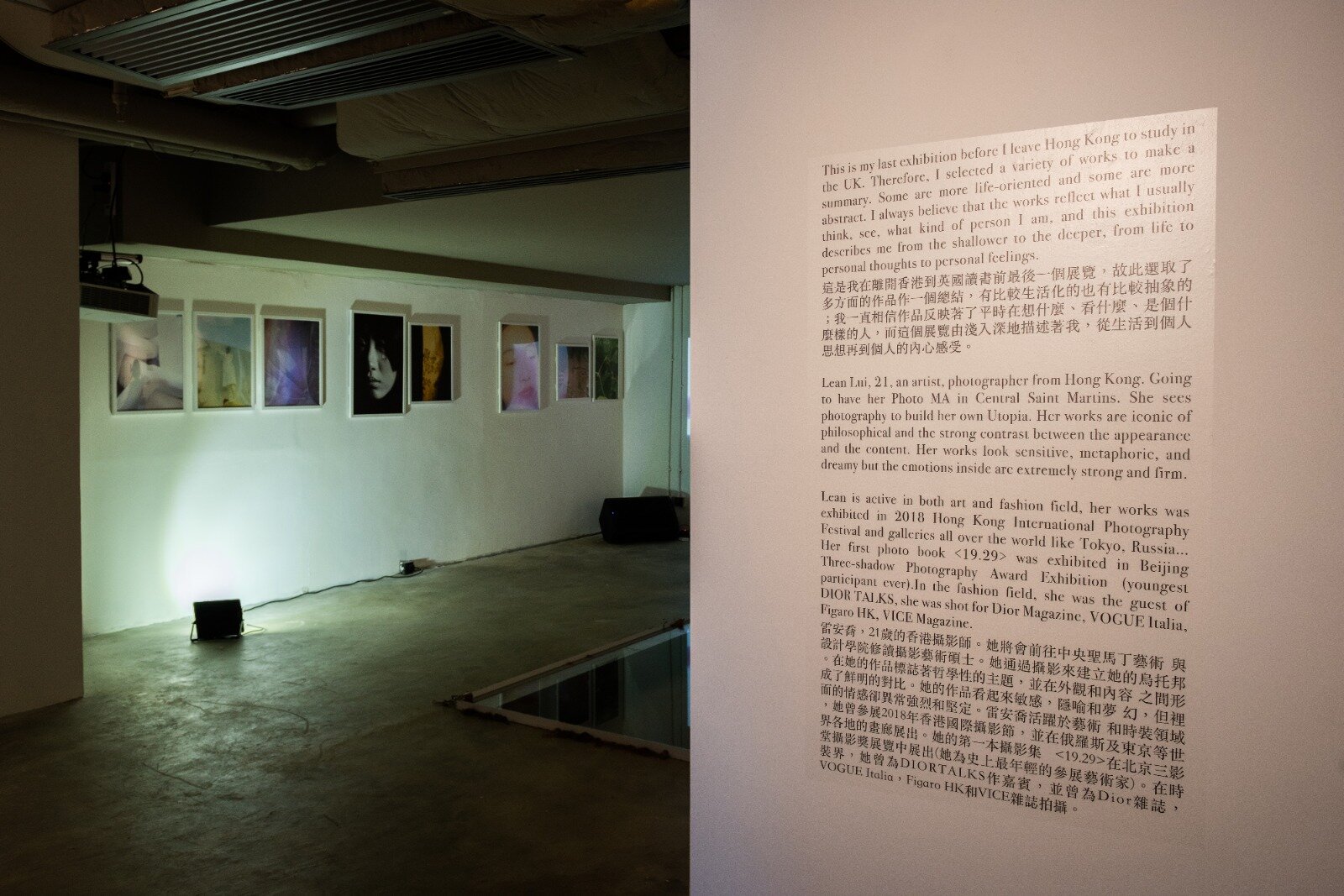
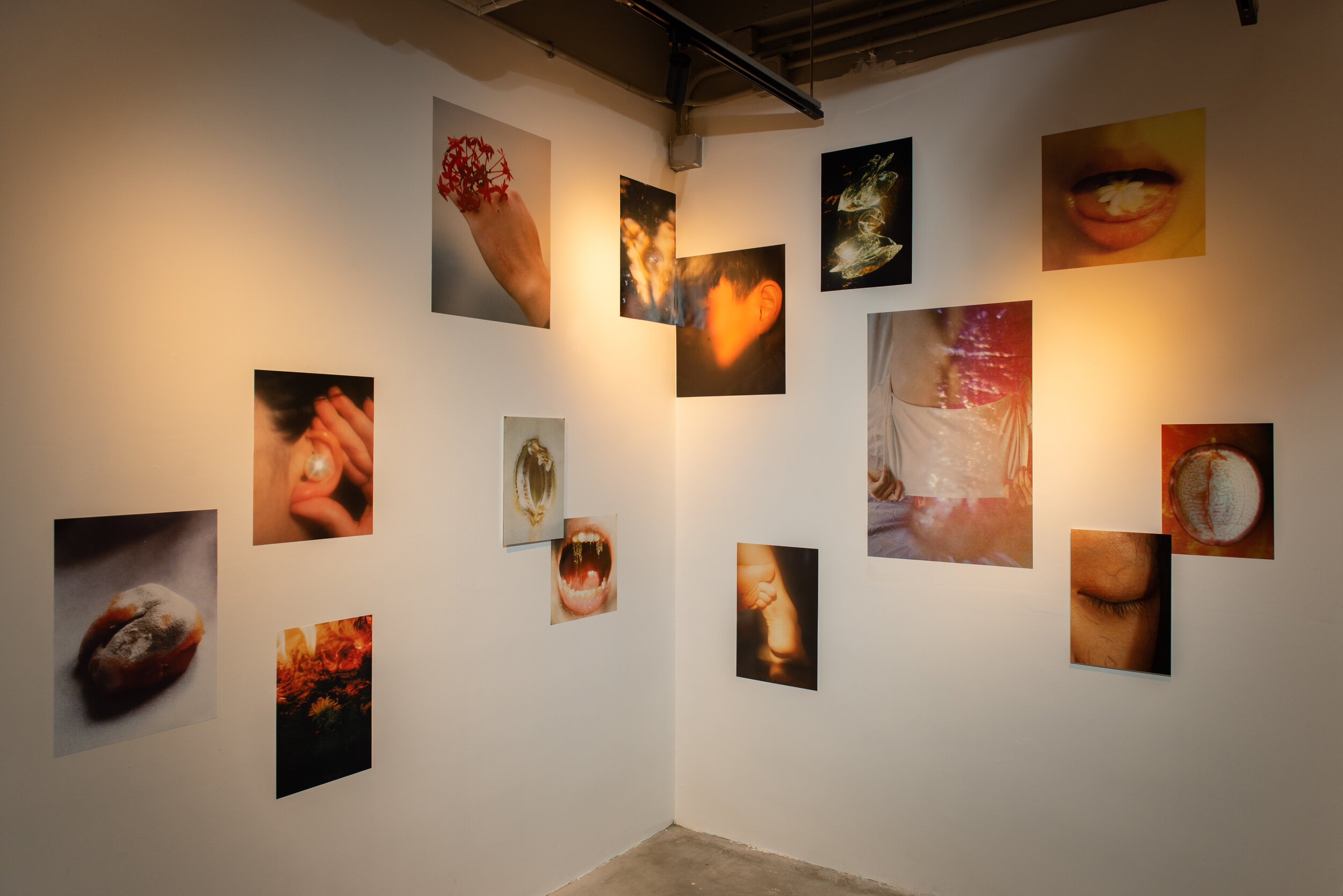
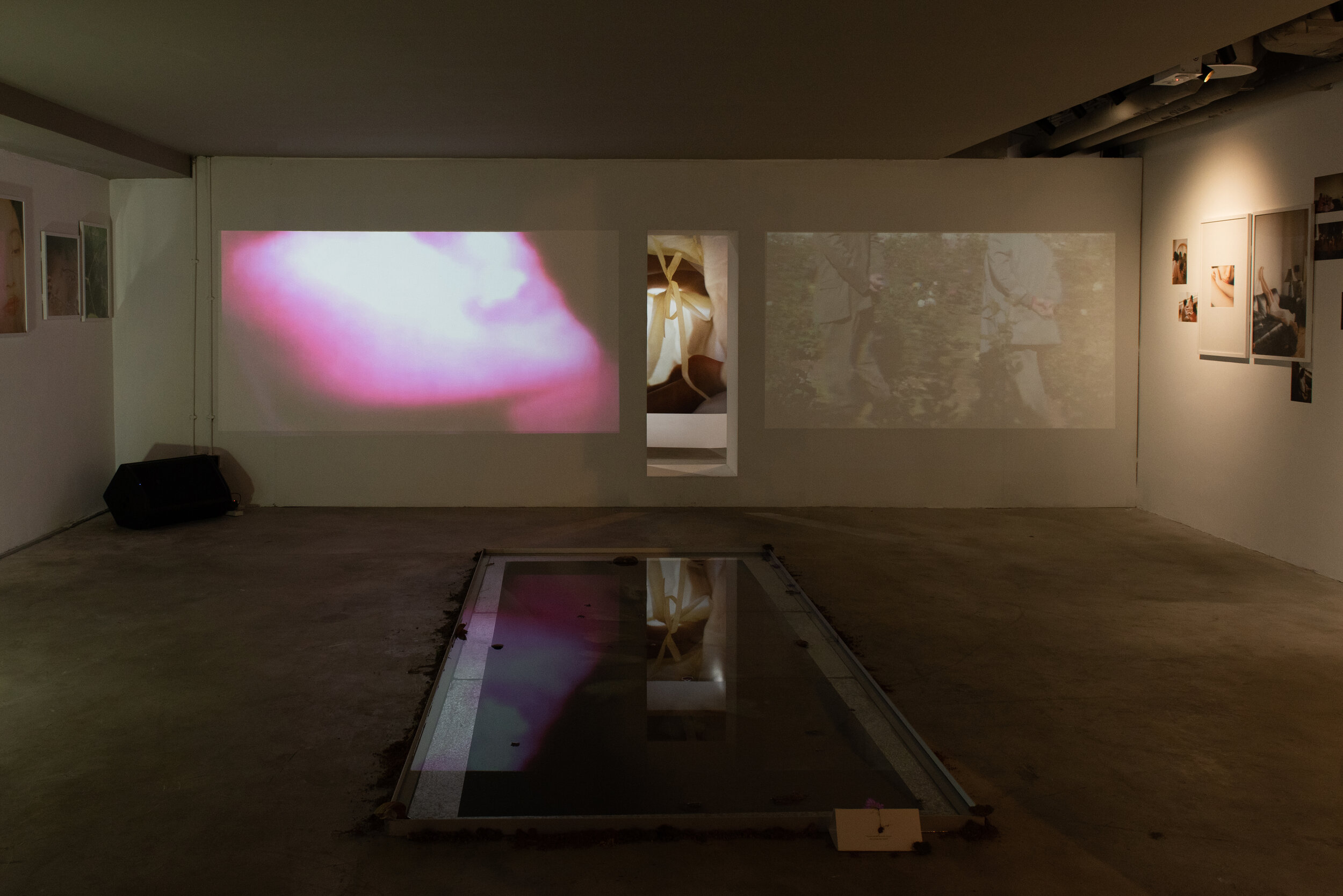
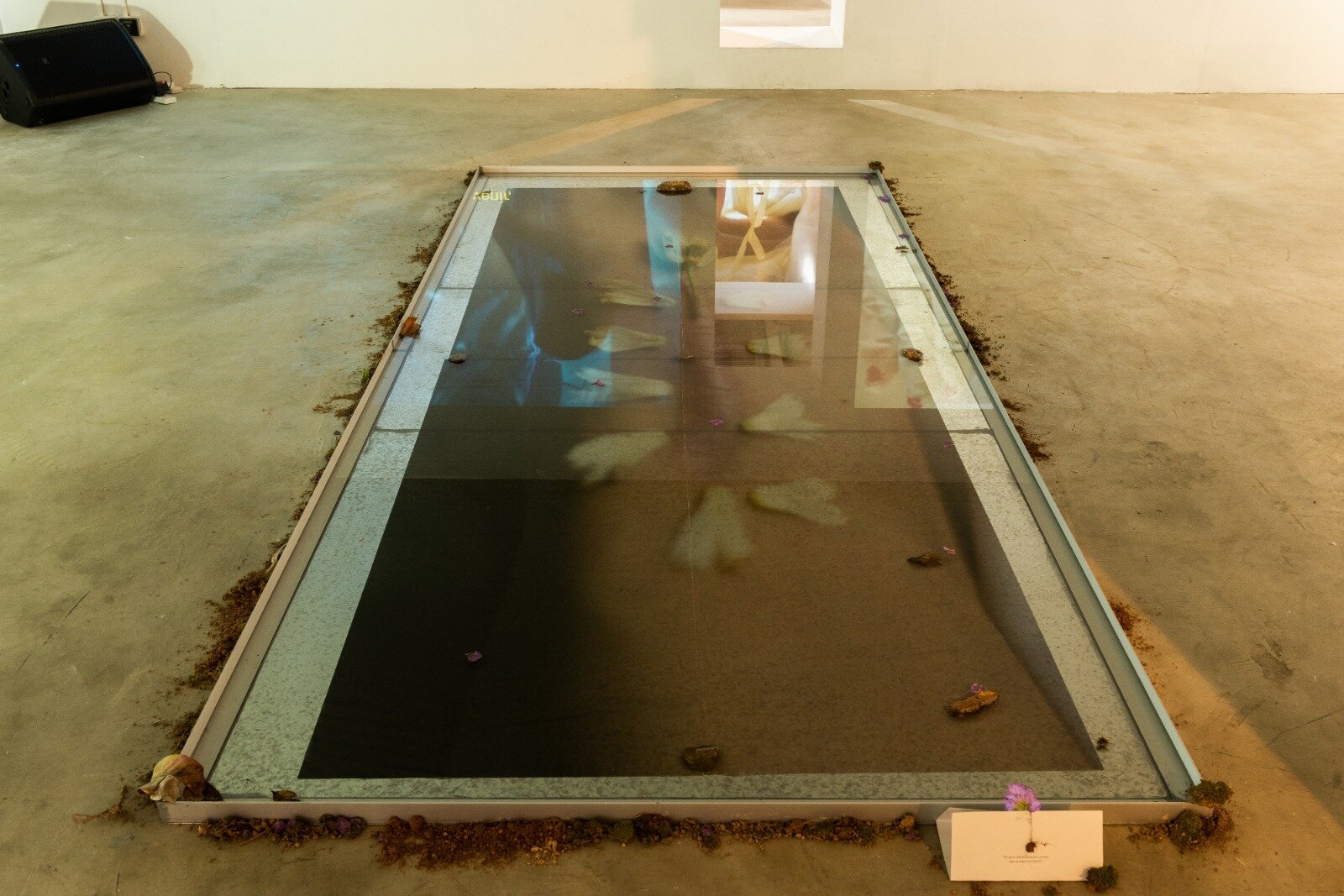
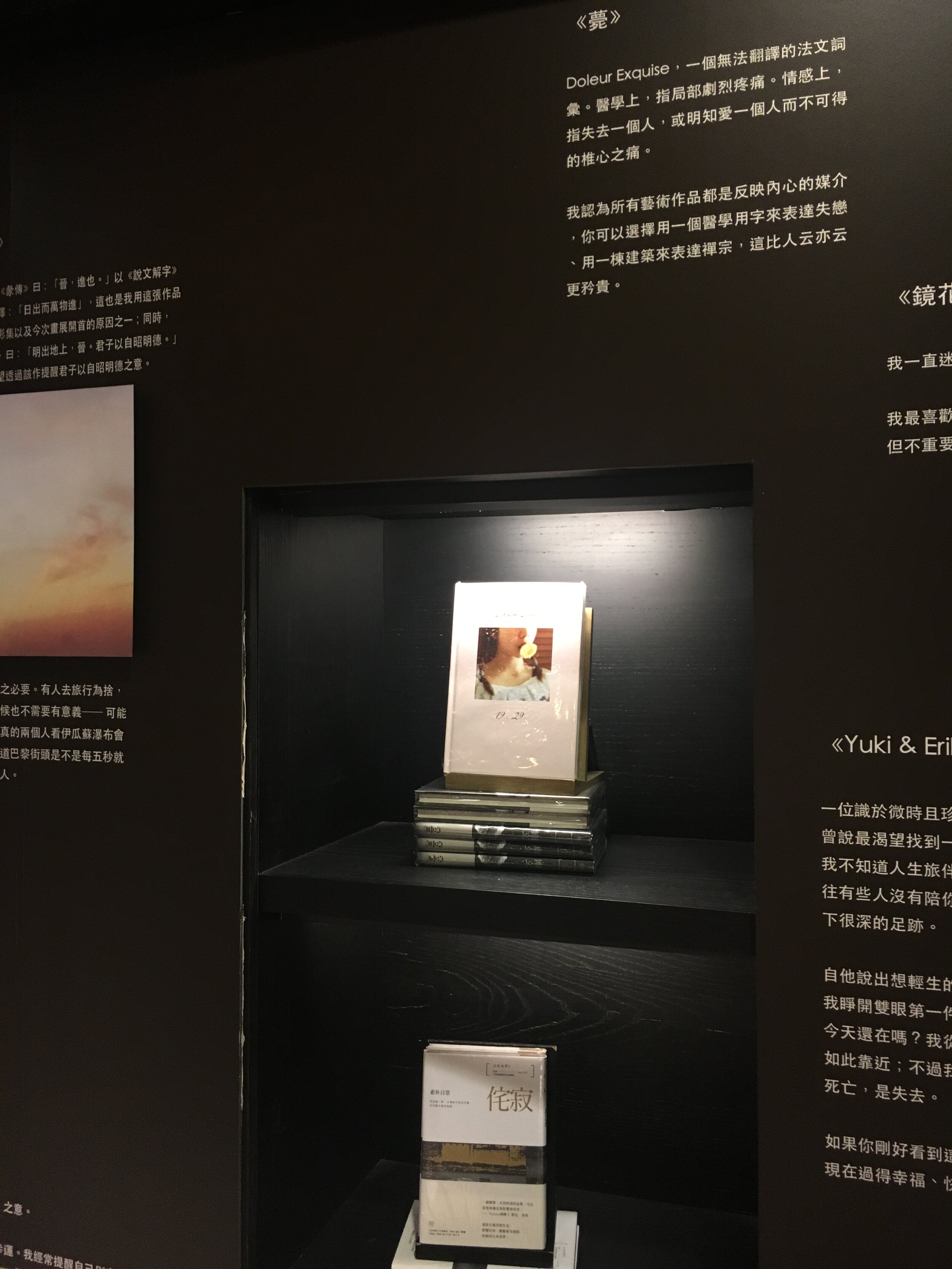
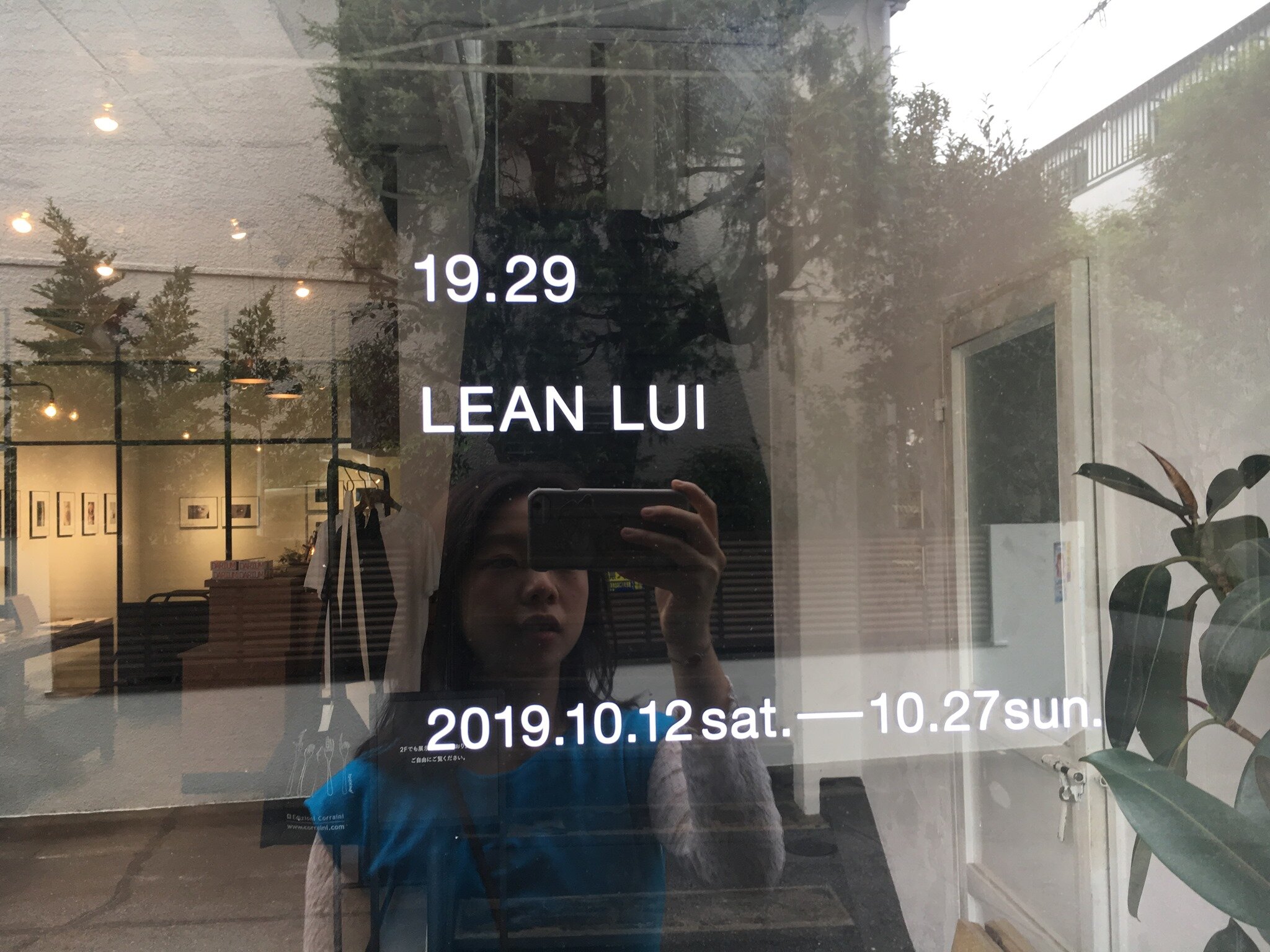
<19.29>, Book and Sons (Tokyo, Japan), 2019
<19.29>, Three-Shadow Photography Award Exhibition 北京三影堂攝影獎展覽 (Beijing,China), 2018
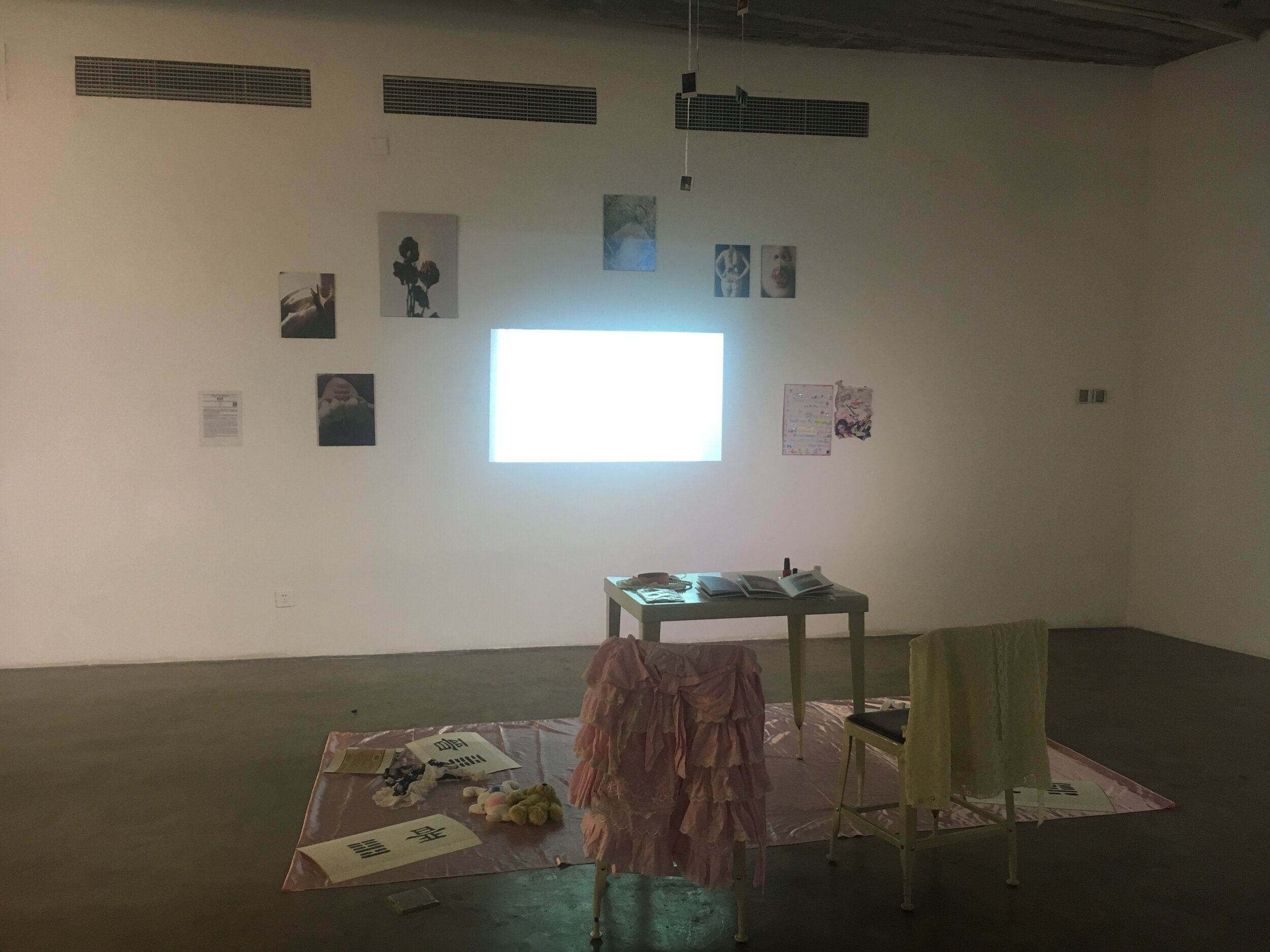
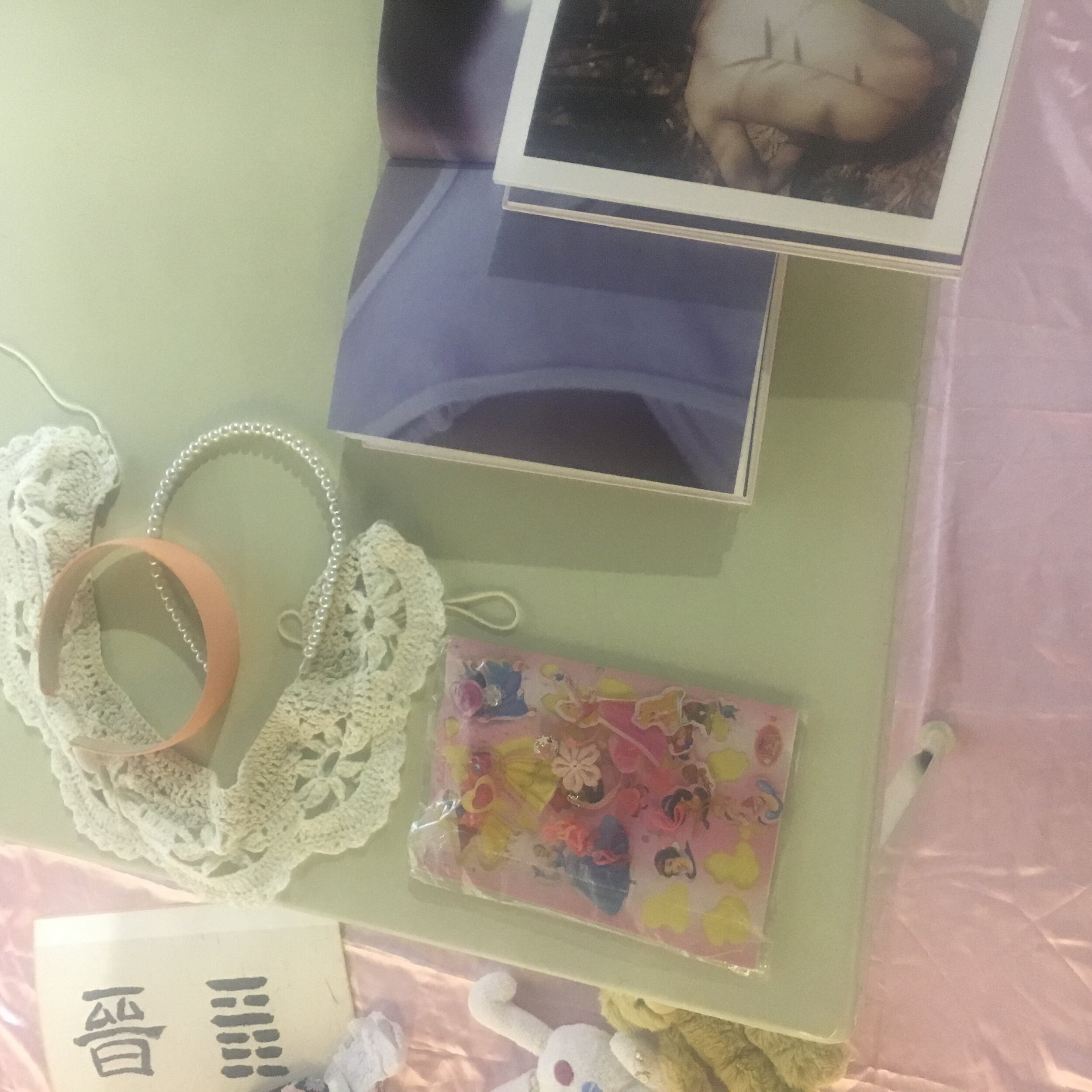
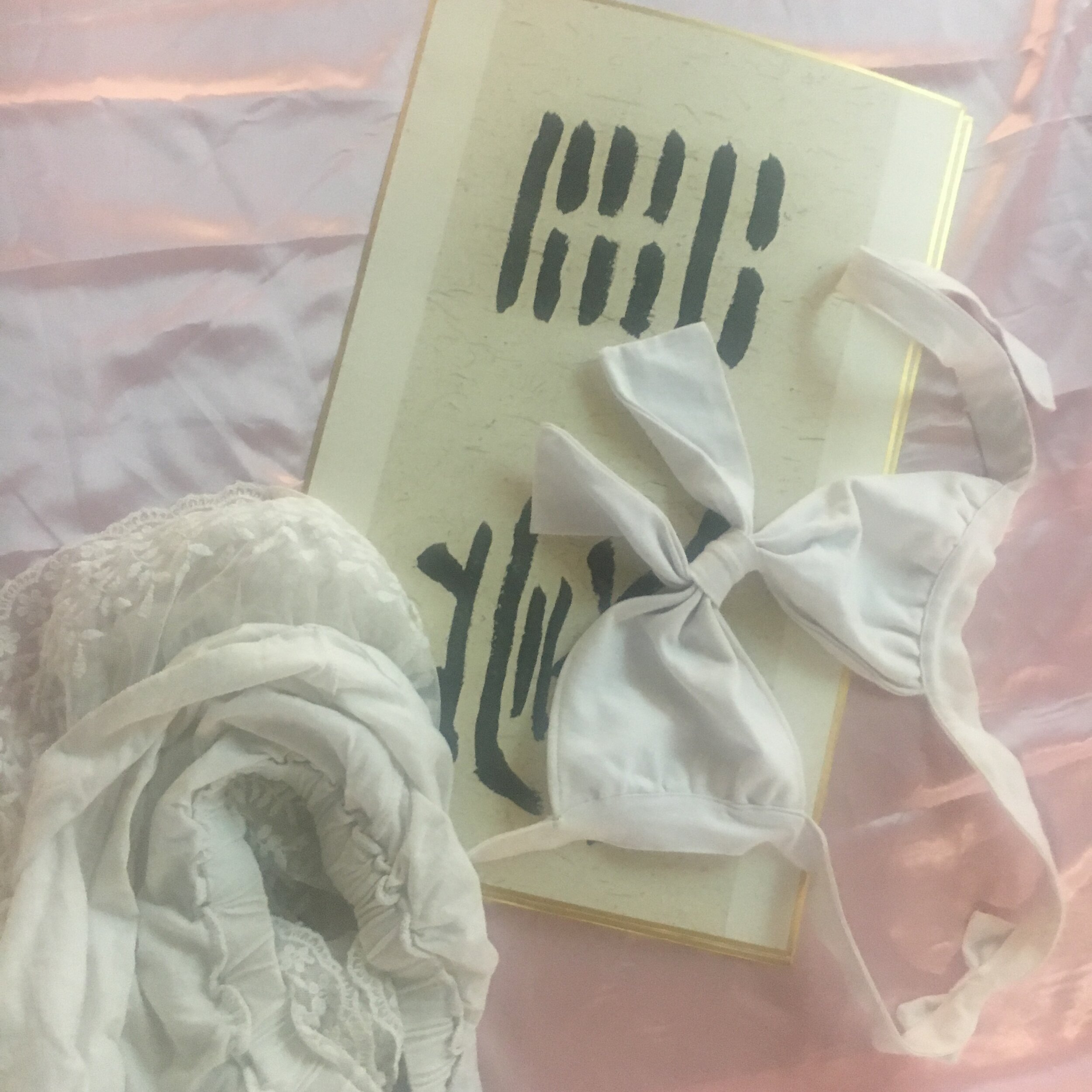
<19.29>, SPACE PLACE(Russia), 2019
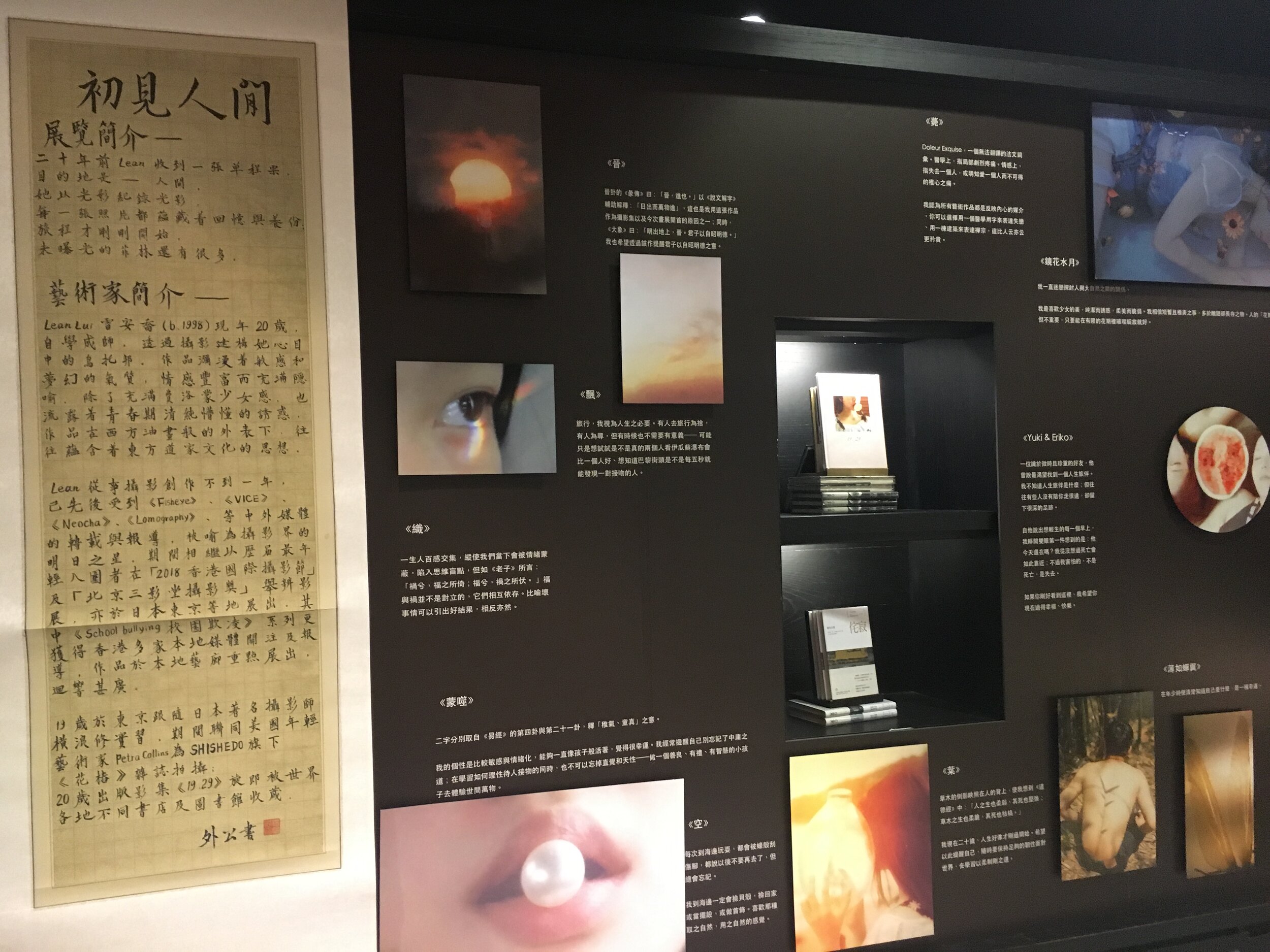
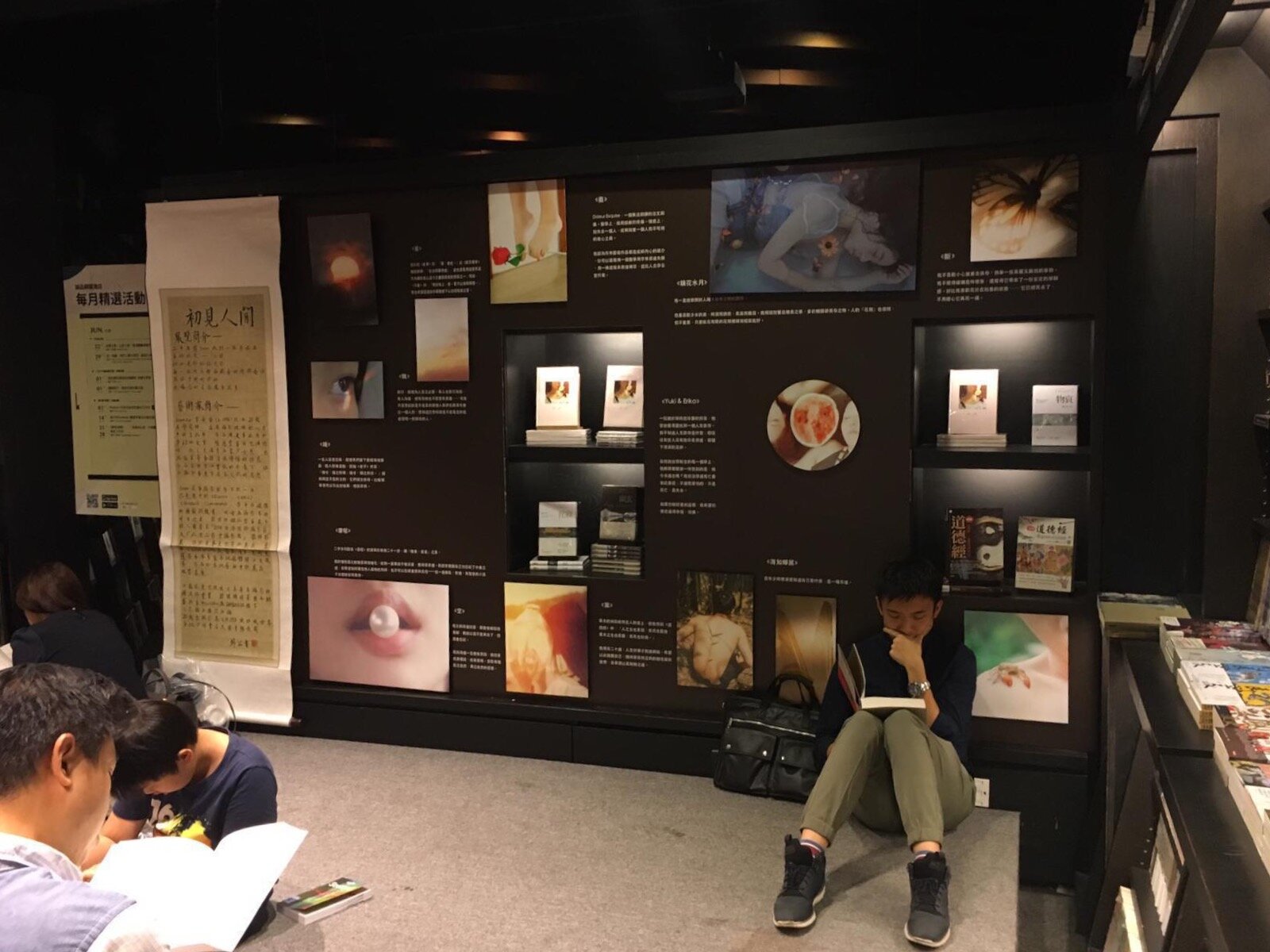
<初見人間>, Eslite HK, 2019