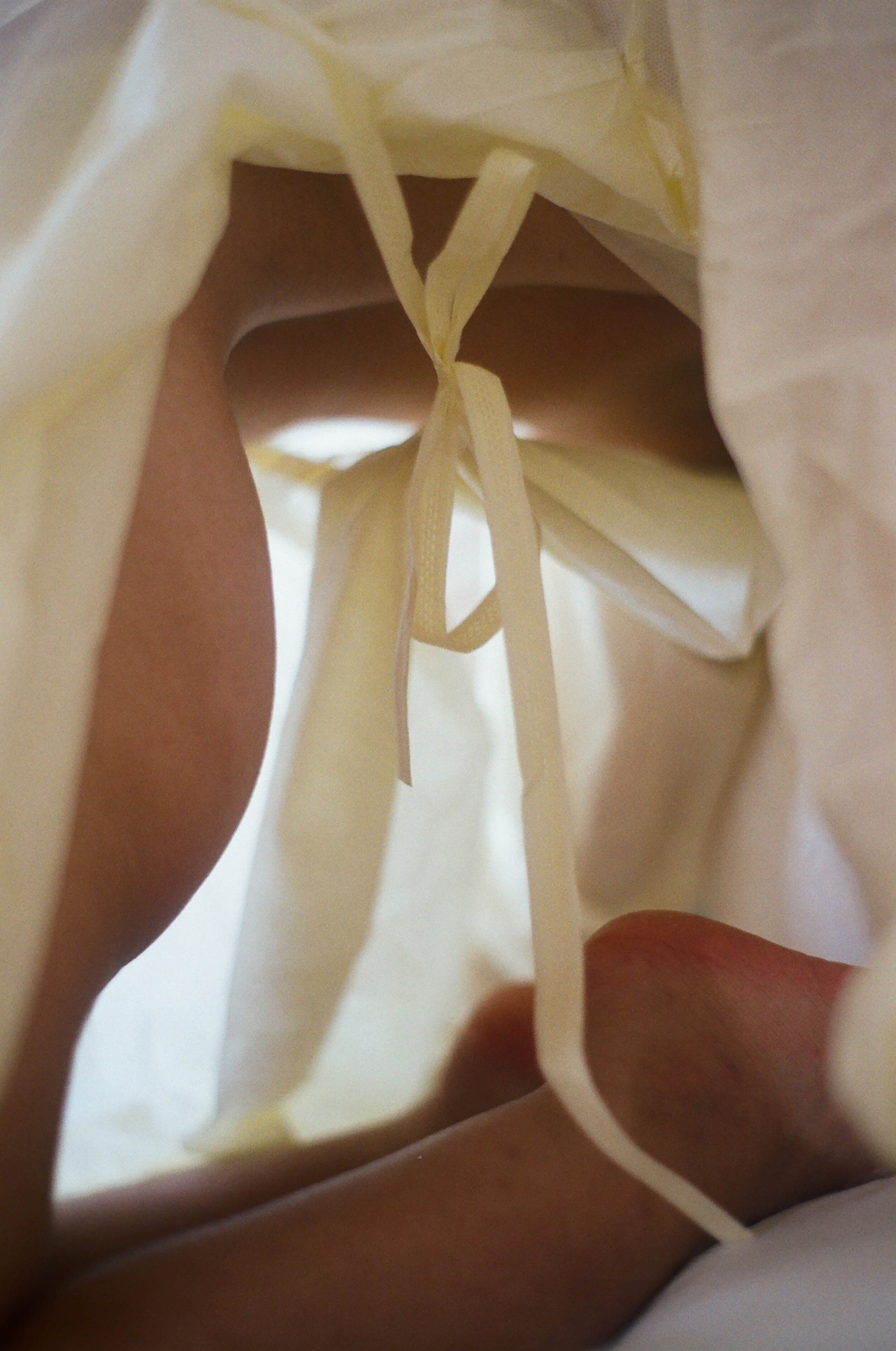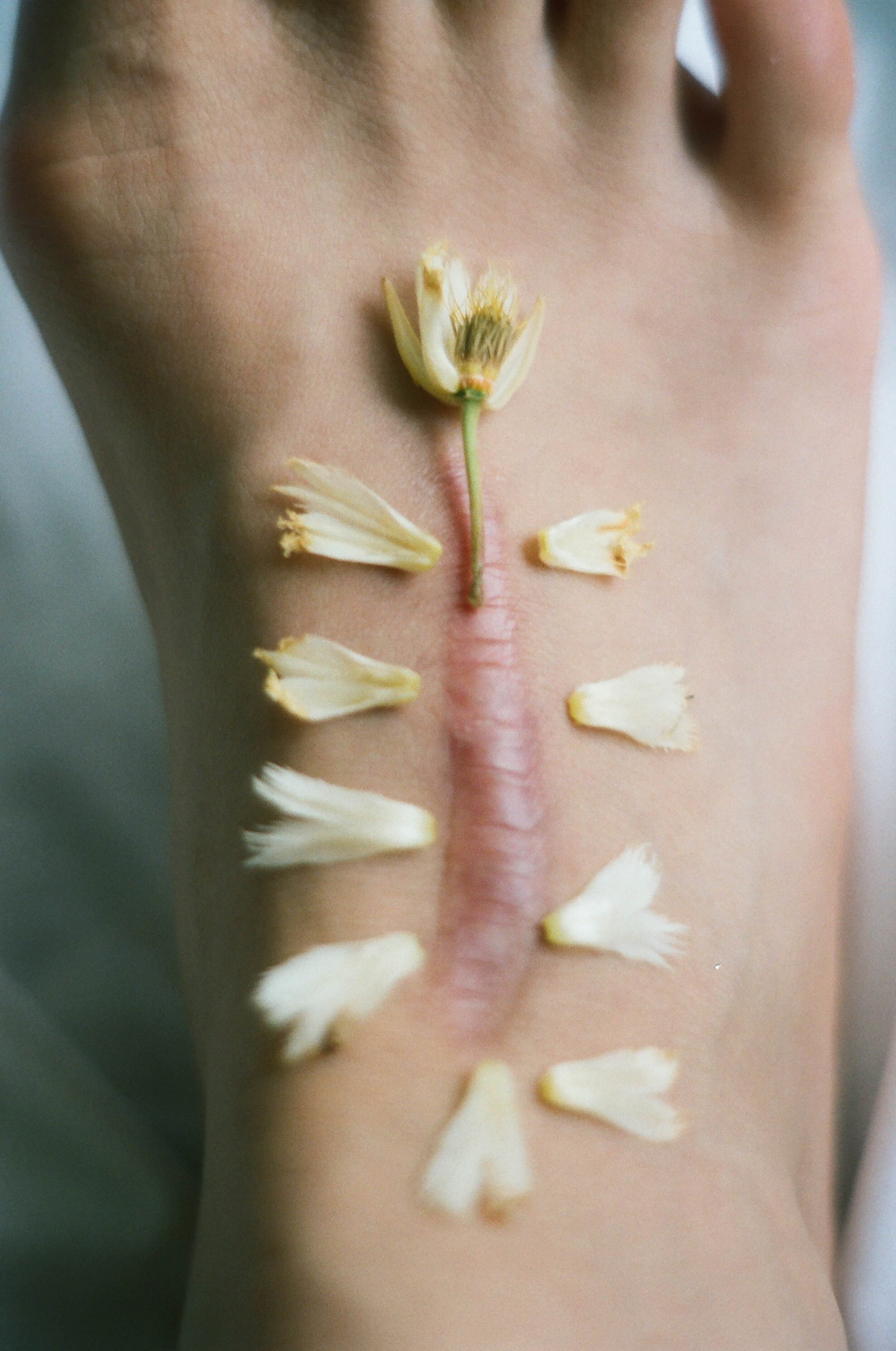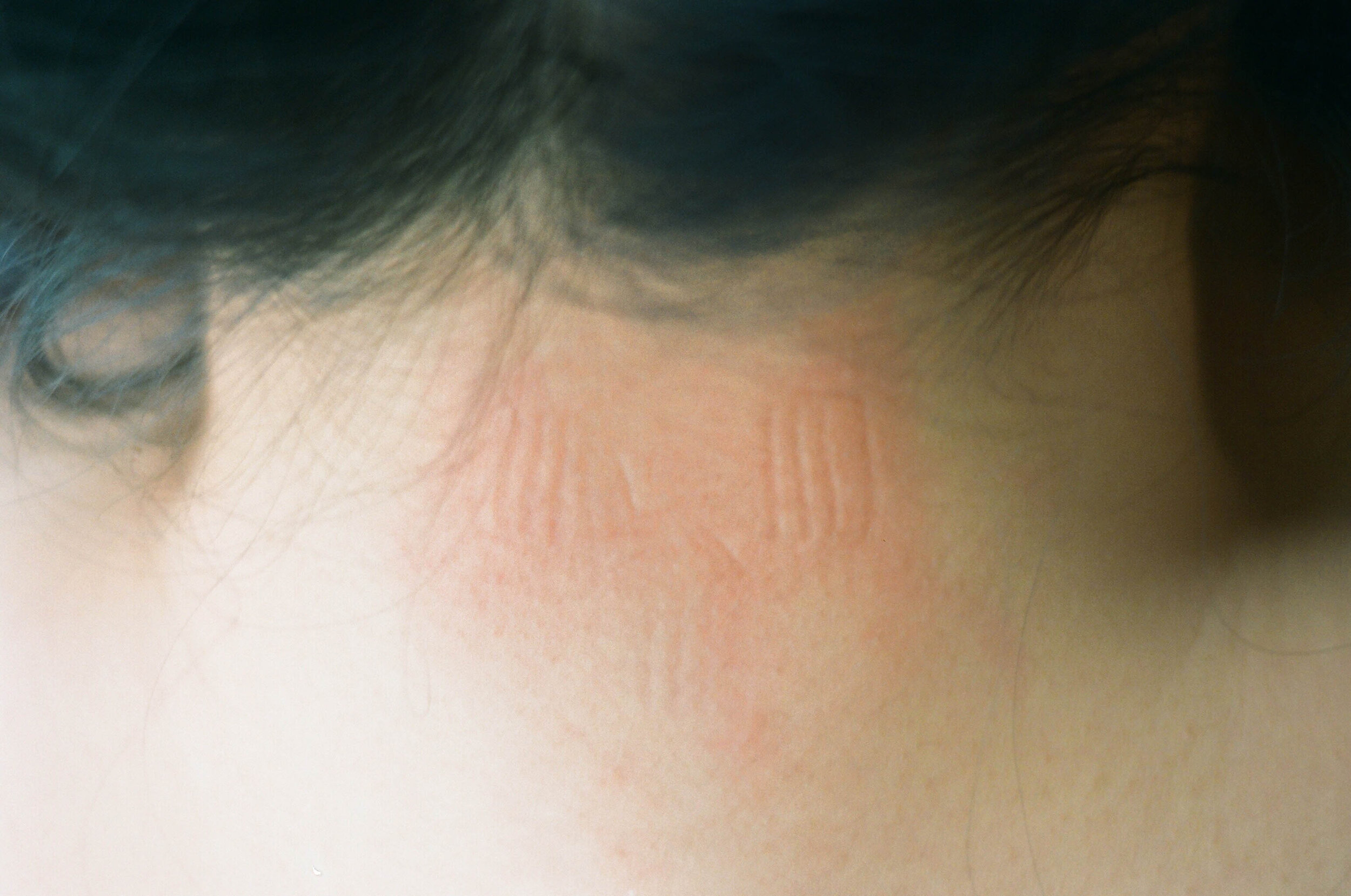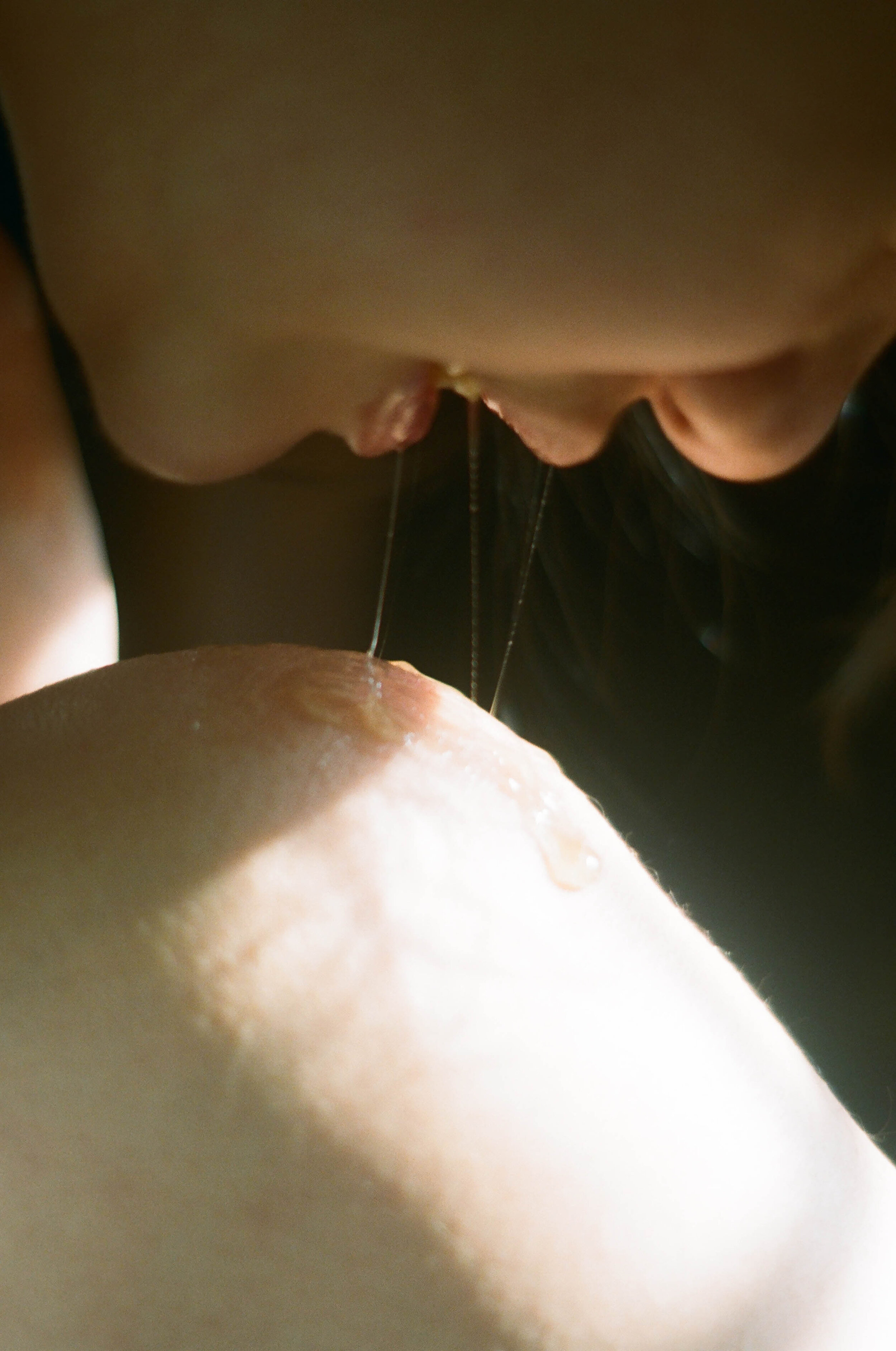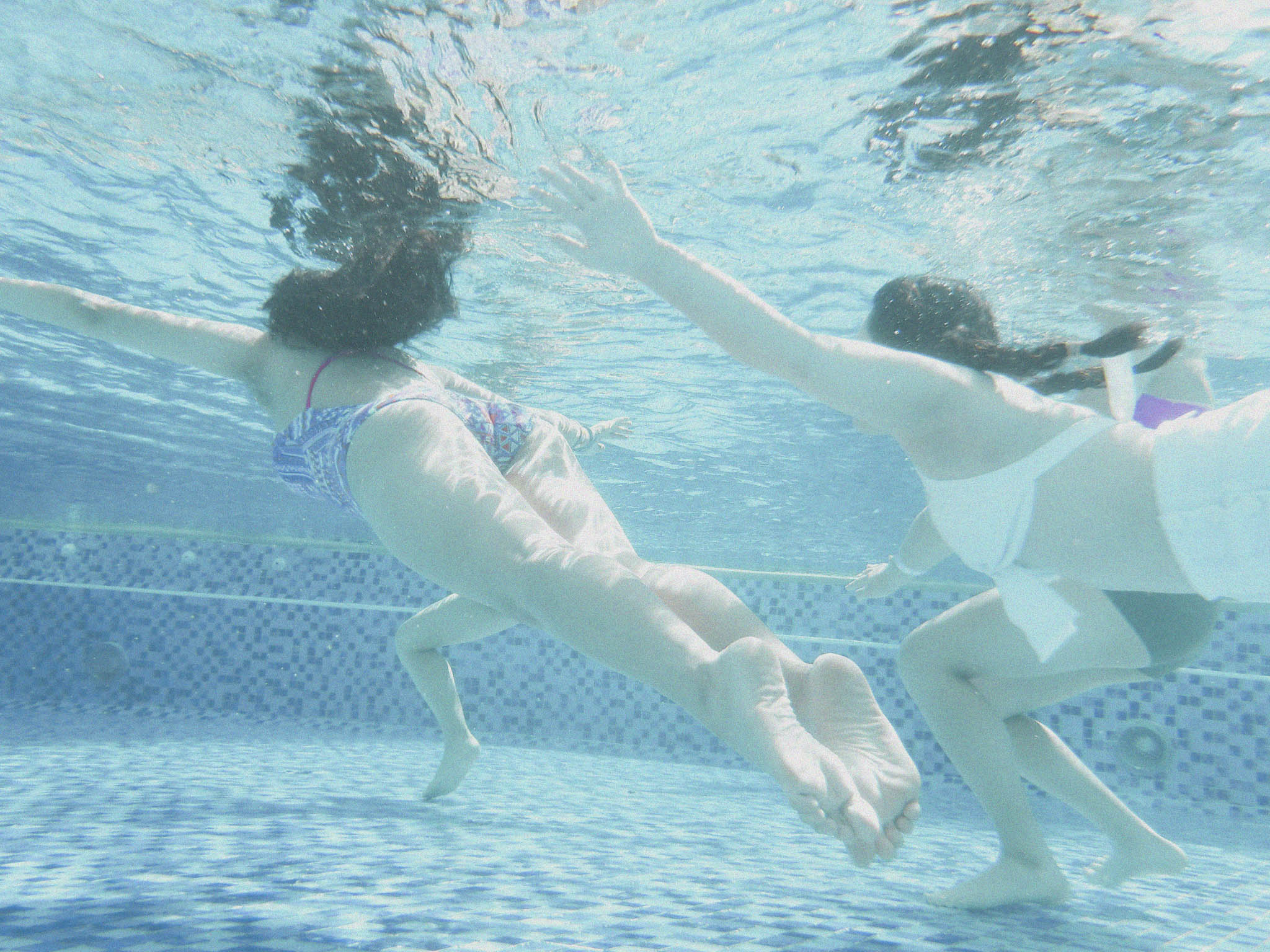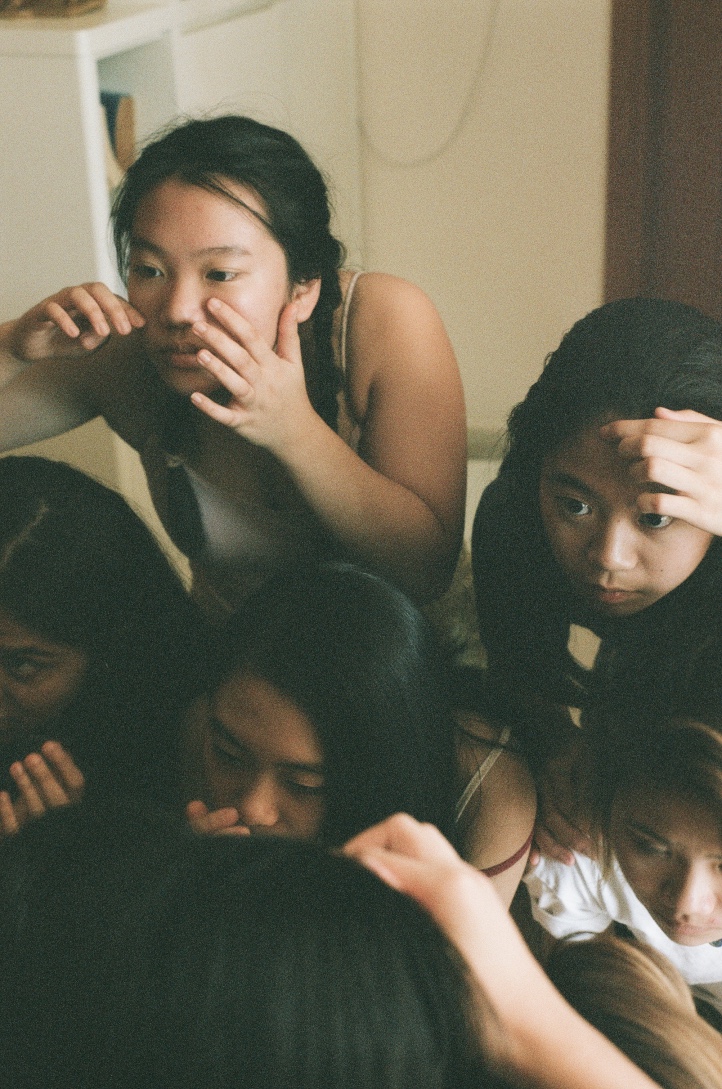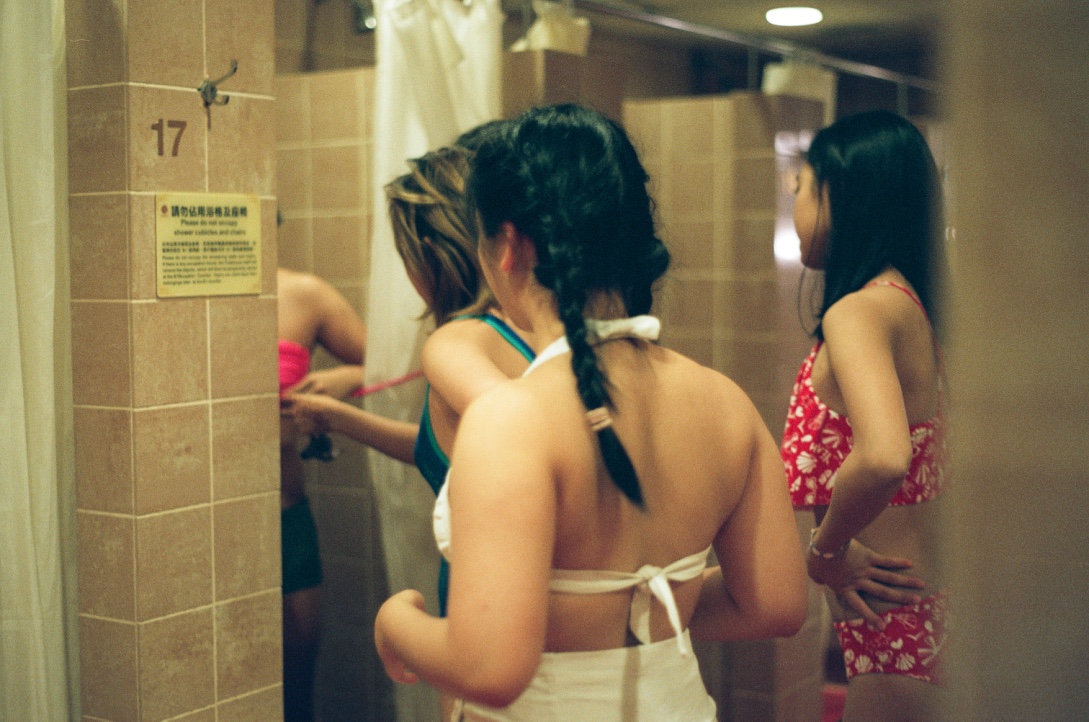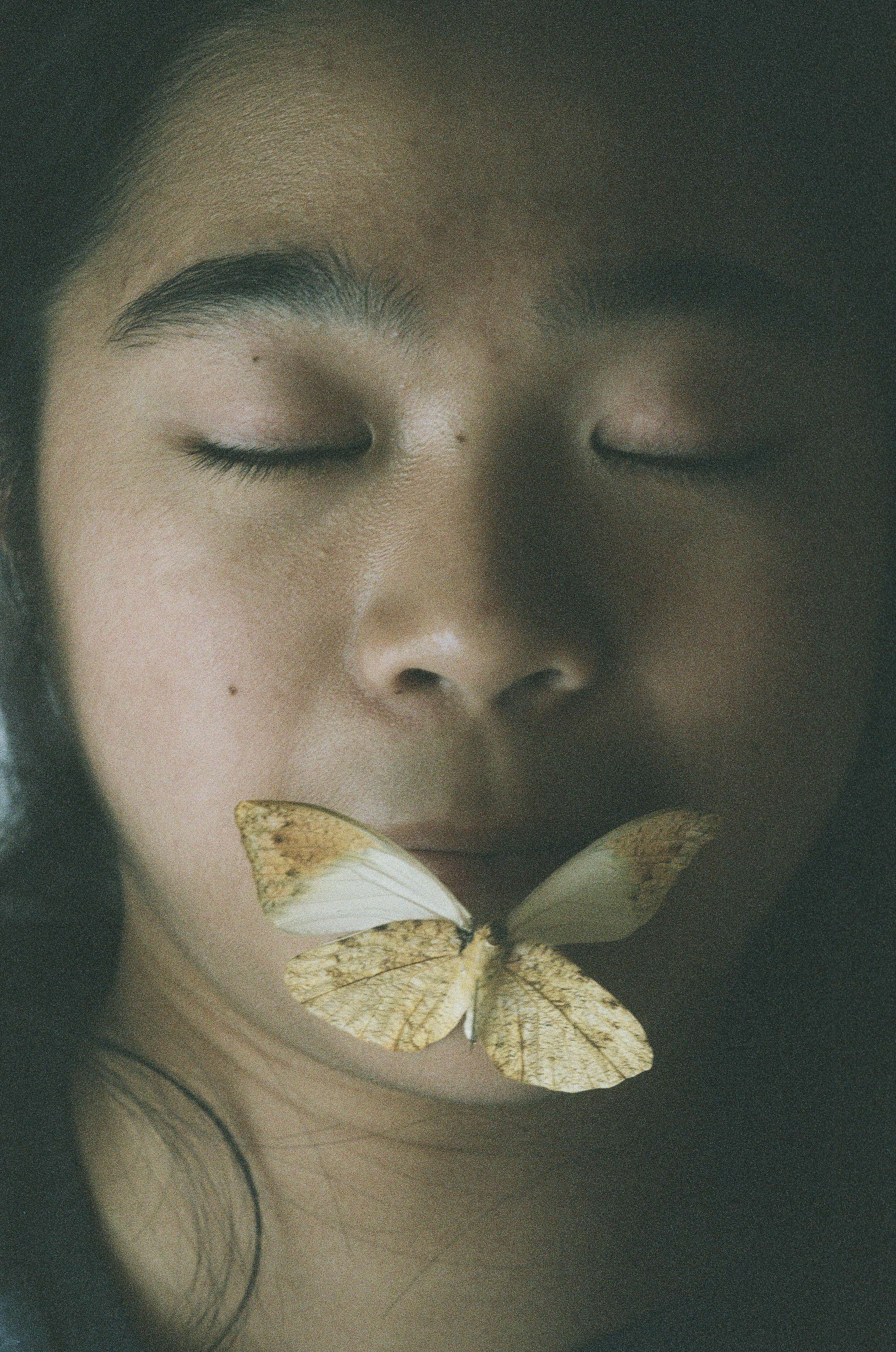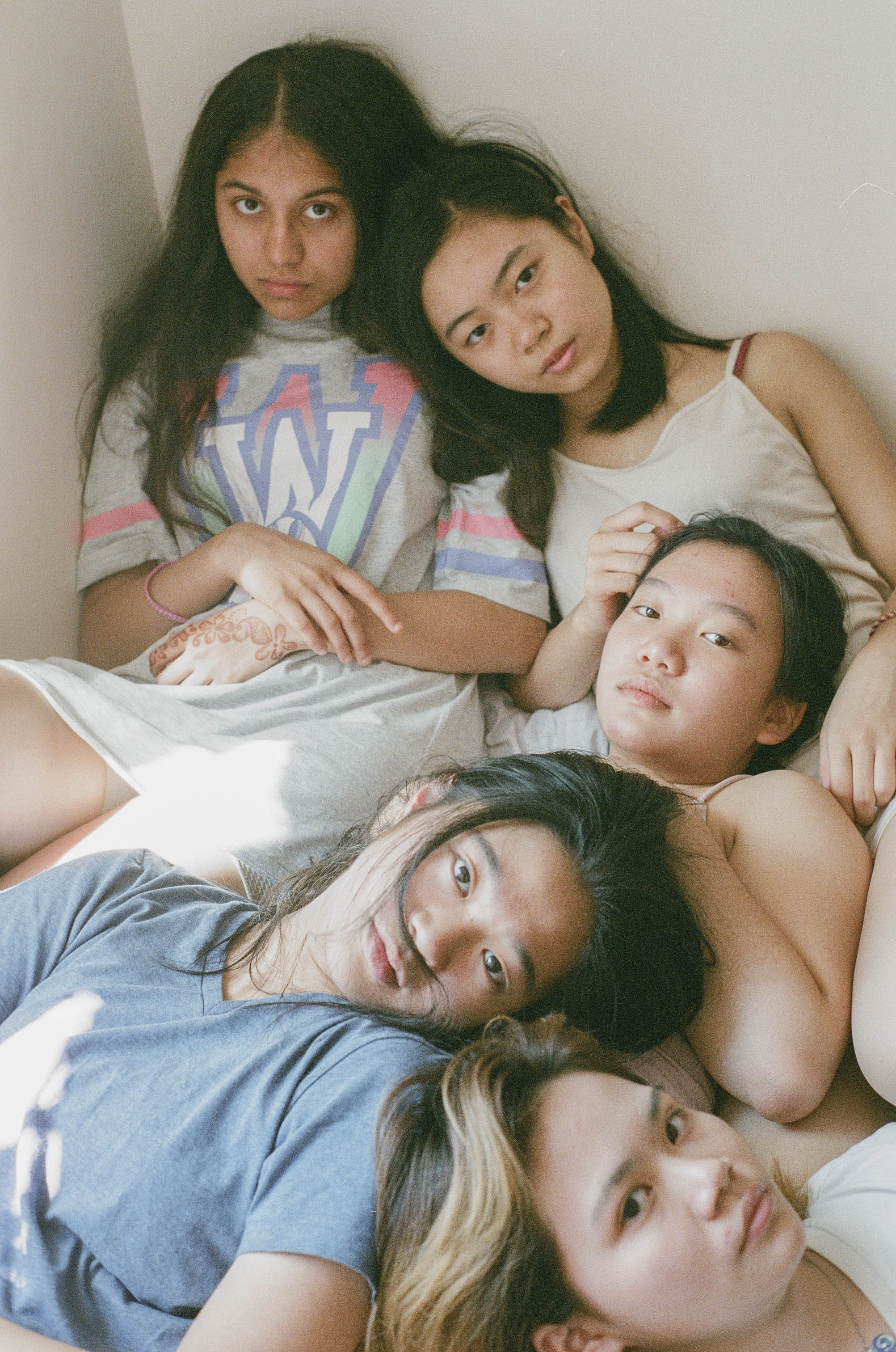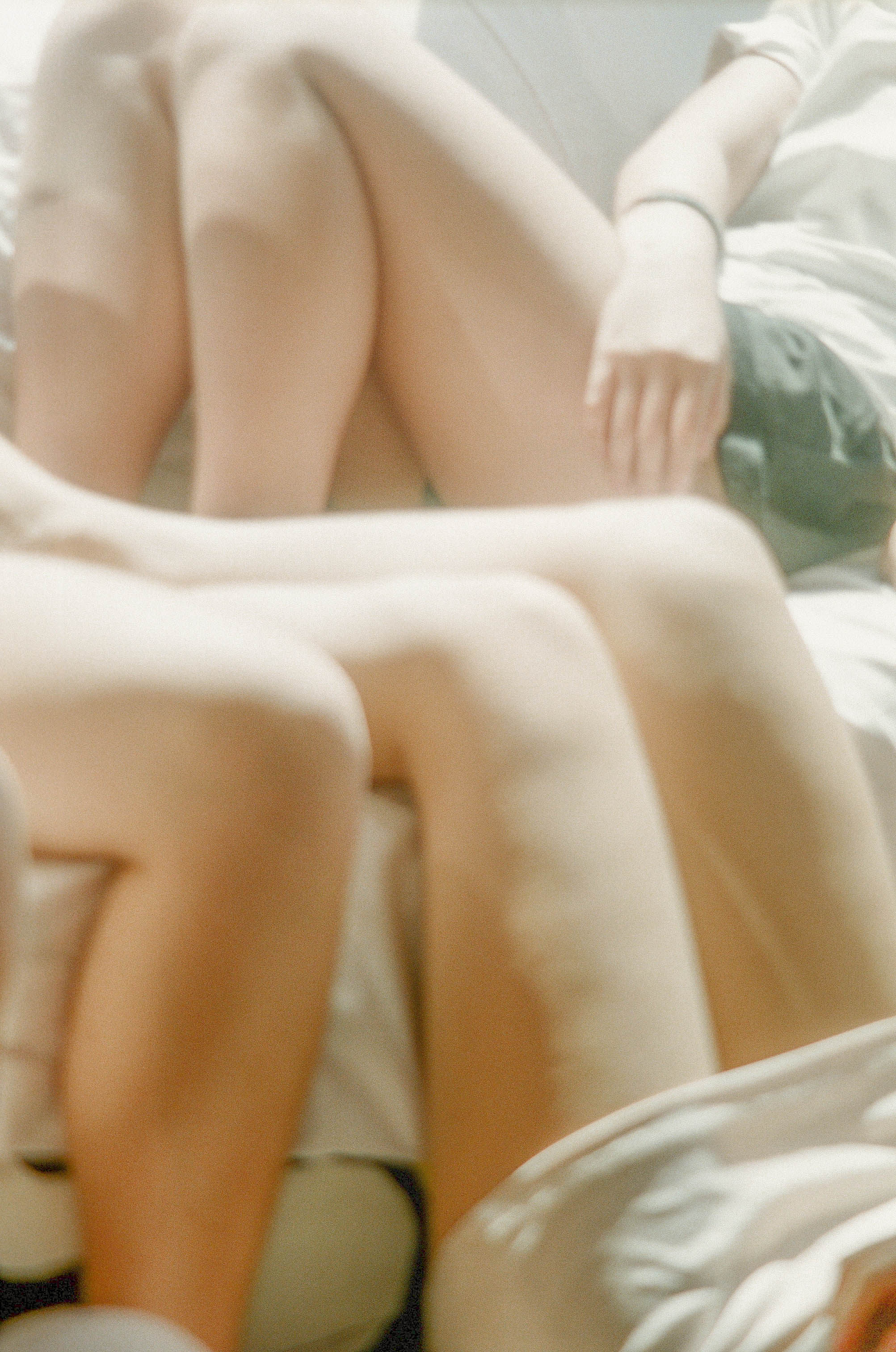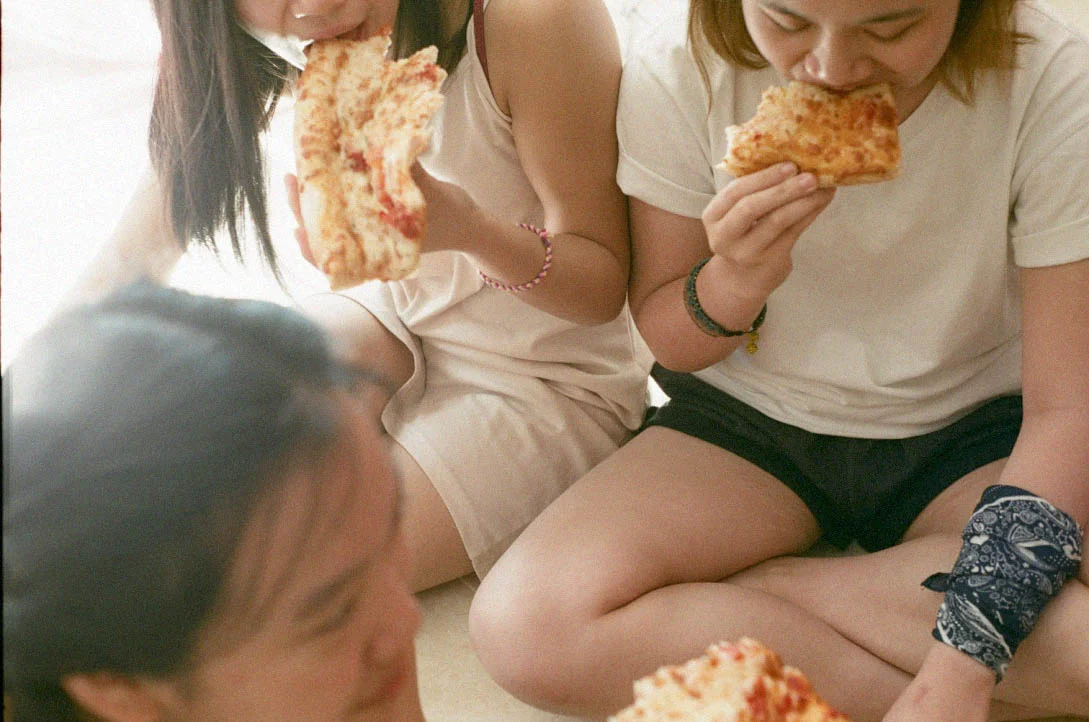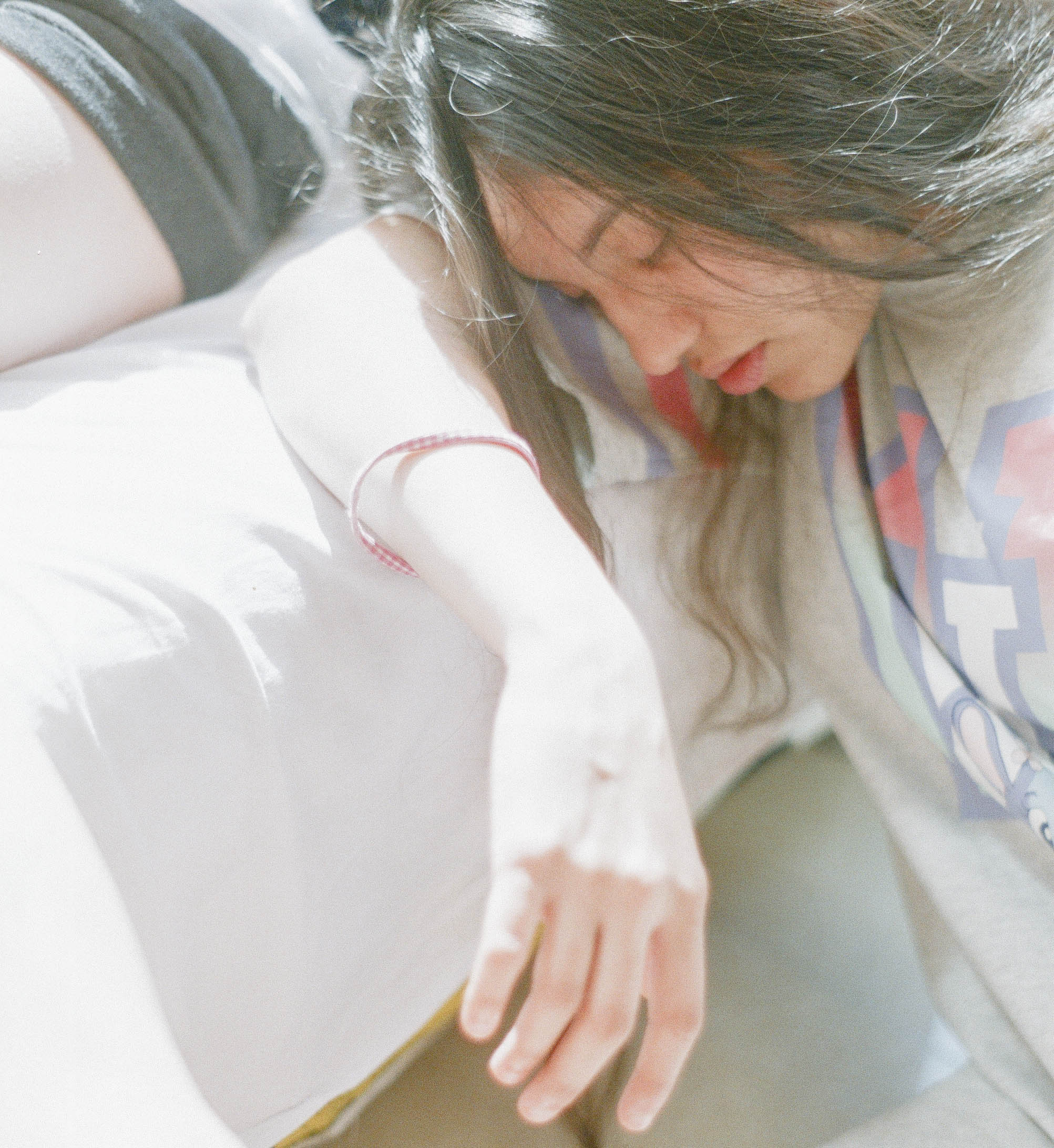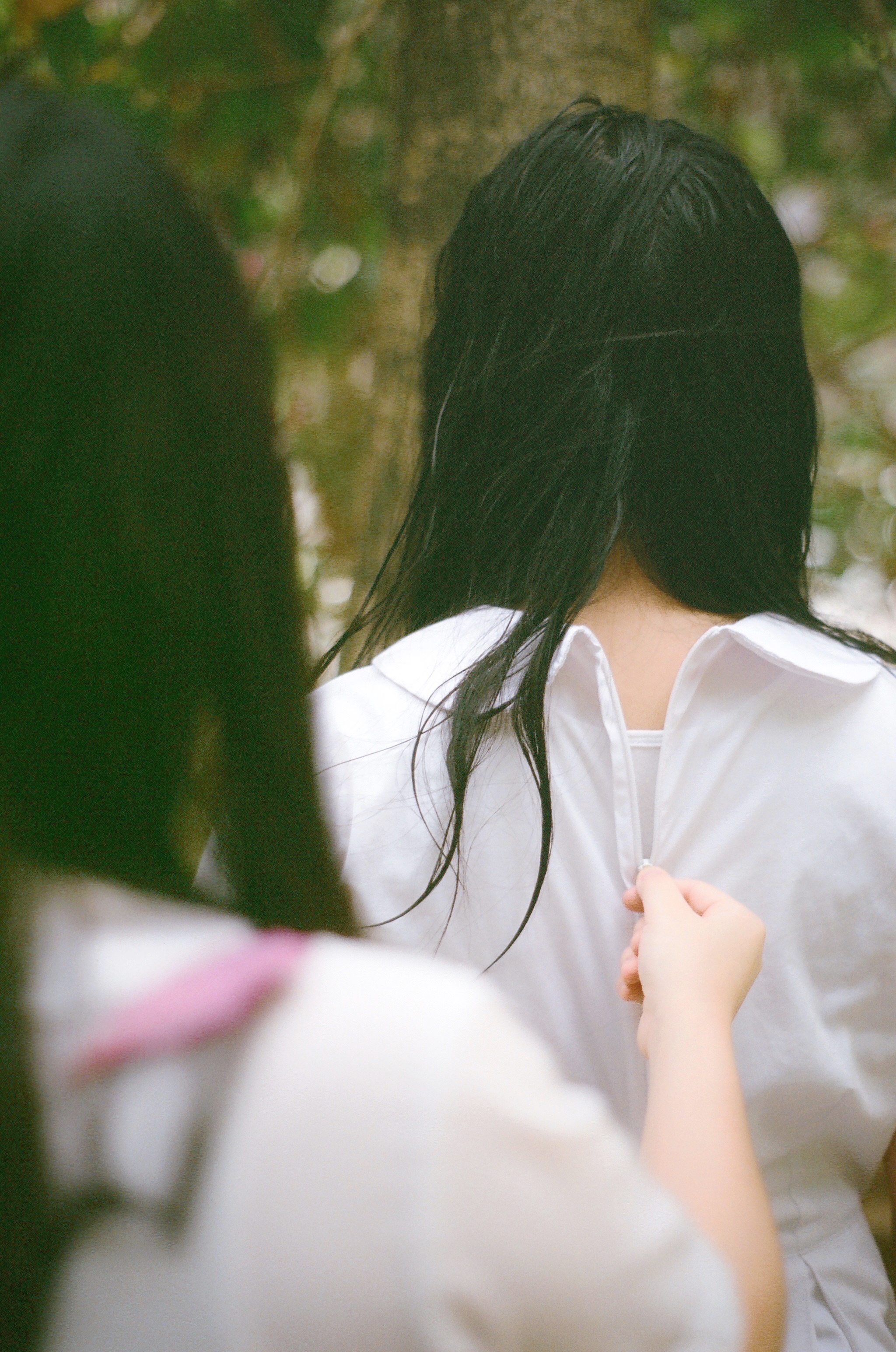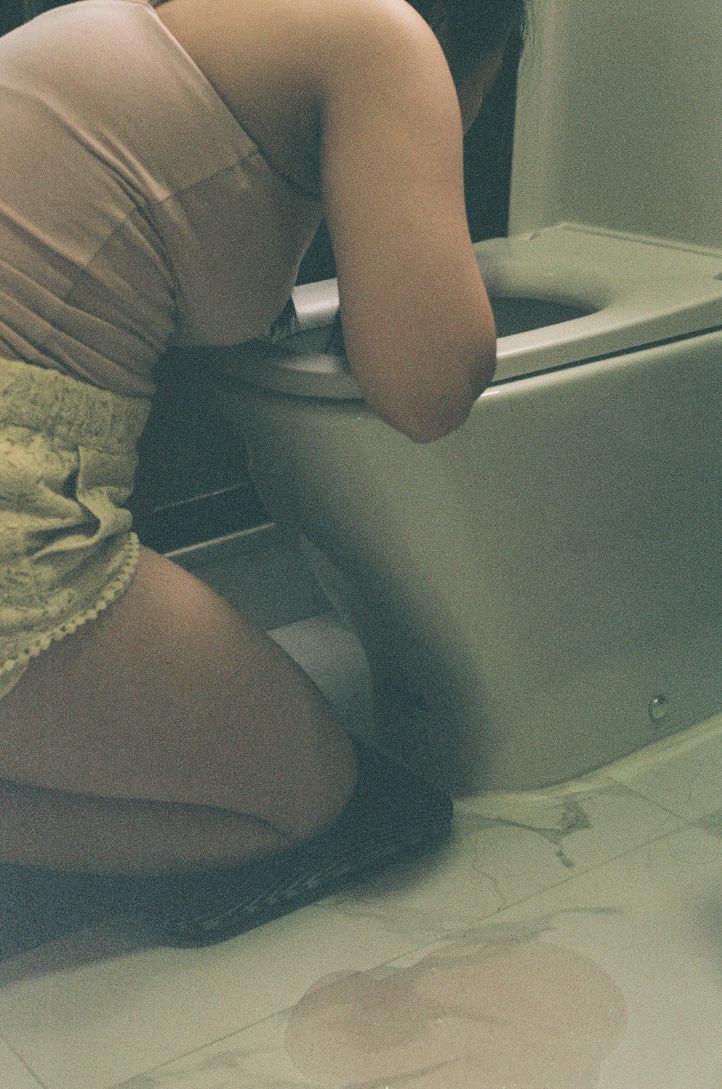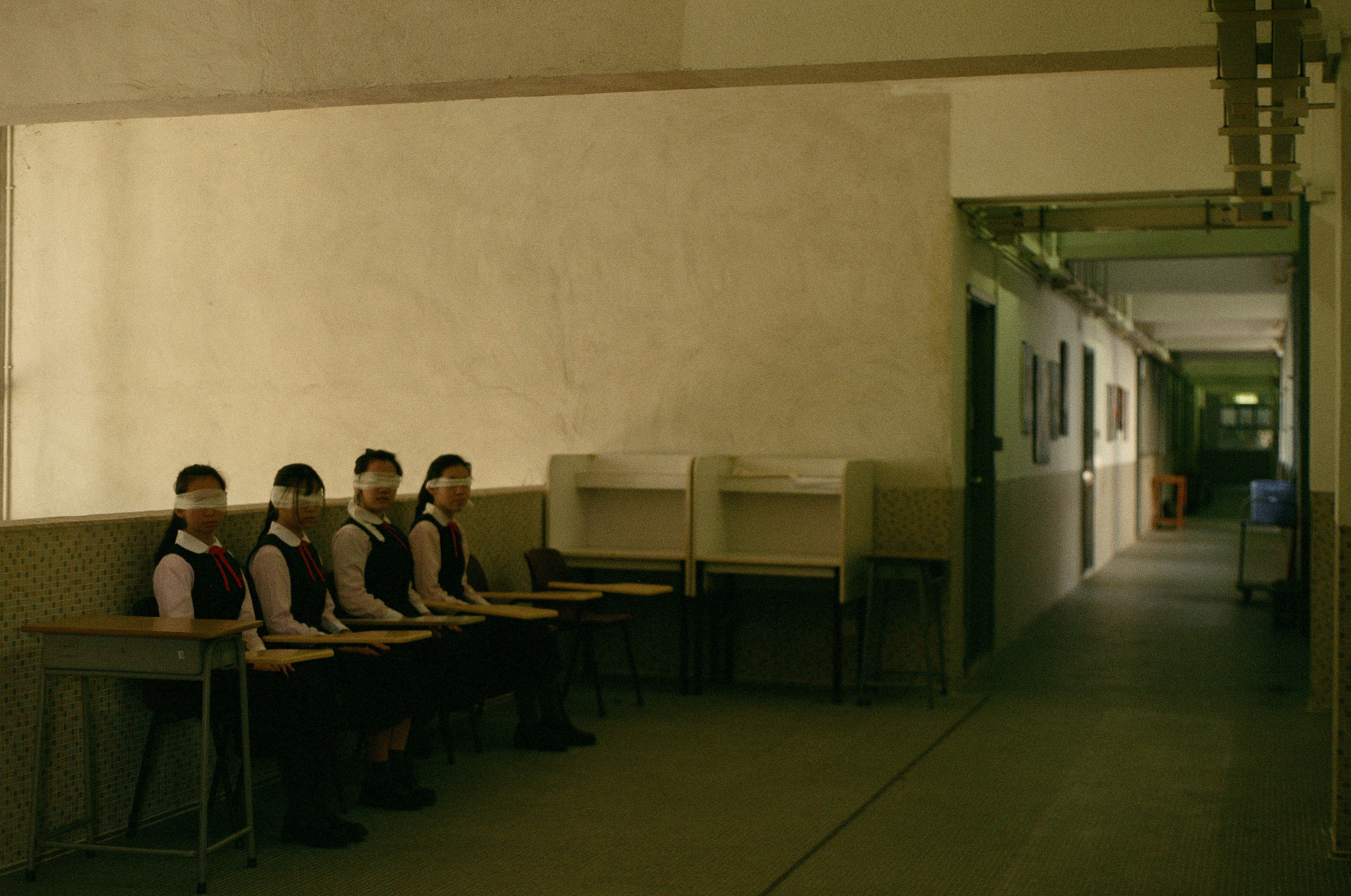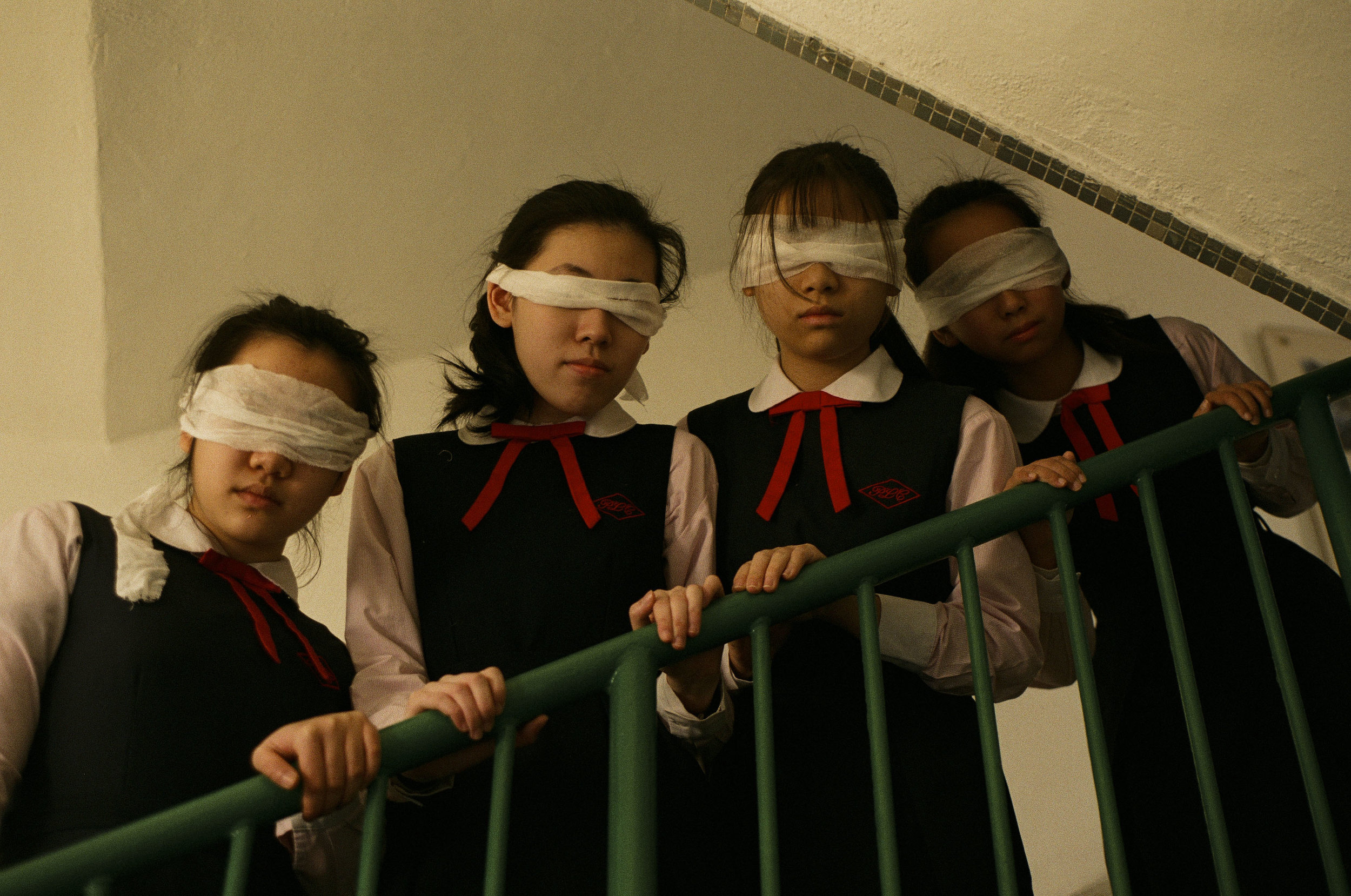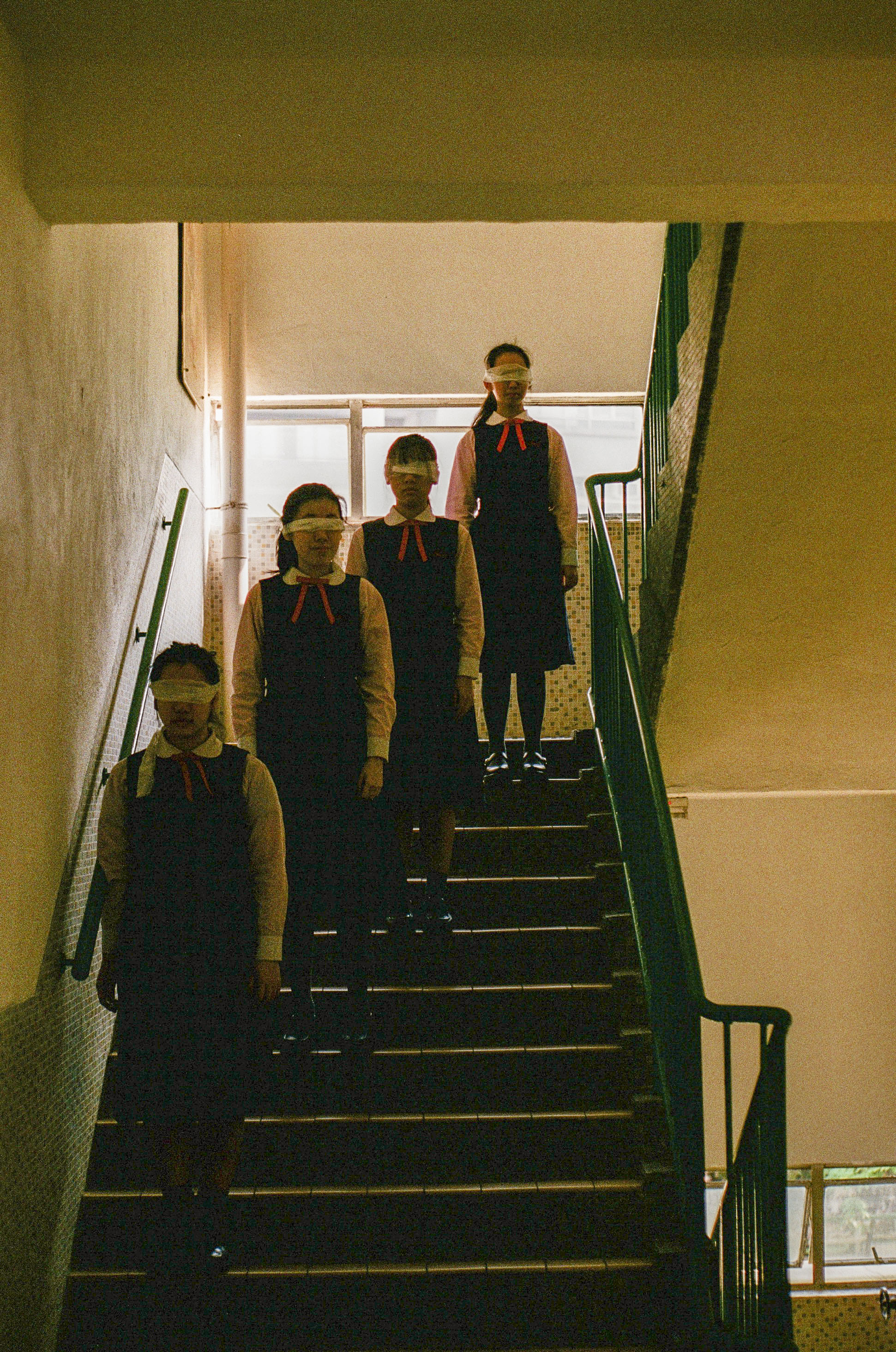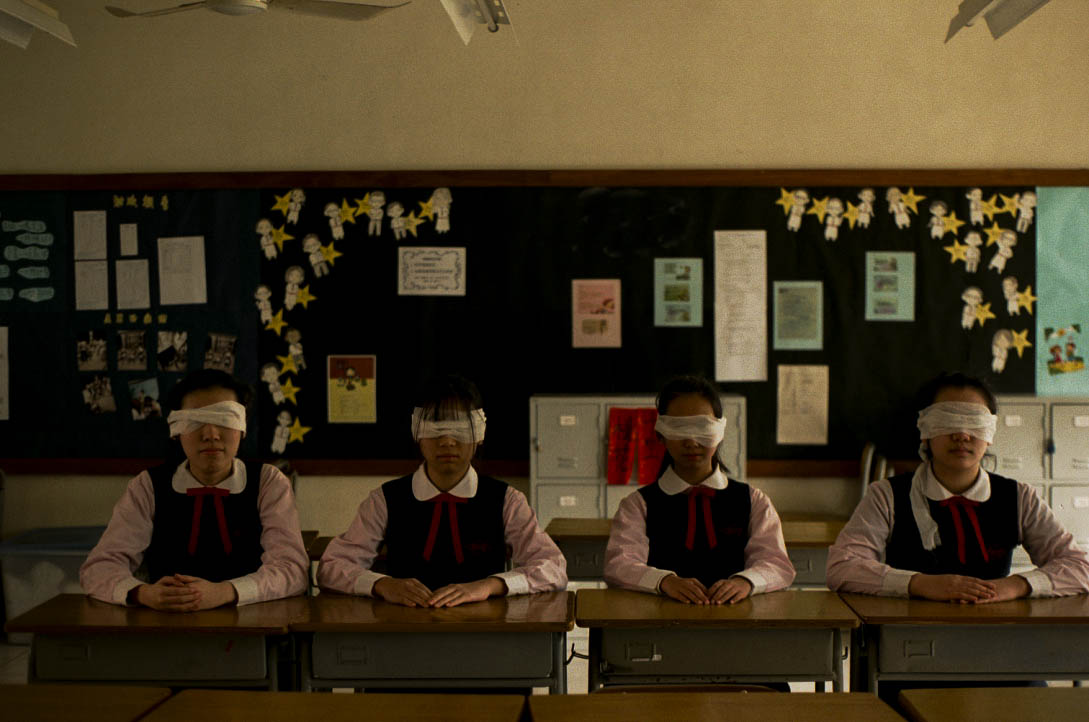
Driving Licence, 2026
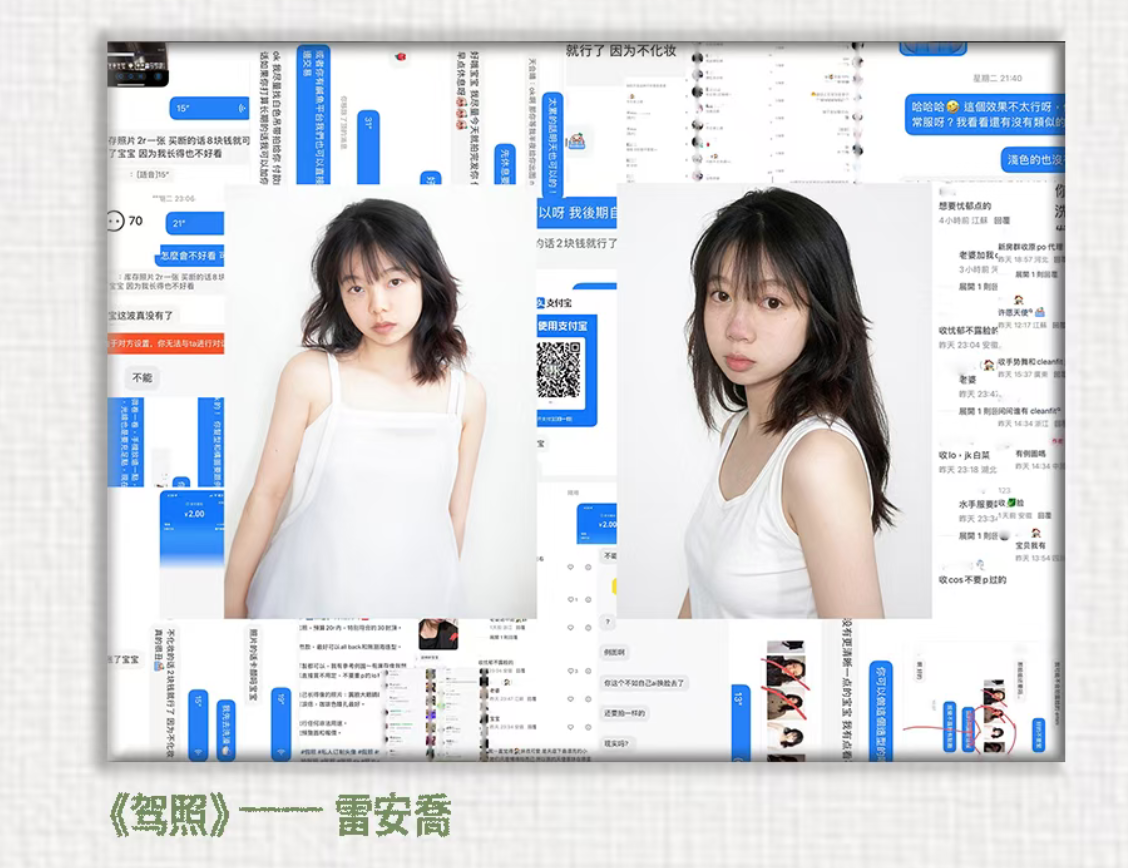
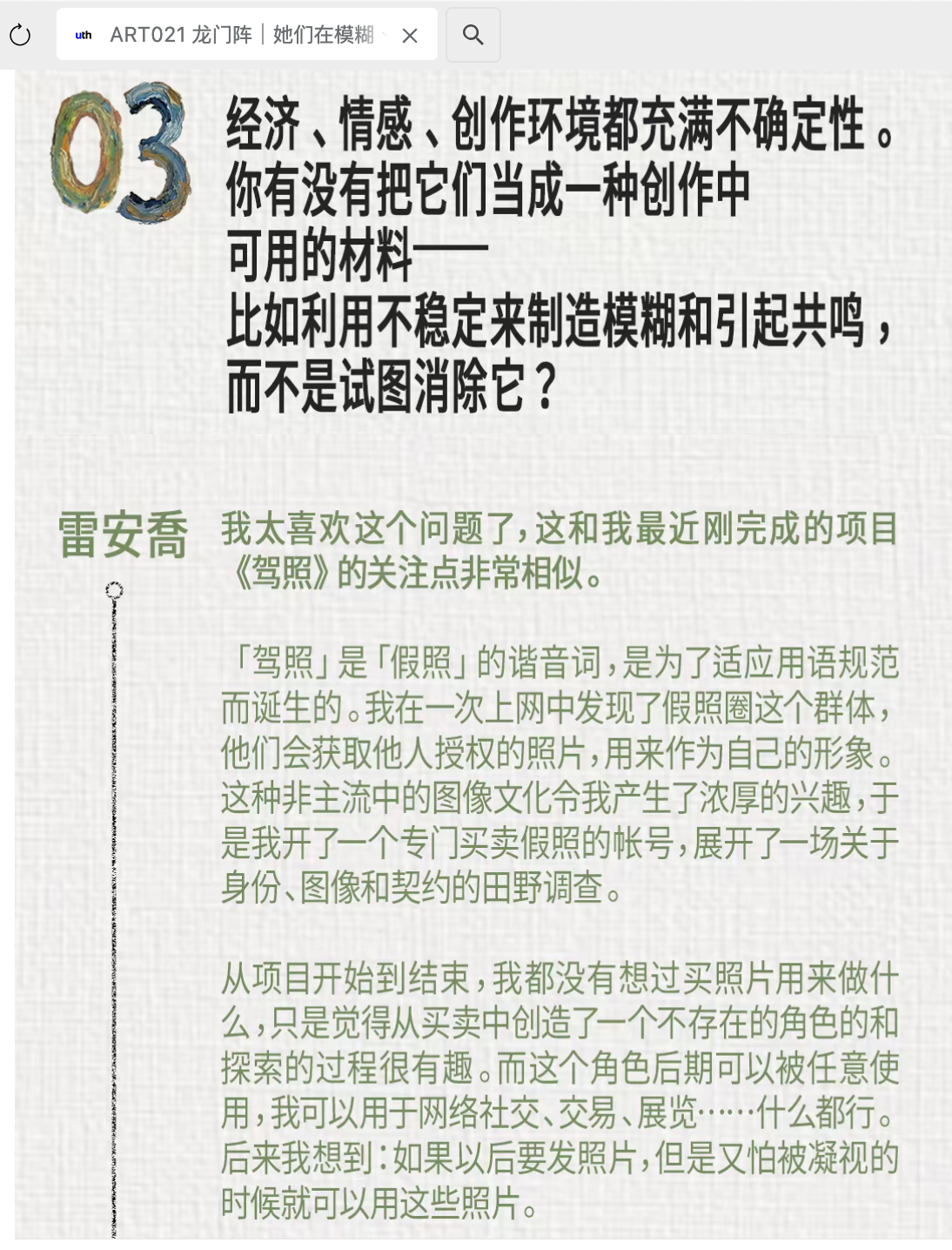
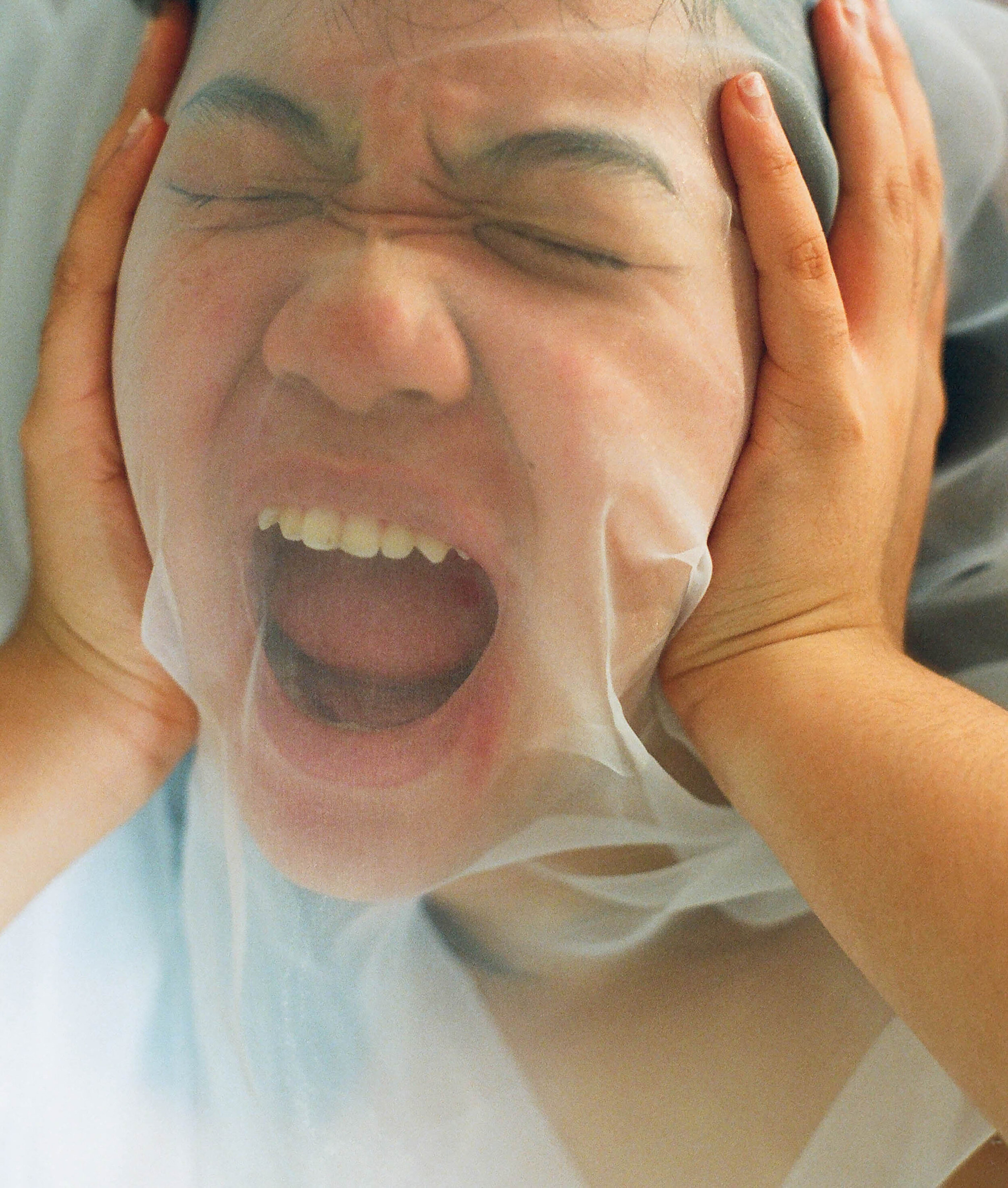
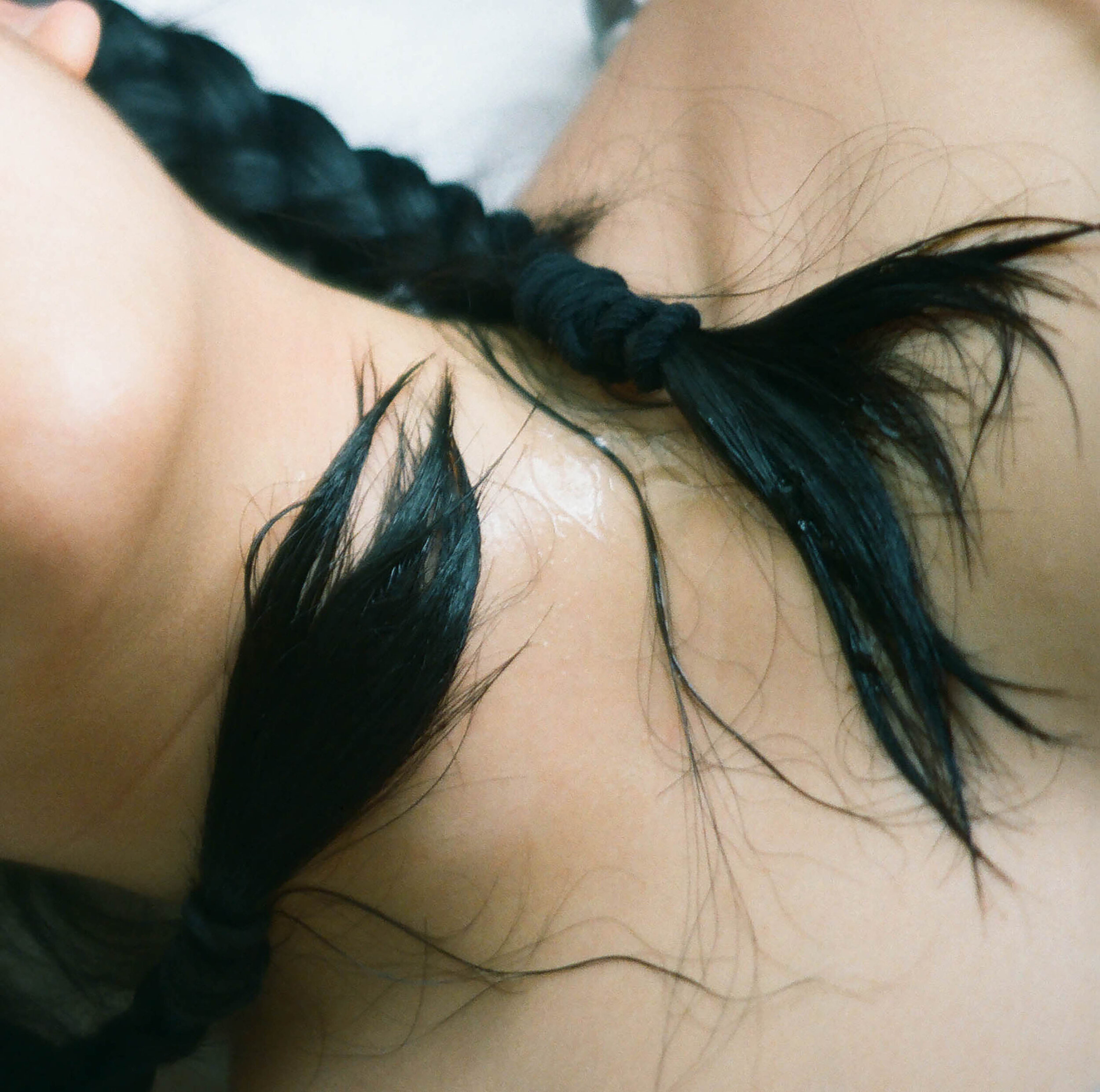
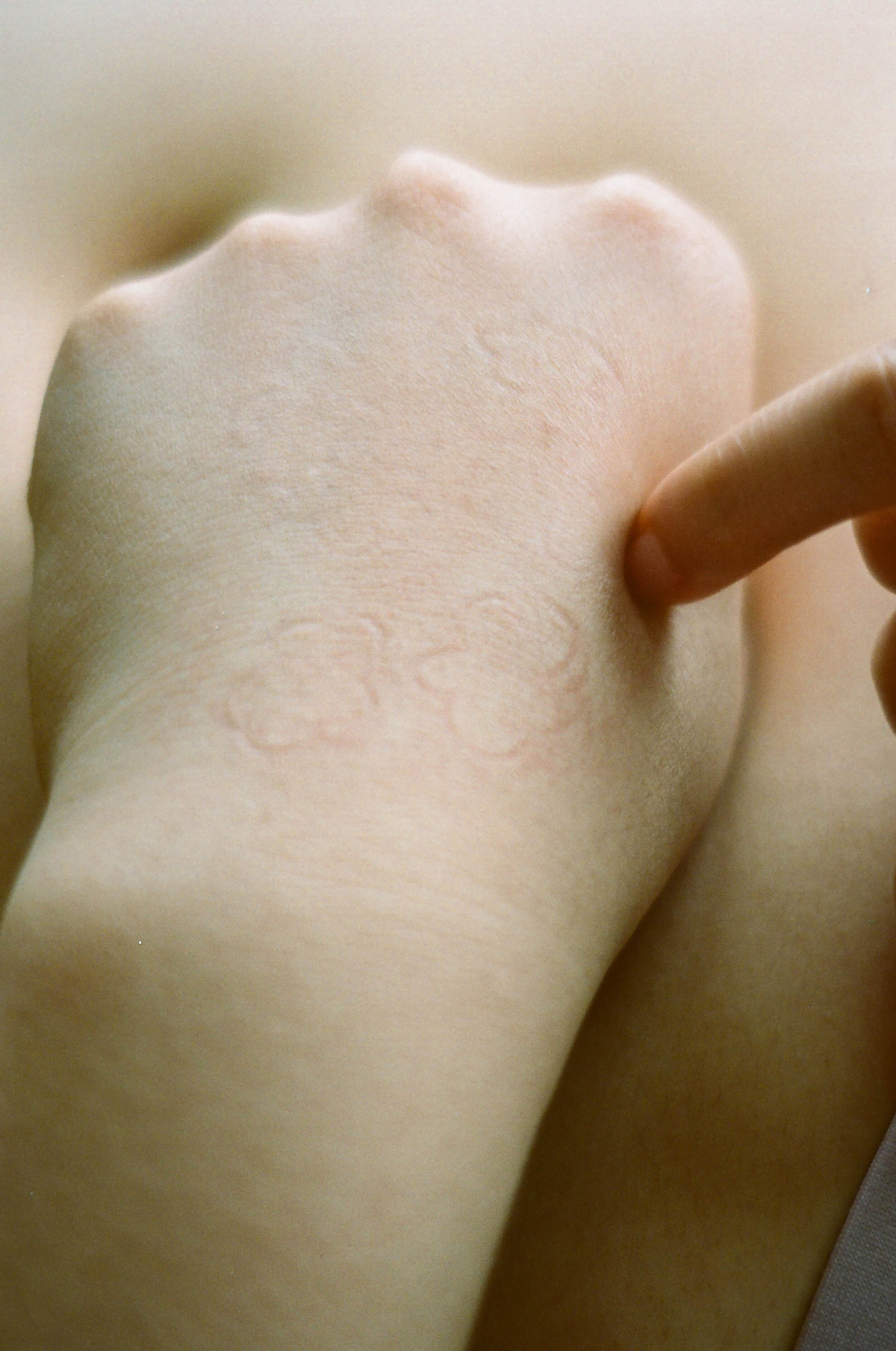
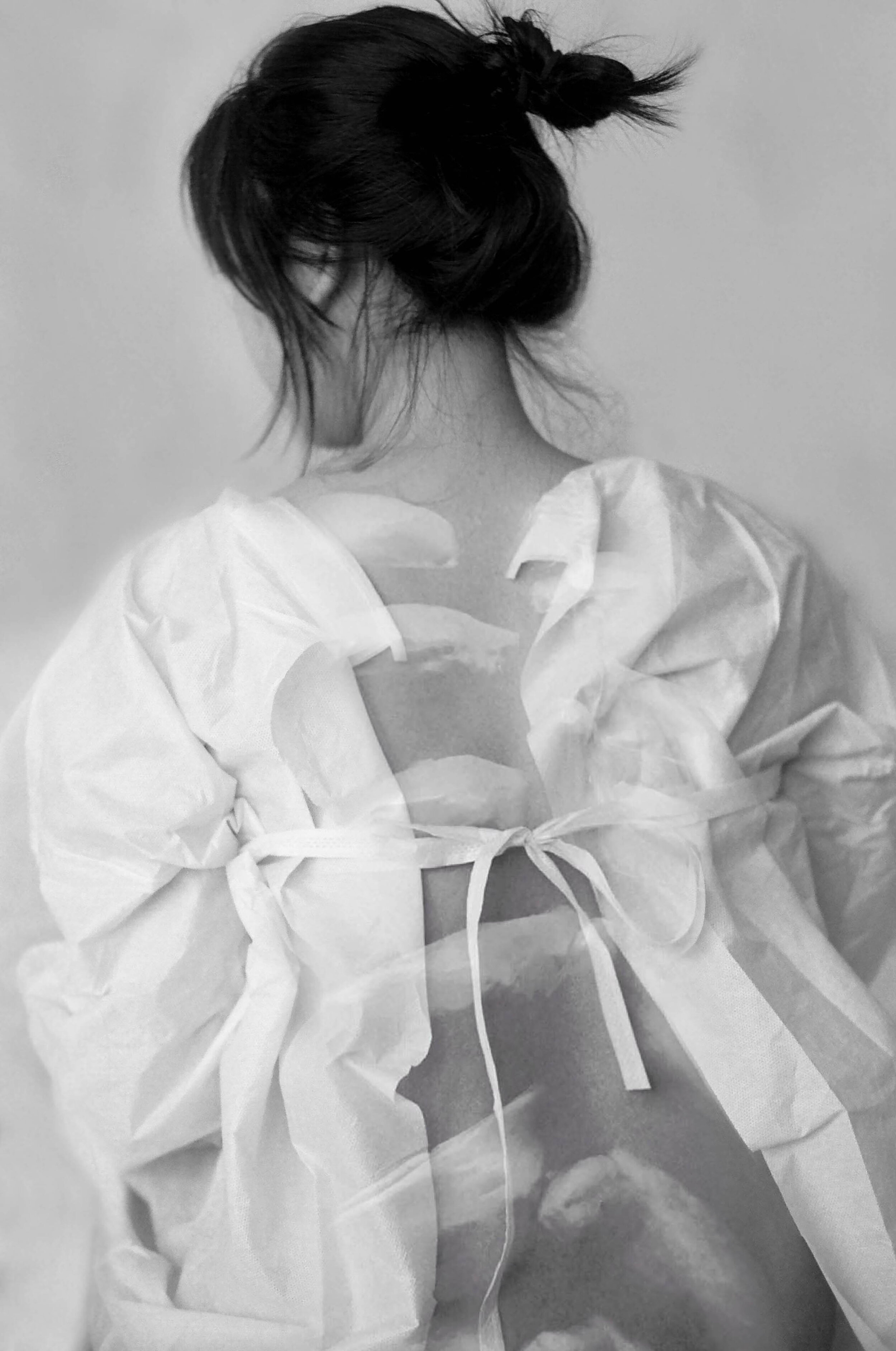
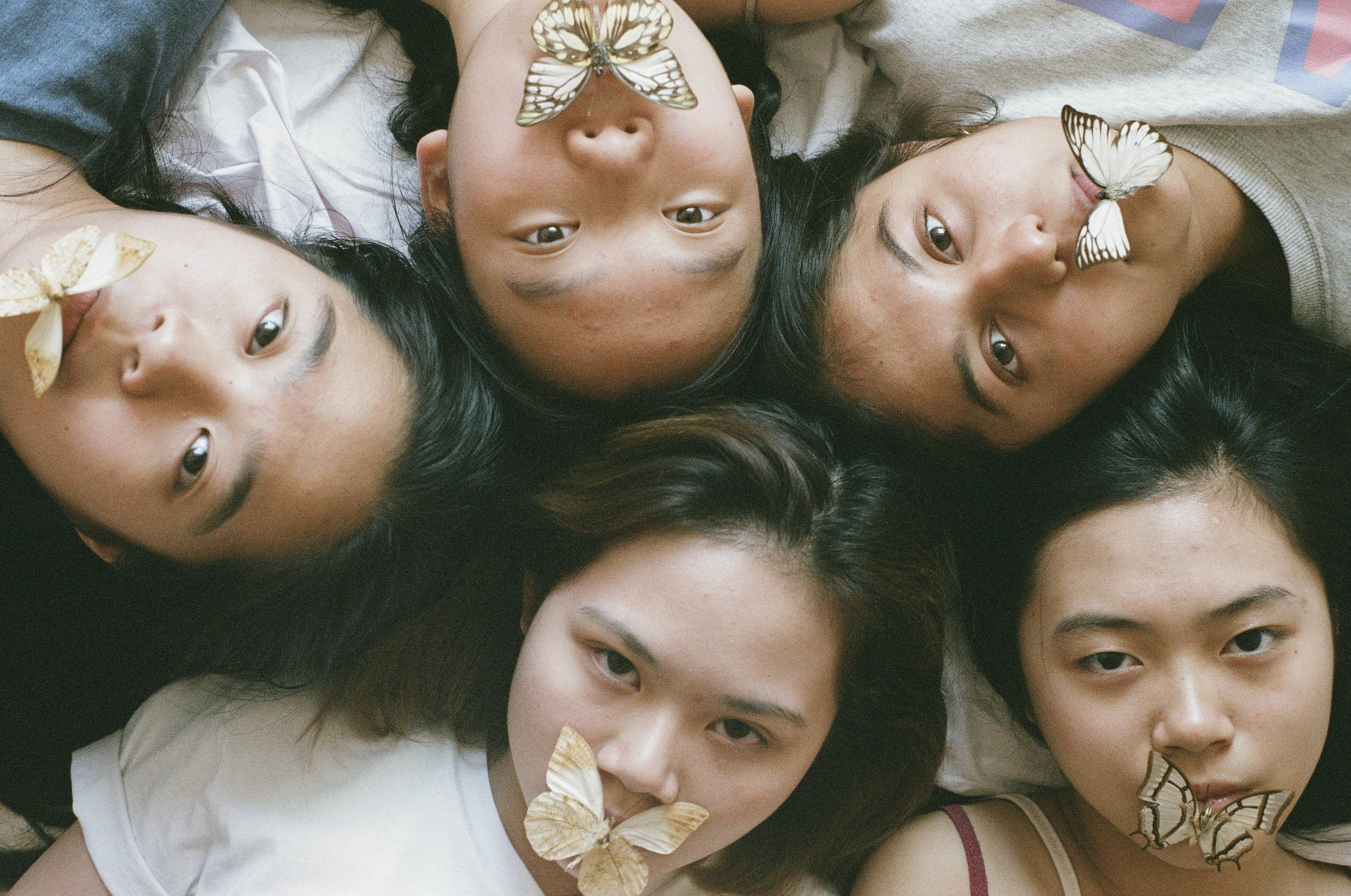
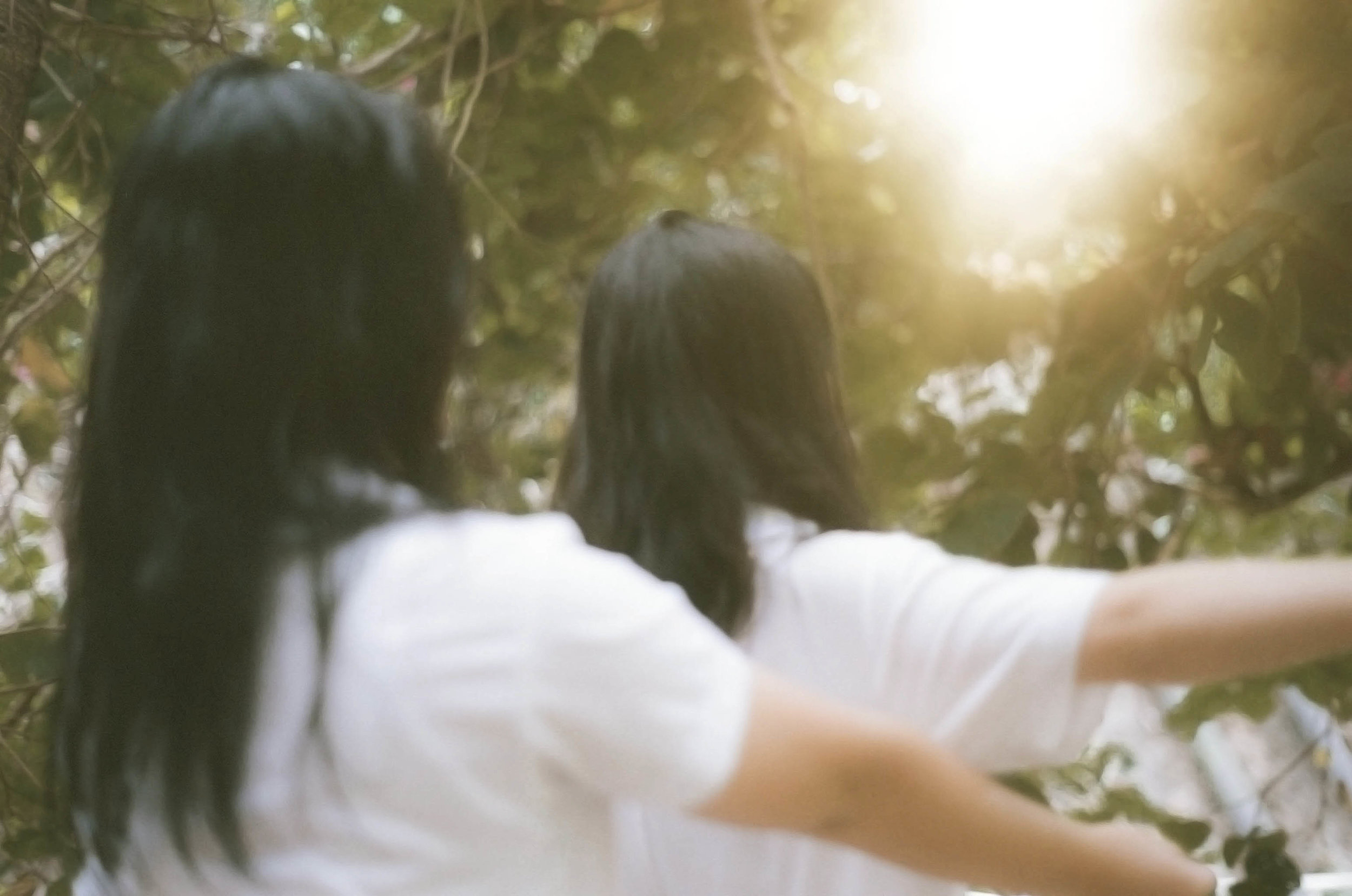
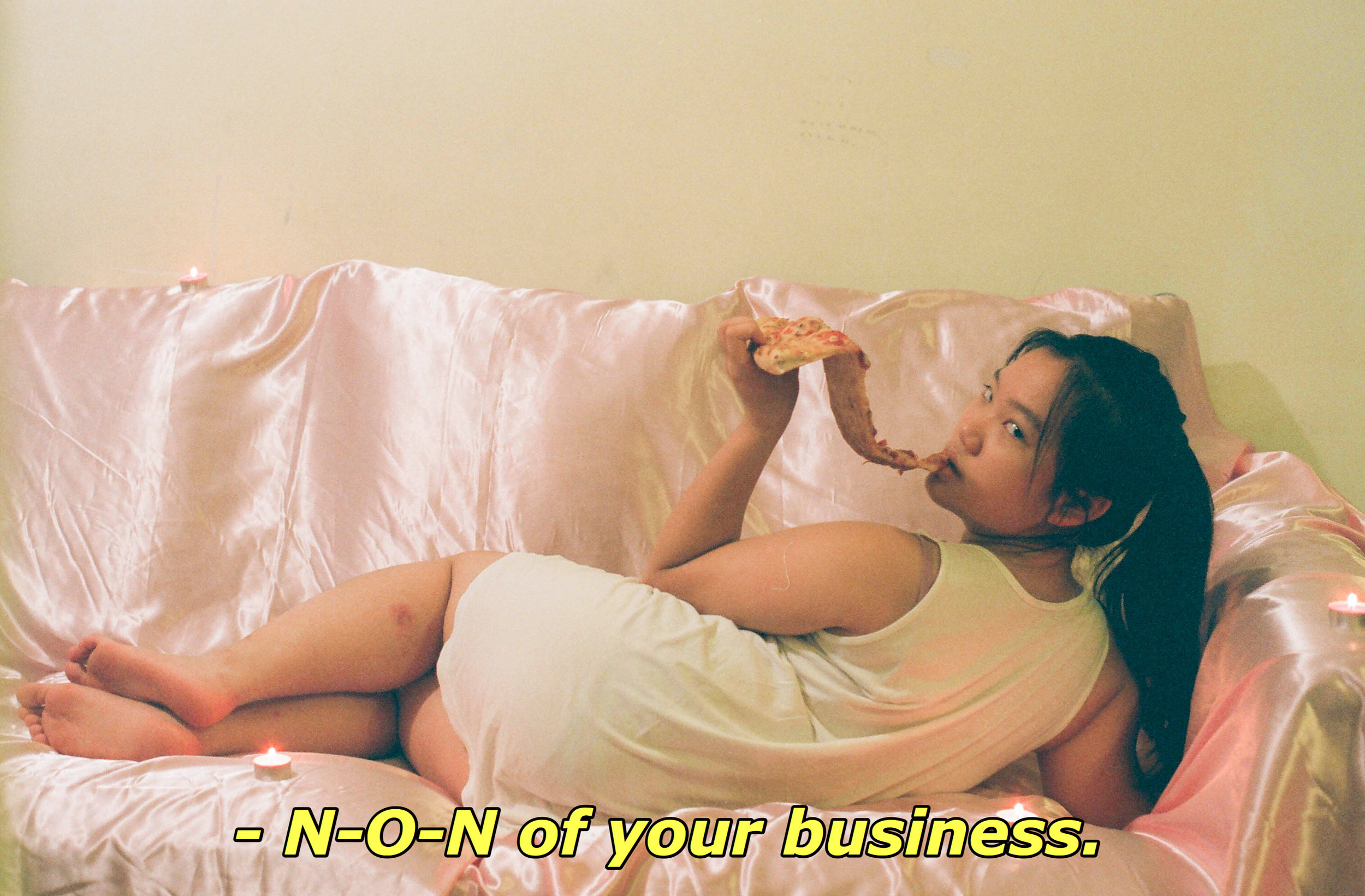
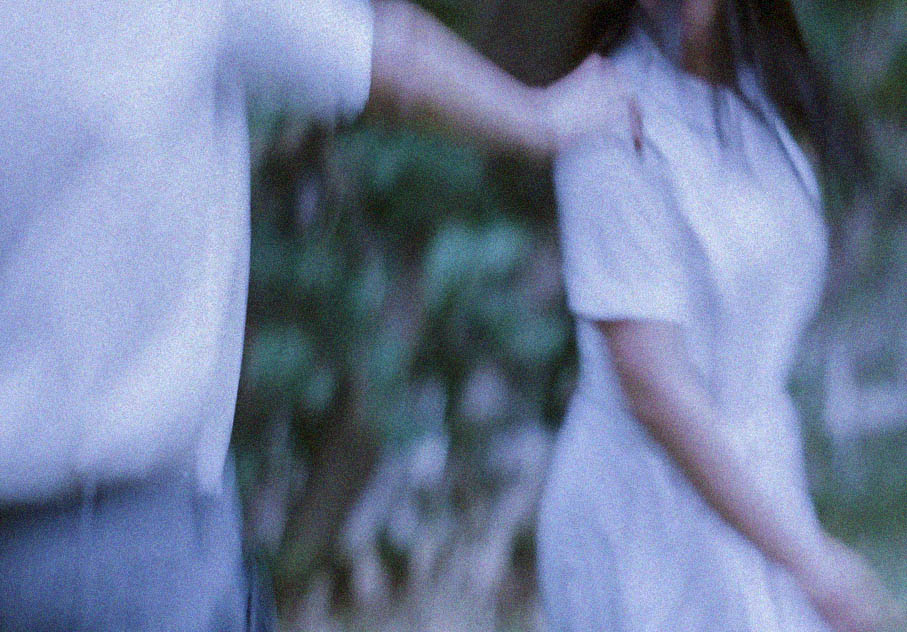
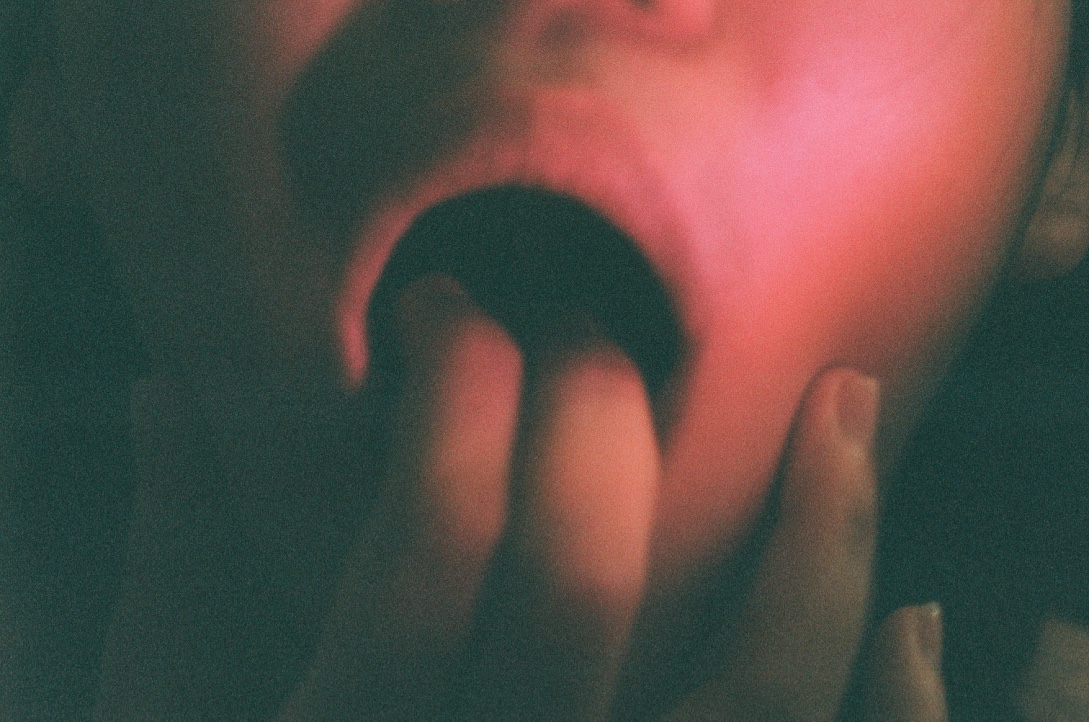
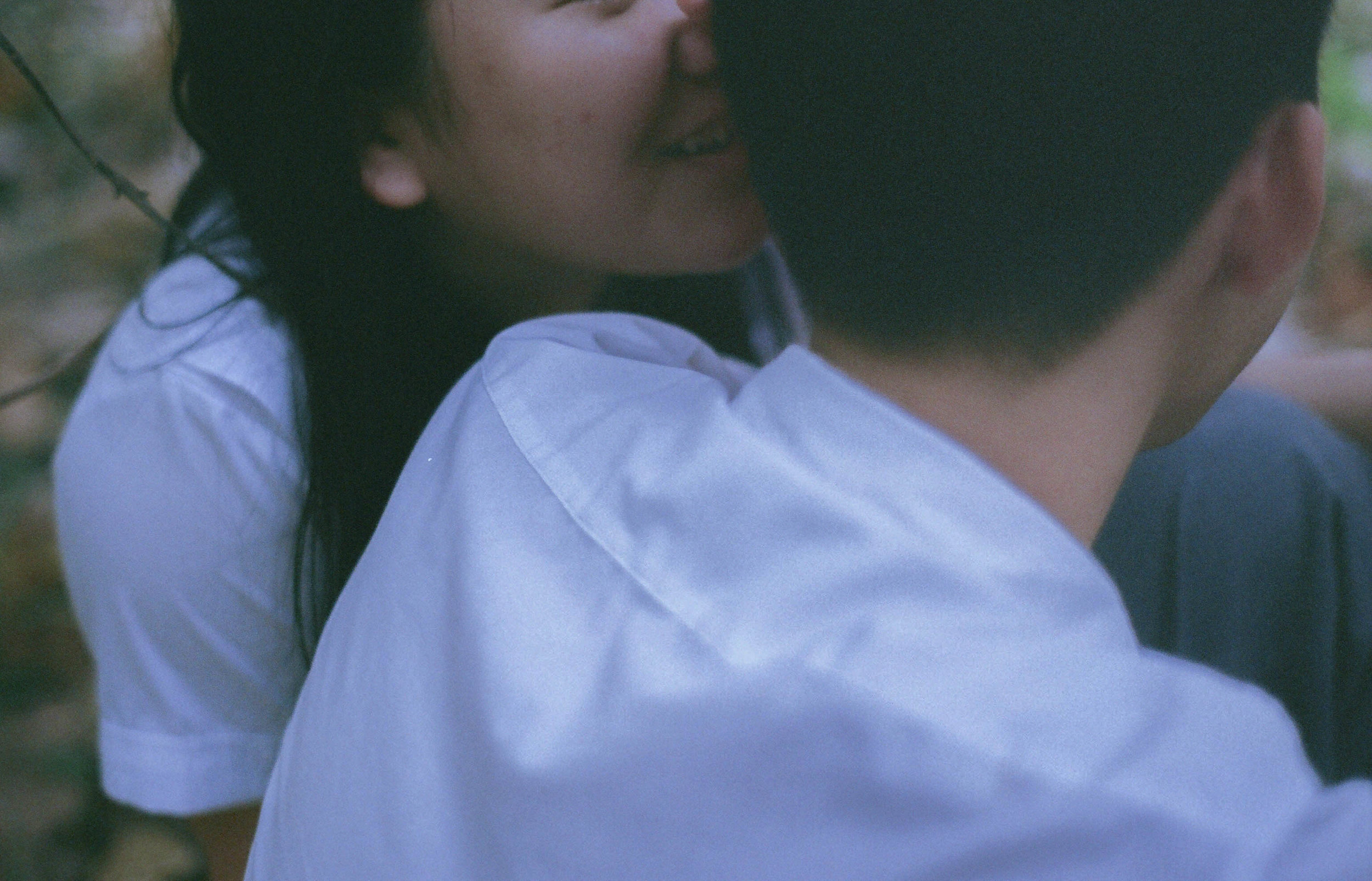
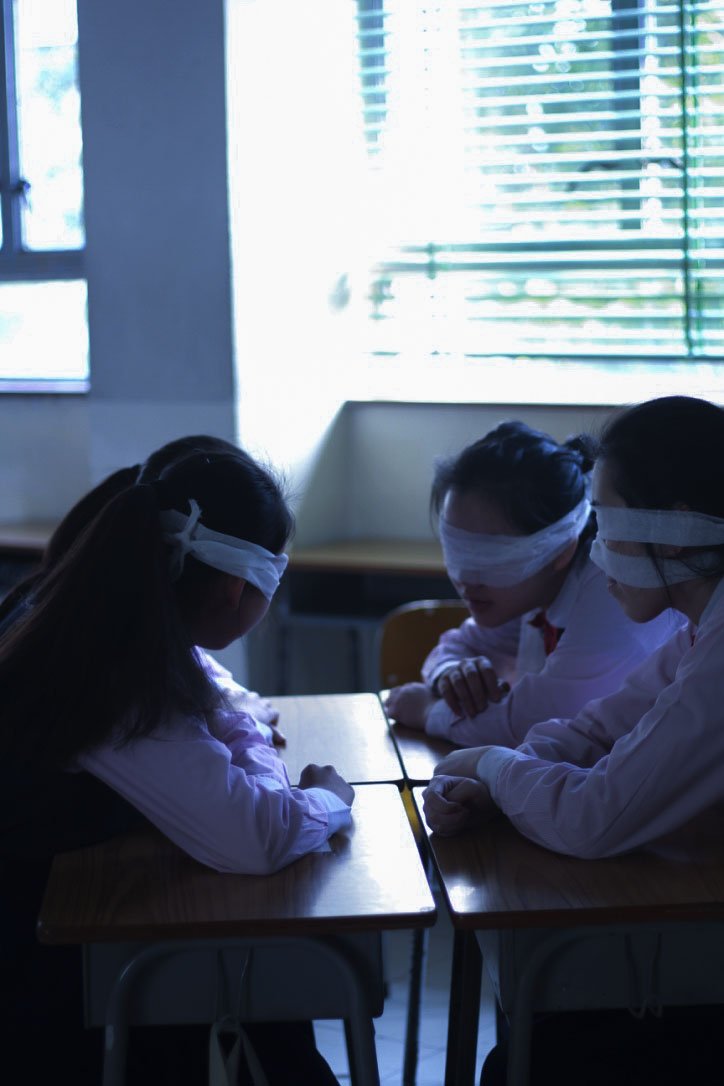
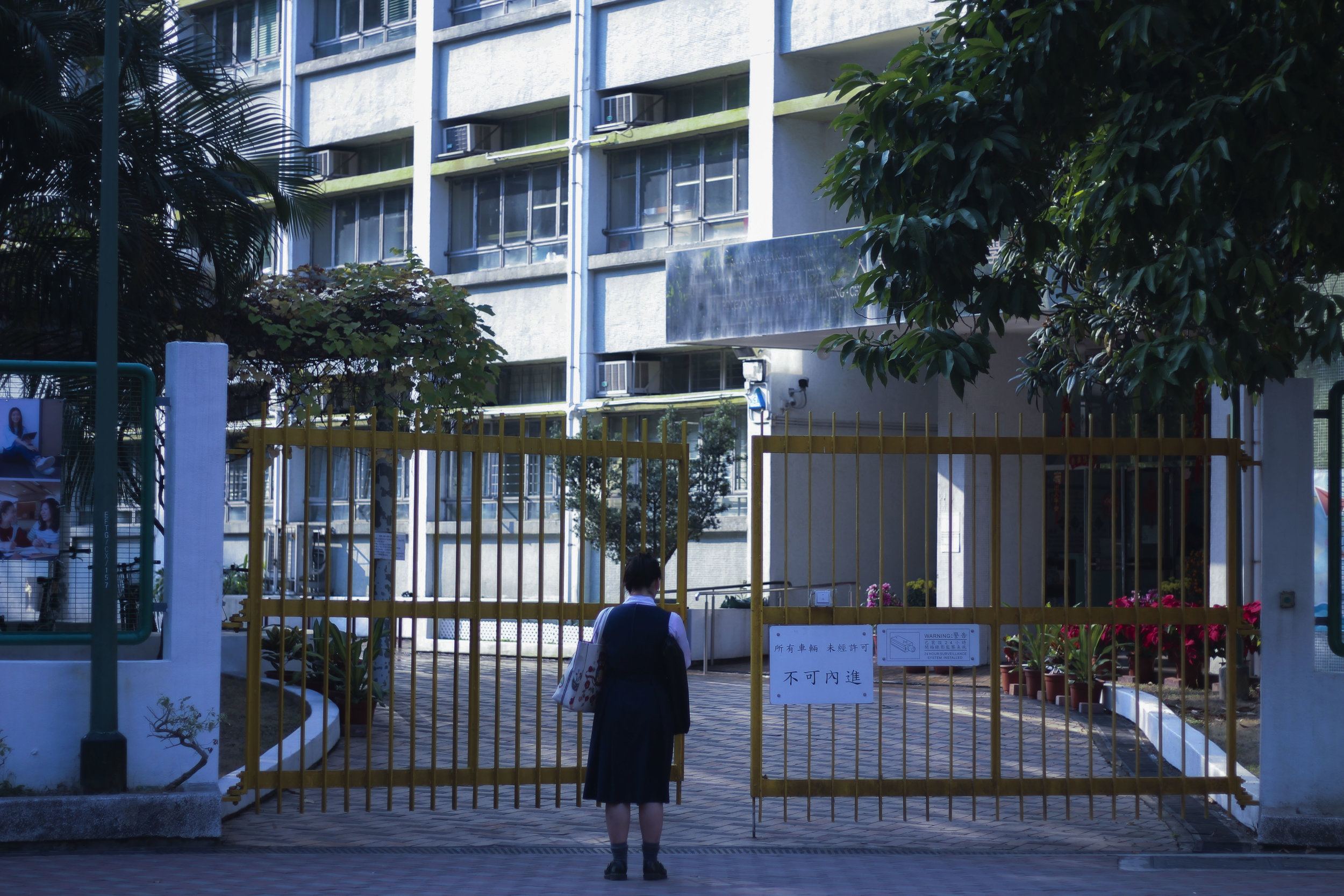
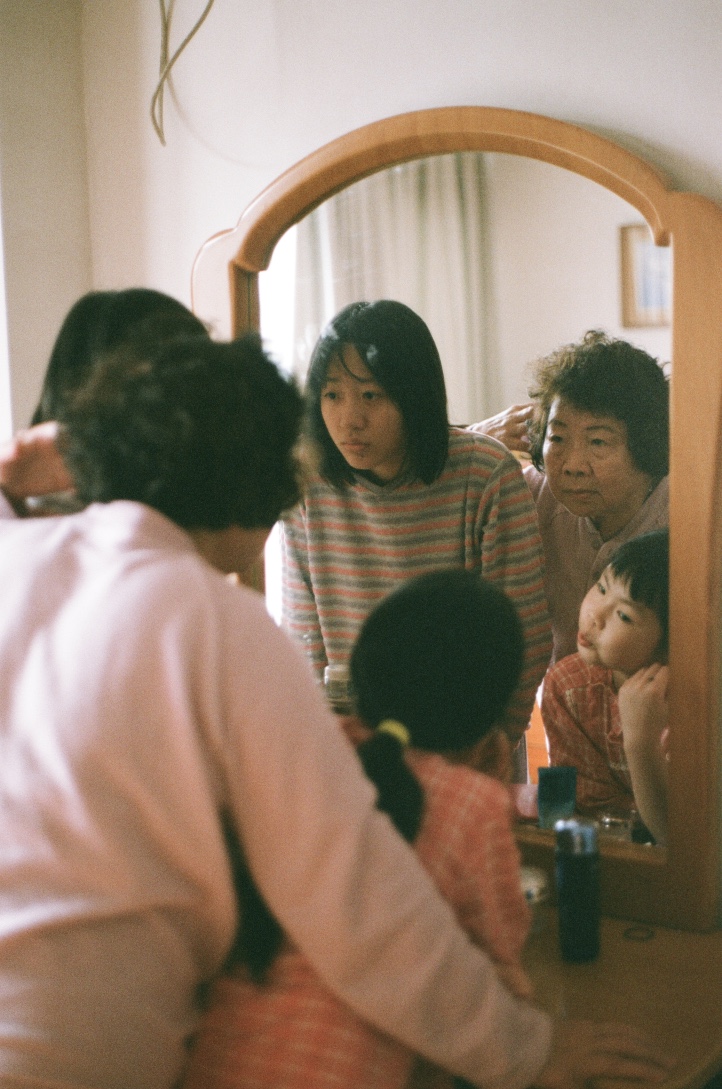
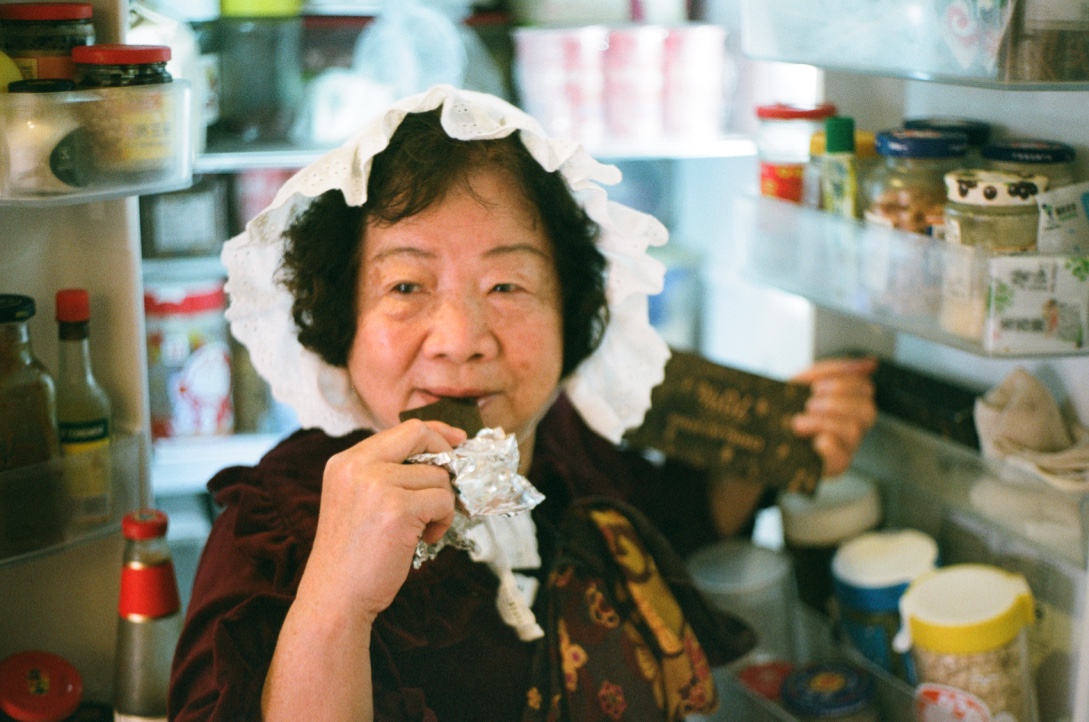
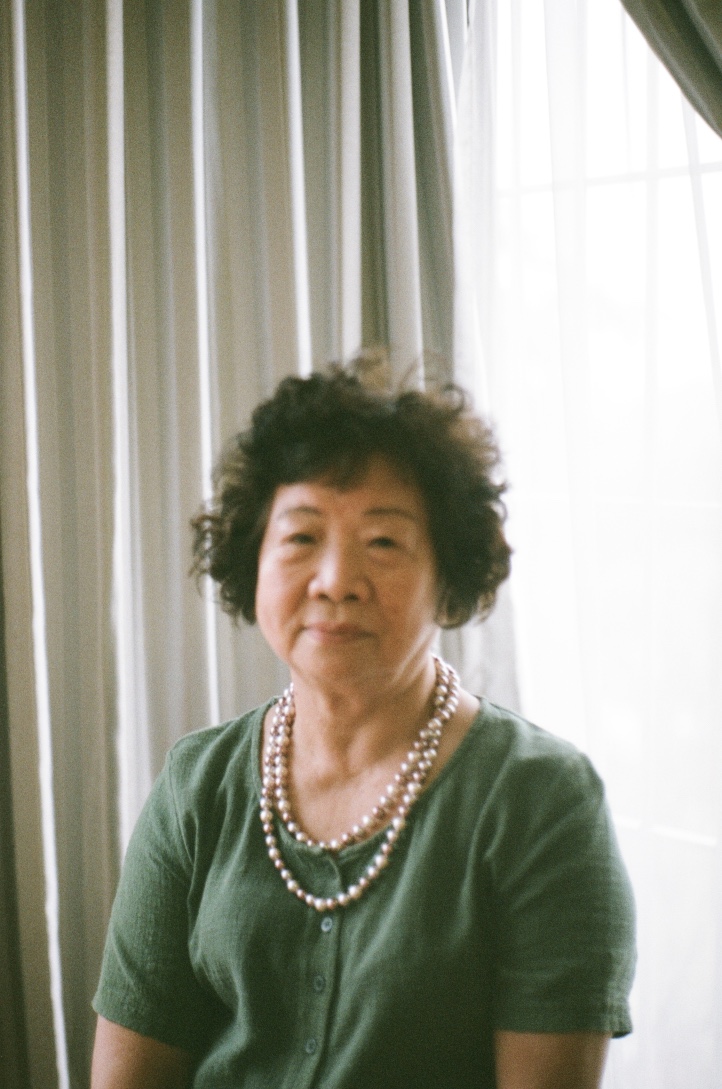
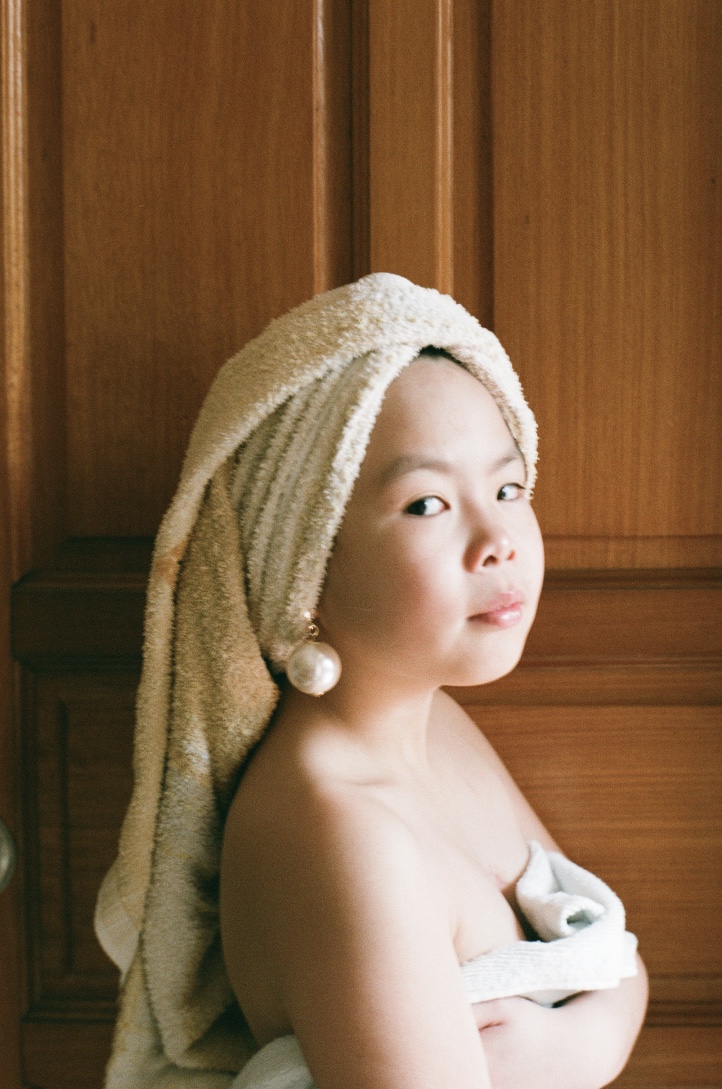
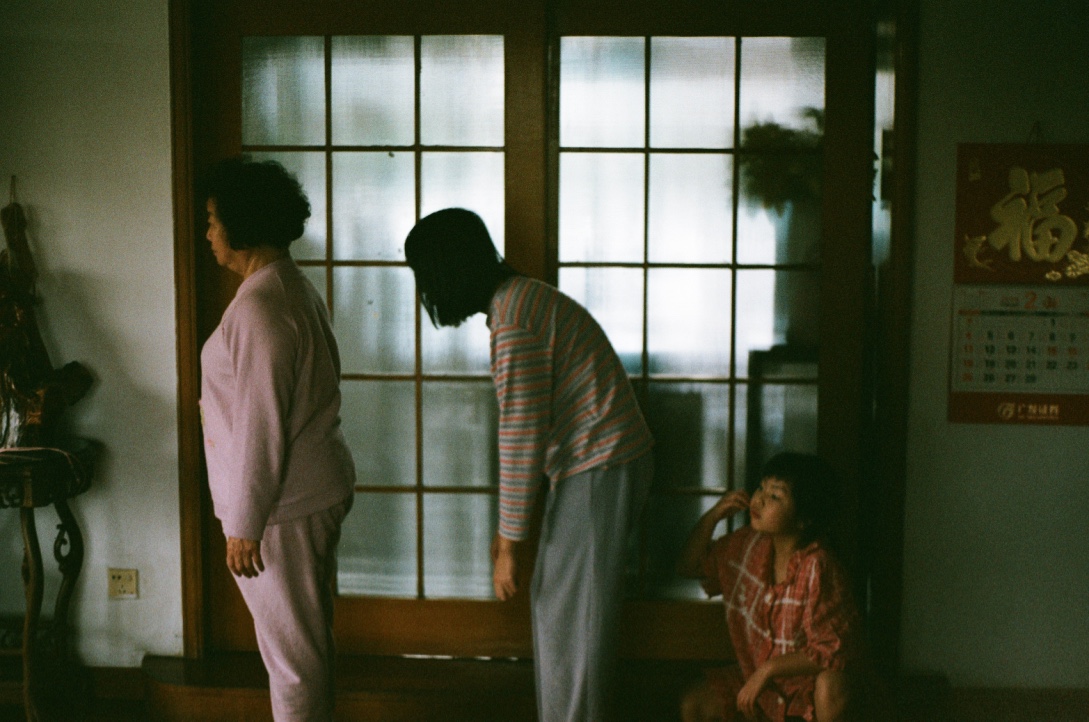
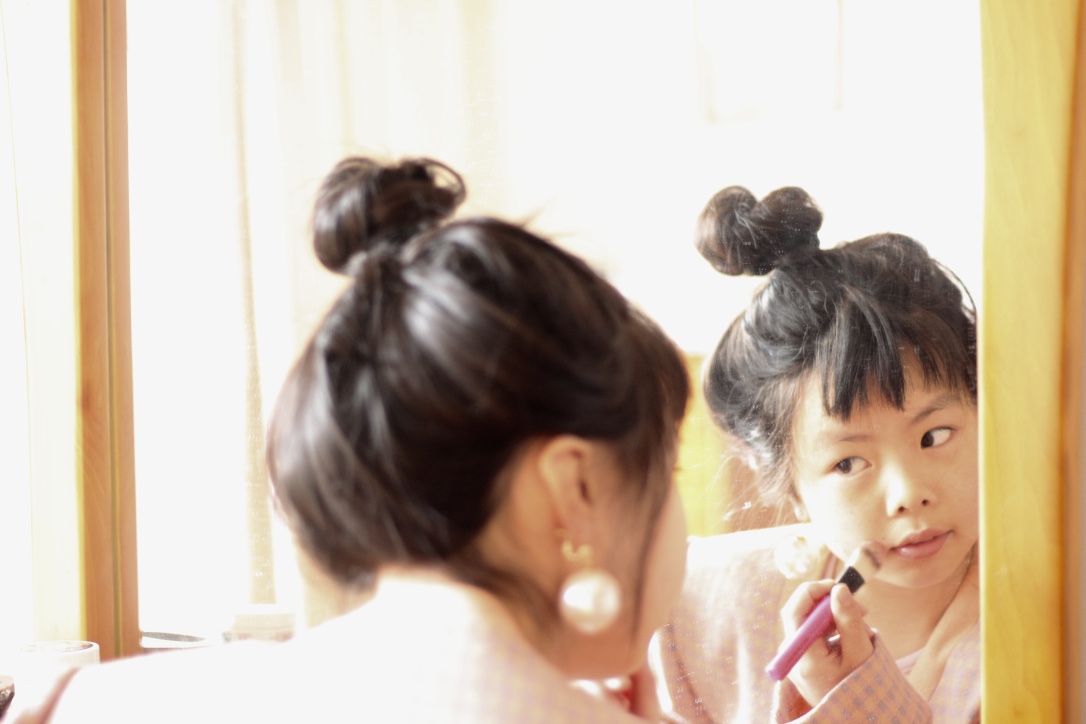
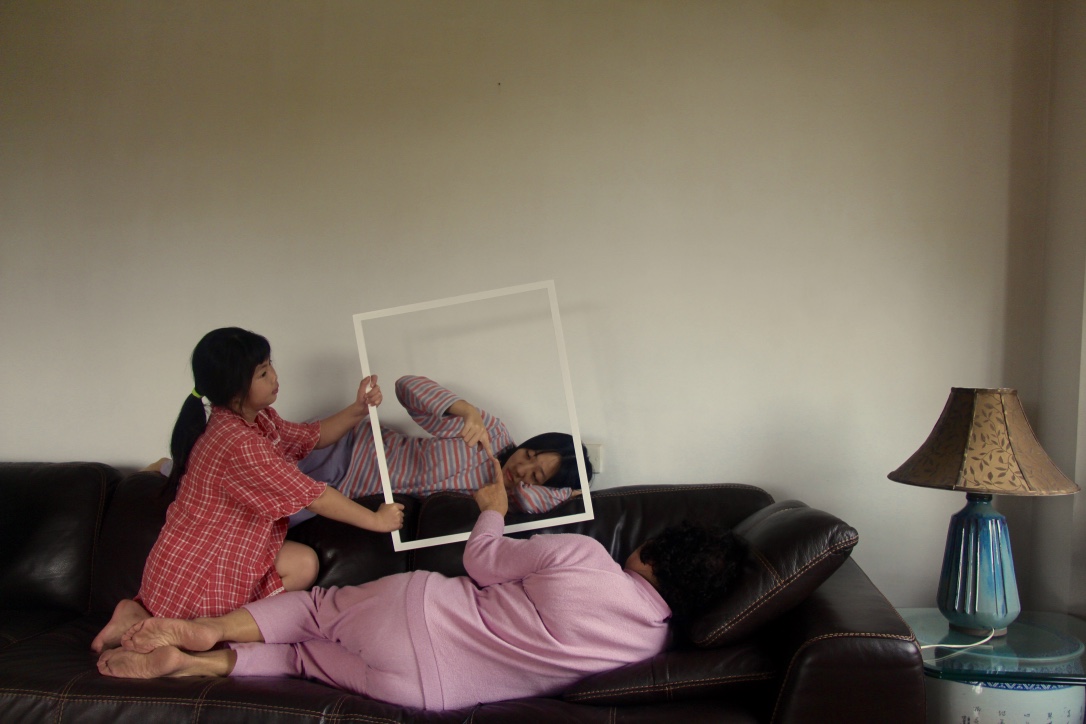
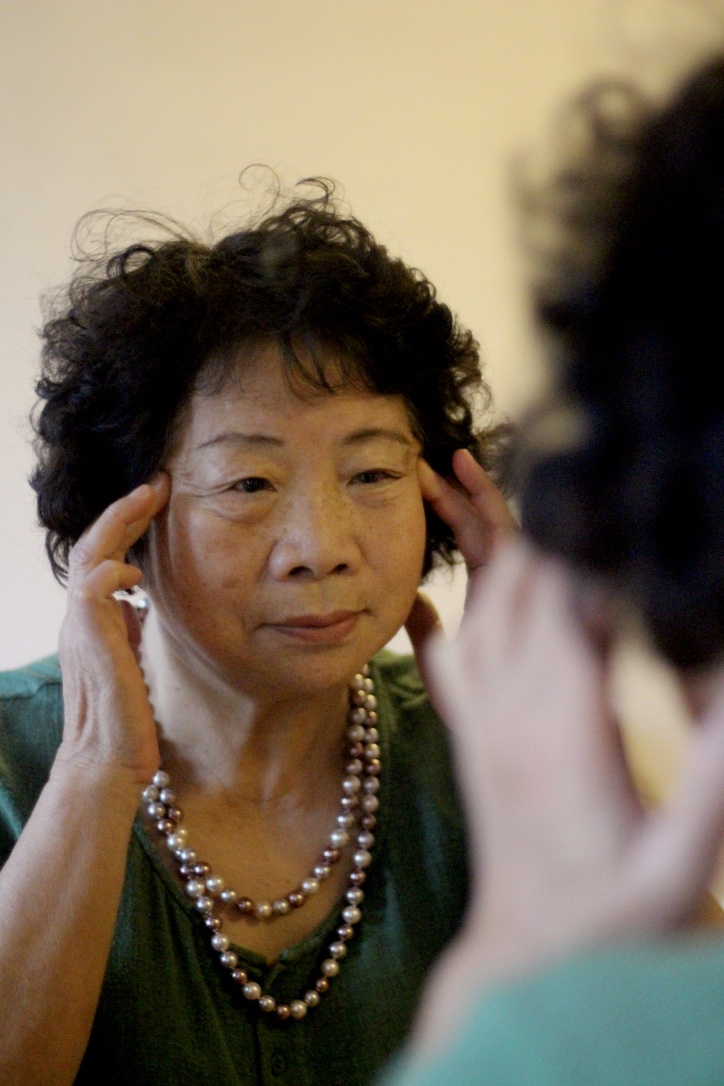
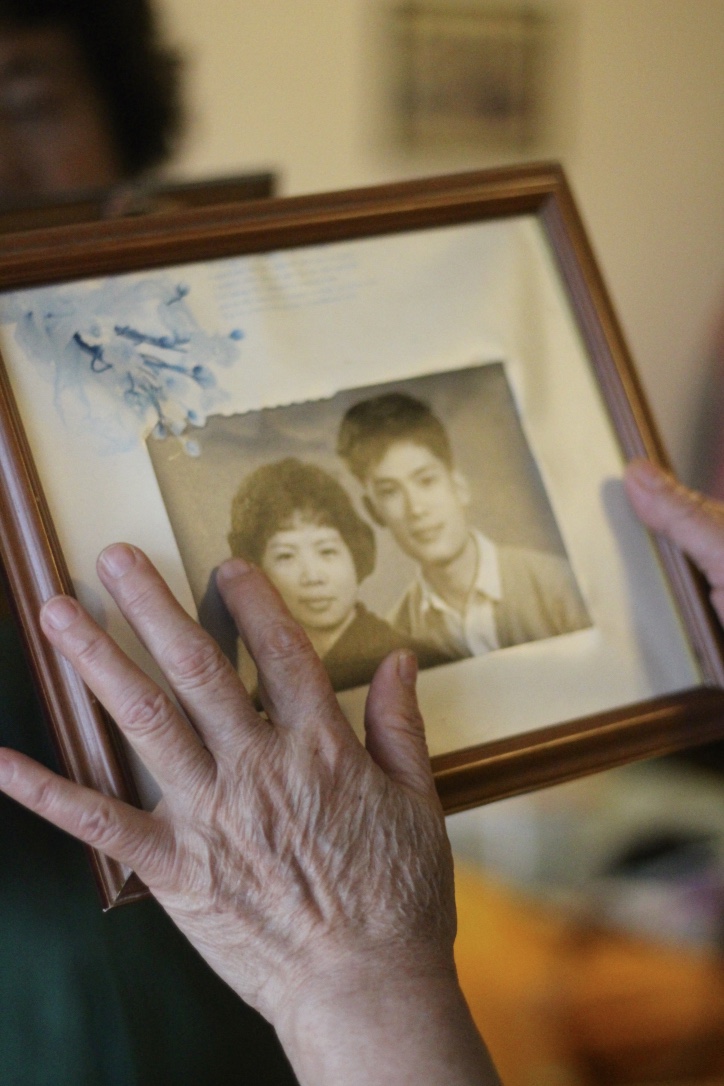
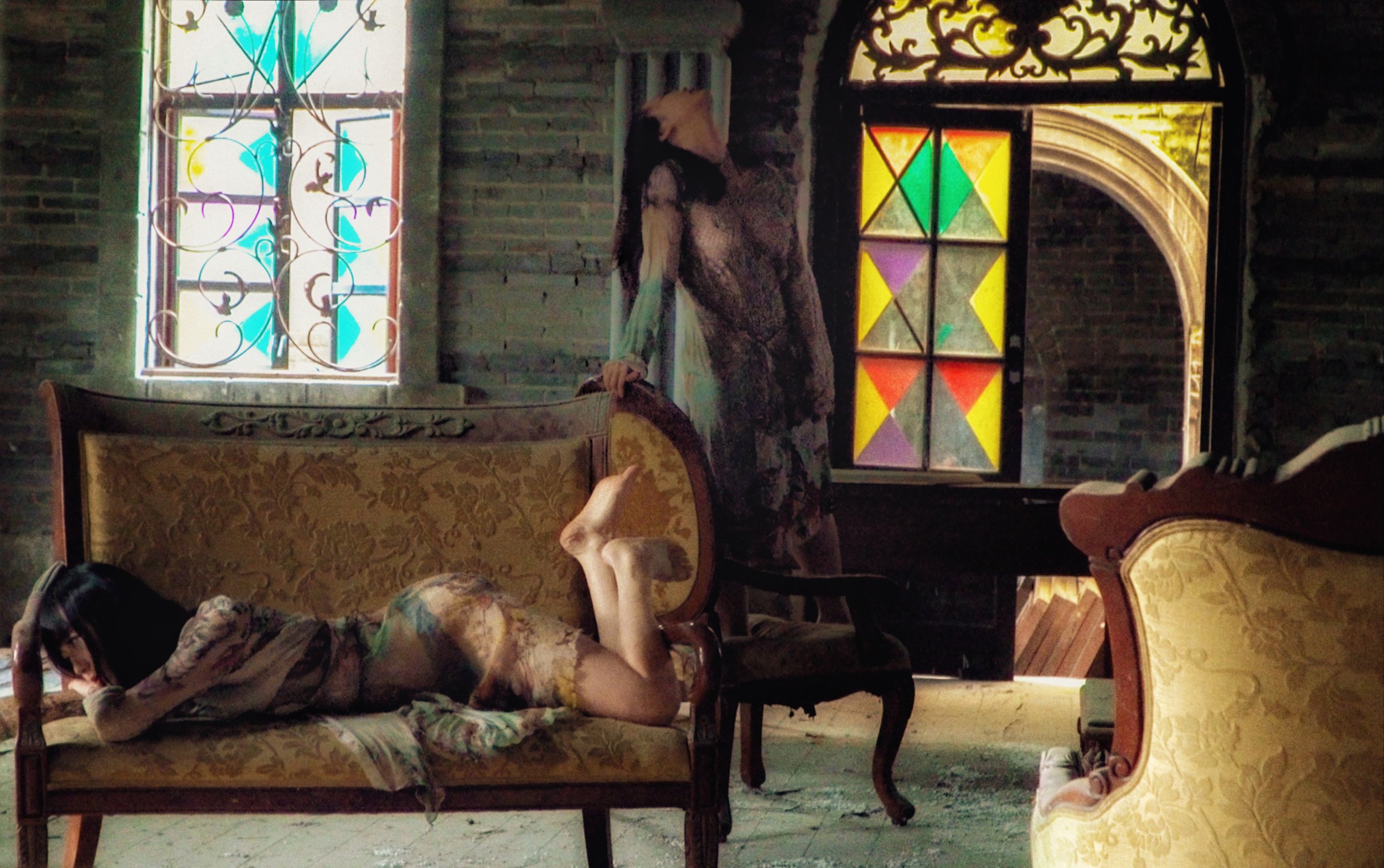
"Driving License" is a homophone for the internet slang term "fake photo,"coined to evade online censorship. While browsing online, I discovered a subculture called the "fake photo circle," where people buy other people's faces to use as their own. The unspoken contract between buyer and seller is: once payment is made, the photo becomes the buyer's identity, and the seller will defend the buyer's right to use it. This fringe image culture fascinated me, so I opened an account dedicated to buying and selling fake photos and embarked on a three-month fieldwork investigation into identity, images, and contracts. I found different women to custom-produce photos that mimicked my own artist portraits, ID photos, and casual selfies as closely as possible.
From the beginning to the end of the project, I never thought about what I would use these purchased photos for. I simply found the process of creating a nonexistent persona through buying and selling, and the exploration itself, deeply interesting. This persona can later be used arbitrarily—I could use it for online dating, making money, art exhibitions, anything. Then it occurred to me: if ever in the future I need to post photos but fear being scrutinized by the gaze, I can just use these fake photos.
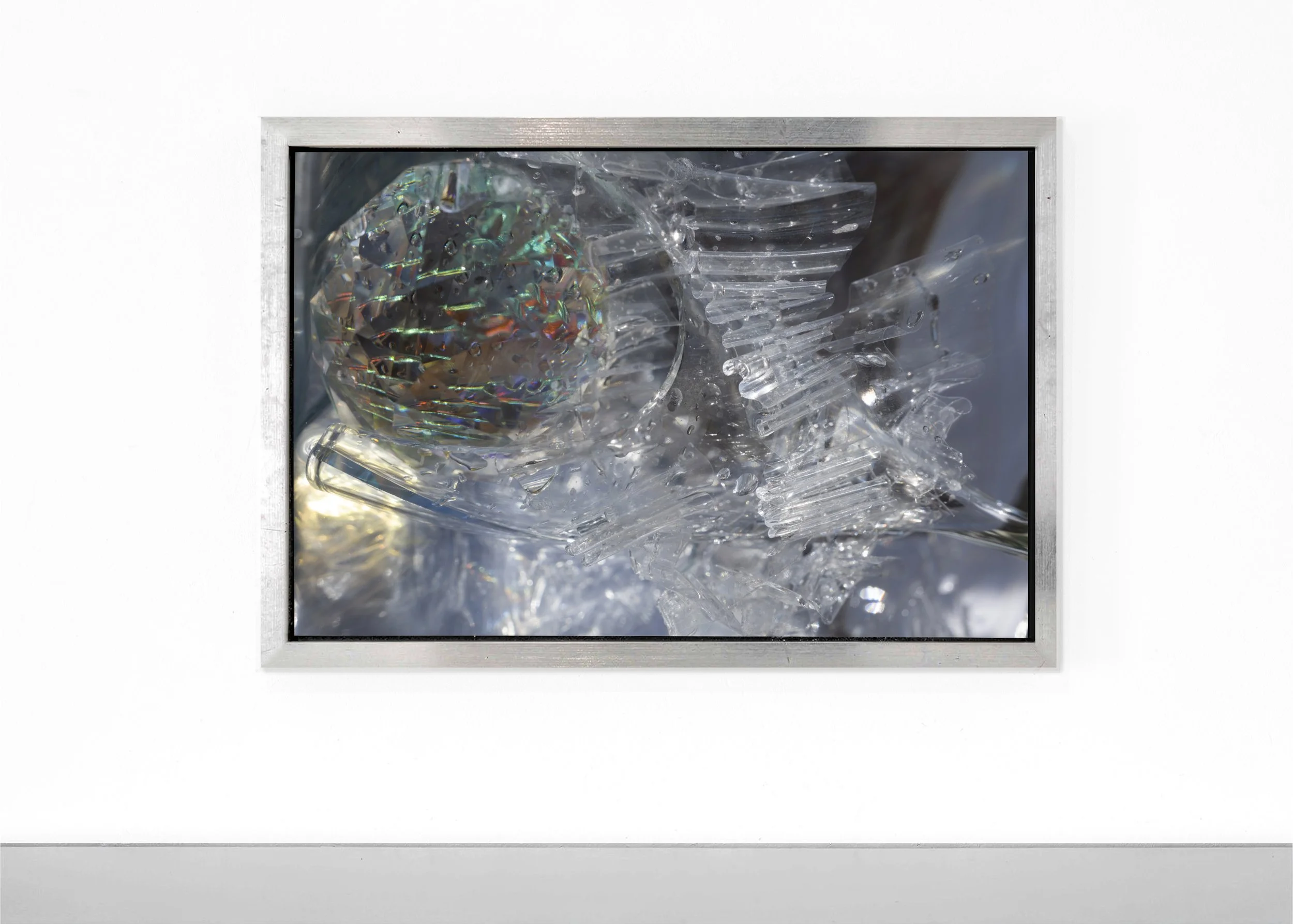
Wedding Party, 2025


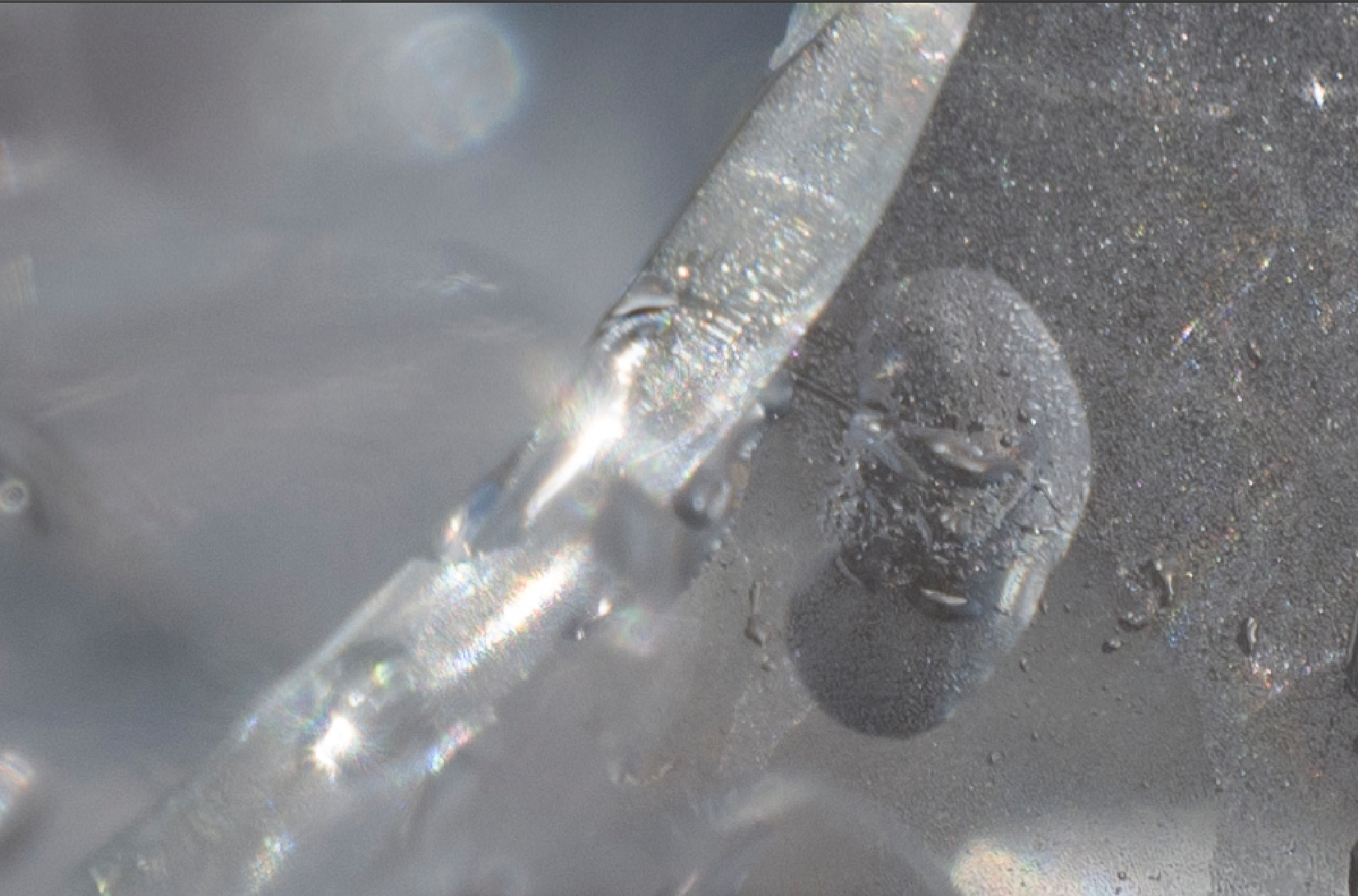
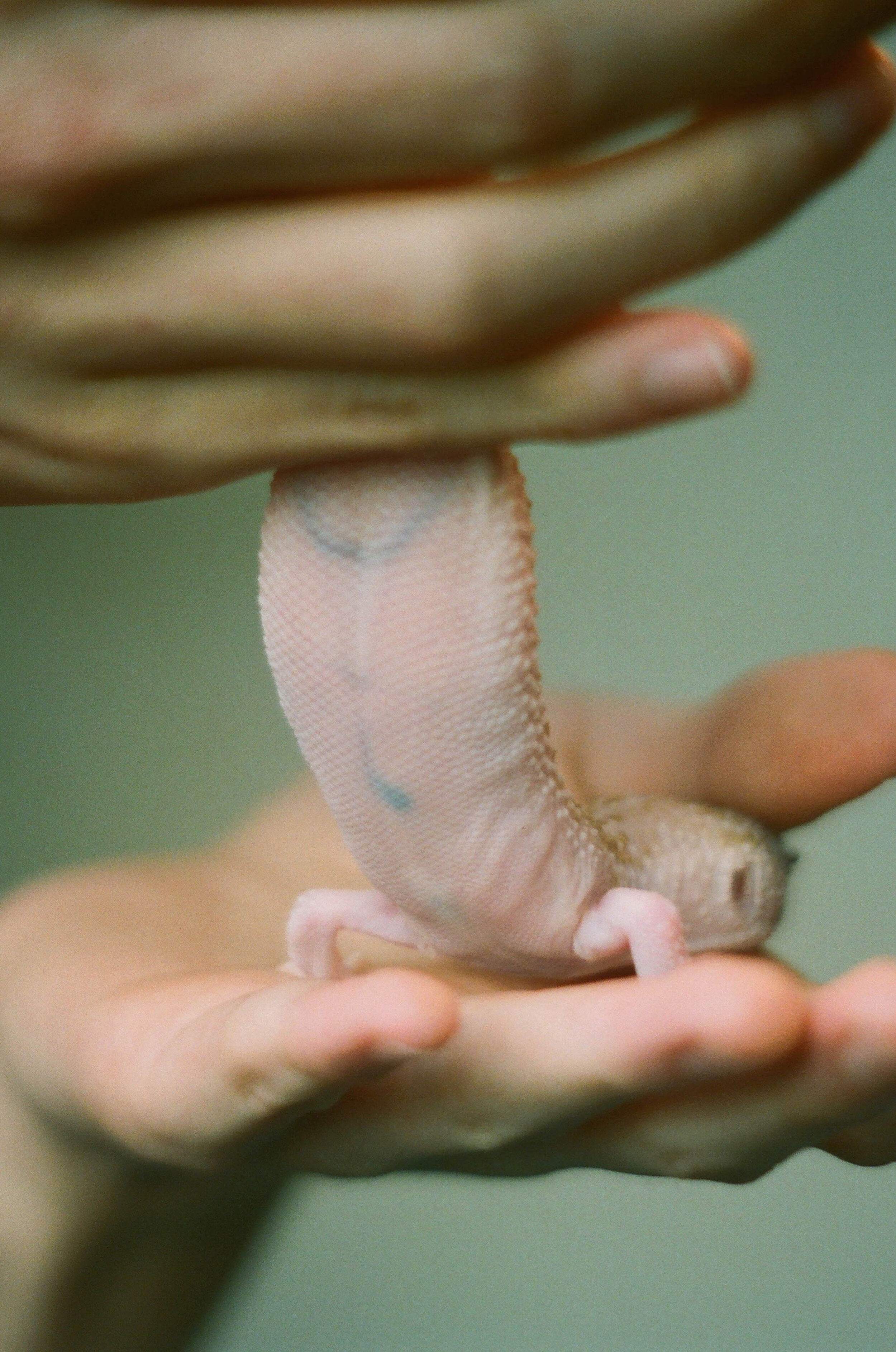
Changing Wings, 2026
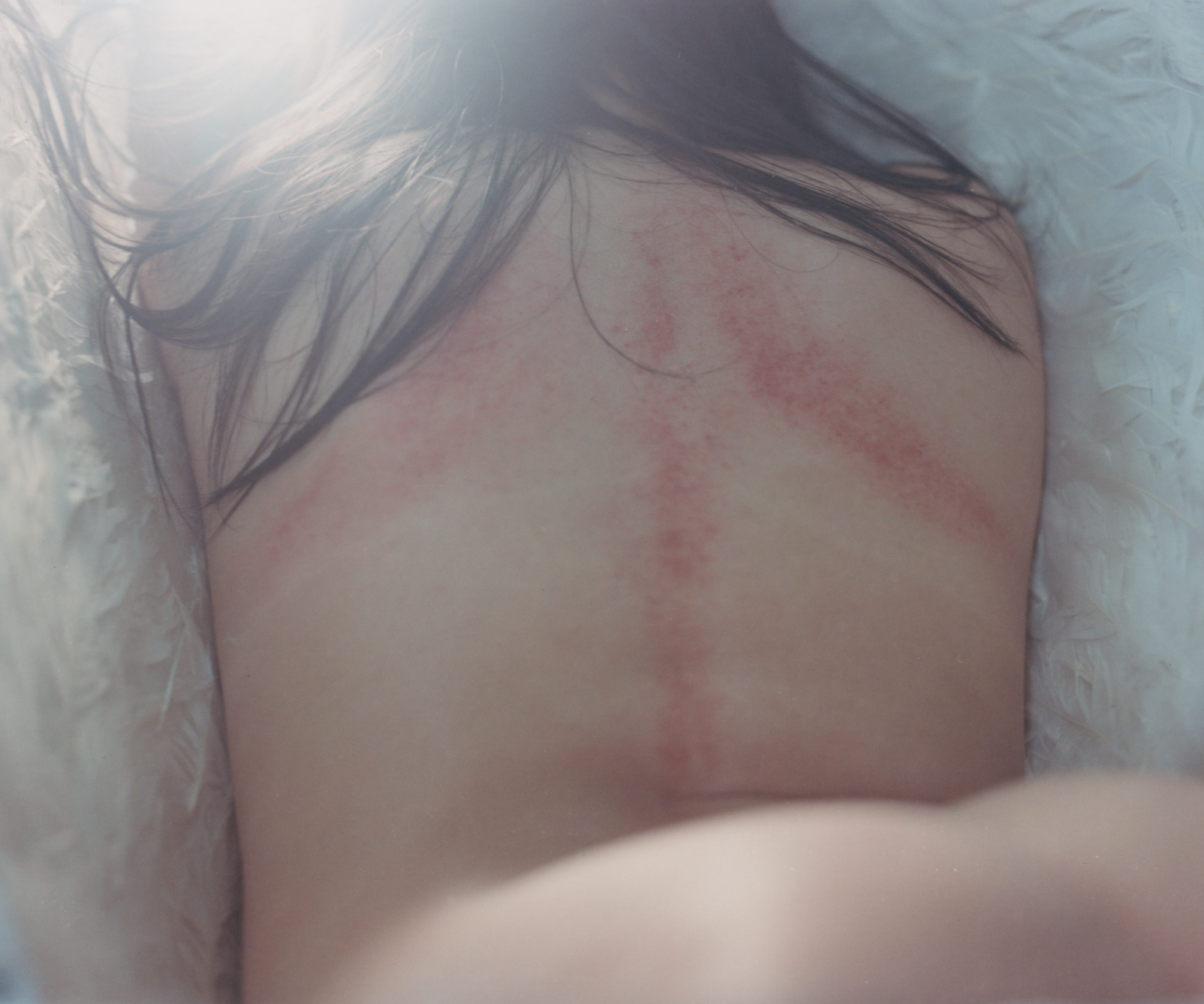
C-print
The red dots on the angel's back in the picture come from Gua Sha, a natural therapy originating from traditional Chinese medicine. It involves repeatedly scraping the skin with specific tools to unblock meridians, improve blood circulation, and expel toxins from the body. After Gua Sha, red or dark red spots often appear on the skin, known as "sha" or "petechiae." This is a step the angel takes before changing its wings.
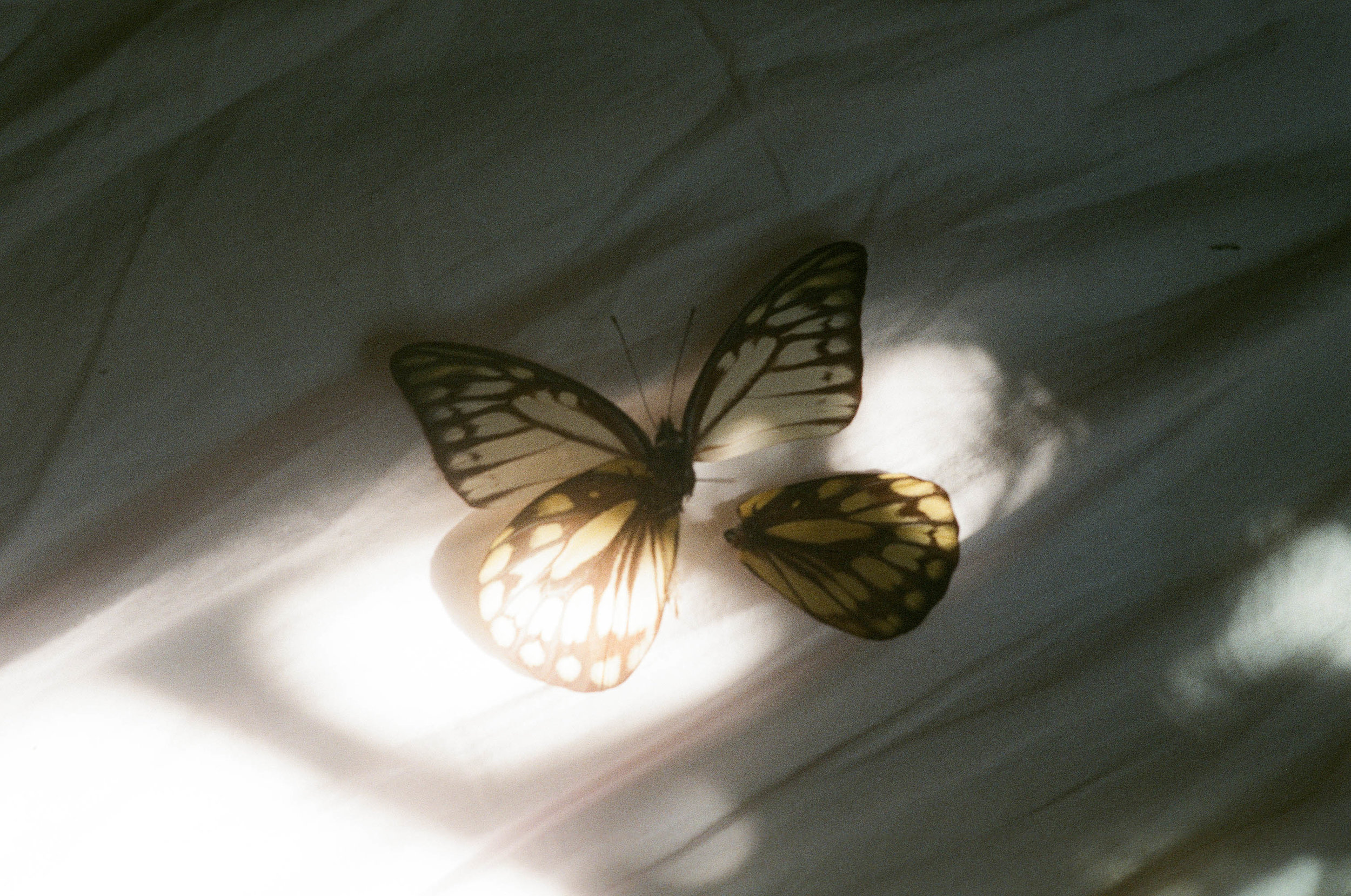
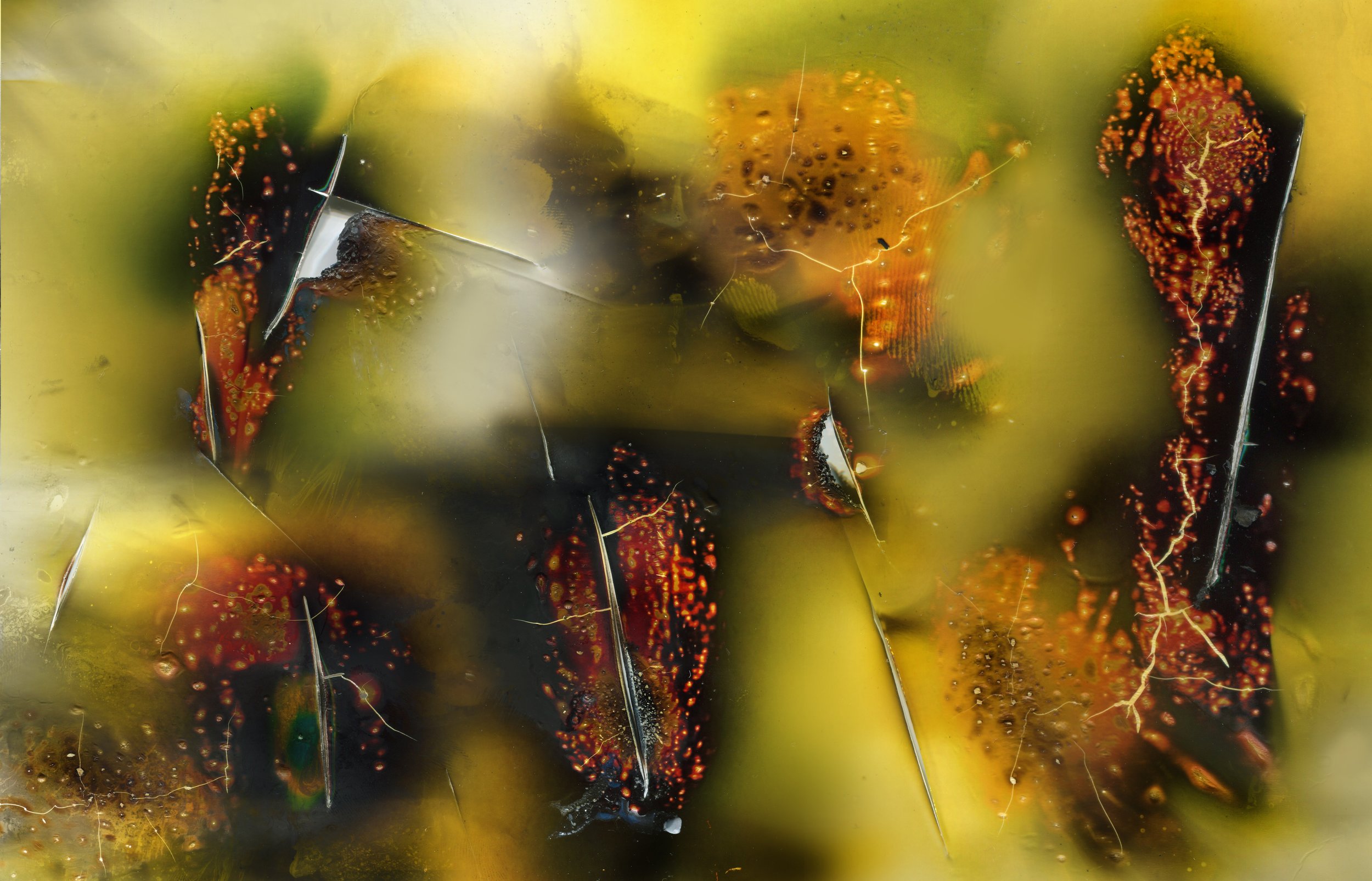
Phantom Light, 2026
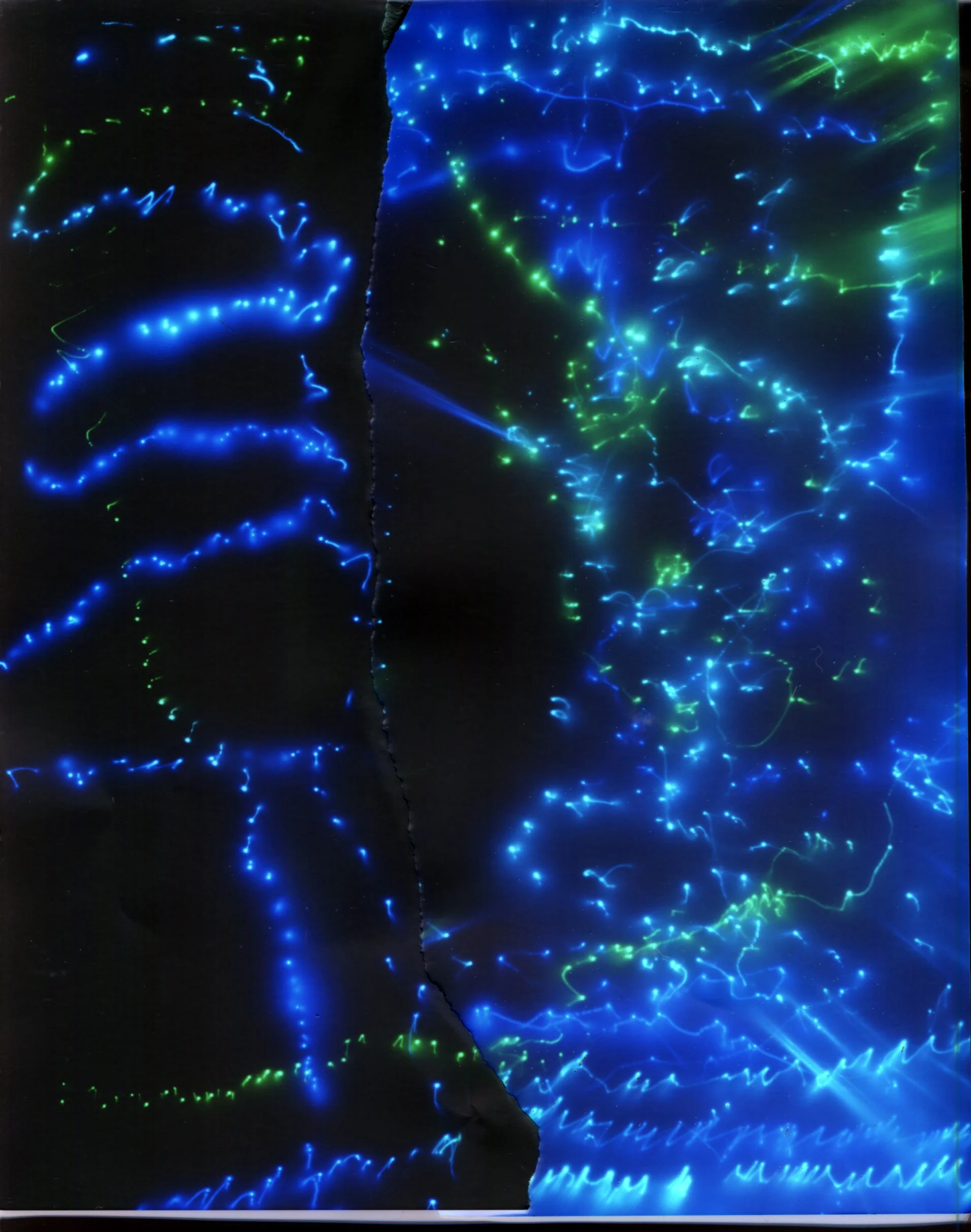
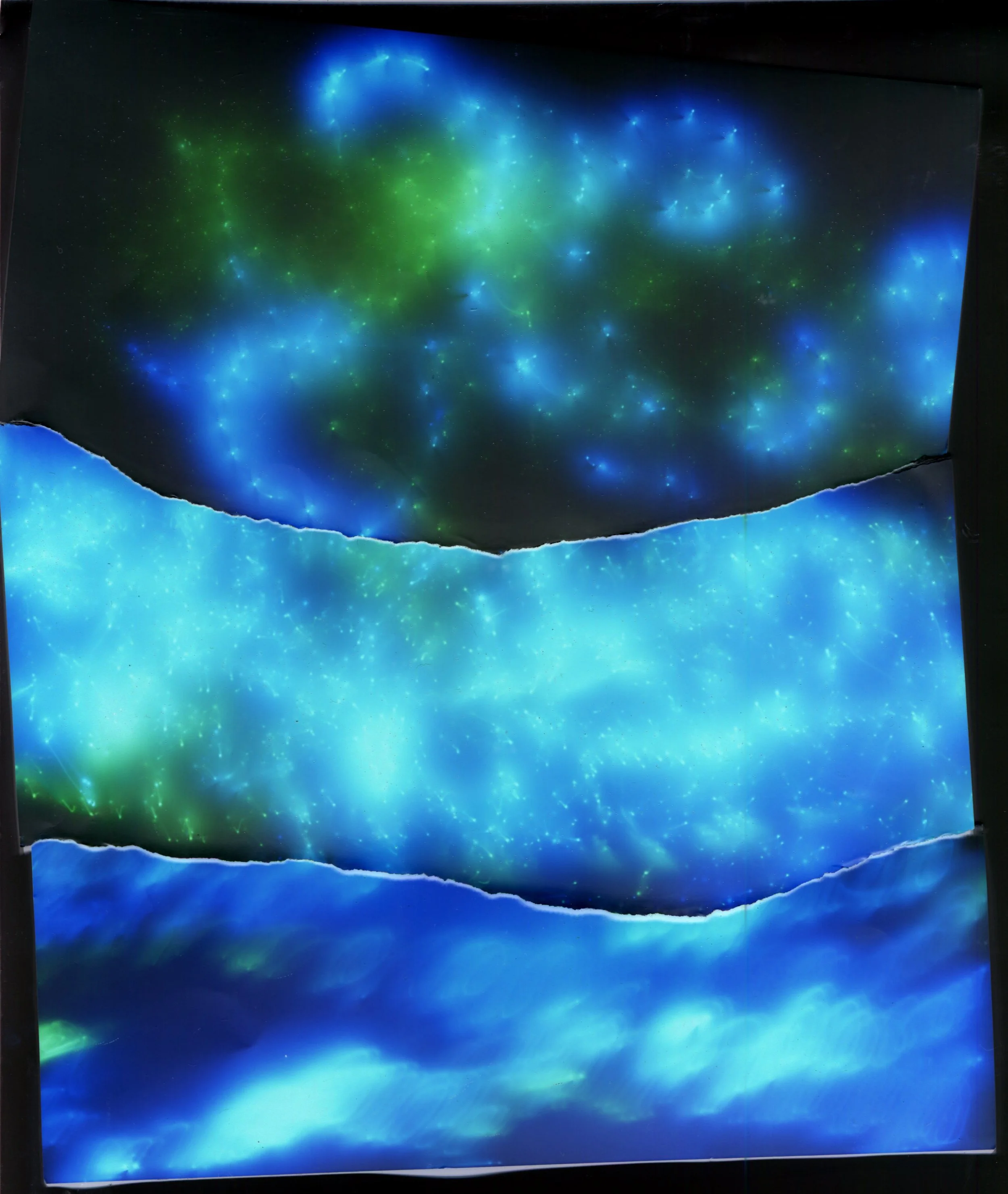
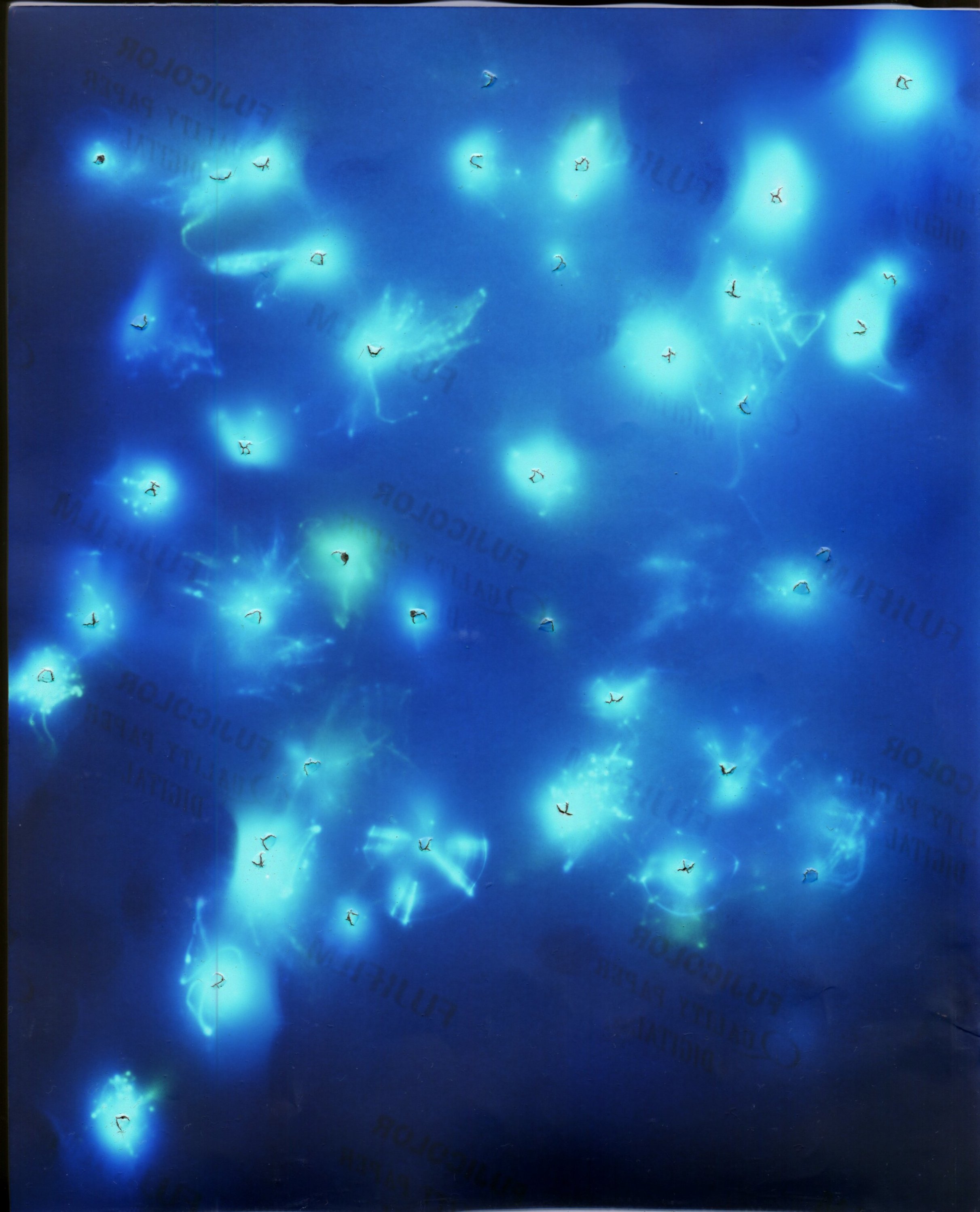
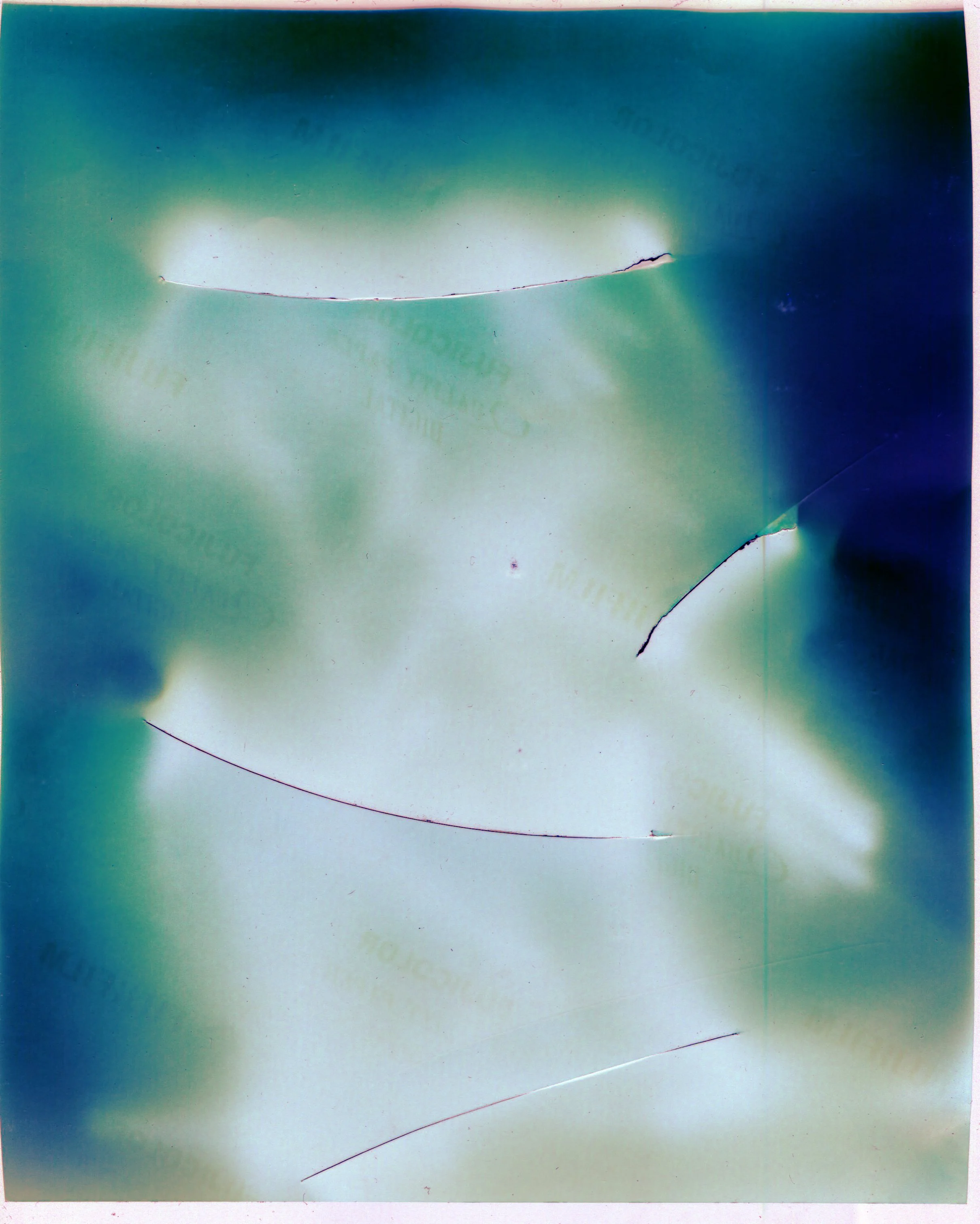
Color Photo Paper-Nagetive Film, 8x10inches, Unique
Extending from my 2021-22 light experiment series, this project explores light through destructive means in order to discover unseen forms of light.
<Sister Sister>, 2026
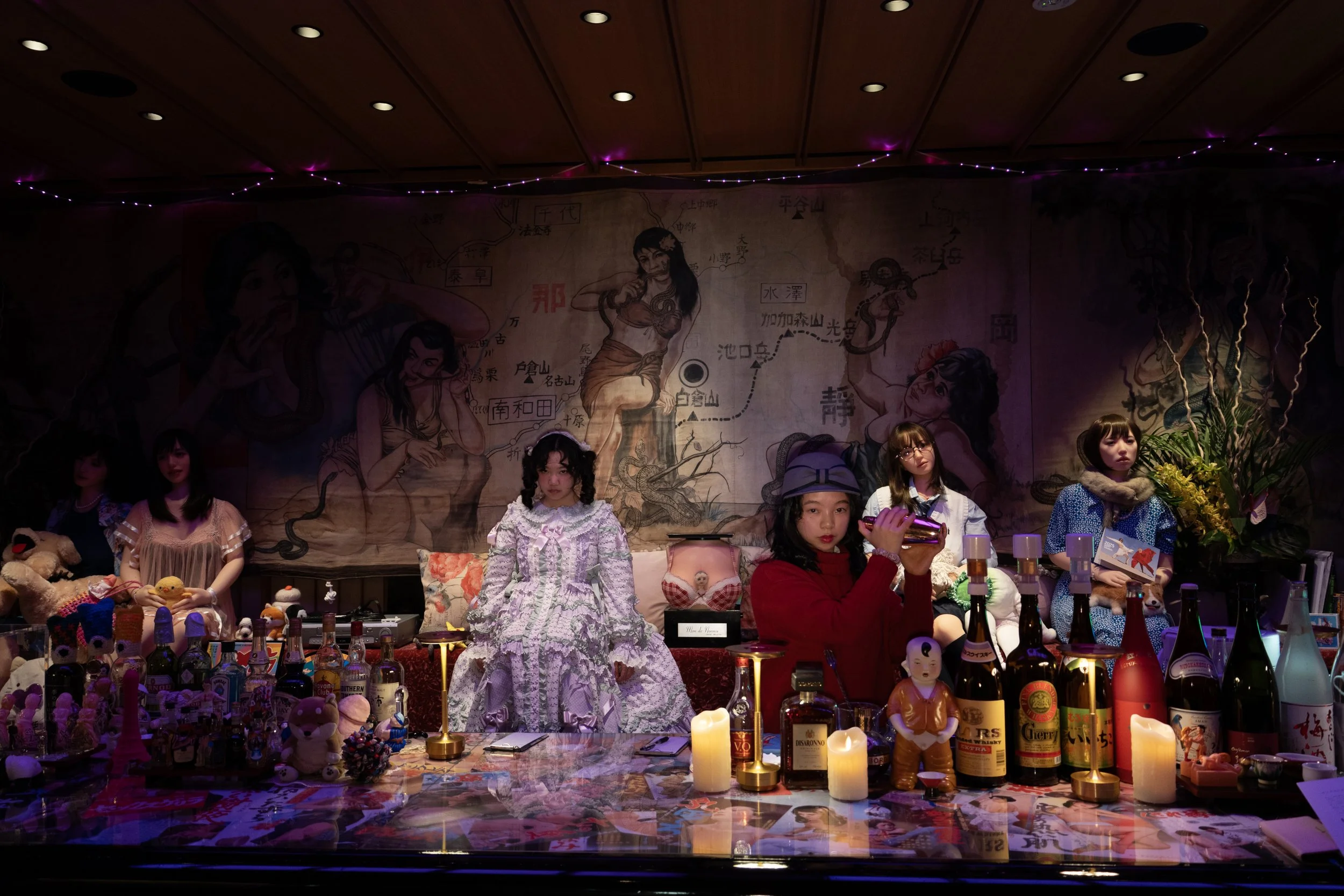
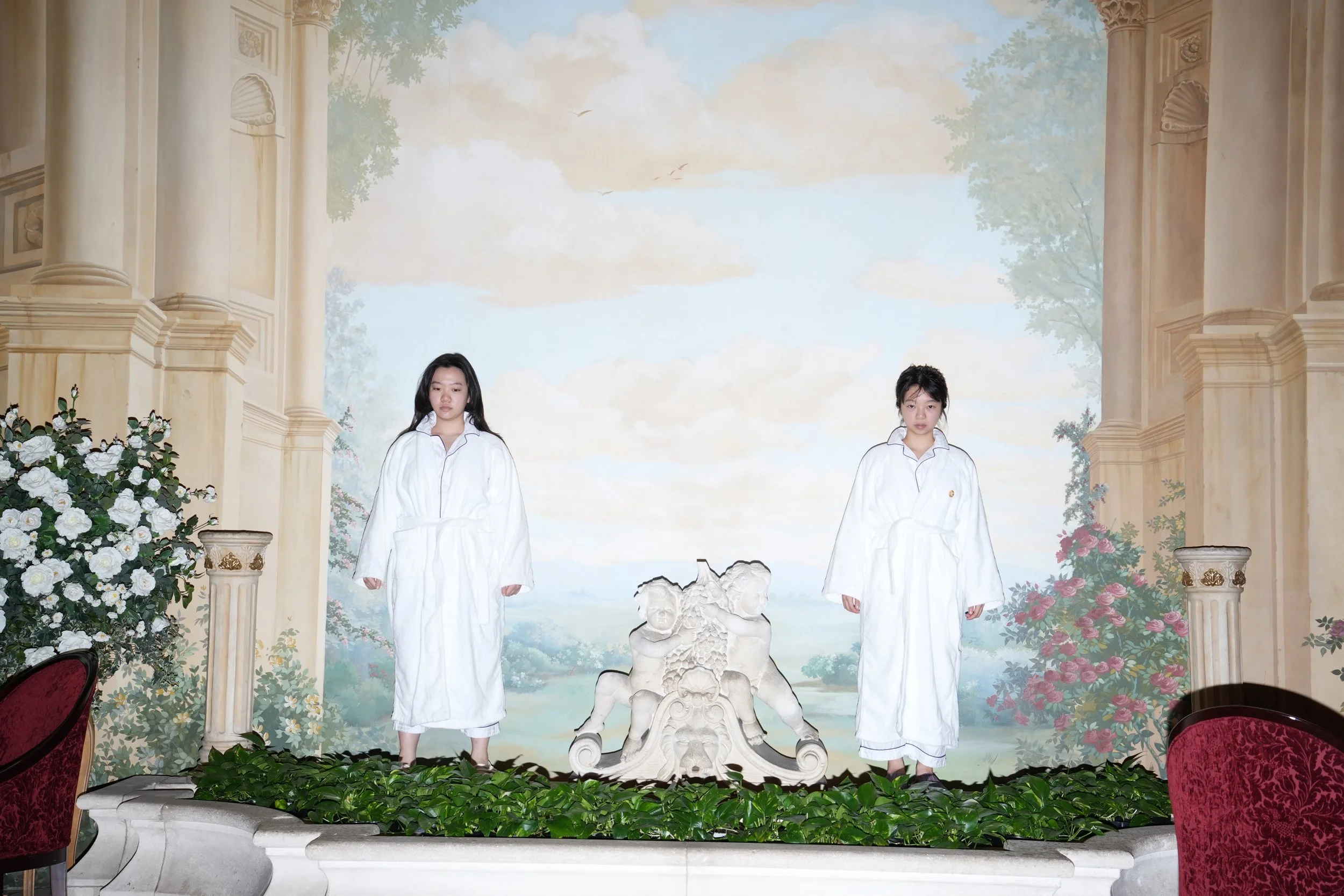
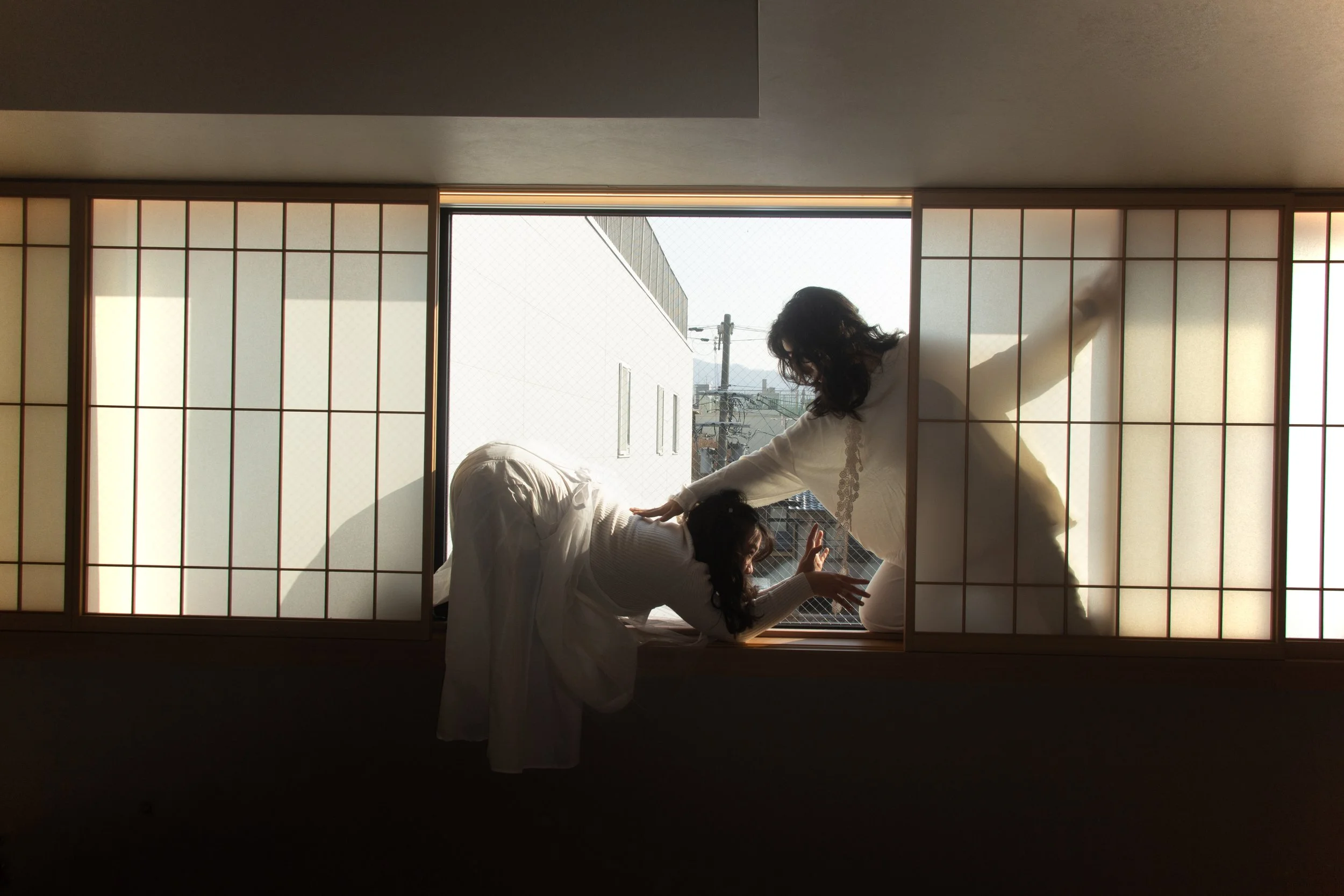
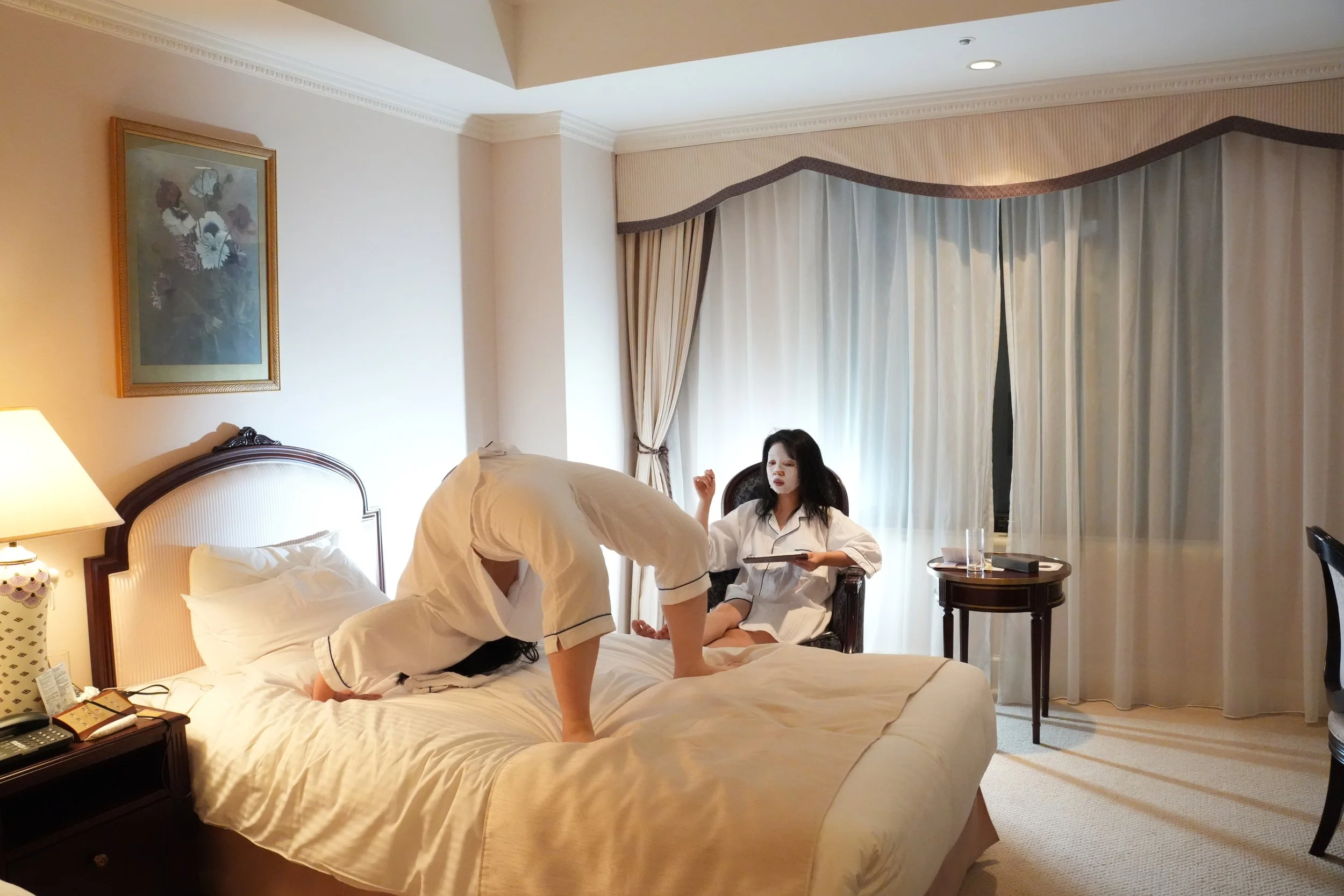
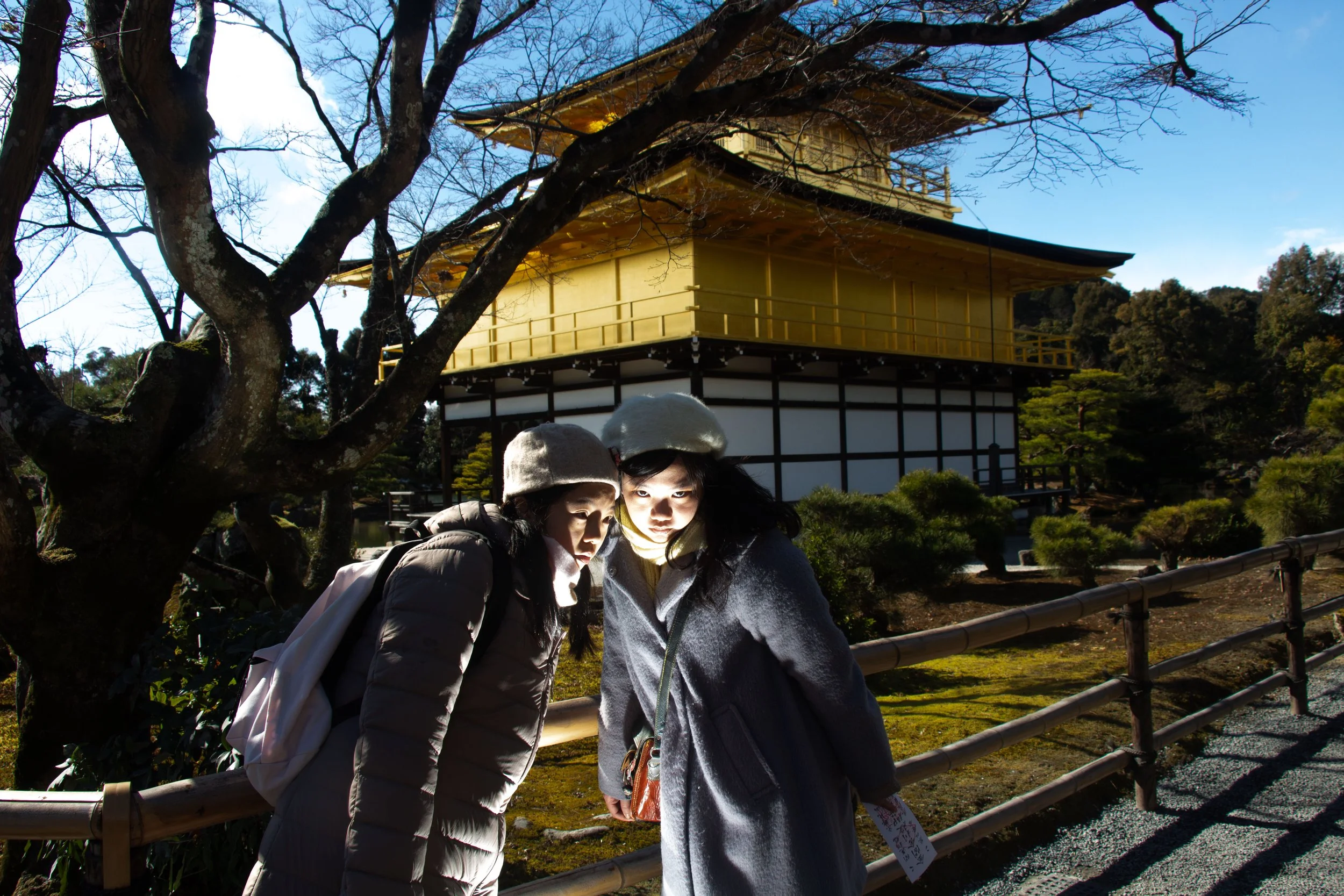
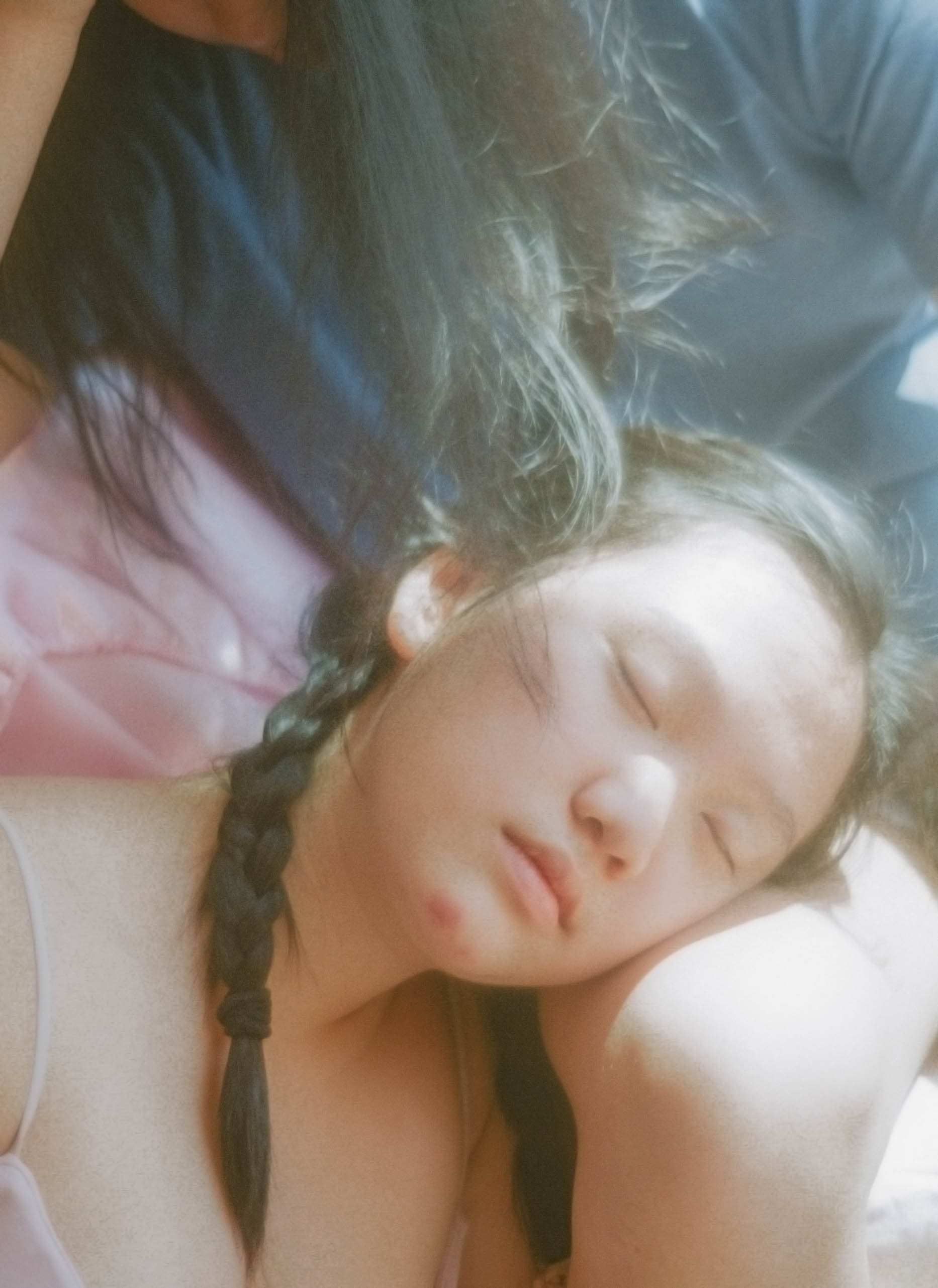
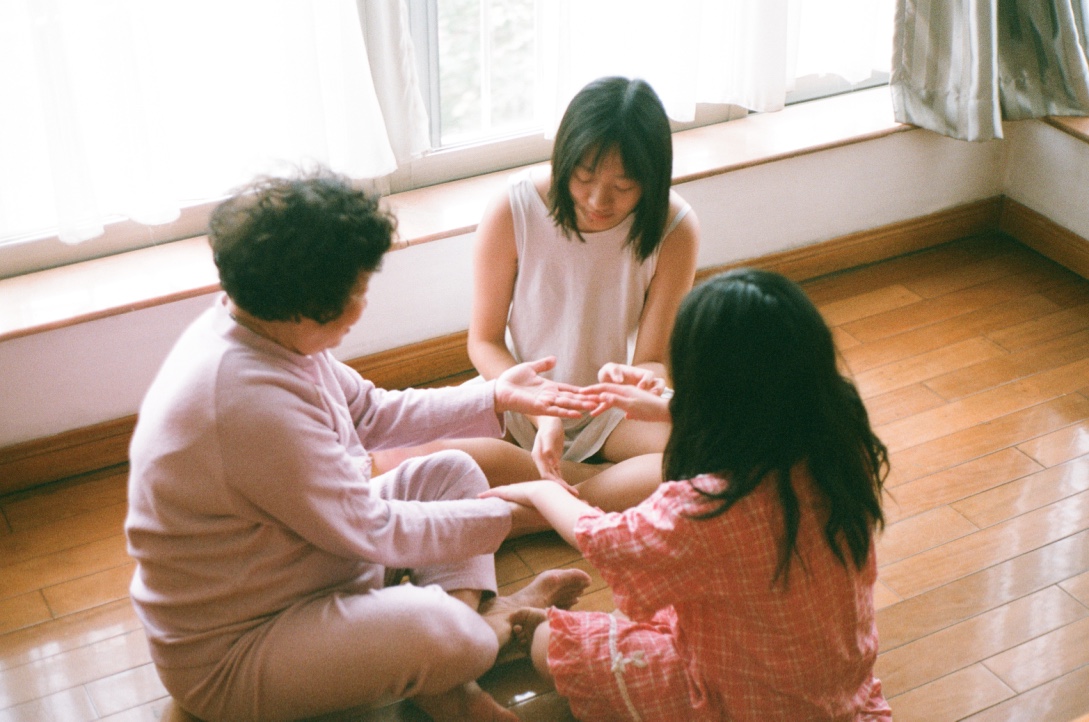
We’ve shared a bed since we were little, and our bedtime playtime remains one of the happiest rituals of our lives. We often fall asleep mid-conversation, unwilling to let the day end. Sometimes we imagine a magical device that could transmit our brainwaves so we could keep talking without words—or even keep playing together in our dreams. We almost always fall asleep holding hands or hugging, wishing to meet again in sleep. We’ve tried many ways to see each other in our dreams, to continue our conversation beyond waking, but we’ve never succeeded……
<Make a Wish Before You Believe>, 2025
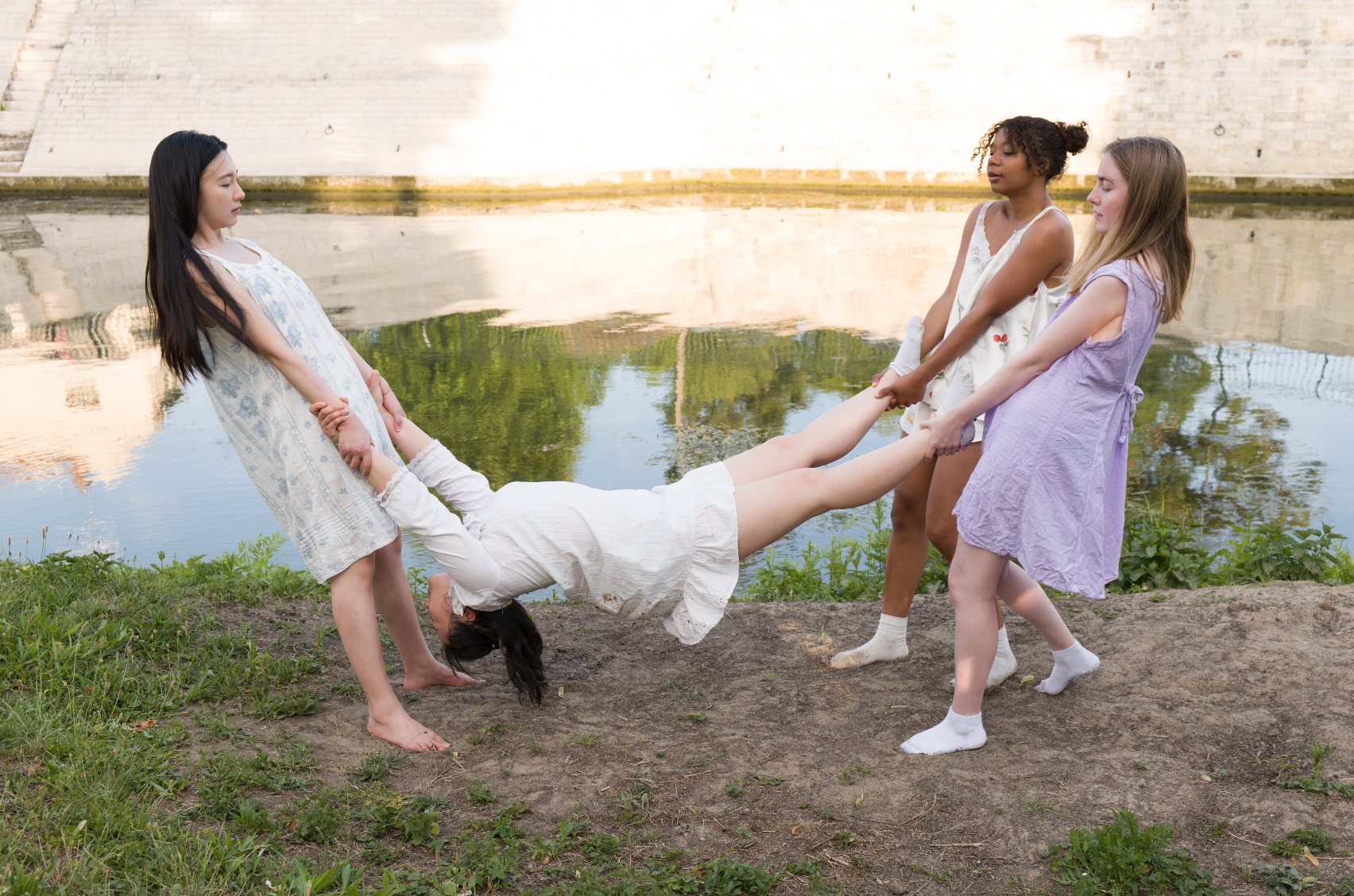
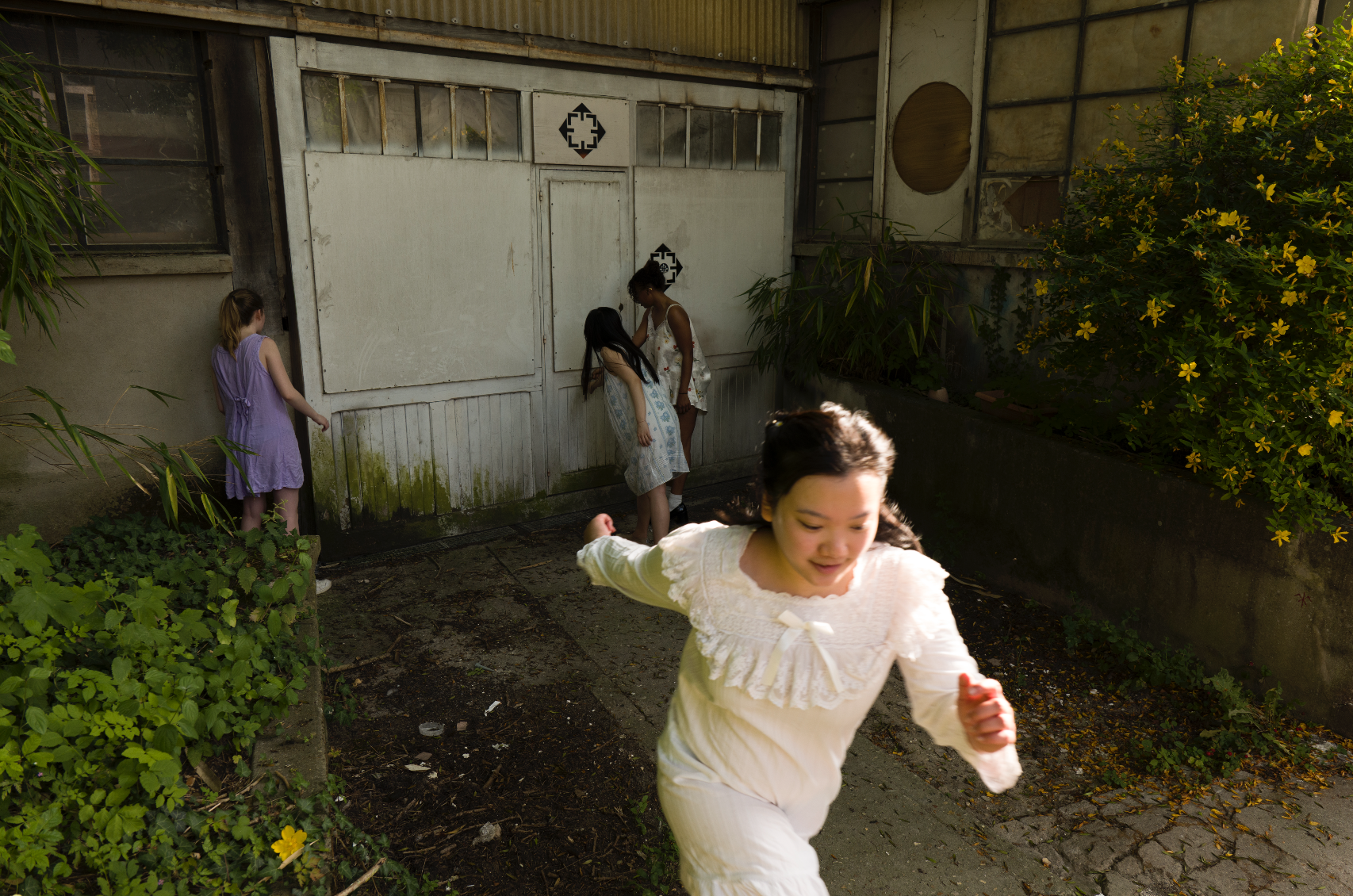
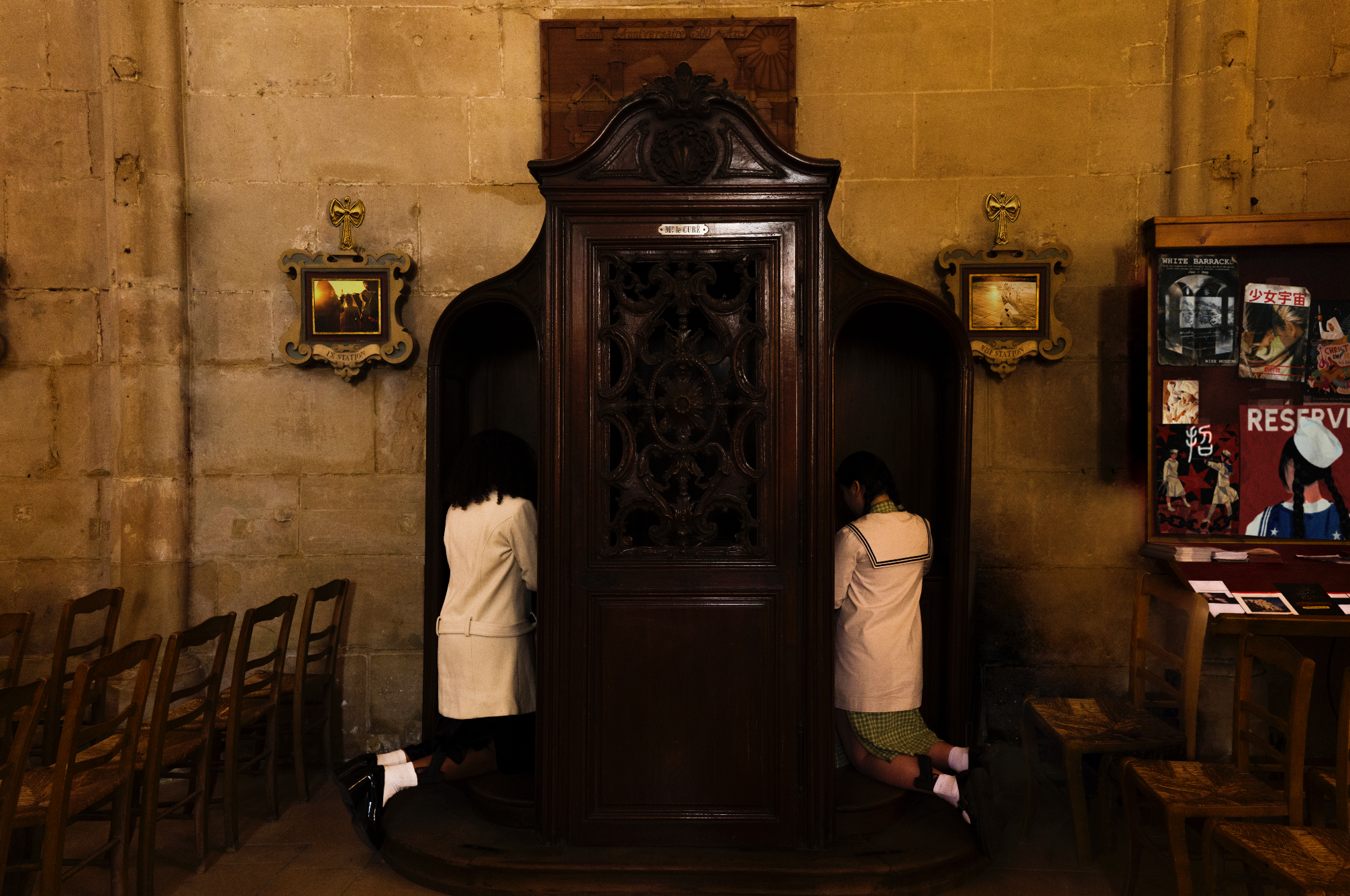
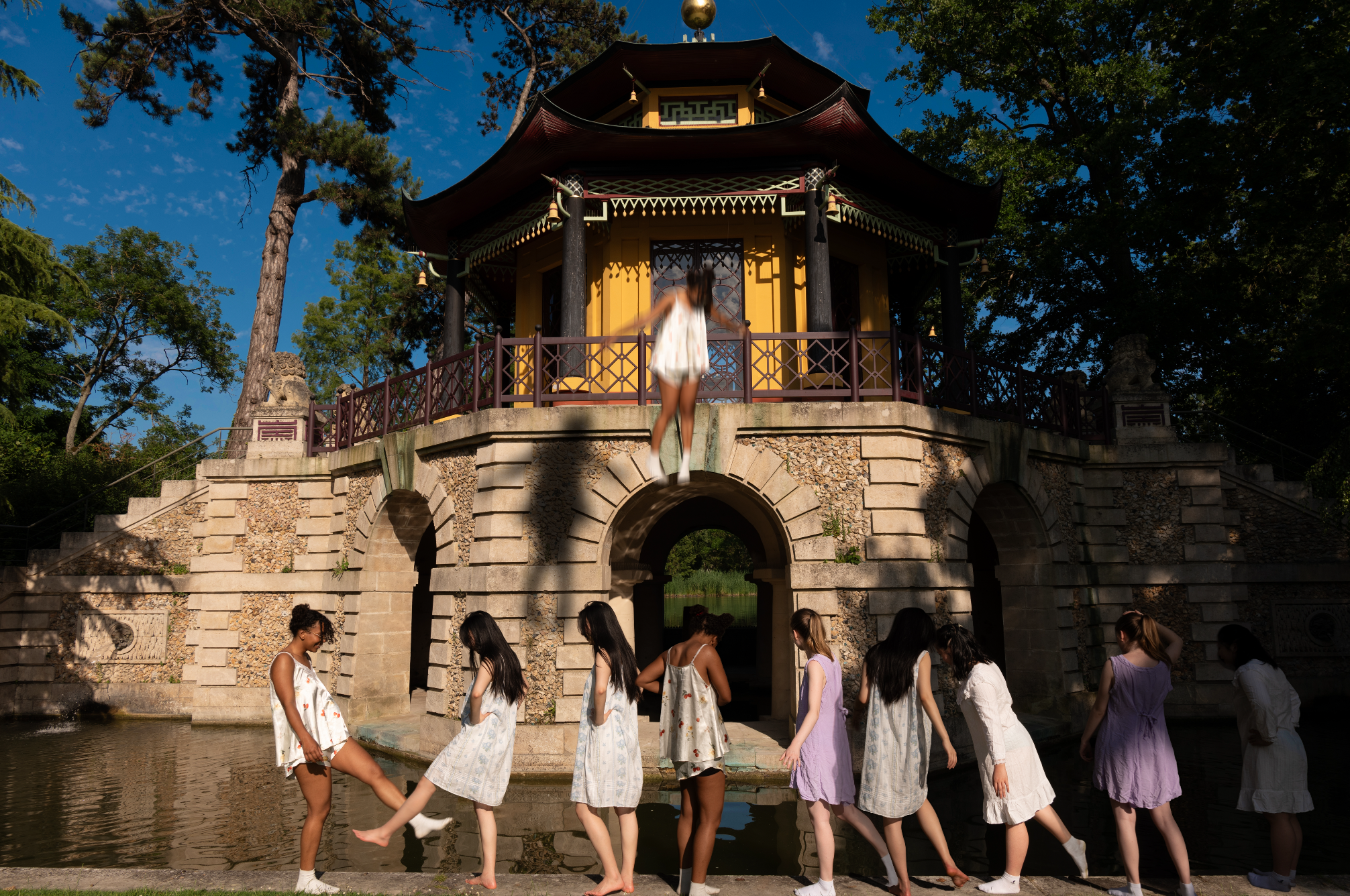
Entering the final chapter of the Girl Universe tetralogy brings a sense of reluctance. From the chaotic undertones of <White Noise: The Reincarnation of the Pure>, to the establishment of home in <Girl's Town>, then through the tensions of order and power in <White Barracks>, we have finally arrived at Make a Wish Before You Believe—a posture of hope that persists even in despair. This act of wishing is the exit I reserved for this long journey.
As a woman—and as an artist who has spent nearly half her life creating images of girls—I often read the history of photography from the perspective of the "girl." Among the many stories in this history, two girls have left a profound impression on me—those behind the famous Cottingley Fairies.
Throughout the "Girl Universe" series, I have used many cameras: 135mm and 120mm film cameras, smartphones, sixty‑megapixel digital cameras...Yet, no matter how high the resolution, the camera can never, in a philosophical sense, capture the "absolute truth." Especially in the age of AI, the public's relationship with images has entered a deeper state of anxiety—we are forced to confront what we see but cannot confirm as real.
In 1917, two cousins from Yorkshire, England—Elsie Wright and Frances Griffiths—took a series of photographs with a family camera: a young girl sitting in the grass, surrounded by tiny, fluttering fairies. The most notable advocate of these images was Arthur Conan Doyle, author of Sherlock Holmes, who later published The Coming of the Fairies about the incident. Years later, the story was adapted into the 1997 film FairyTale: A True Story.
The girls held their secret for decades, revealing the truth only in old age—after those big people who had vouched for the images had passed away. The fairies, they admitted, were paper cutouts copied from book illustrations. Frances, however, insisted she truly had seen fairies—just not in those photographs. They never sought fame or profit from their work, living quiet, ordinary lives instead. What I see in their story is a yearning to protect innocence. In a world scarred by the First World War, people had lost so much and longed deeply for miracles. If the girls had confessed earlier that the photographs were staged, might they have gone on to pursue creative careers? Yet they chose to preserve their innocent belief—a gesture I consider one of the purest moments in the history of photography.
Many were astonished that Conan Doyle, known for logic and deduction, could believe the girls' photographs were real. I, however, find it understandable. In daily life, I am often described as overly rational—but I know that those who live by reason are frequently the ones searching for that ineffable space beyond logic, that flicker of the "sublime." Like the question I asked to my parent when I was a child, why so many great scientists believed in God. For me, the existence of fairies is not the main point. Those inclined to believe will not be swayed by a false image; those inclined to doubt will not be convinced by a true one. Once, photographs were regarded as evidence of fact; today, they are almost inherently viewed with suspicion. Yet regardless of truth or fabrication, images continue to inspire hope. The very act of believing carries within it an unexplainable sense of mystery.
And so, I make a wish before I press the shutter.
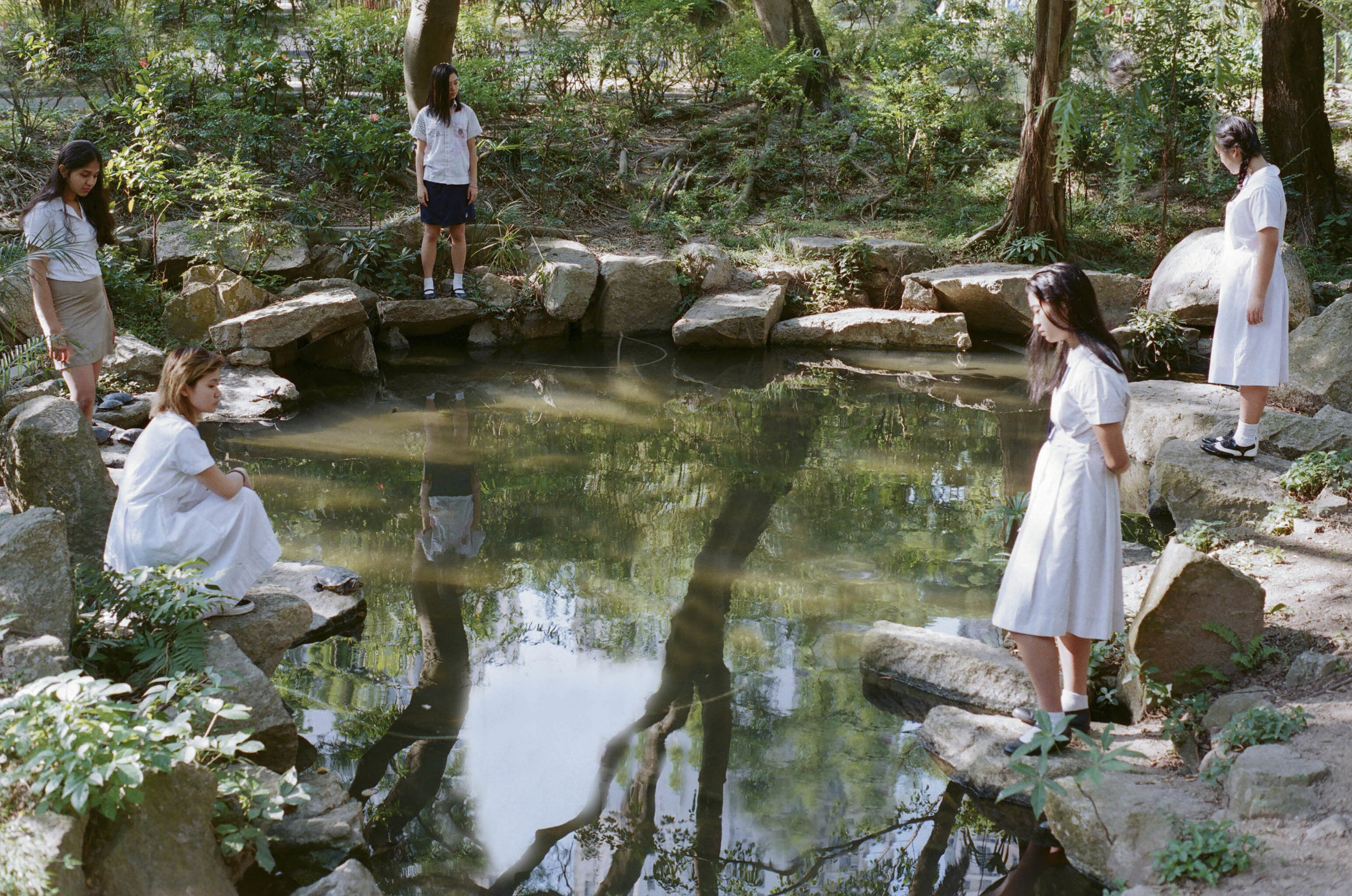
<White Barracks>, 2025
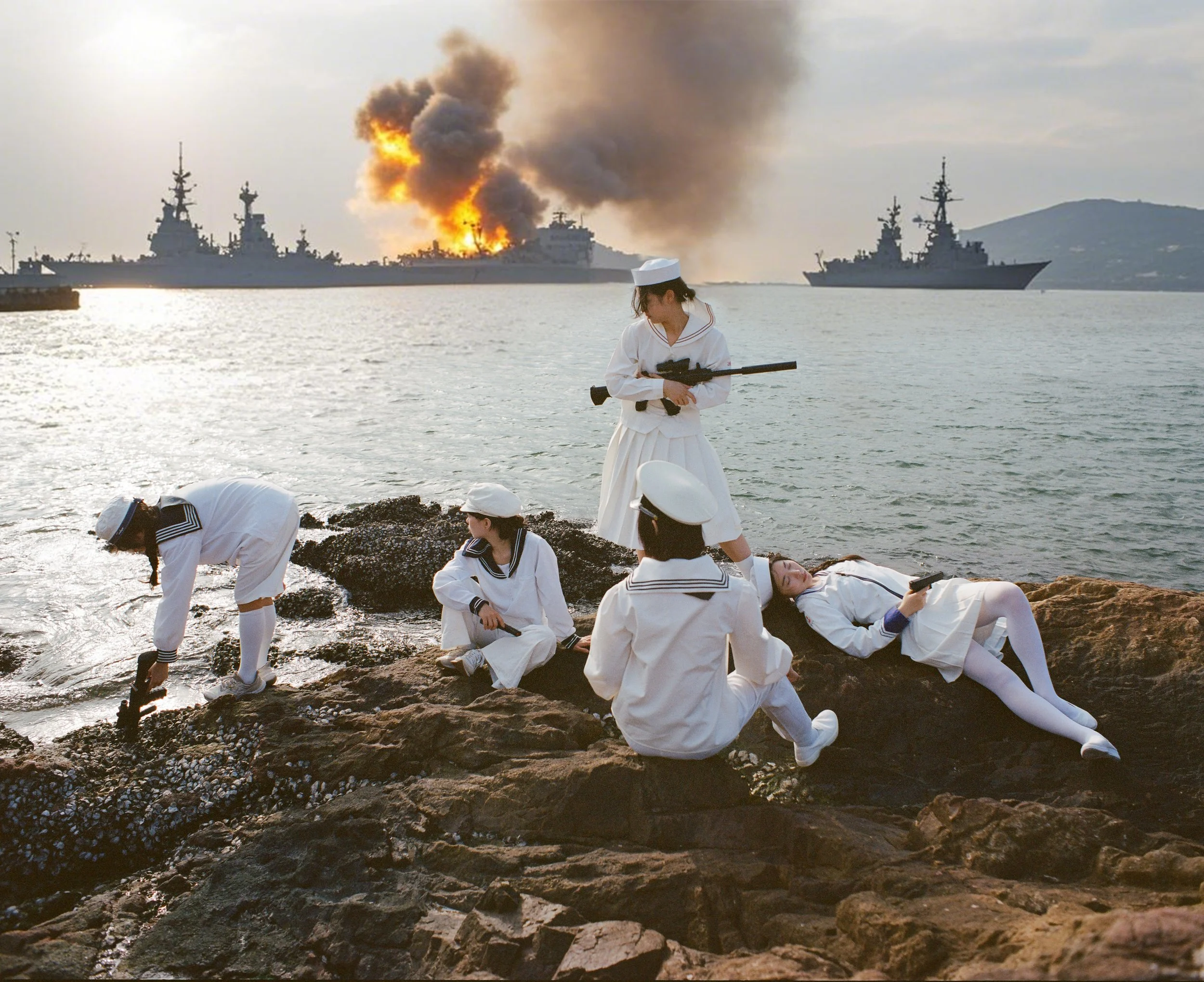
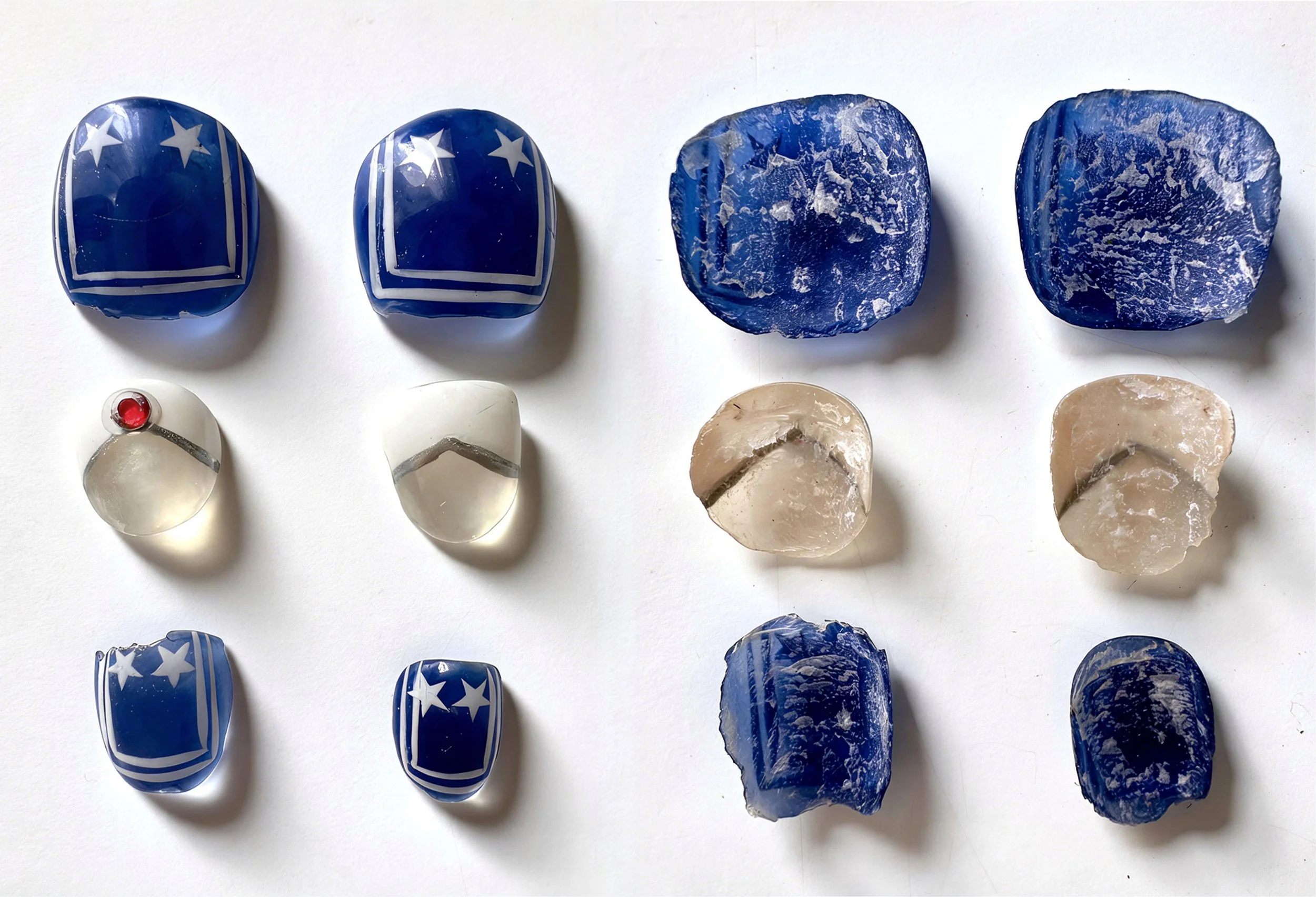
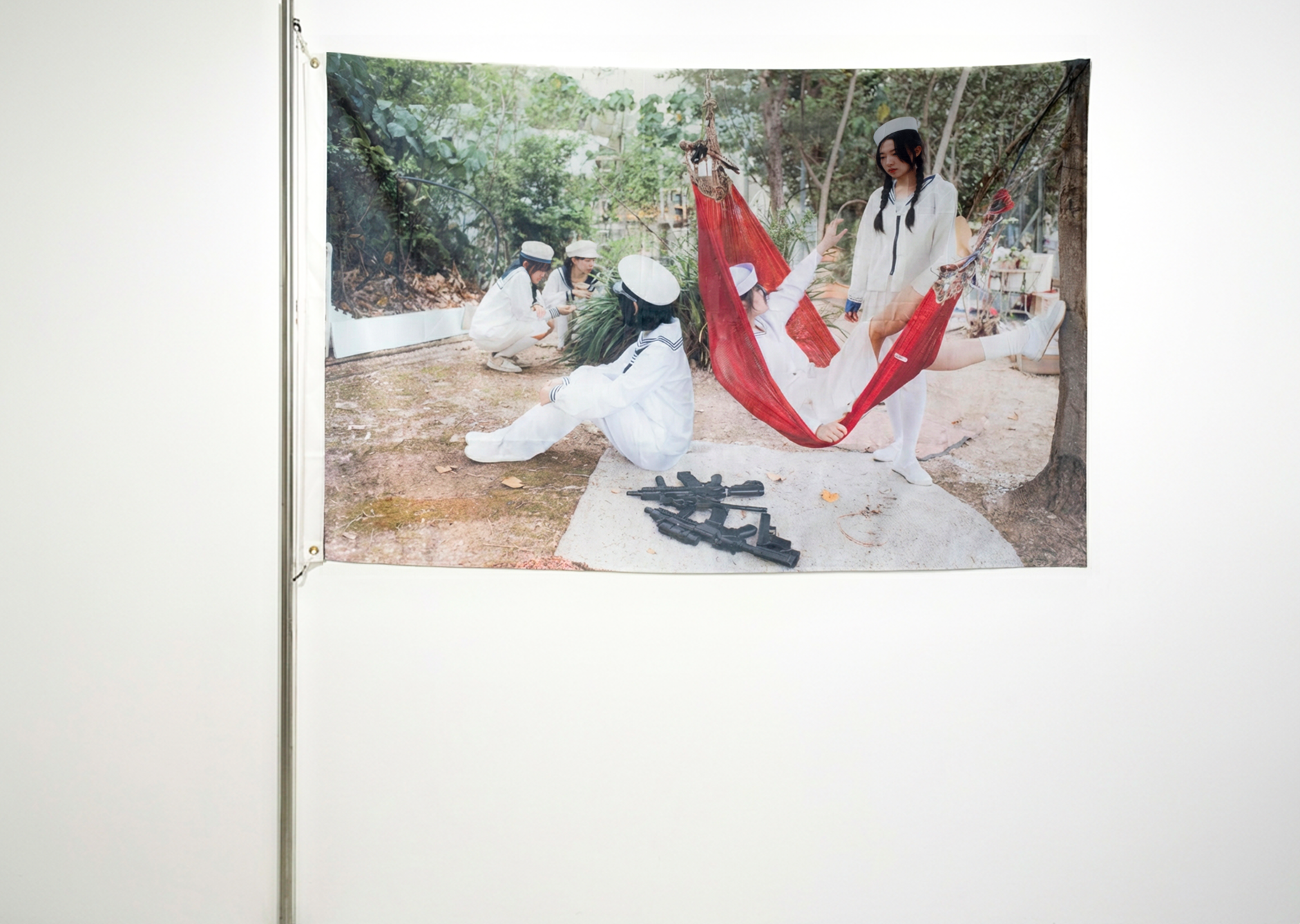
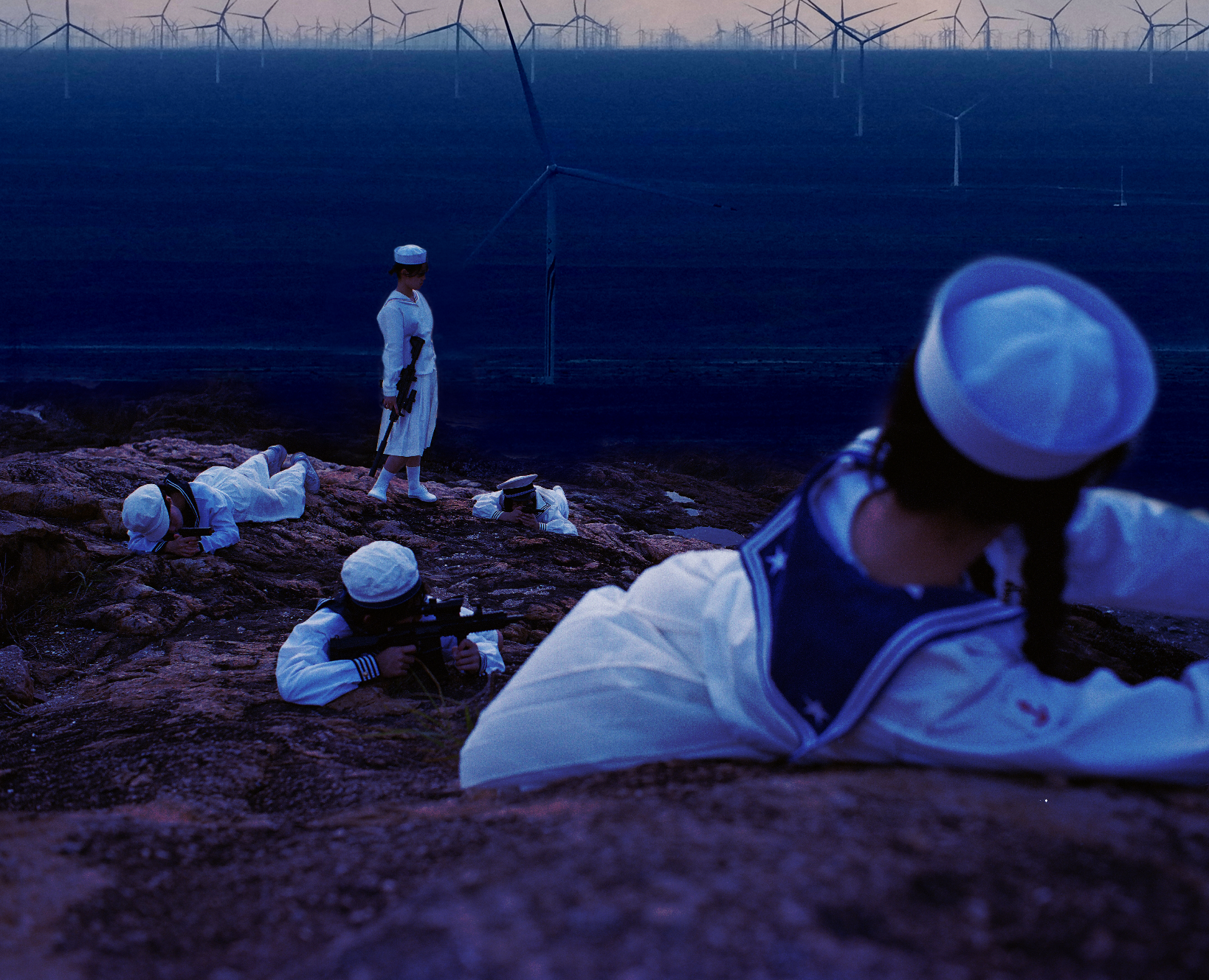
The White Barracks is the third work in Lui’s “Girl’s Universe” series, focusing on the fractures within power structures. The first installment, <White Noise: The Reincarnation of the Pure> , explored the spiritual construction of belief systems. The second, <Girl’s Town>, delved into the building of a sense of home in the material world. The latest, The White Barracks, shifts focus to the fissures and instabilities that emerge during the reproduction of power.
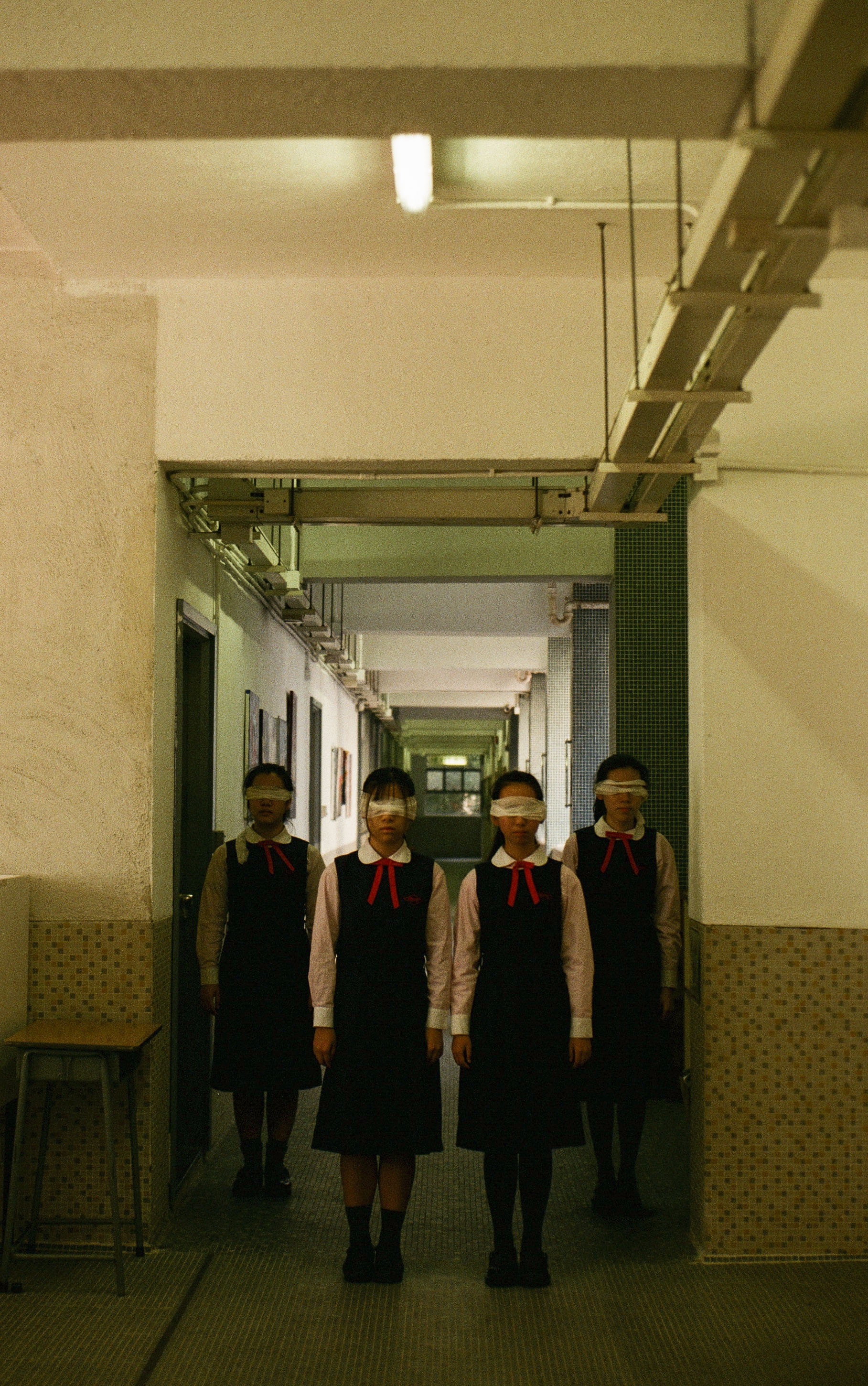
In The White Barracks, Lui imagines a fictional island inhabited by a battalion of girl cadets engaged in constant military drills. At the center of the island stands a historic crystal monument, etched with a wartime photograph. The epitaph reads, “With the most ruthless weapons, we guarded the purest hearts.” The inscription is signed by “First Squad – Pure Land,” the island’s original military unit—witnesses to the collapse of the patriarchal myth. Each day, the girl cadets watch their comrades engulfed in distant artillery fire, longing to be equipped for the battlefield. In a cave, a collection of sculptures made from leftover war materials documents the spiritual lives, beliefs, and desires once held by this battalion amidst the flames of war. Time on the island is deliberately ambiguous. However, clues from the first installment, <White Noise: The Reincarnation of the Pure>, suggest that ideologically, this work takes place after the downfall of patriarchal mythologies. The naval uniforms worn by the girls symbolize discipline and authority and are closely tied to the iconography of historical imperialism. Under capitalism, however, these uniforms have been commodified and sexualized, transforming into a product of youthful spectacle and patriarchal fantasy—especially within the East Asian context. As Roland Barthes stated in <Mythologies>, “Myth transforms history into nature.” This “mythologizing process” that Barthes described is central to contemporary capitalist culture, where symbols are covertly reproduced and naturalized, obscuring the power structures behind them. Through the figure of the girl soldier, Lui reveals the evolution of such symbols. The naval-clad girl cadets become ideological reproductions, packaged as natural and unquestionable.
The plight of women under patriarchal mythology mirrors the late-Soviet ideological crisis: when the promises of the official narrative—such as “romantic love” and “feminine virtue”—increasingly diverge from lived reality, a sense of loss and nihilism emerges. This collective disillusionment among women in the face of patriarchal myths gives rise to a new wave of female self-narration and myth-making. Like <Girl’s Town>, The White Barracks is a contemporary allegory. The girl cadets carry the wounds of history, institutional debris, and fractured symbols, yet it is within these very ruptures that they begin to weave a new spiritual community.
<Love Letter>, 2025
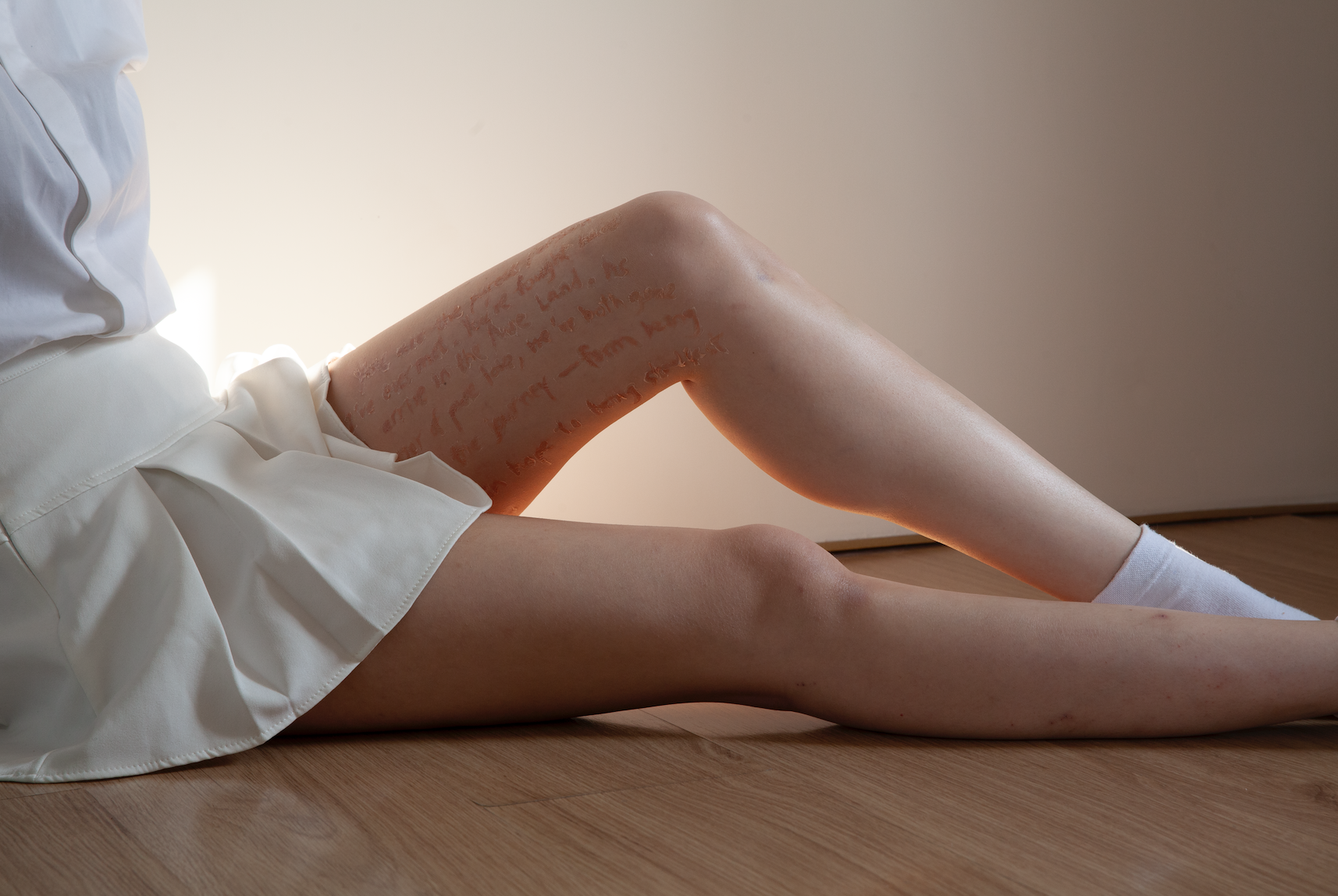
You are the purest person I’ve ever met.
You’ve fought hard to arrive in the Pure Land. As warriors of pure love, we’ve both gone through the journey—from being steadfast in hope to being steadfast in despair.
And now, I’m honored to tell you: you’ve passed the test of purity. I officially welcome you as a resident of pure land.
No matter how deeply I like you, I won’t tell you. I’d rather let it rot inside my body.
Oh, is anything strange growing on your body too?
We should slowly explore each other’s purity and desire with pure intentions.
I need to restraint myself, or else my hives will flare up. I can’t throw feelings at you that even I can’t bear to carry myself.
You deserve the best treatment because you are the purest person.
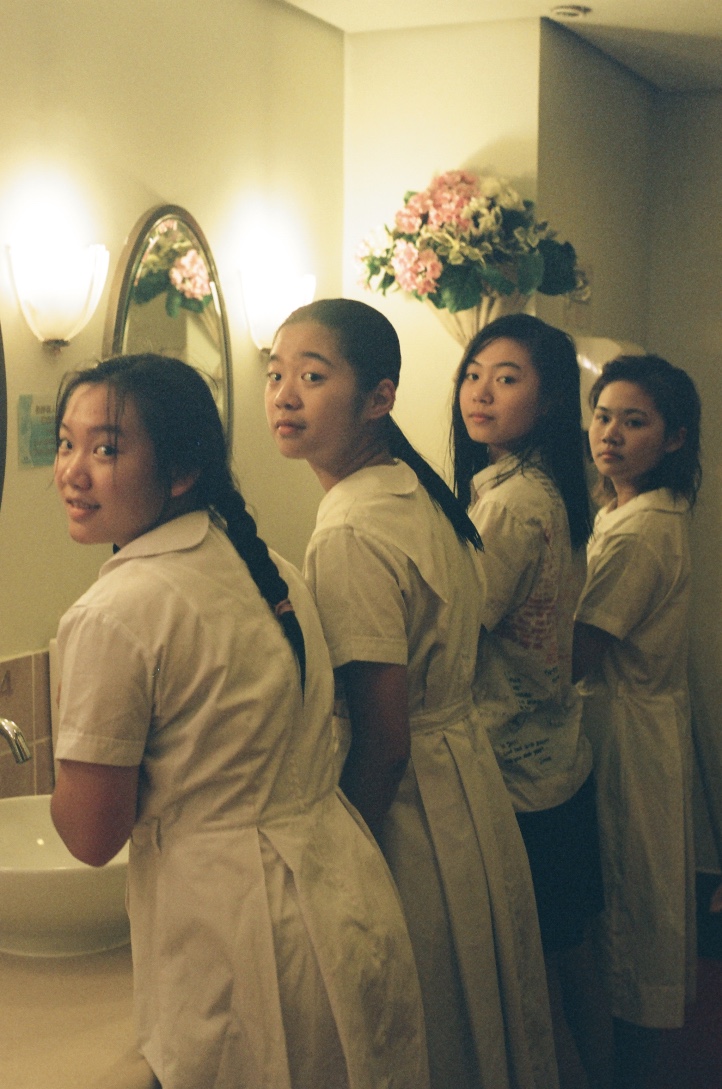
<Girl’s Town>, 2025


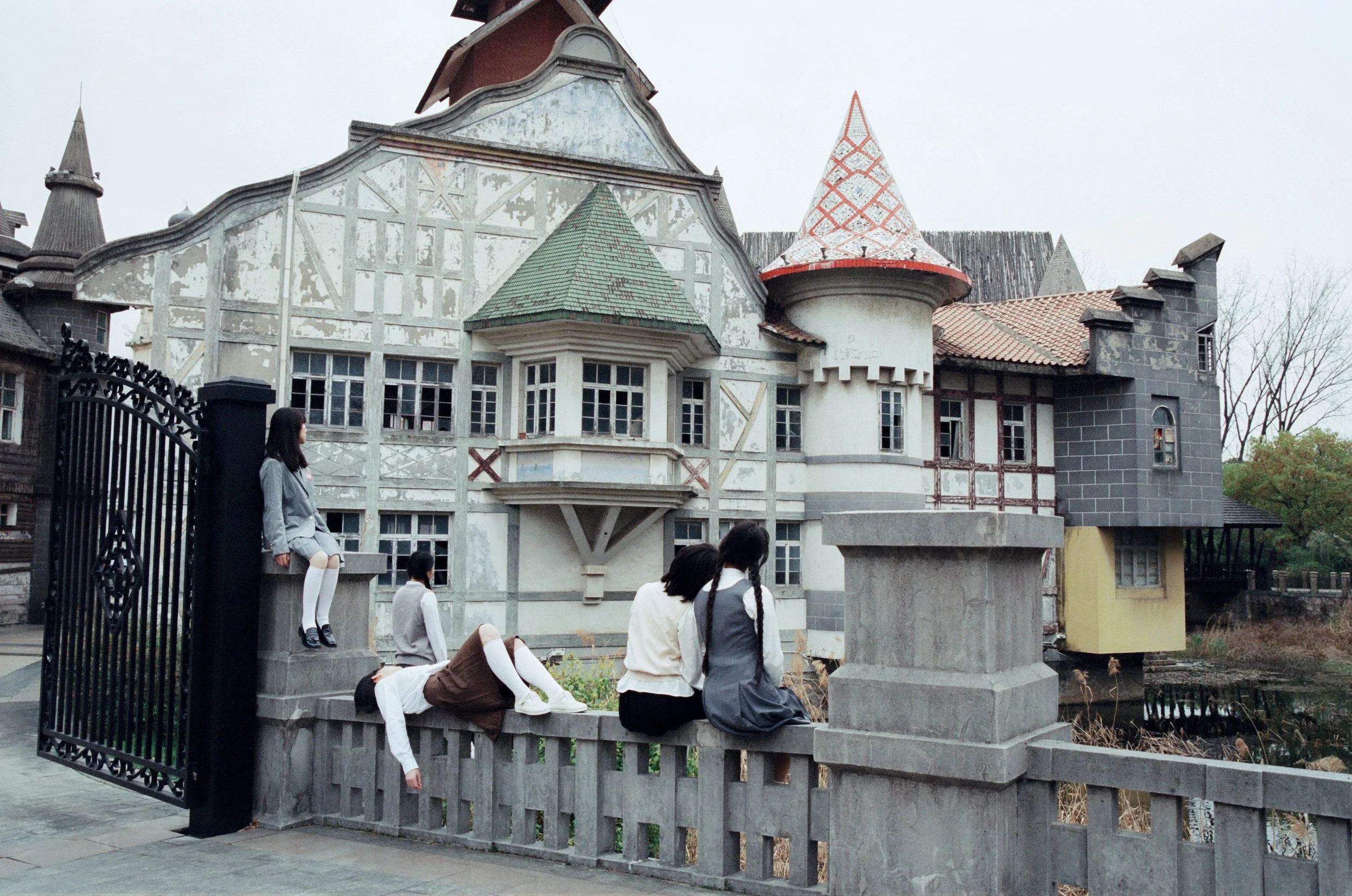


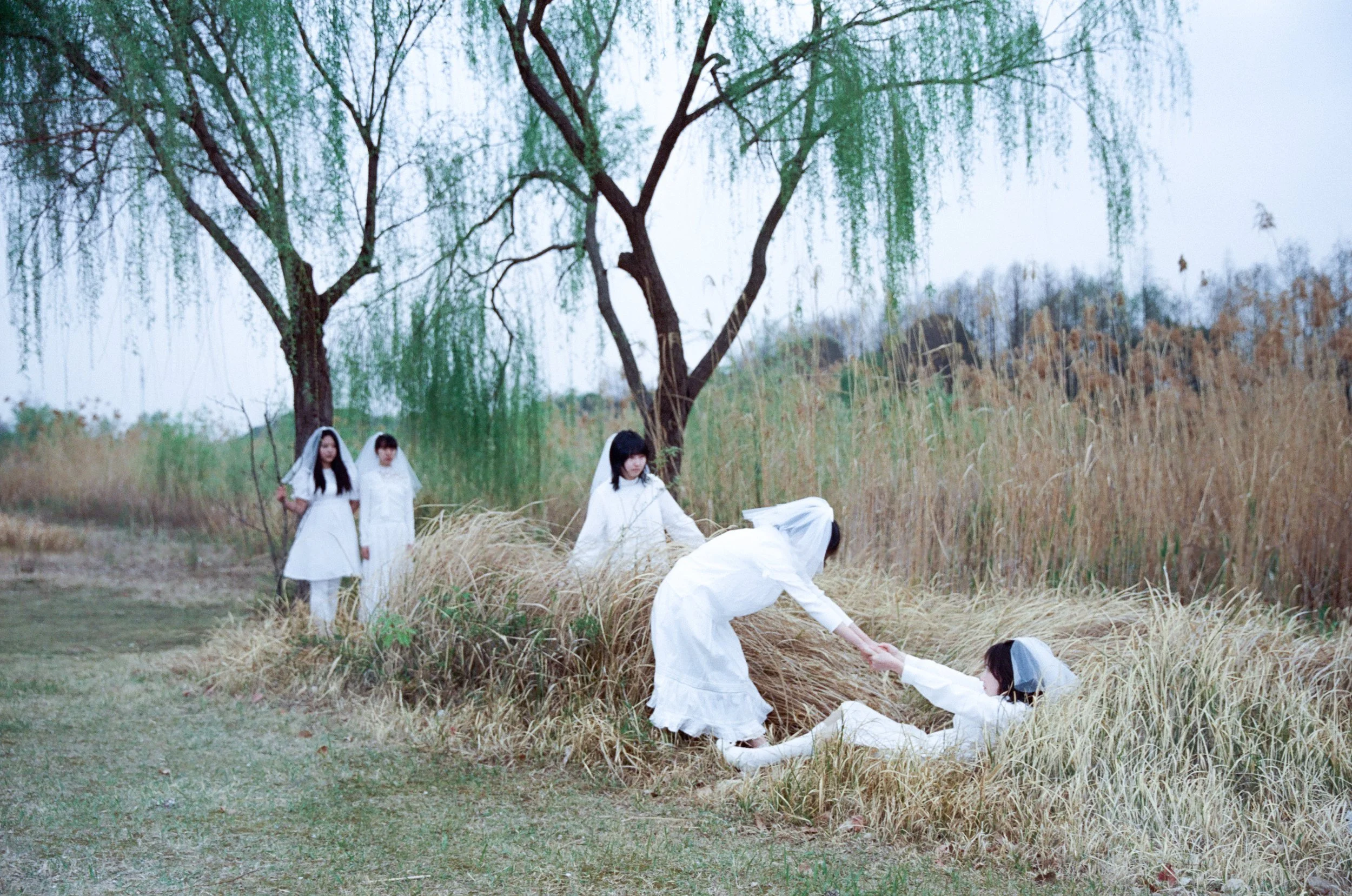


Girl’s Town: A Contemporary Fable of Purity
In Girl’s Town, Lean constructs a serene yet storm-laden visual fable, set in a paused cityscape where overcast skies hang low, heavy rain is imminent, and the air is thick with humidity. The girls move like ghosts within, their bodies both light and heavy, suspended at the critical point between transformation and collapse. Similar to White Noise: The Reincarnation of the Pure, the composition presents an almost ritualistic aesthetic control; however, the former expresses an outward confrontation with desire and violence, while Girl’s Town is an inward folding of consciousness, offering a deeper analysis and reinterpretation of the cultural symbol of “purity.”
The group of girls on screen seems to exist in a “transitional state,” where both psychological and physiological boundaries are blurred. They are no longer mere symbols but become vessels of modernity’s contradictions. They represent purity and innocence, yet cannot escape the infiltration of desire and the erosion of innocence, bearing traces of the conflict between civilization and instinct. The girls in the city are not innocently pure but are aware of the world around them. They are placed on the edge of identity dissolution and reconstruction, flowing between moments and eternity—reflecting on the steadfastness of purity, sensing the present’s fragmentation, and anticipating the uncertainty of fate. Lean never romanticizes purity; rather, she is more concerned with how purity survives pollution, transforms within desire, and is reborn in ambiguity. The “town” of girls is not a sanctuary but an exposed vessel, a condensed projection of contemporary spirituality.
They suggest, in an almost mystical manner, that innocence is not fragile and can even be filled with sharpness and violence. The bodies and gazes of the girls brim with desire yet remain unflinching in the face of destruction. This complexity corresponds to the dialectical wisdom of Taoist thought, “knowing white and guarding black.” Lean does not transform Eastern cultural symbols into mere decorative signs; instead, she internalizes Taoist philosophy into the ethics and structure of her creation from a deep spiritual source. The girls themselves are the fable. They are no longer just characters in a narrative but embody an atmosphere that cannot be clearly articulated, only sensed. This ambiguity allows the “fable” to transcend a closed narrative with moral lessons, evolving into an open and fluid fable.
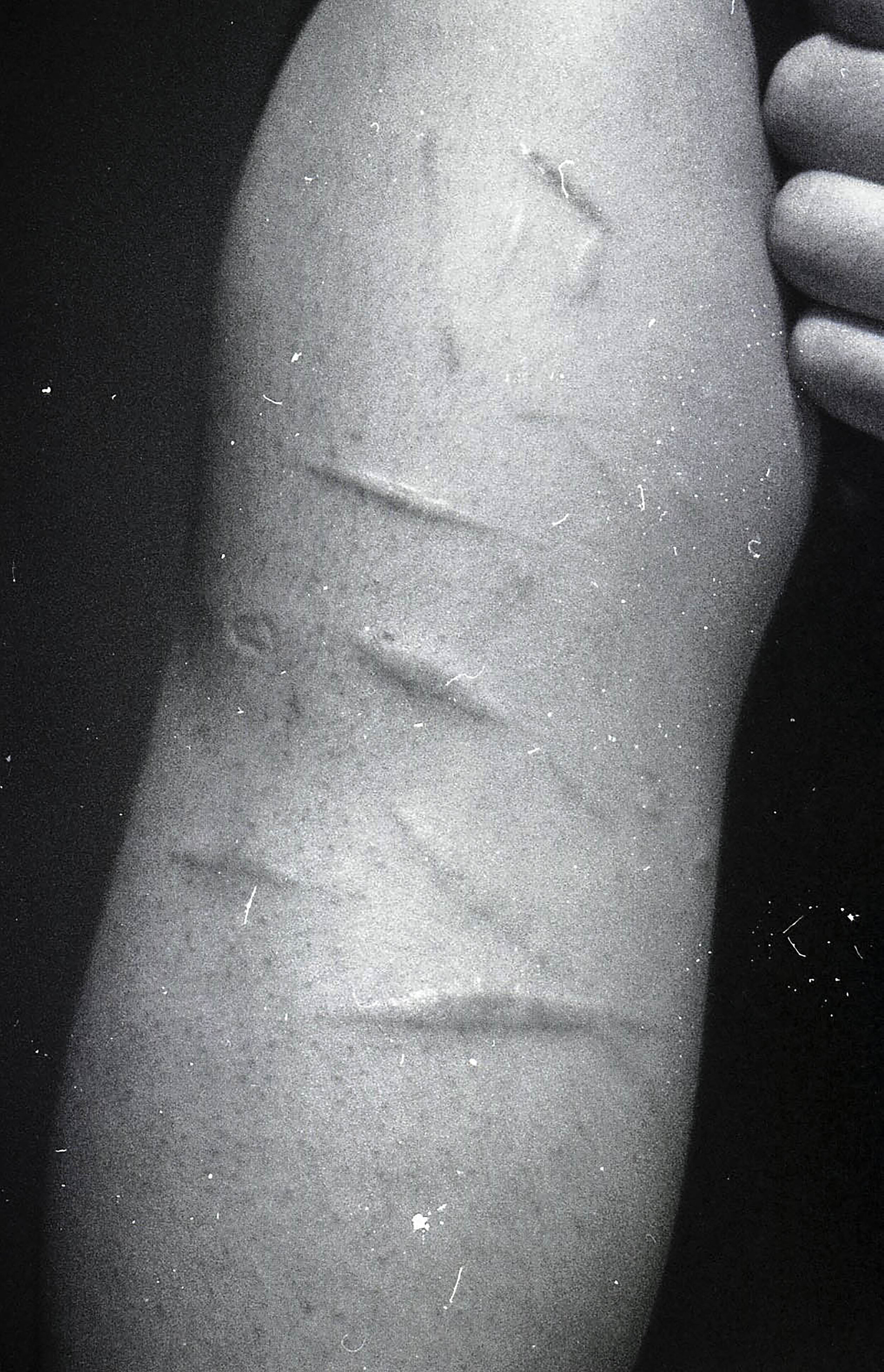
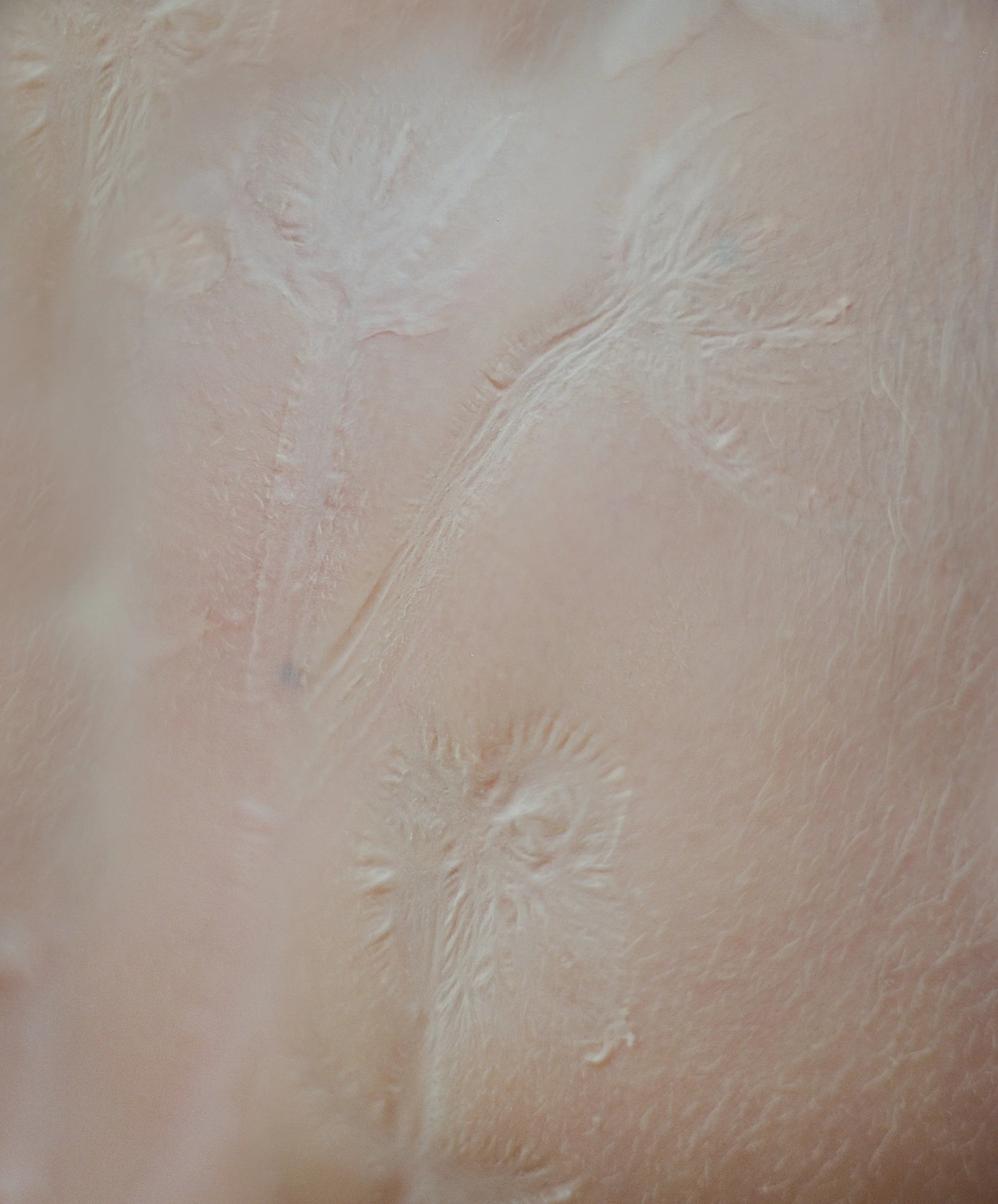
<Scars Blossom>, 2025


<White Noise: The Reincarnation of the Pure>, 2025


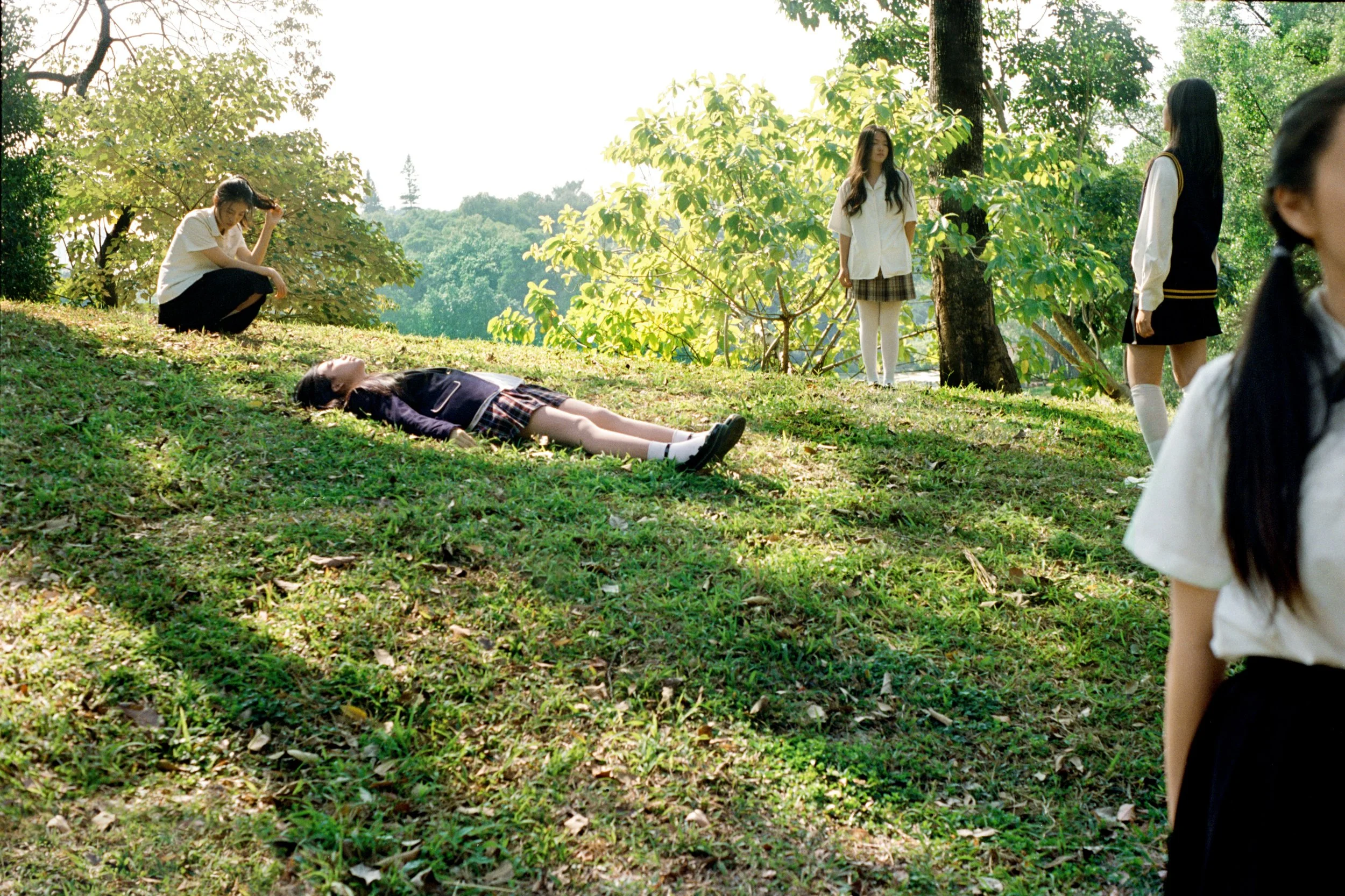
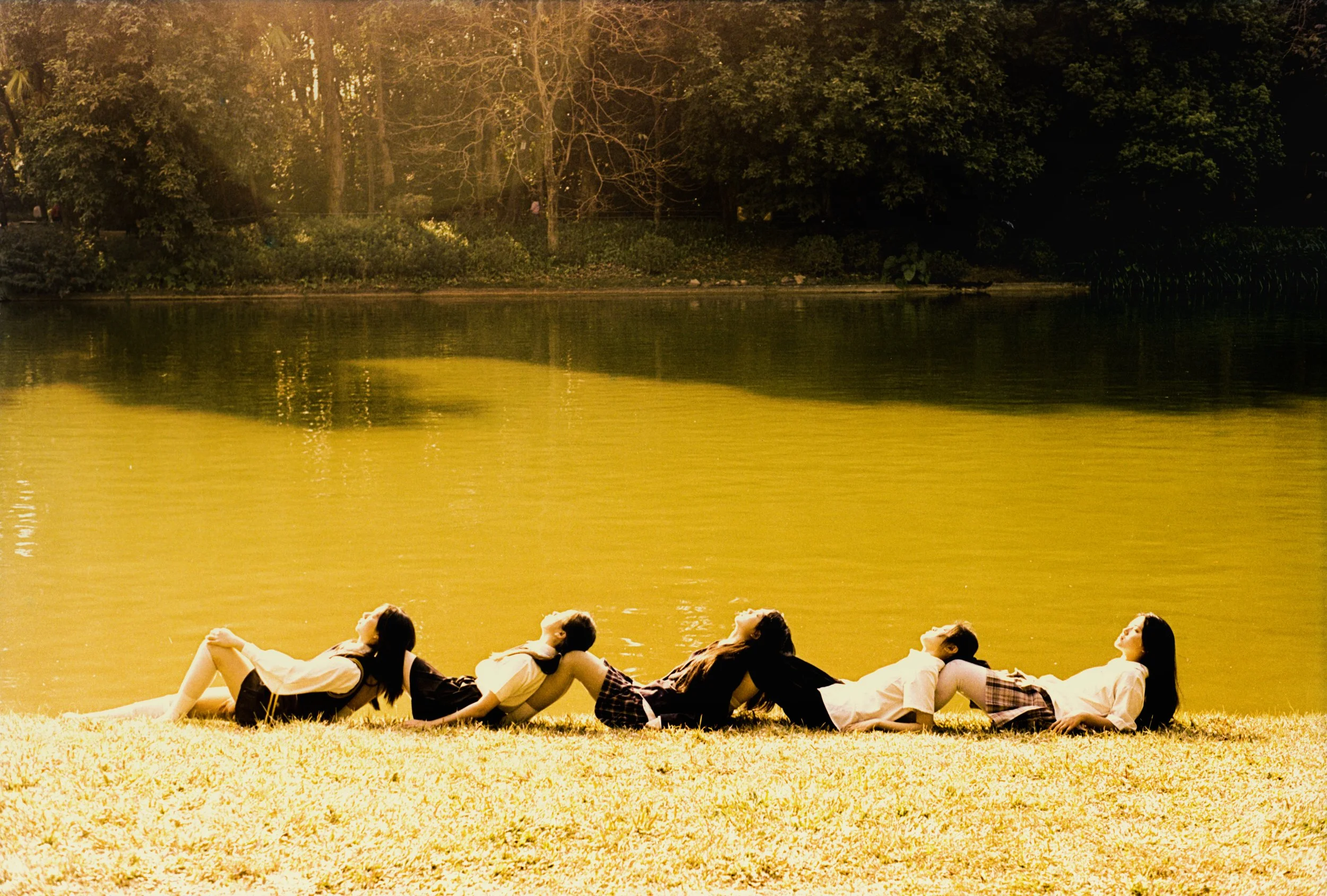


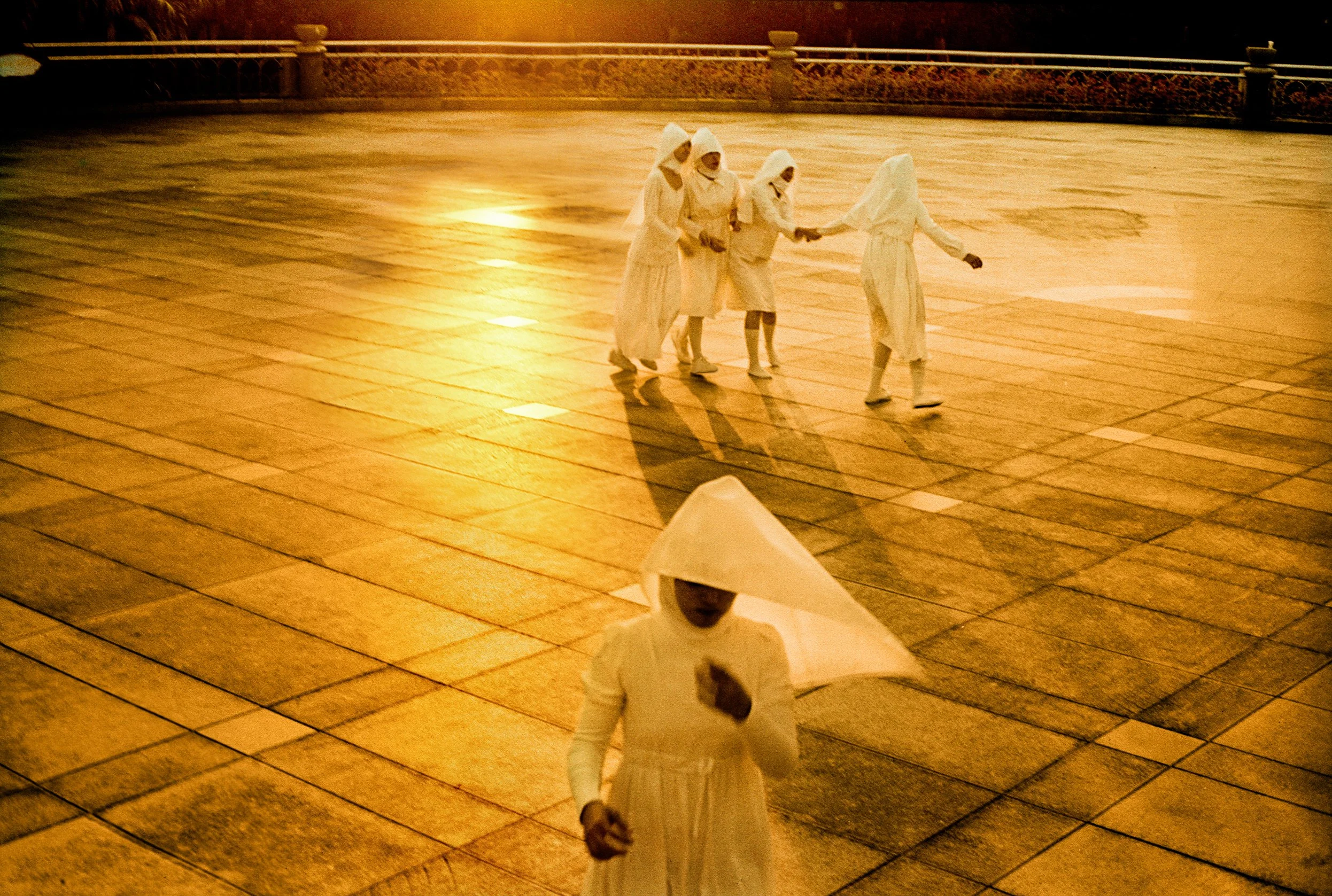
White Noise: The Reincarnation of the Pure
The narrative development of my work stems from my core motif—the complexity of the adolescent female experience. I transform naive fantasies, ideals of perfection, and notions of purity into unsettling experiences of fear, desire, pain, and isolation that we inevitably encounter as humans in an imperfect world. Through photography and visual works, I aim to deconstruct and reinterpret symbols to reveal the hazy elements of femininity and the violence, friction, and introspection hidden beneath their fragile surfaces.
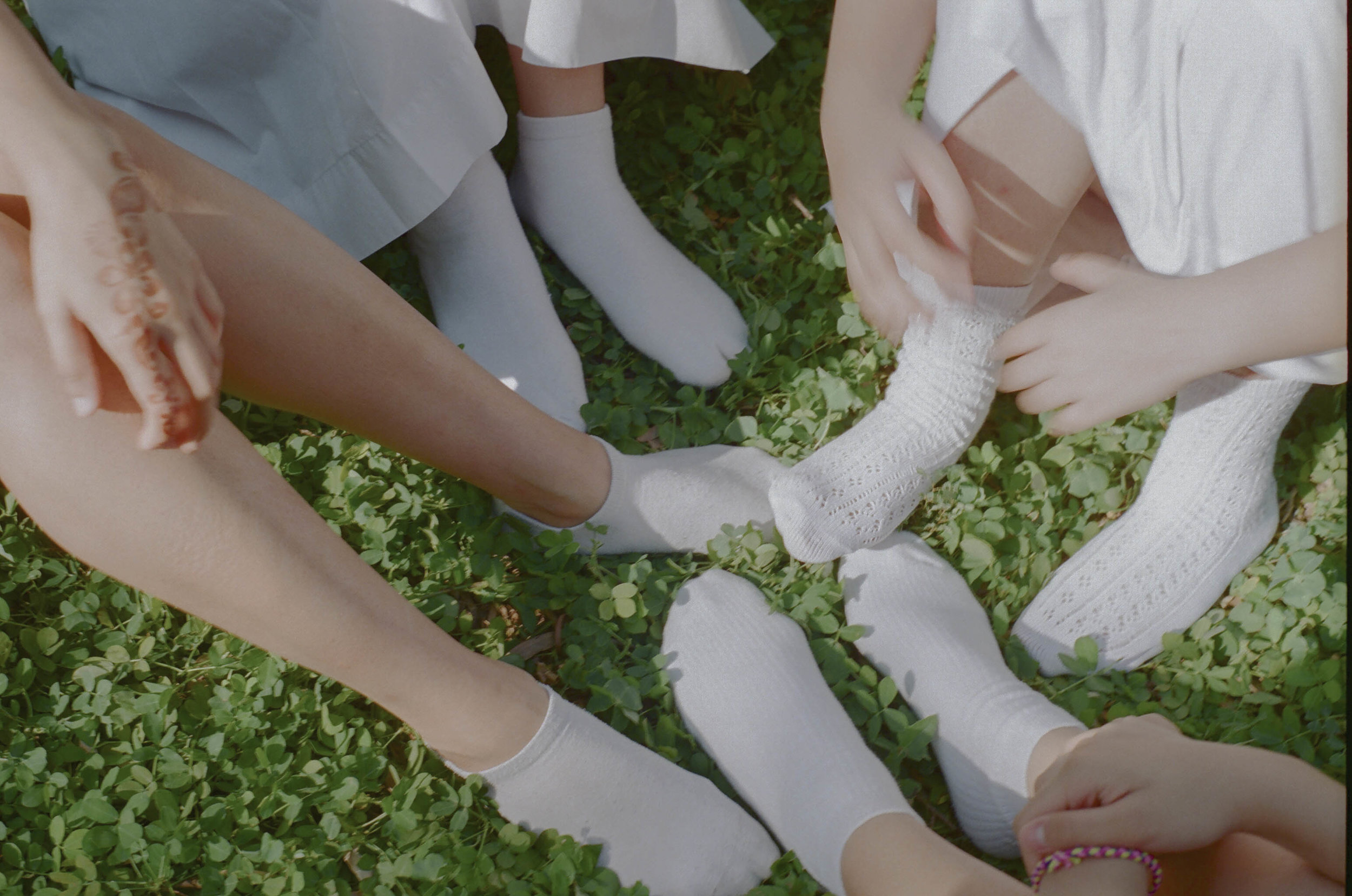
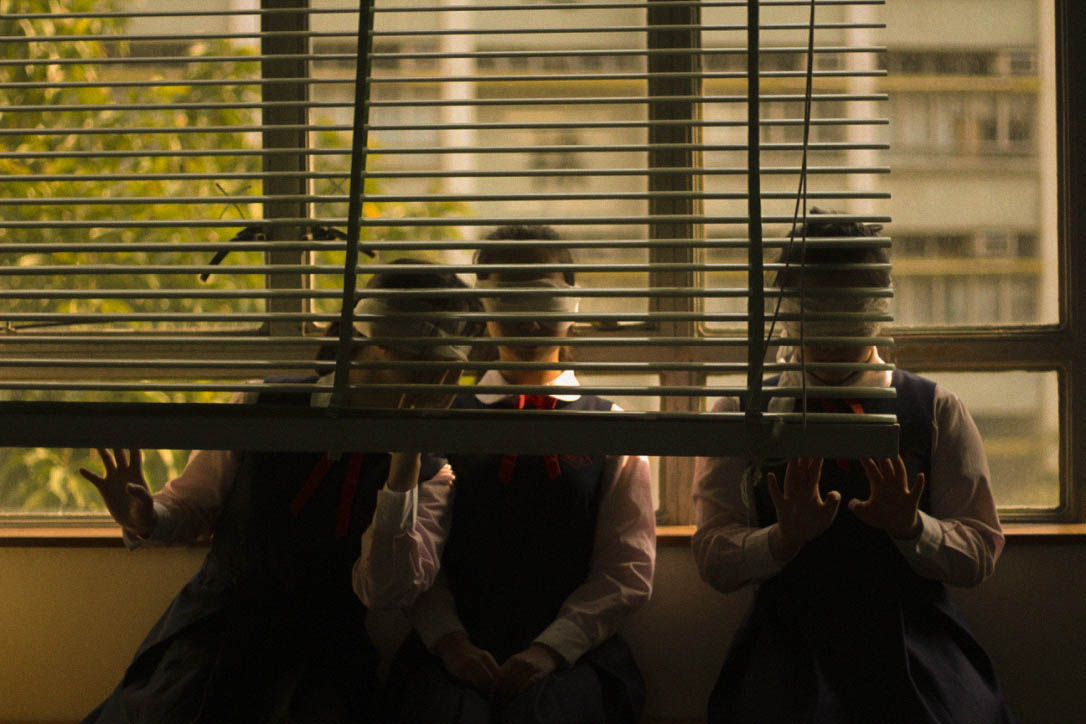
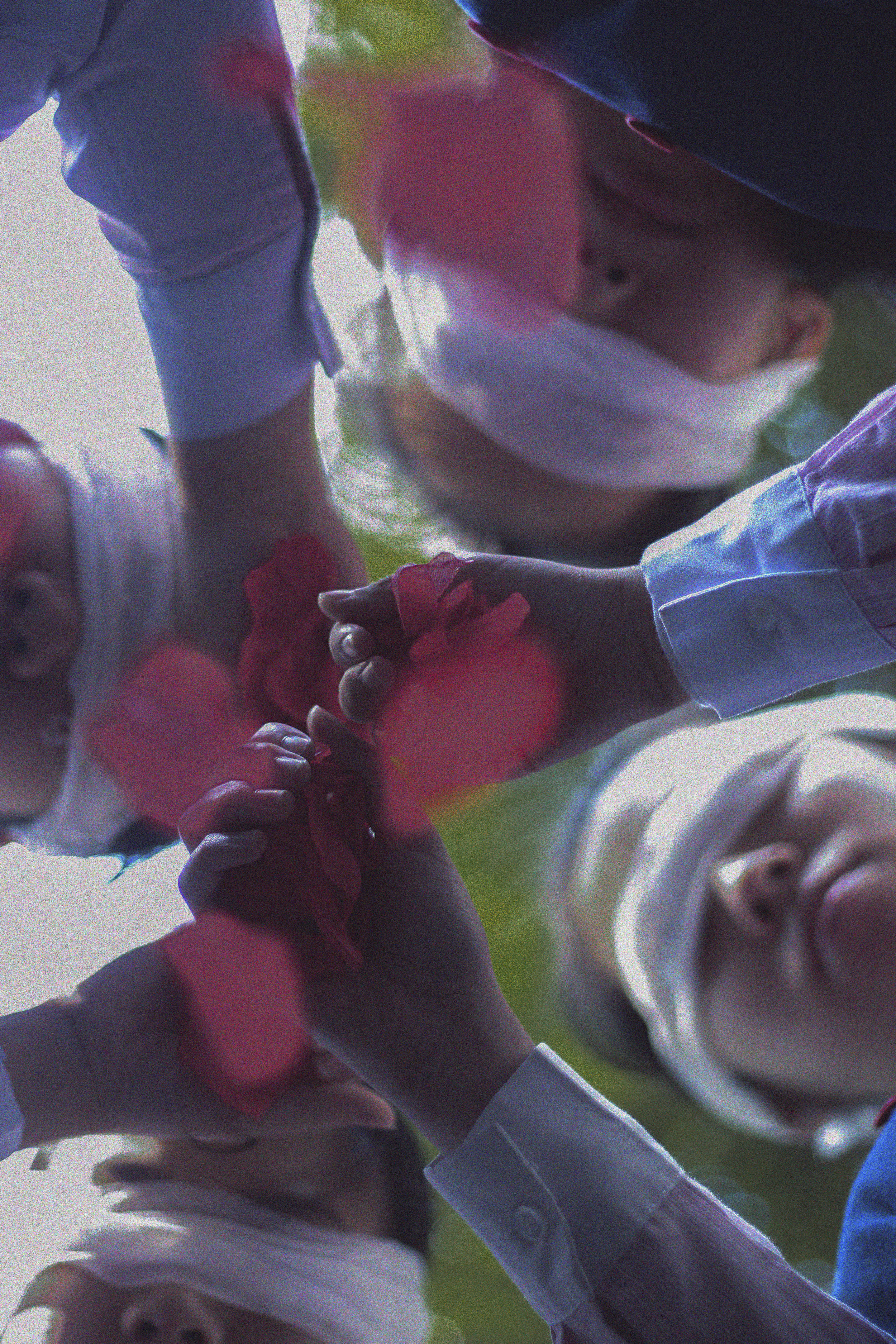
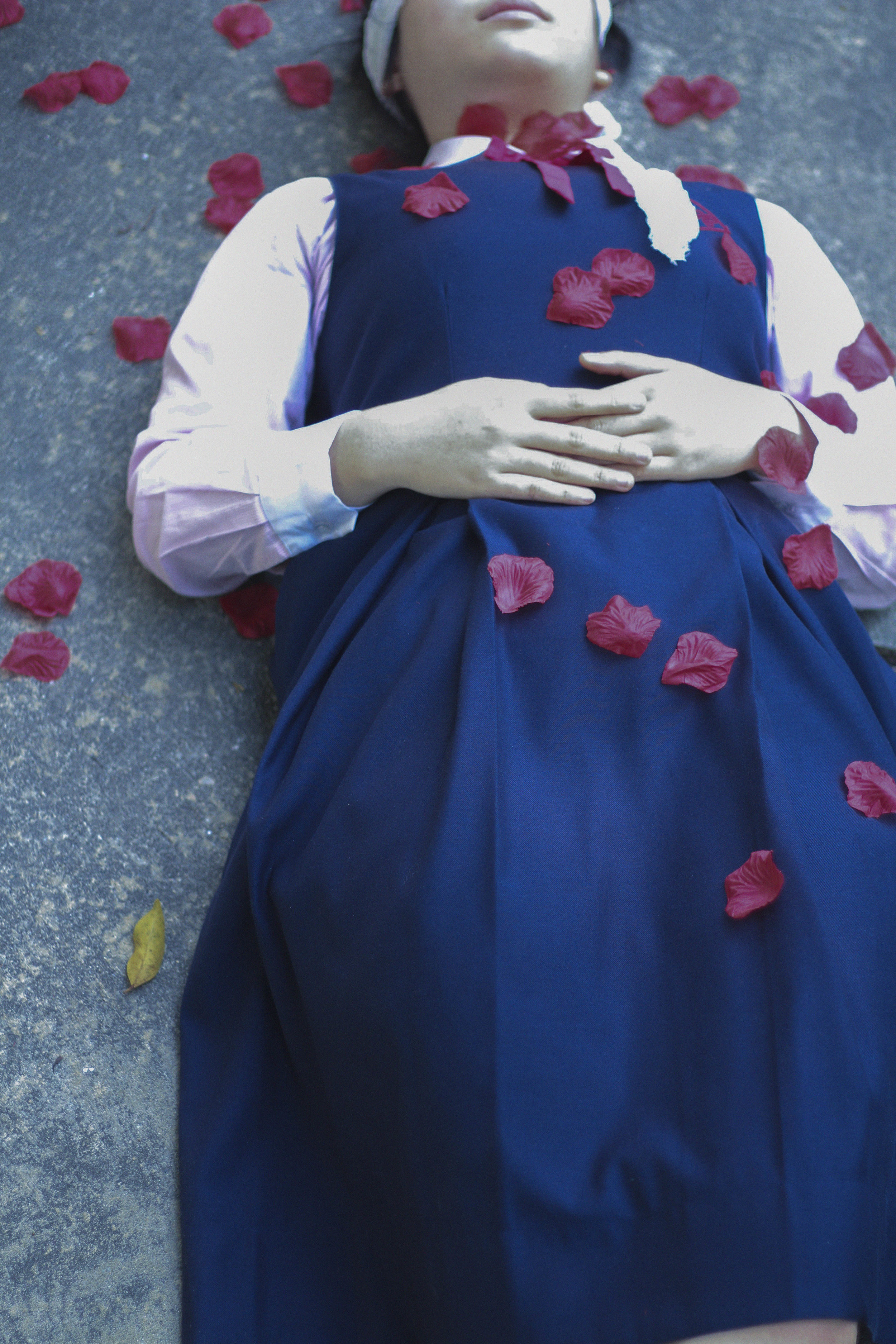
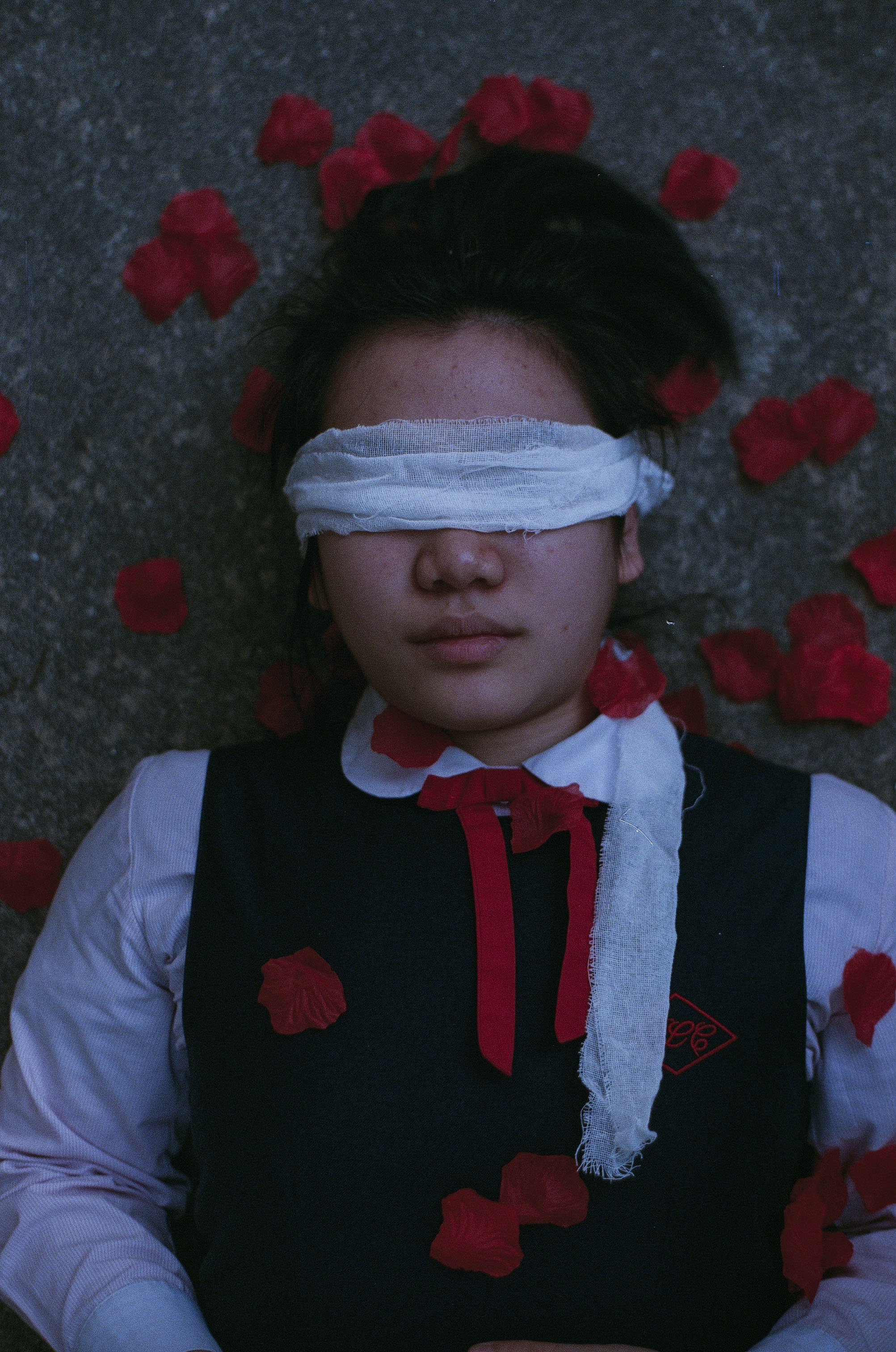
The story begins with a group of girls in uniform on a green grassland, gradually introducing the golden hues of sunset. At this stage, the scene remains peaceful, but as they change into all-white outfits, the sunset slowly turns blood-red, transforming initial purity into an unsettling atmosphere. As the narrative develops, themes of violence and unease become increasingly apparent. The light and the girls are, in fact, one and the same; light brings illumination but also distortion. The feelings of the girls can be romantic, also can twist into destructive intentions towards others and themselves.
Girls in uniform are invariably cast as objects of the male gaze; I cannot predict how many generations it will take for this situation to change. The green grassland in the book symbolizes a utopia in my imagination, while the school uniforms represent power and freedom, allowing the girls to safely express their beauty. The white garments resembling those of nuns are unrelated to any traditional religious beliefs. Upon closer inspection, the garments are distinctly girlish; they are simply all white, contrasting sharply with tidy nun’s attire. The rough, handmade headscarves resemble props created from girls’ dress-up games, suggesting that the all-white figures point toward a form of personal belief that is contemporary and empowering, while also echoing certain traditional values.
Through this series, I hope to invite readers to critically reevaluate the representation of girls, exploring their roles within complex social structures and how they seek strength and freedom amid their struggles.
<Light Pollution>, 2025


<Ribbon Wound>, 2024

<Pure Land>, 2024
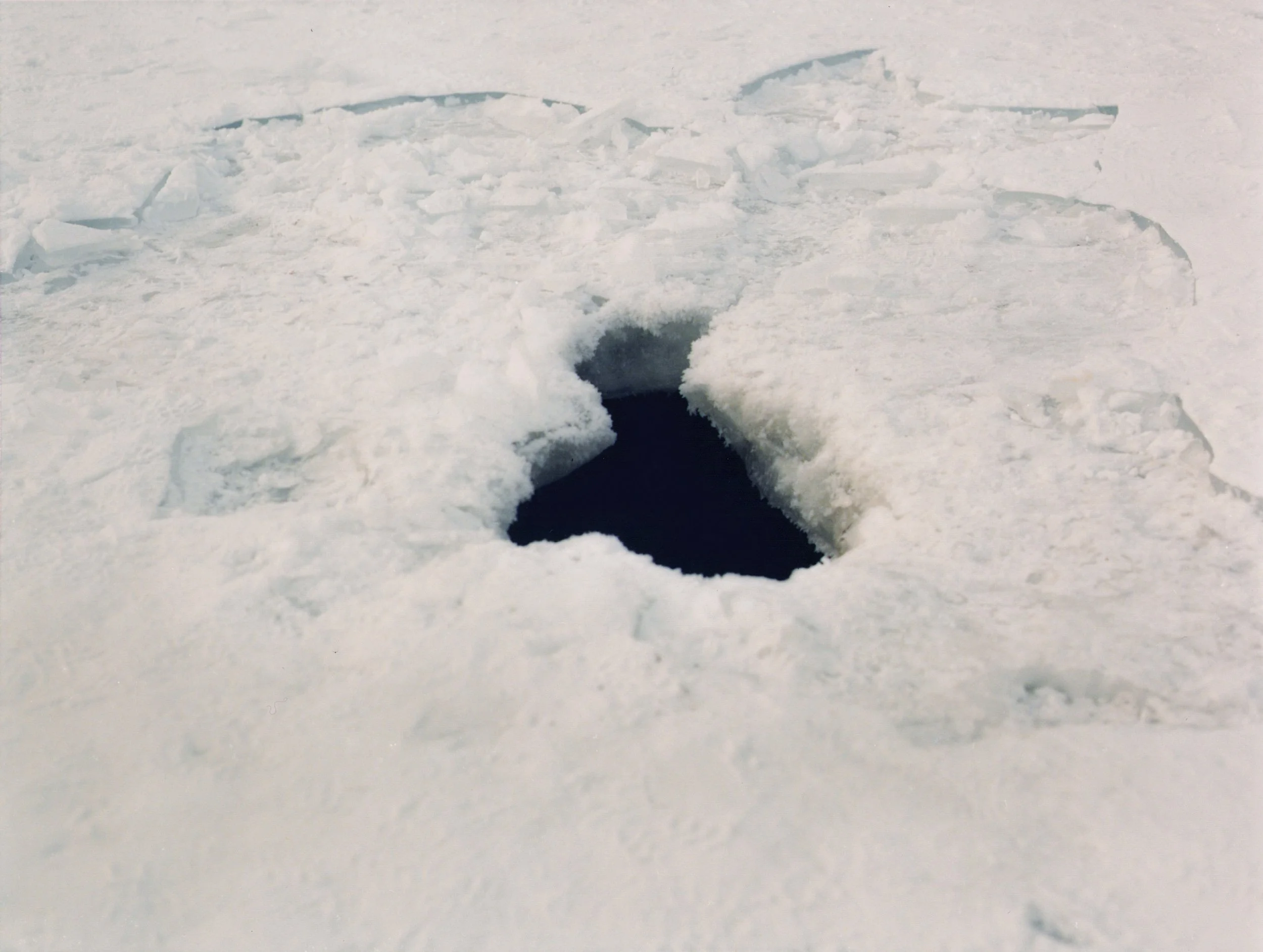




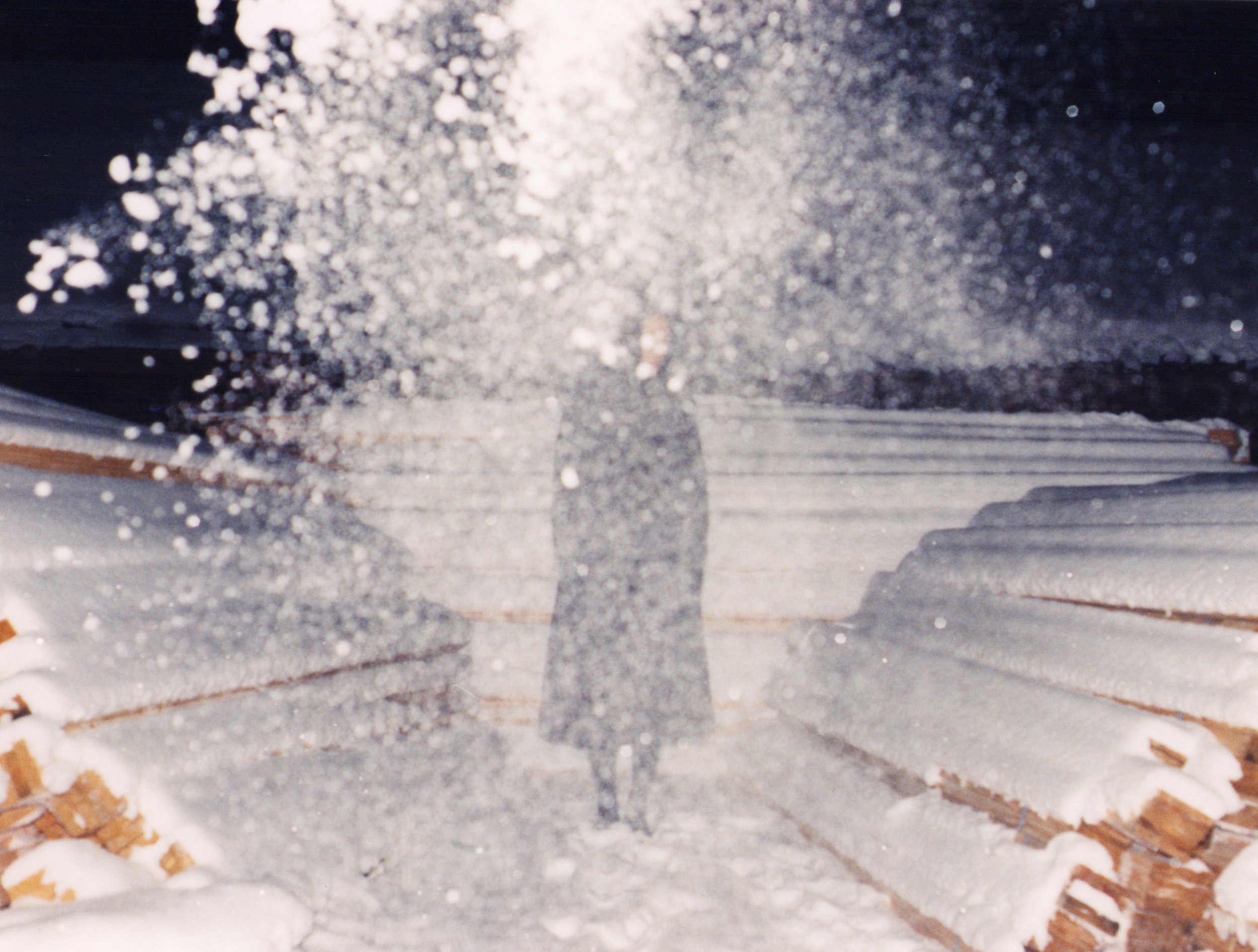
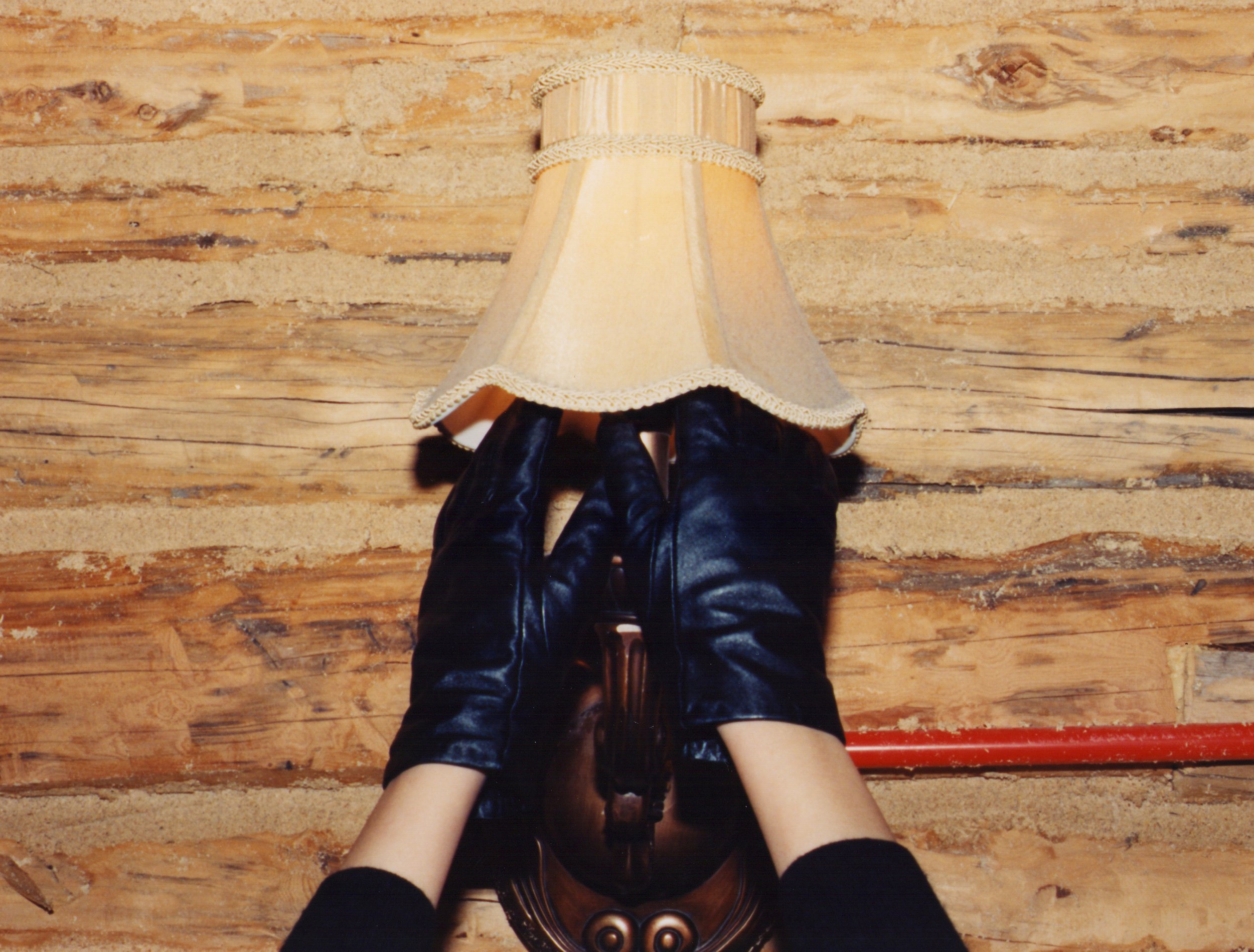
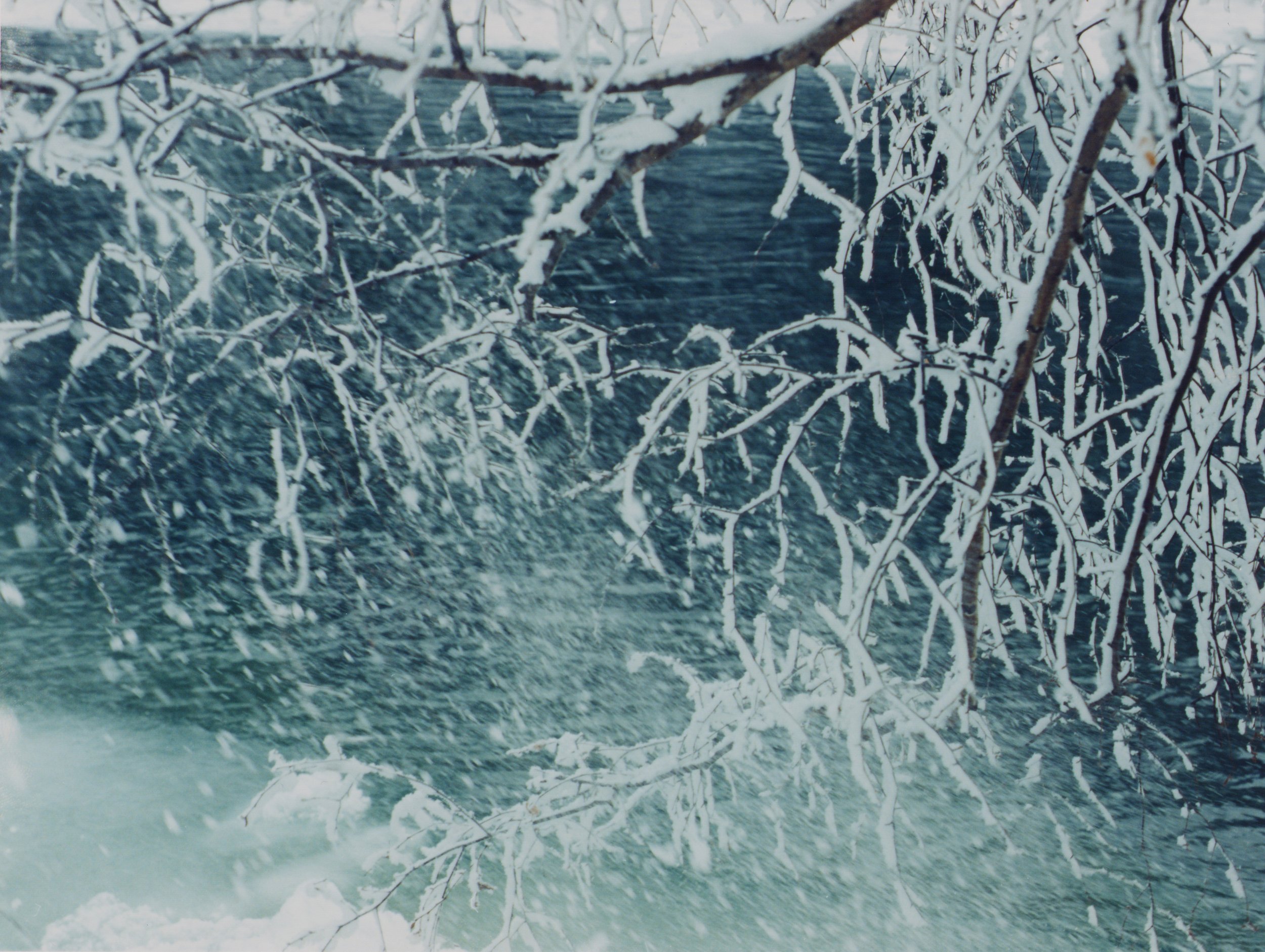
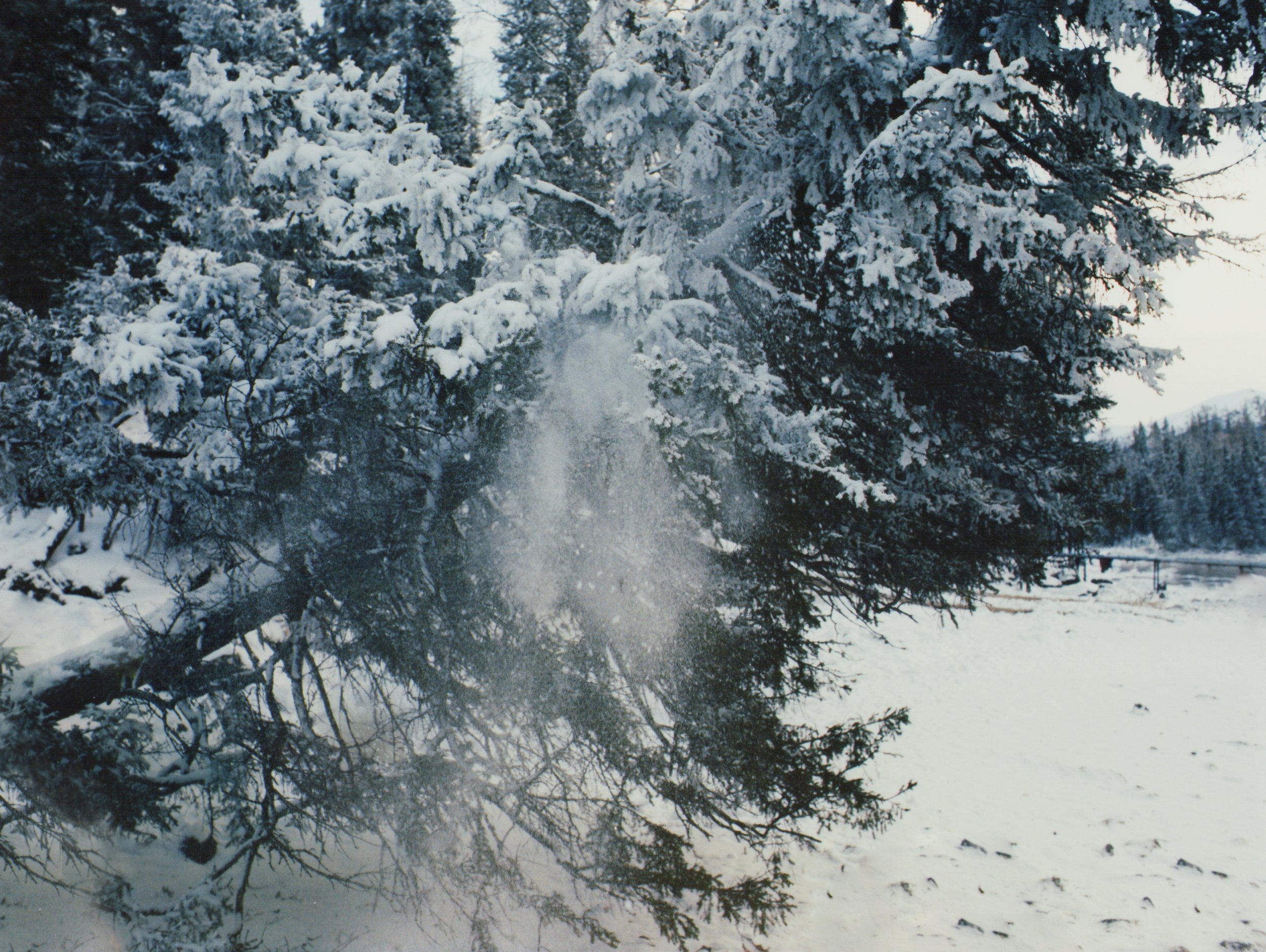

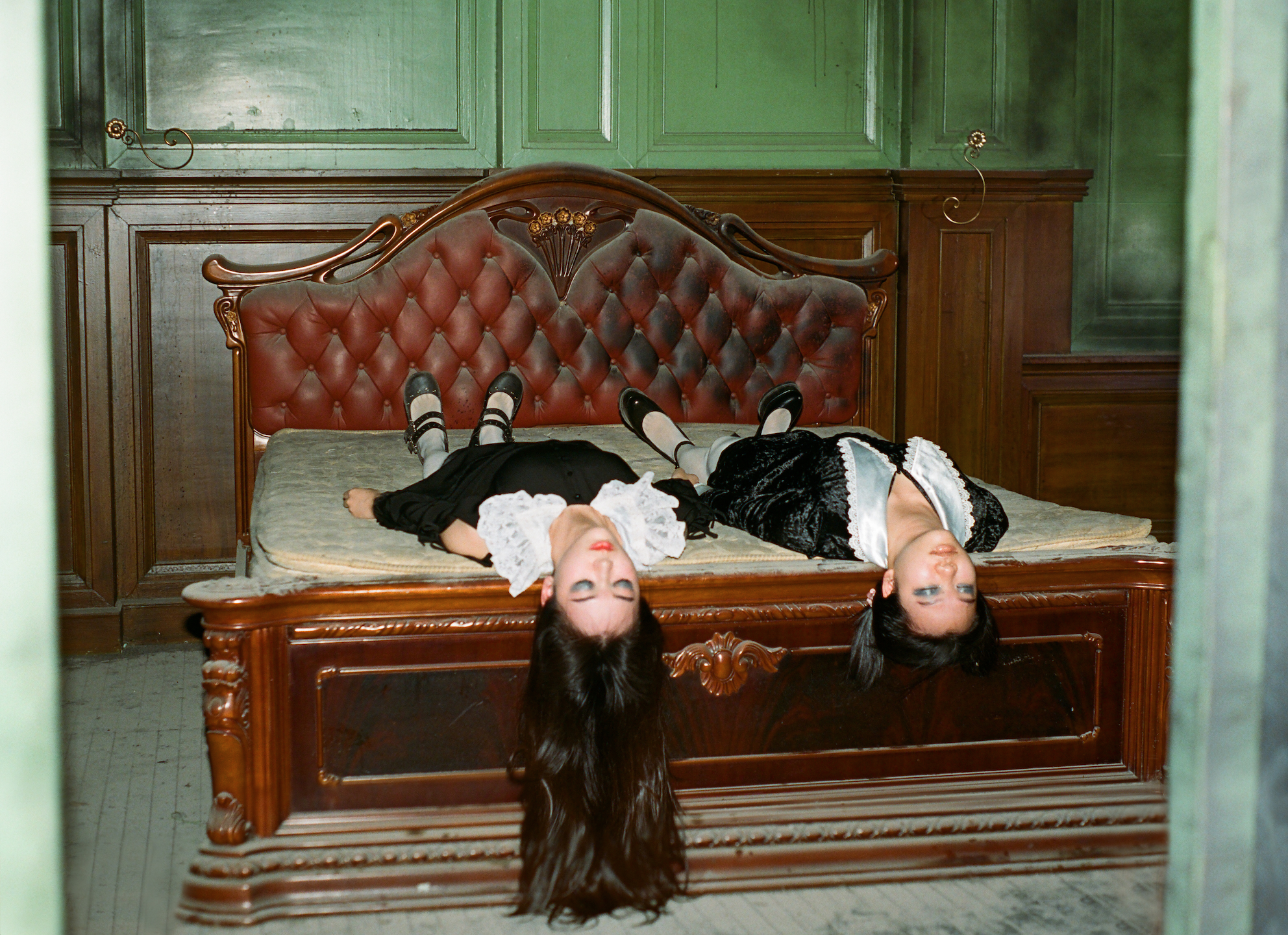
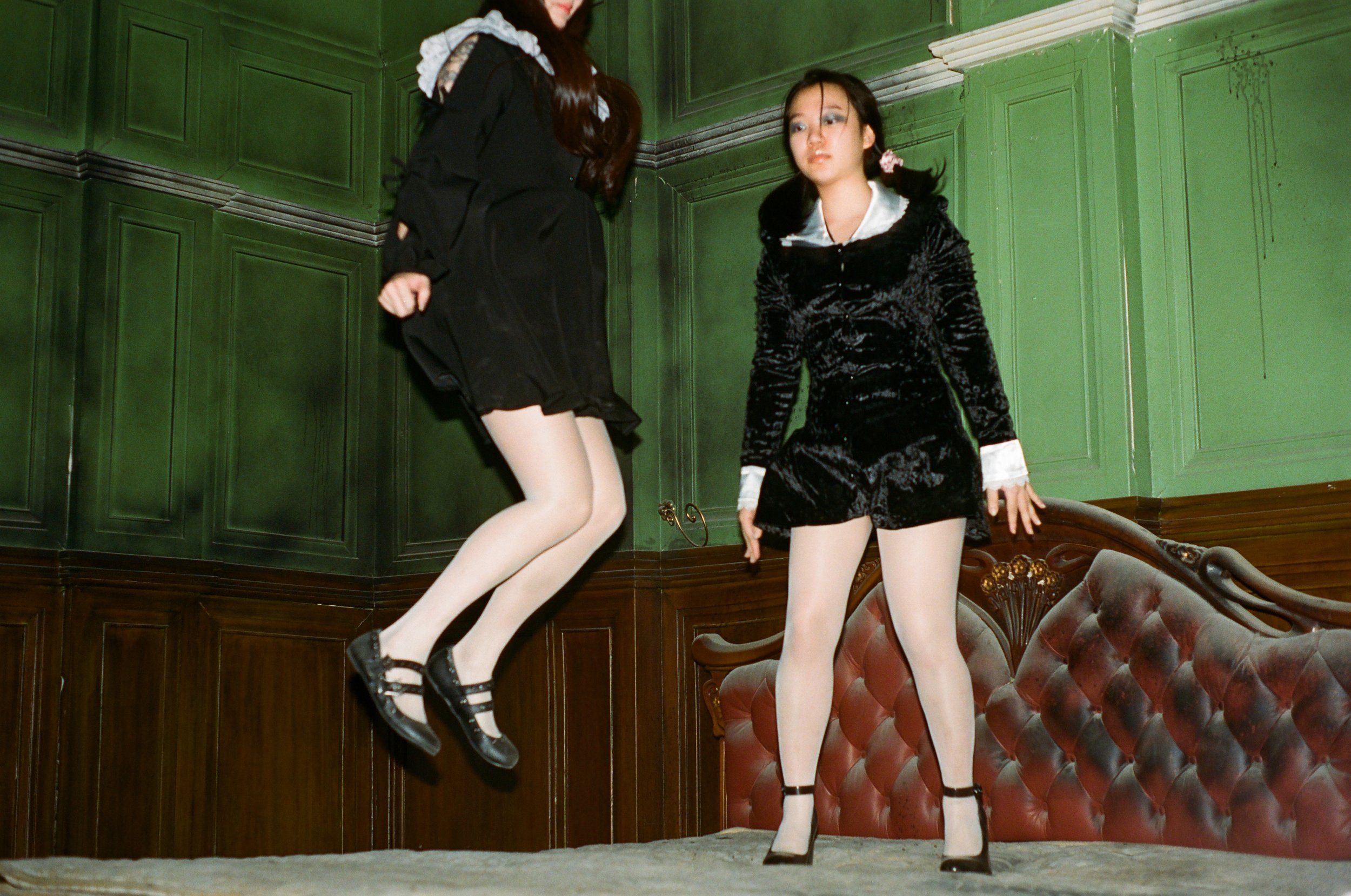
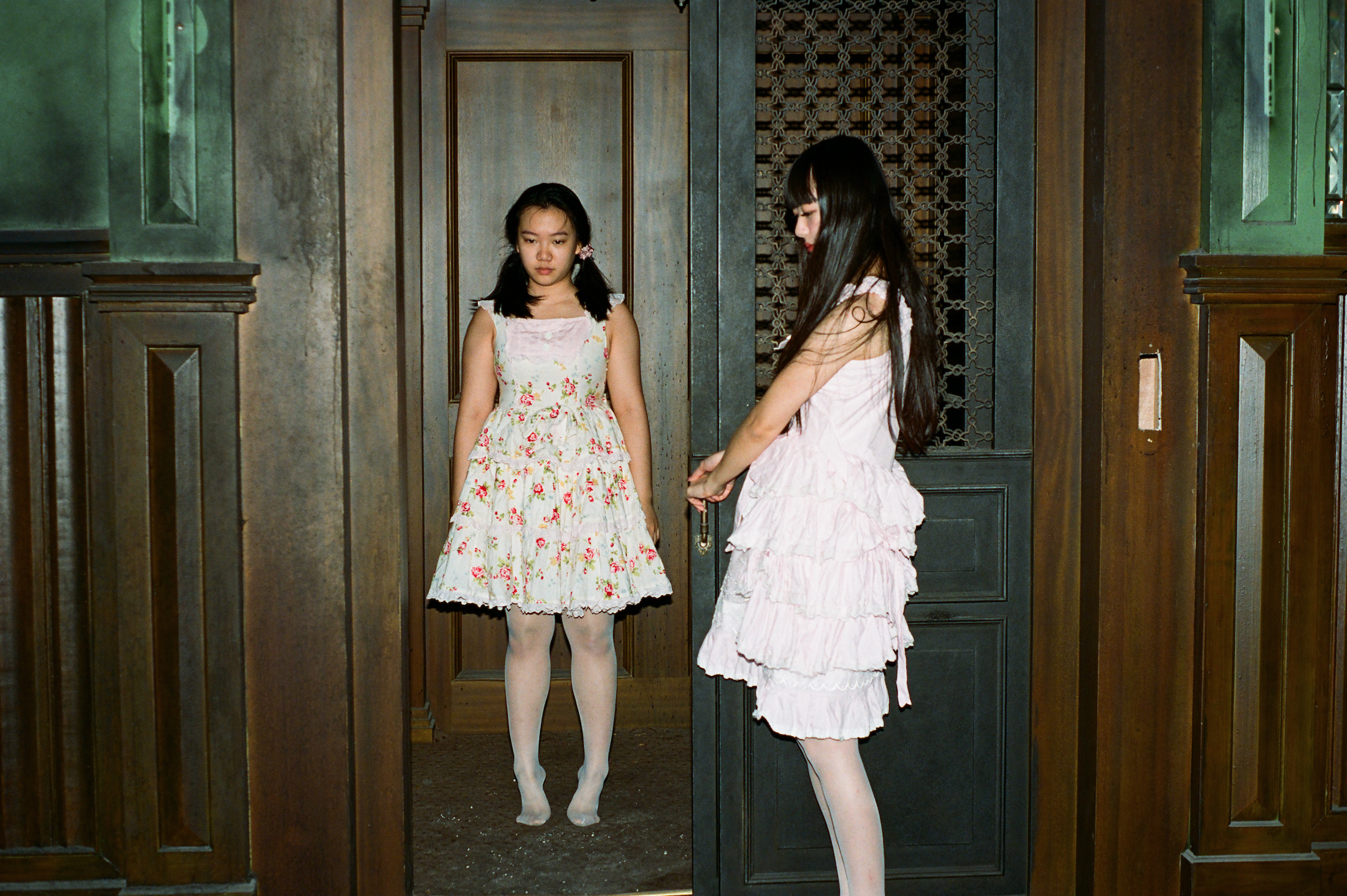
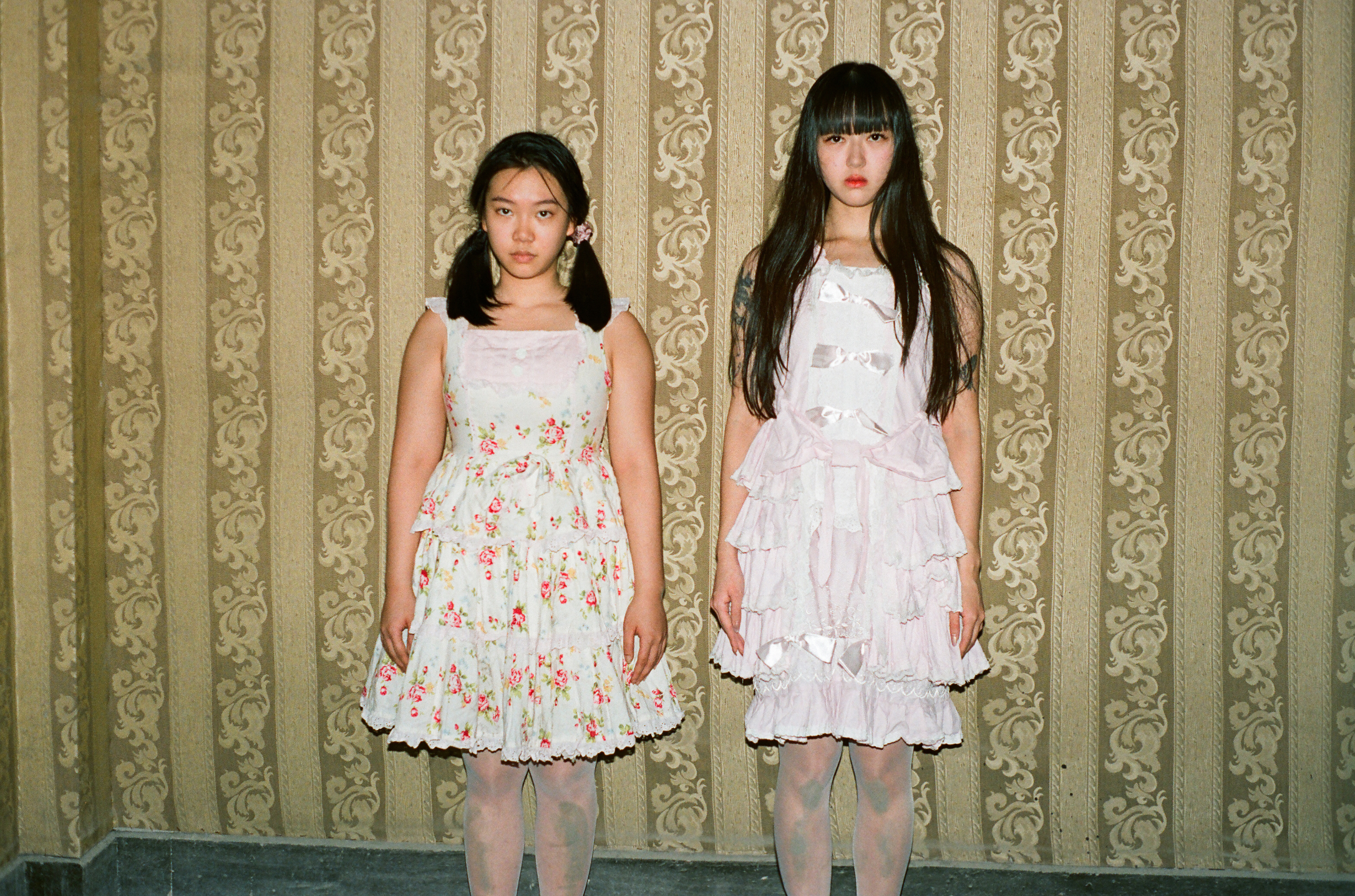
<Sinister Sister>, 2023
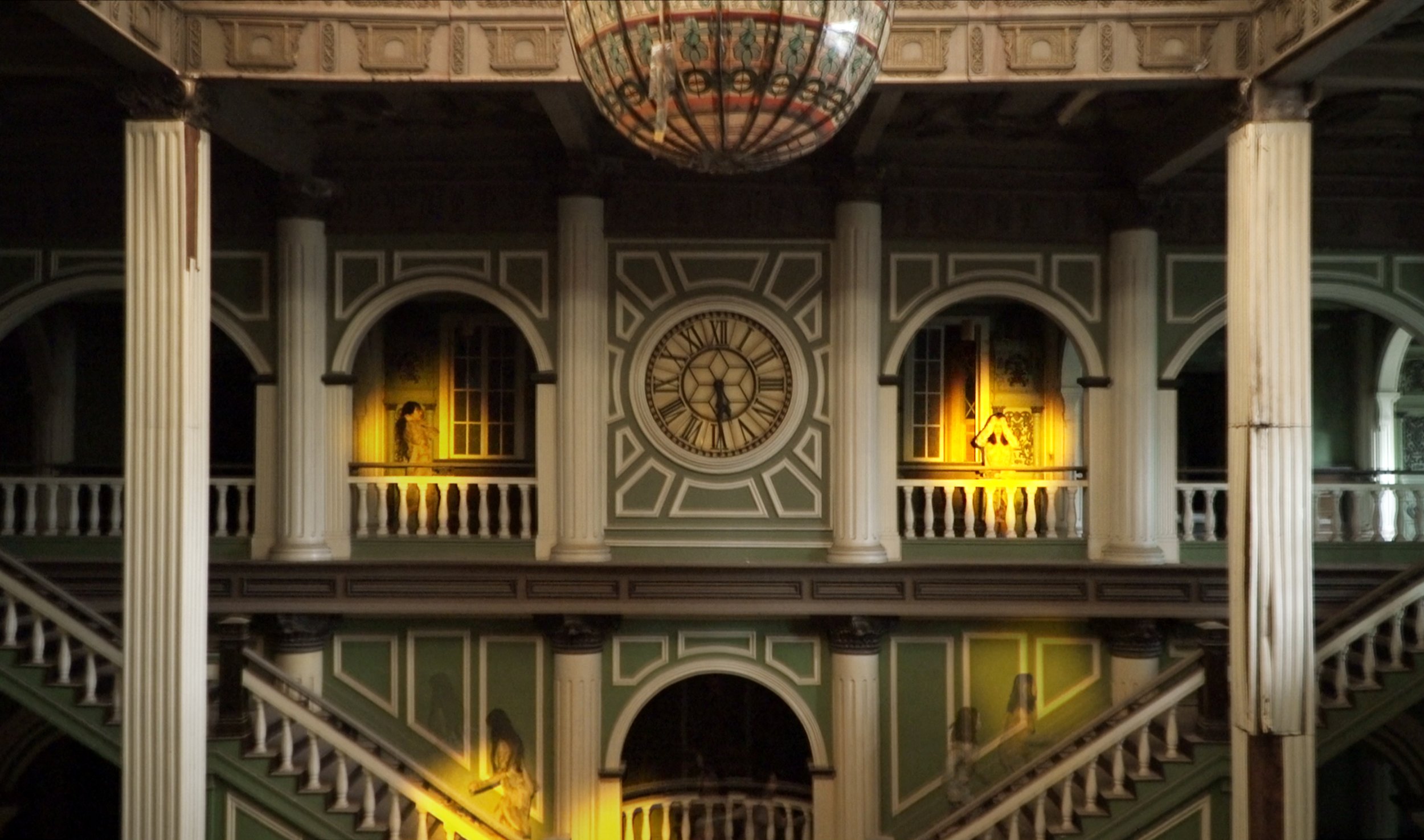
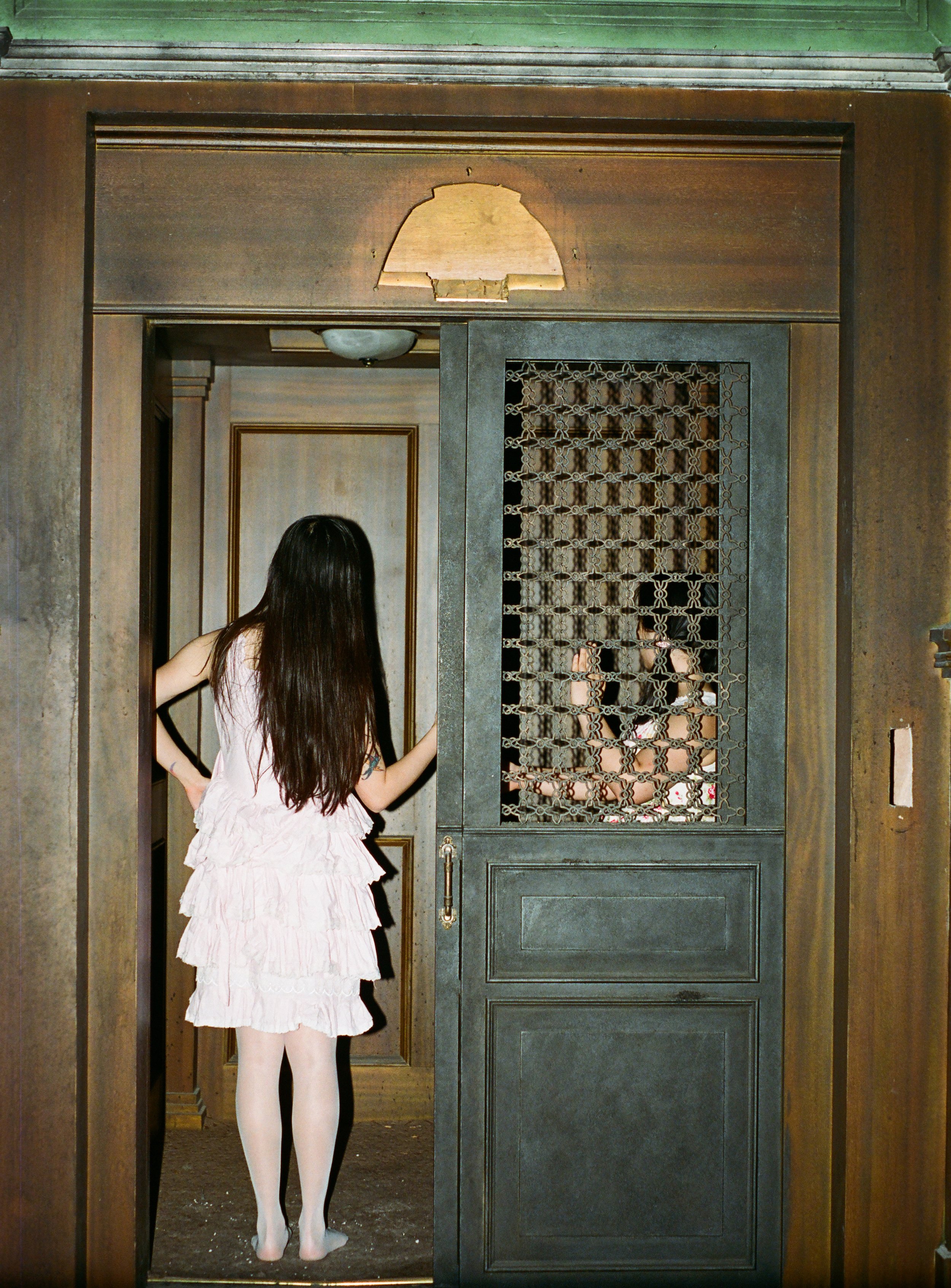
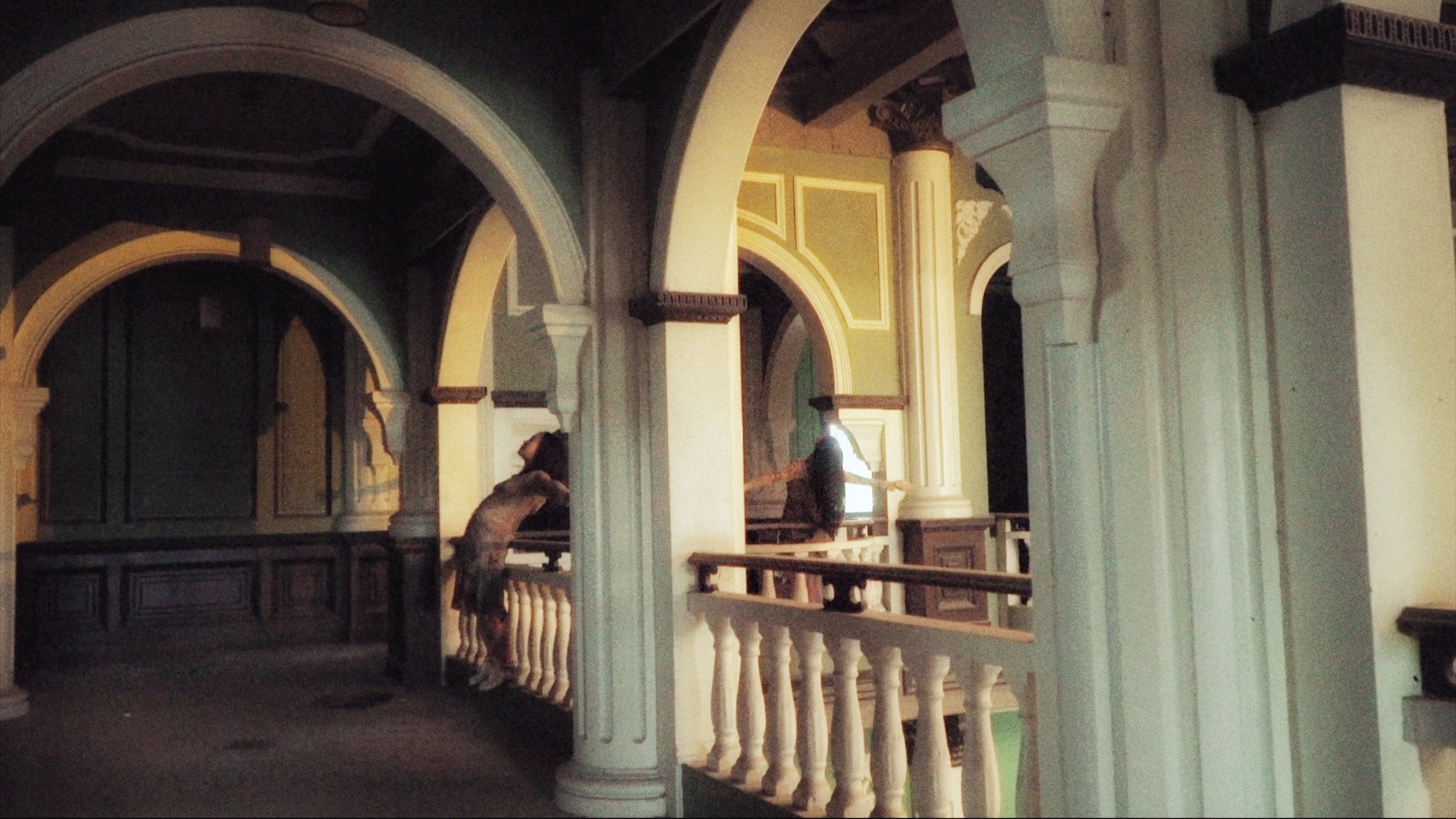
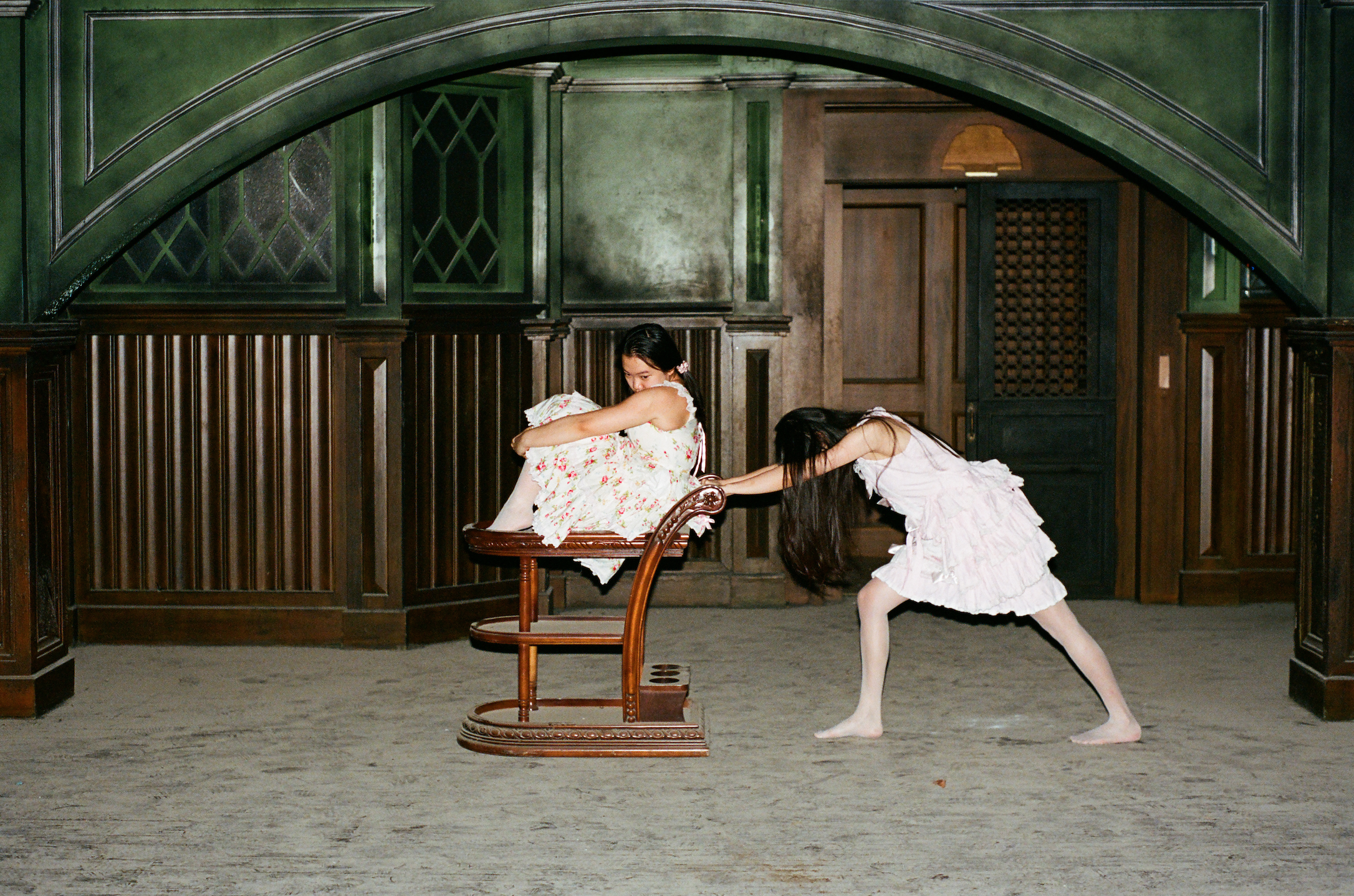
<Disorder Sensing —— SUI> /《無秩序感光》, 2022
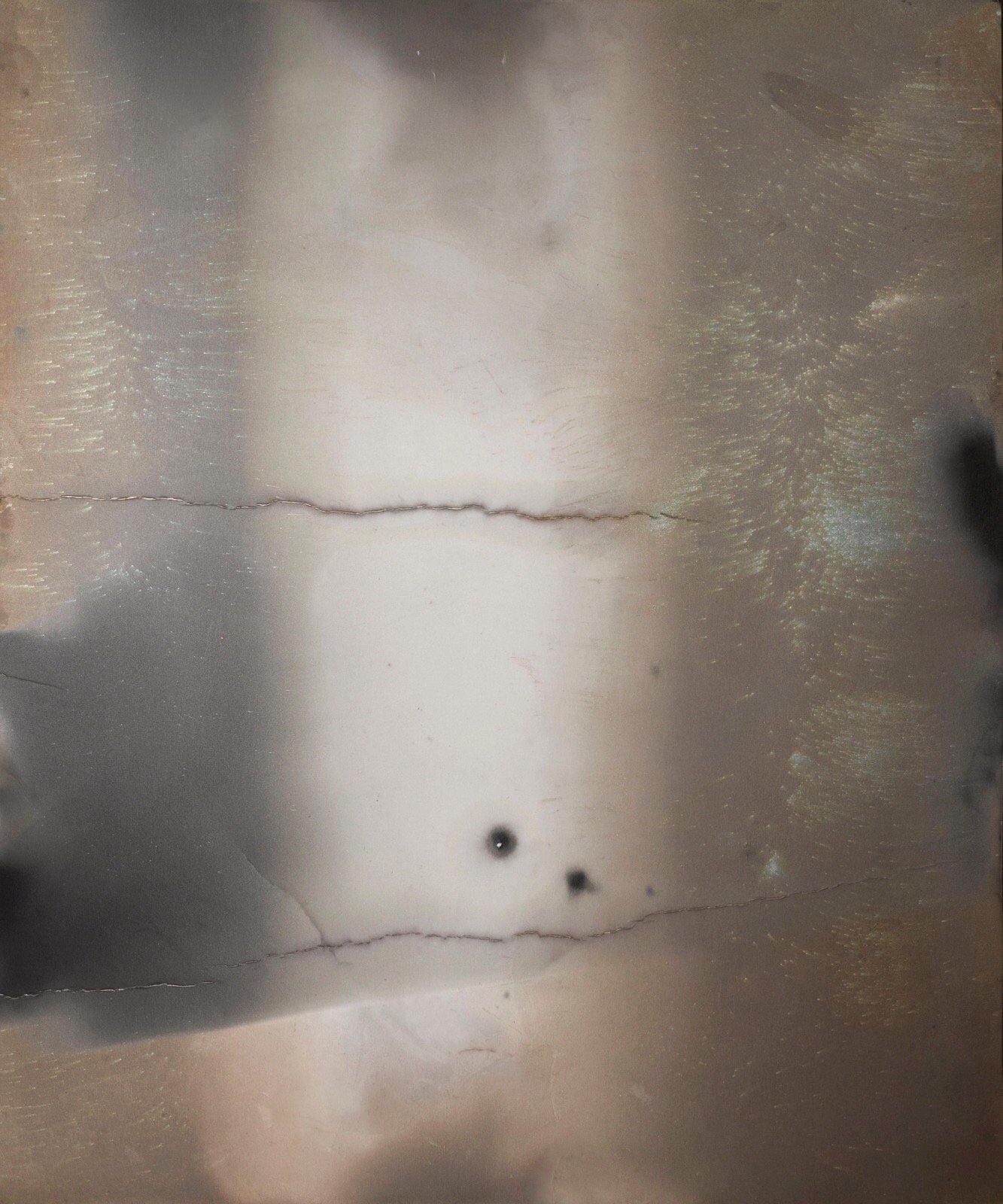
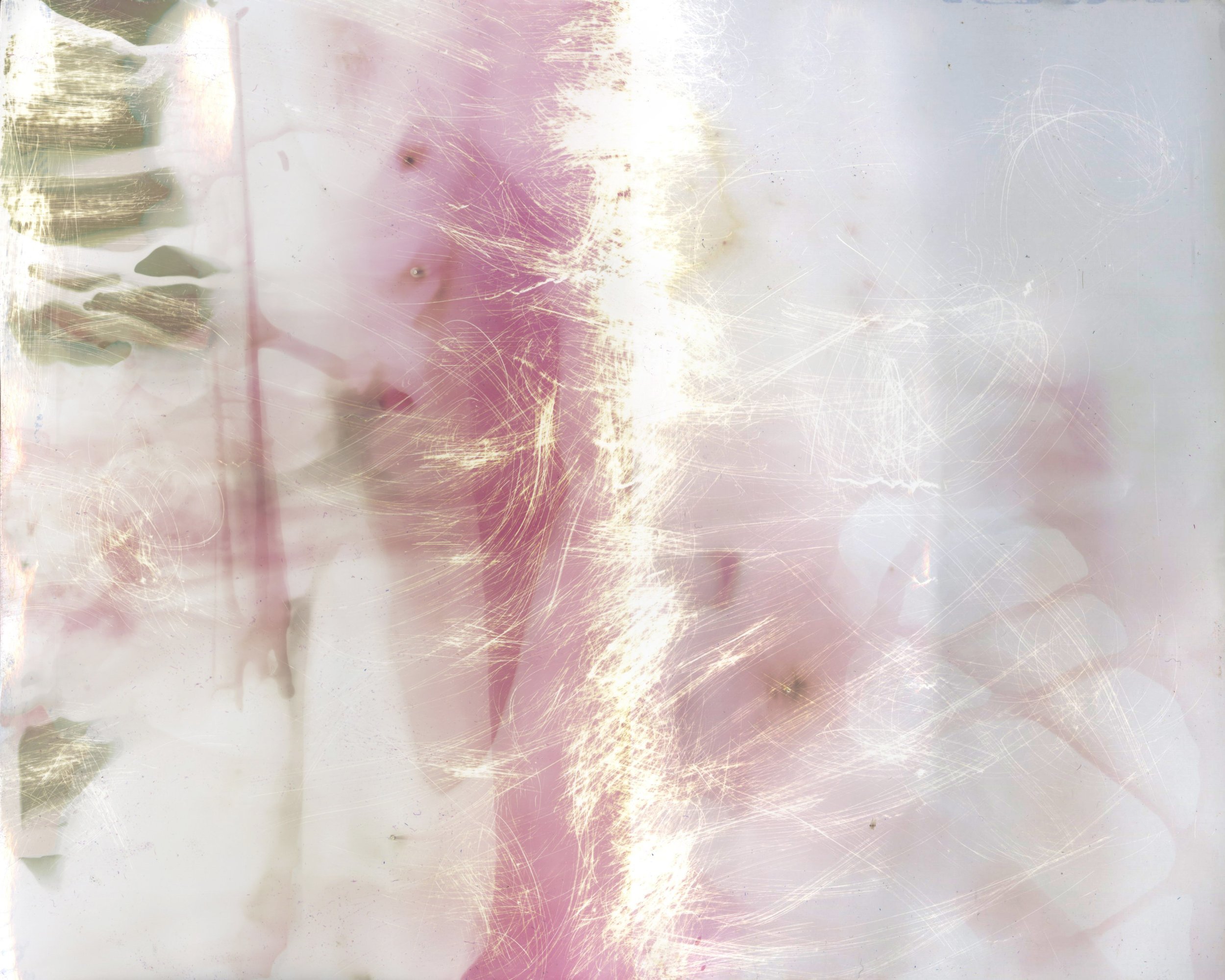
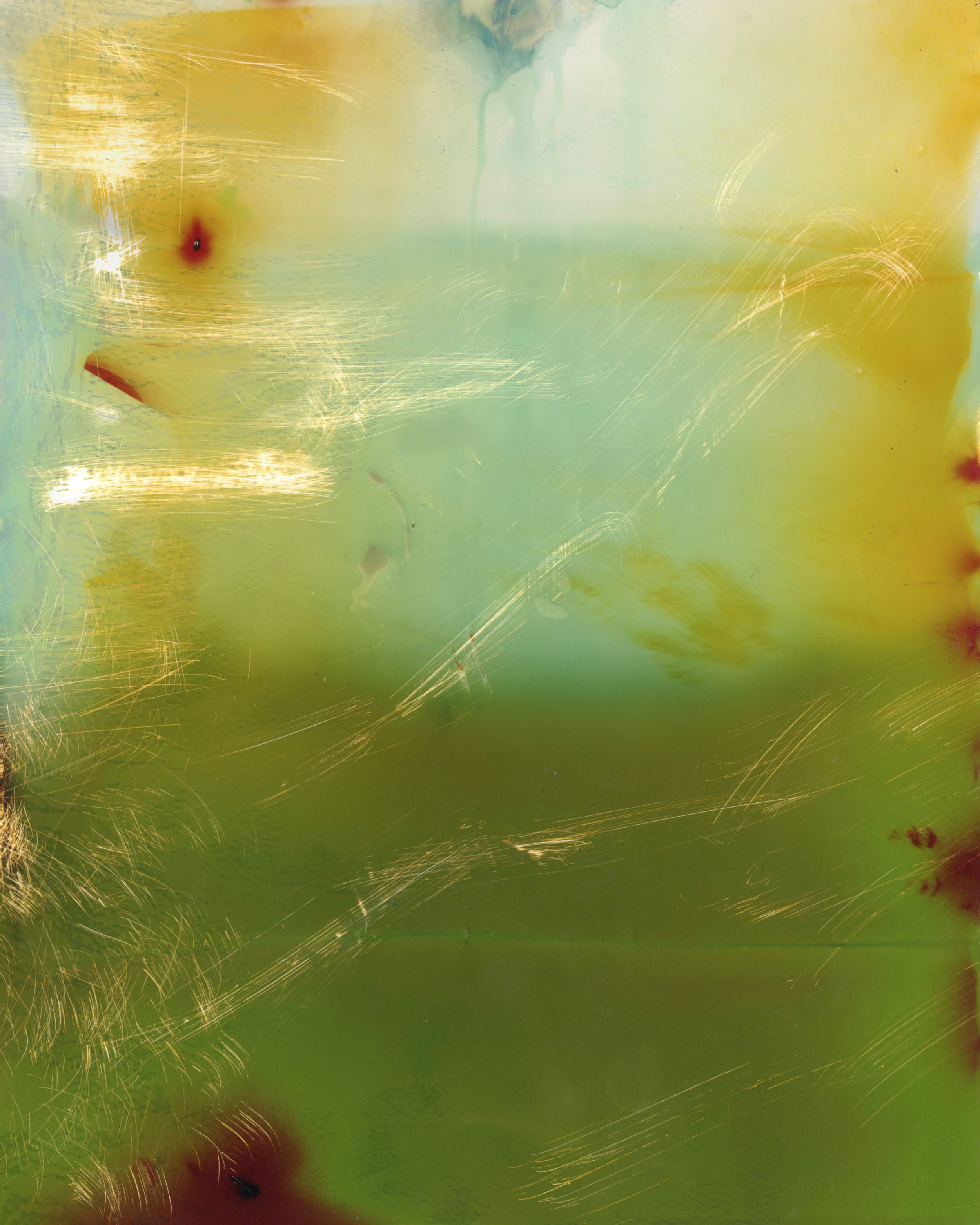
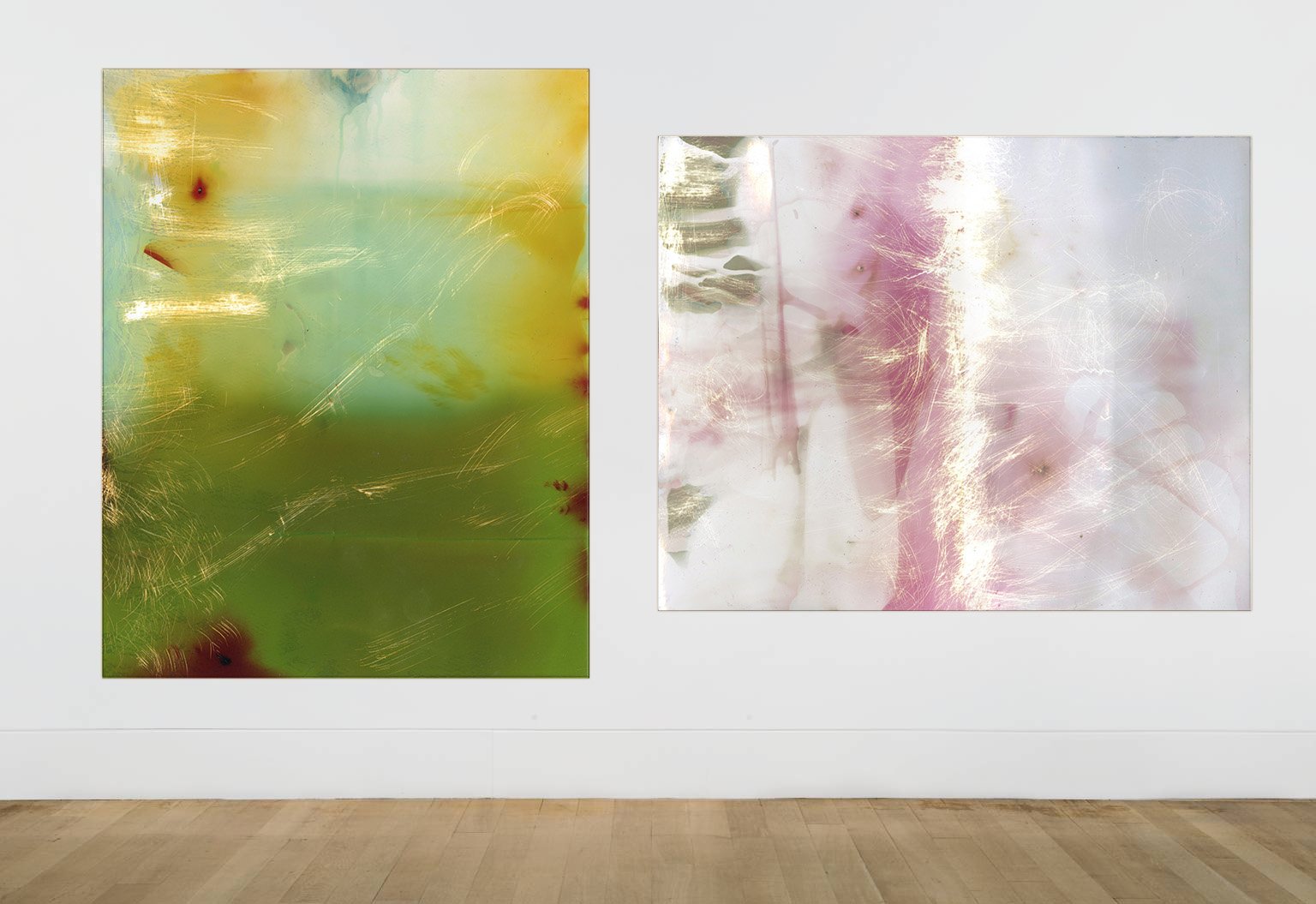
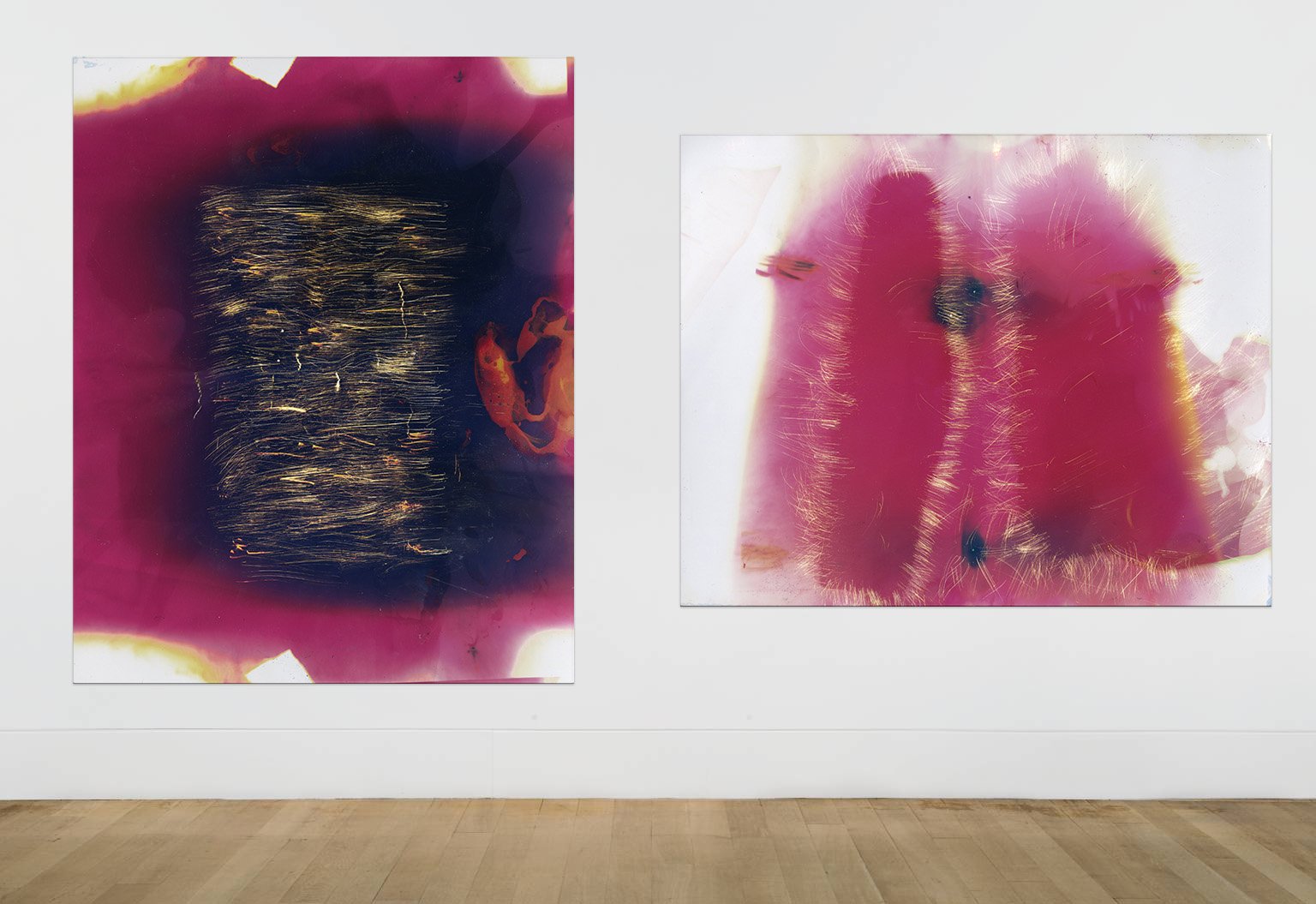
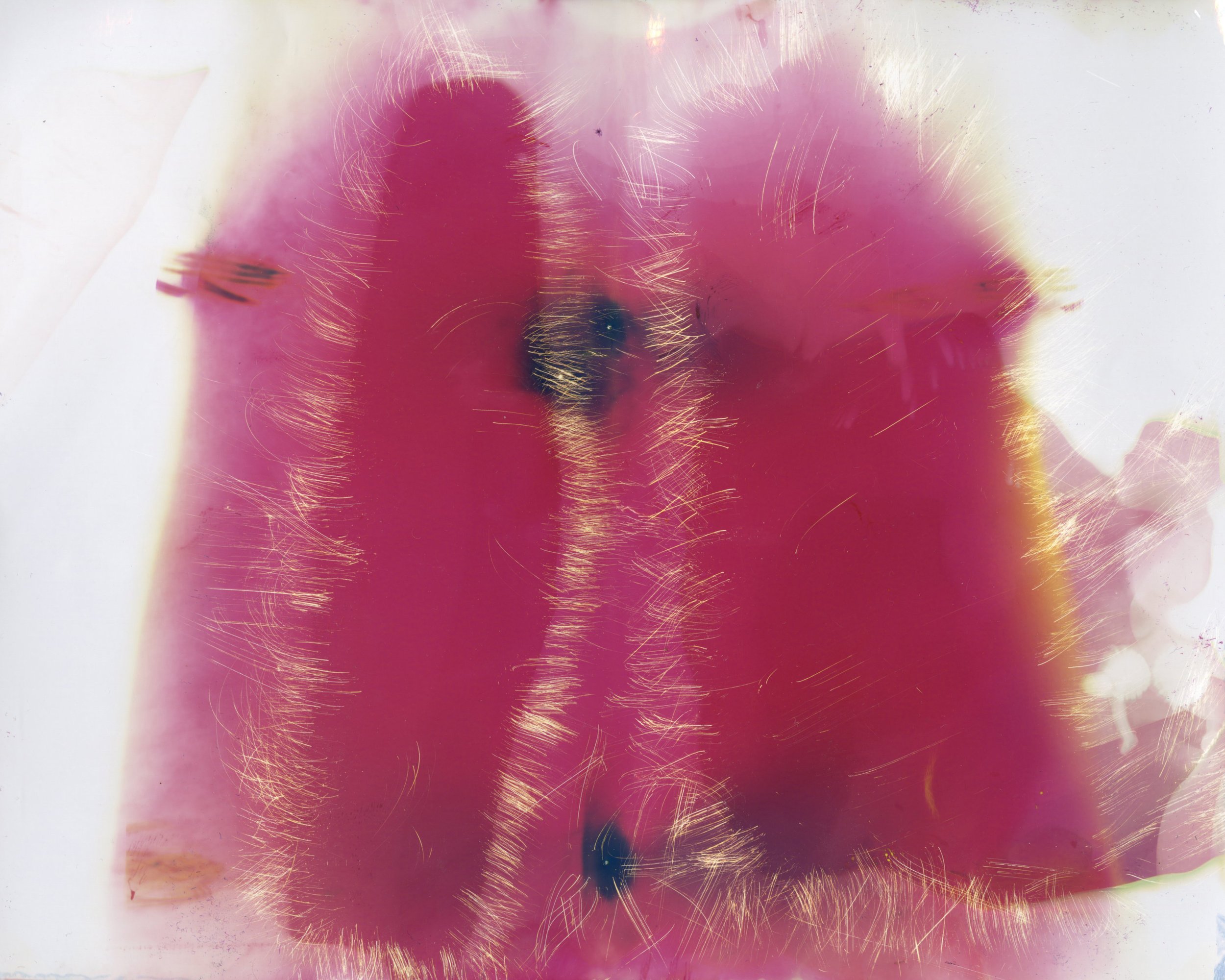
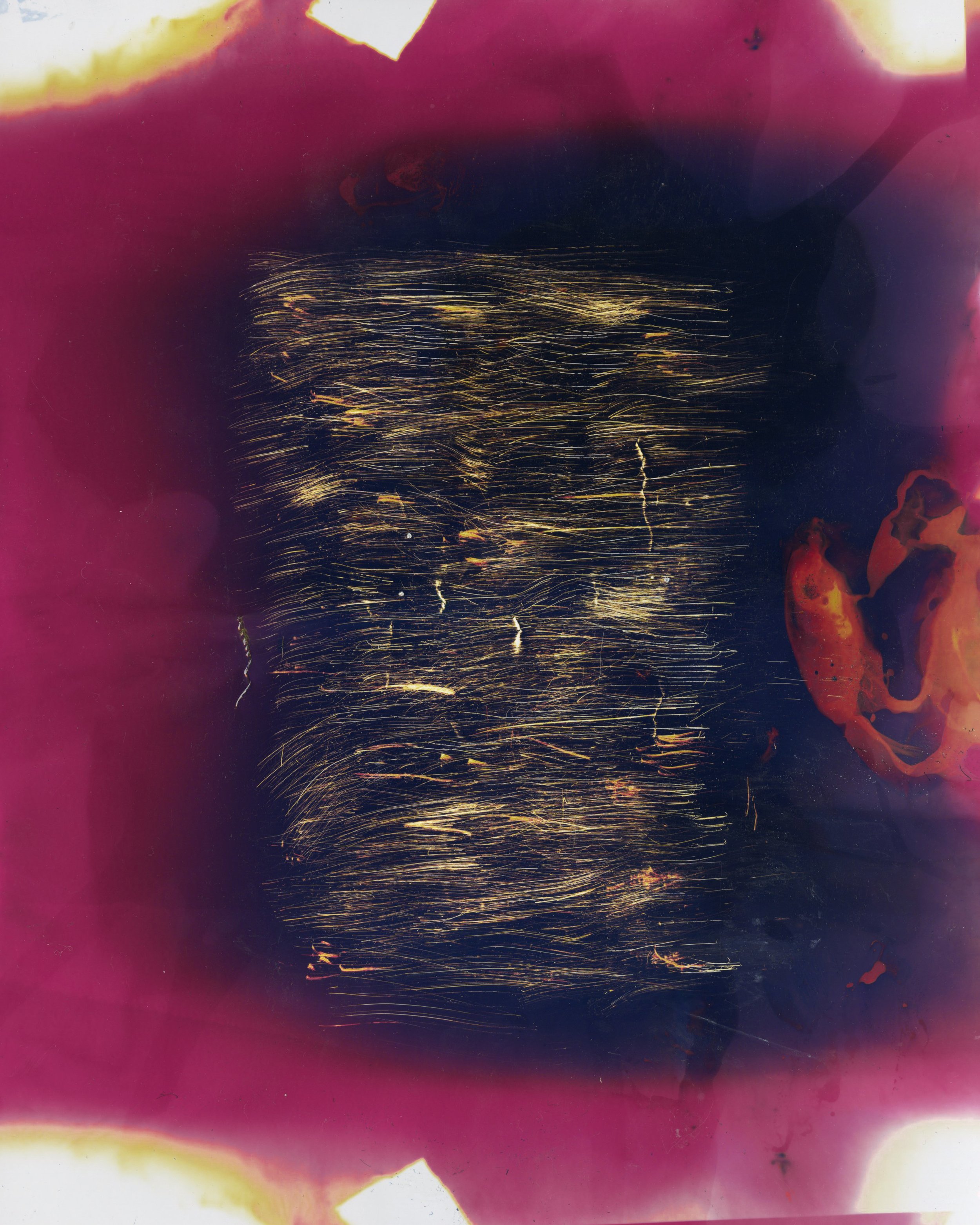
Light Sensitive Paper (Color) / Gelatin Silver Prints ( BnW) — Pinhole Camera
The culture of Hong Kong is a mix of Chinese and Western influences. Such background inspired photographer Lean Lui's artistic experimentations project "Disorder Sensing" (2022). She folded the light-sensitive paper into a pinhole camera, repeatedly threw it at the wall, or tossed it in a washing machine for exposure.
The process is done in complete darkness, relies on her experience and imagination, and finally obtains a series of abstract and gorgeous tints on paper. The process echoes Lui's interests in Tao Te Ching, which says, "everything bears Yin and embraces Yang, and rushes into harmony." After experiencing darkness and light, the photographic paper shows the beauty brought by the balance of Yin and Yang, which is reminiscent of the Taoist philosophy.
<Peach Torture Room>, 2022
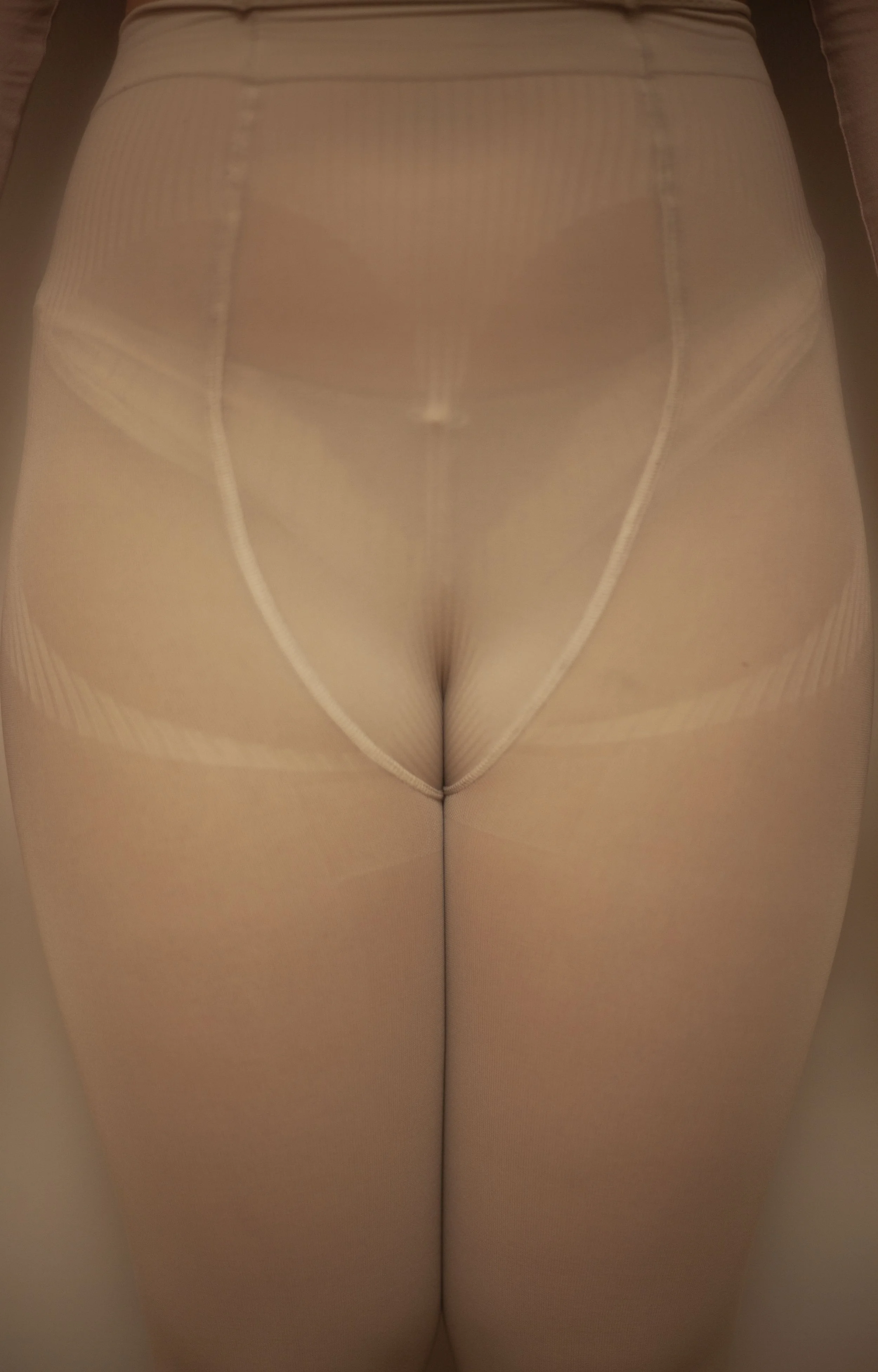
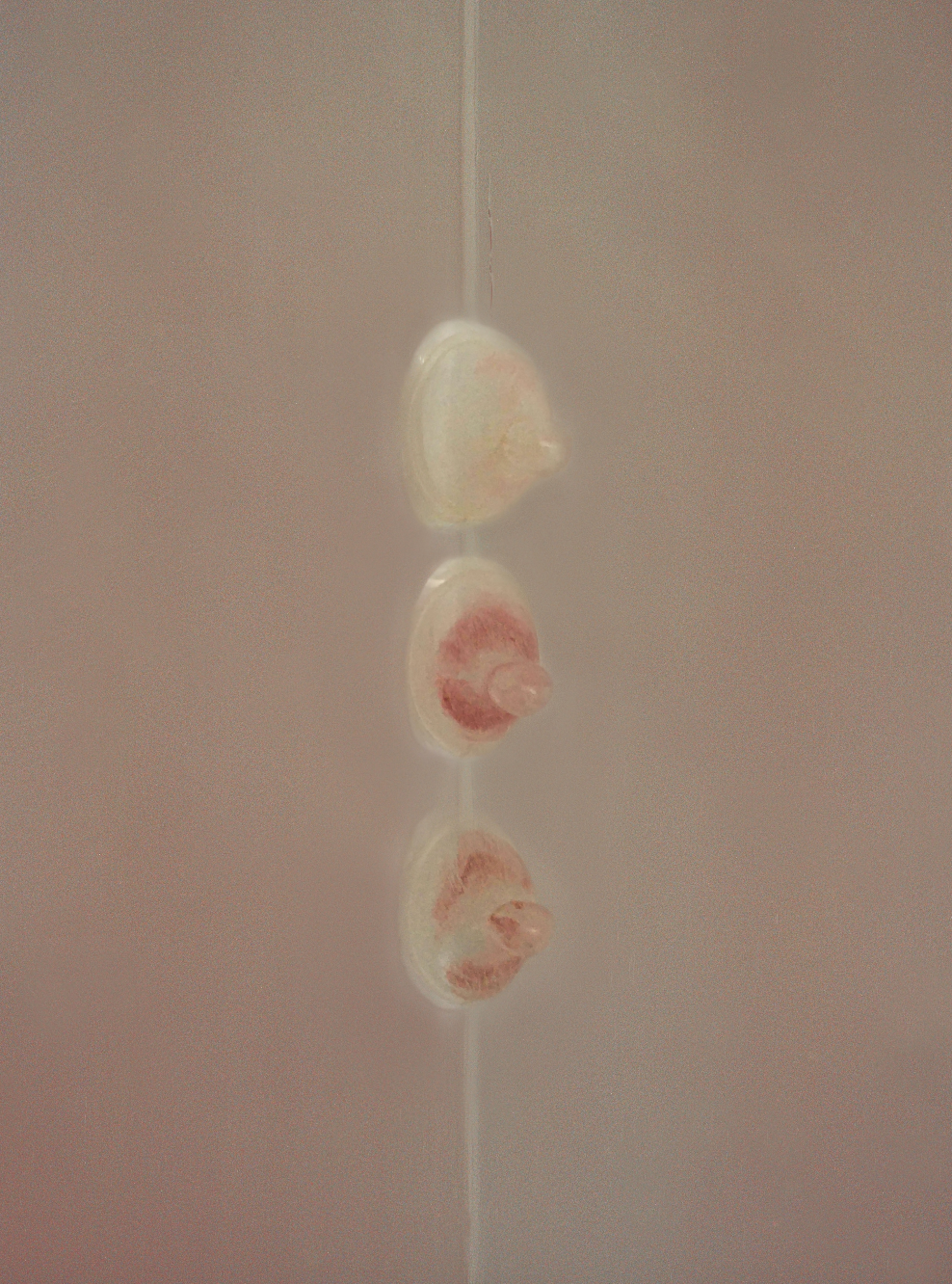
MUO MUO MUO, 2022(left) / NIU NIU NIU, 2022(right)
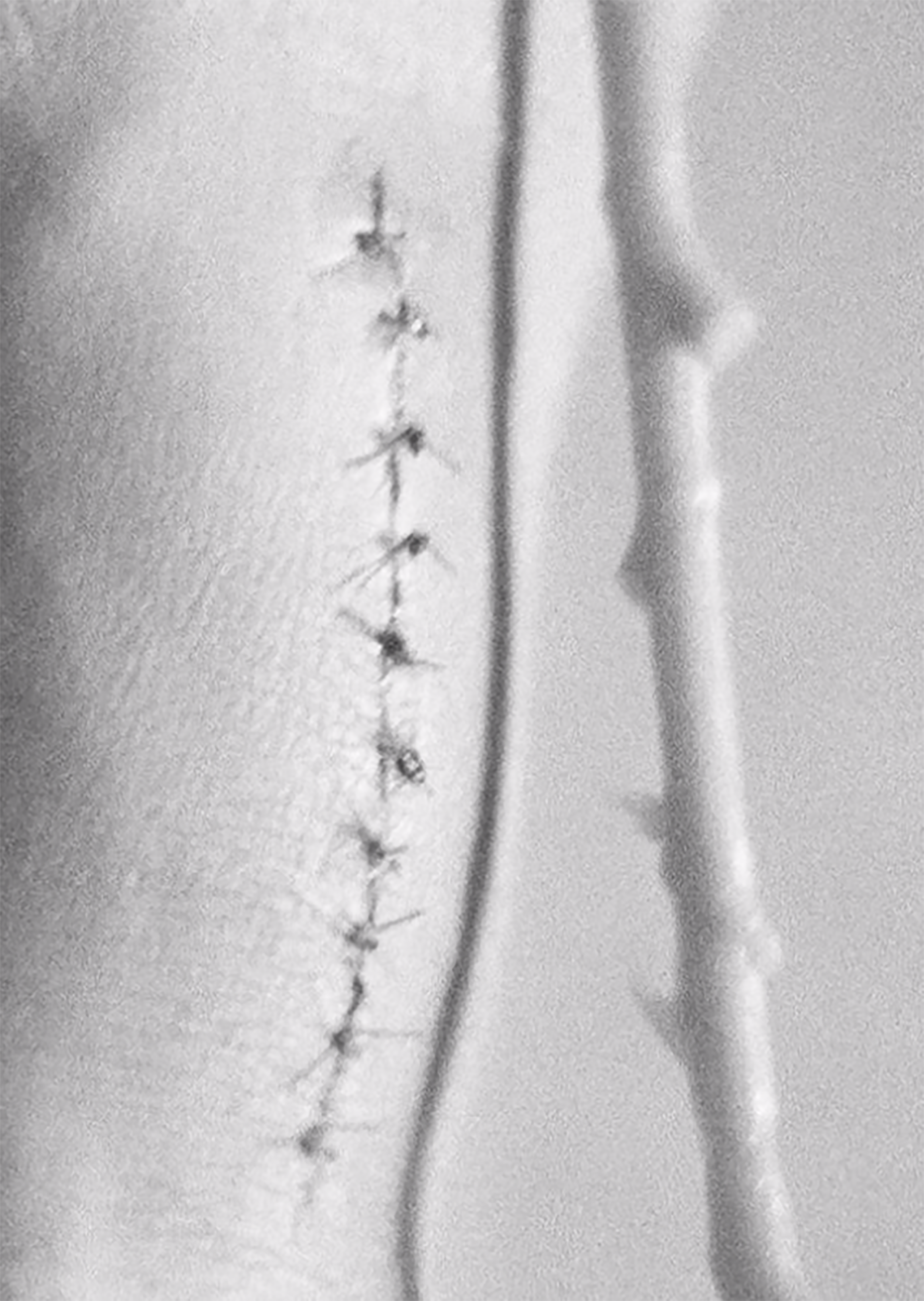
A Single Surgery Room, 2019